

Webster Hall swelled with a kind of galvanism that only memory can summon—a tangible current thick with nostalgia, rebellion, and heartache. On Monday, April 21, Chiodos returned to New York City to celebrate the 20-year anniversary of All’s Well That Ends Well, the record that redefined a generation of post-hardcore fans. And if the album spoke of fractured dreams and beauty in brokenness, then this night was a living, roaring testament to its endurance.
The night opened with chaos incarnate—The Callous Daoboys. A frenzied cocktail of mathcore precision and circus-like volatility, their set felt like being thrown into a whirlpool of jagged guitars and howling catharsis—tracked impeccably with Amber Christman’s whimpering violin. Their performance was not merely an opening act; it was a dare: “Let’s see how much madness you can withstand.”
Next came Emmure, who traded technical chaos for pure, pulverizing aggression. Frontman Frankie Palmeri prowled the stage like a man possessed, delivering low-end growls that felt seismic. Songs like “Solar Flare Homicide” and “When Keeping It Real Goes Wrong” were less played than detonated. Emmure didn’t just warm up the crowd—they scorched the earth.
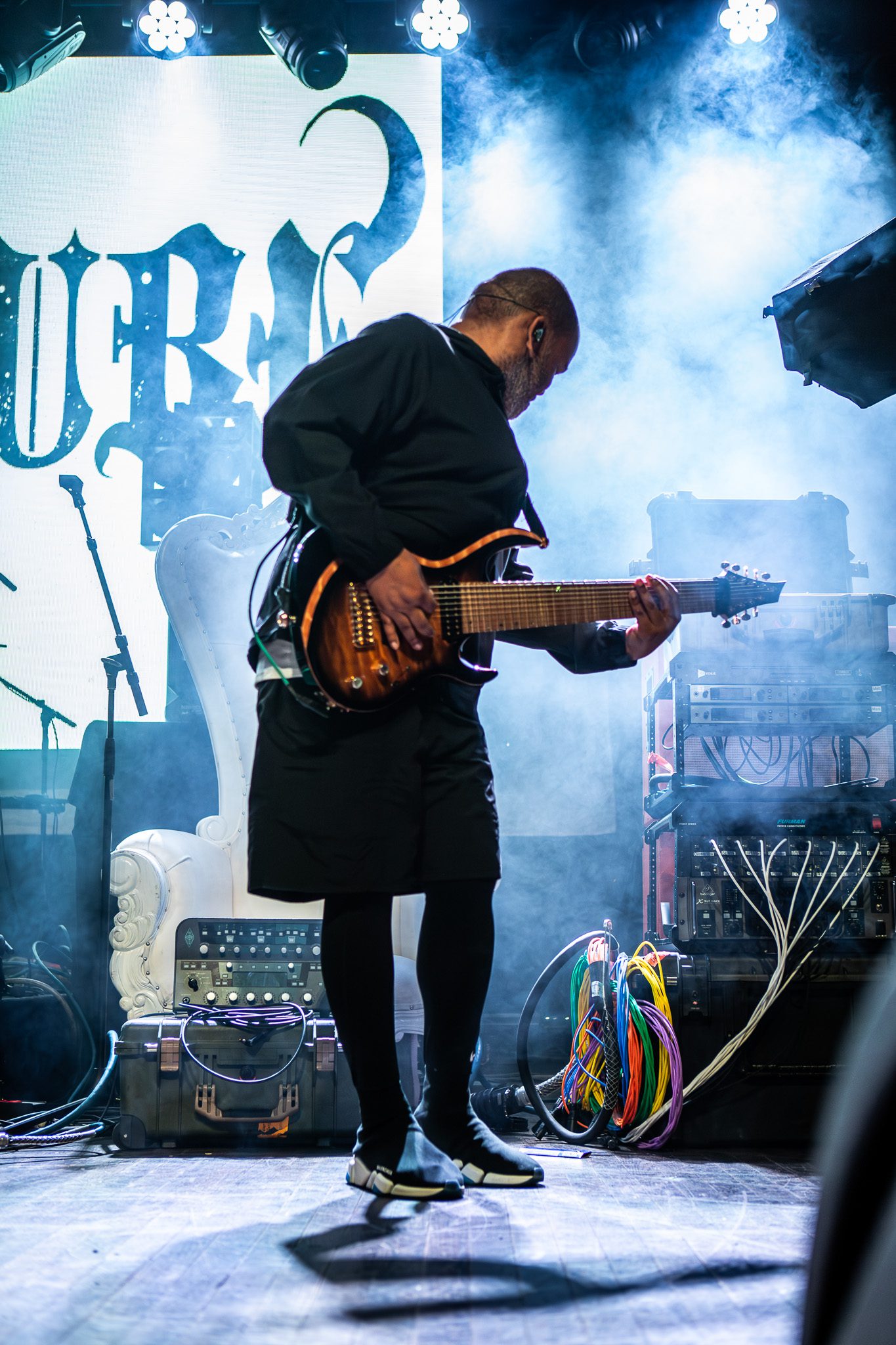
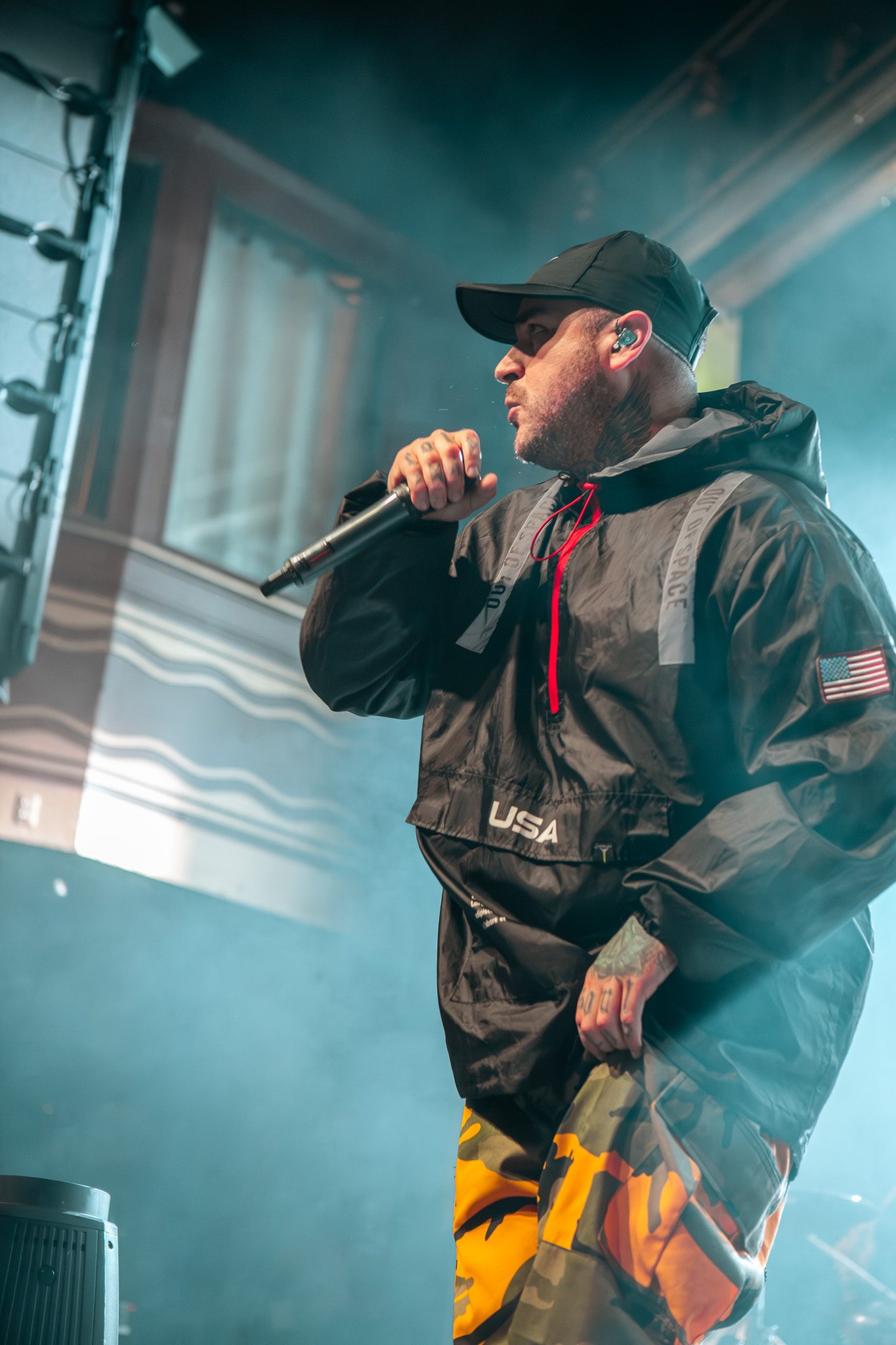



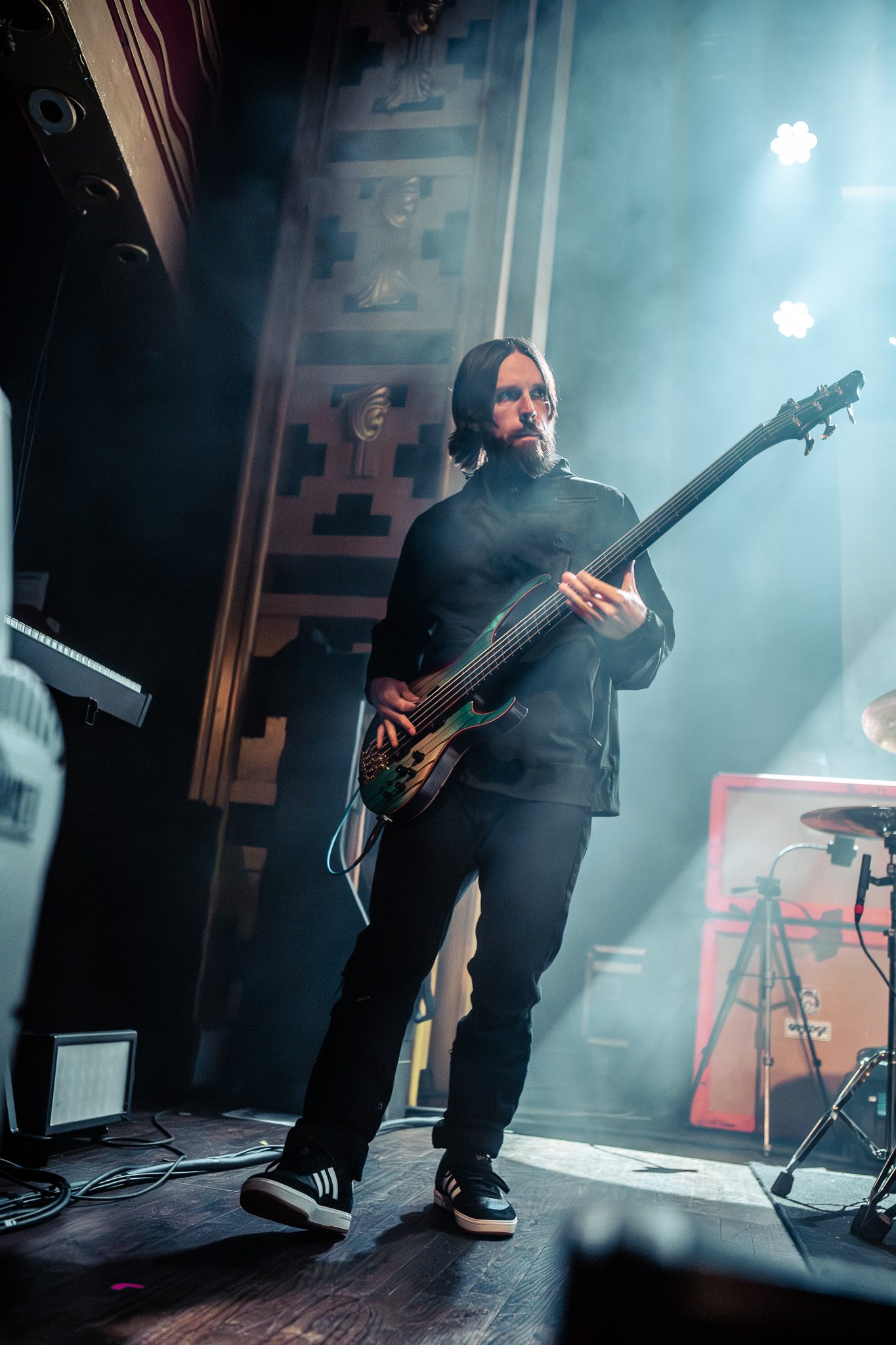
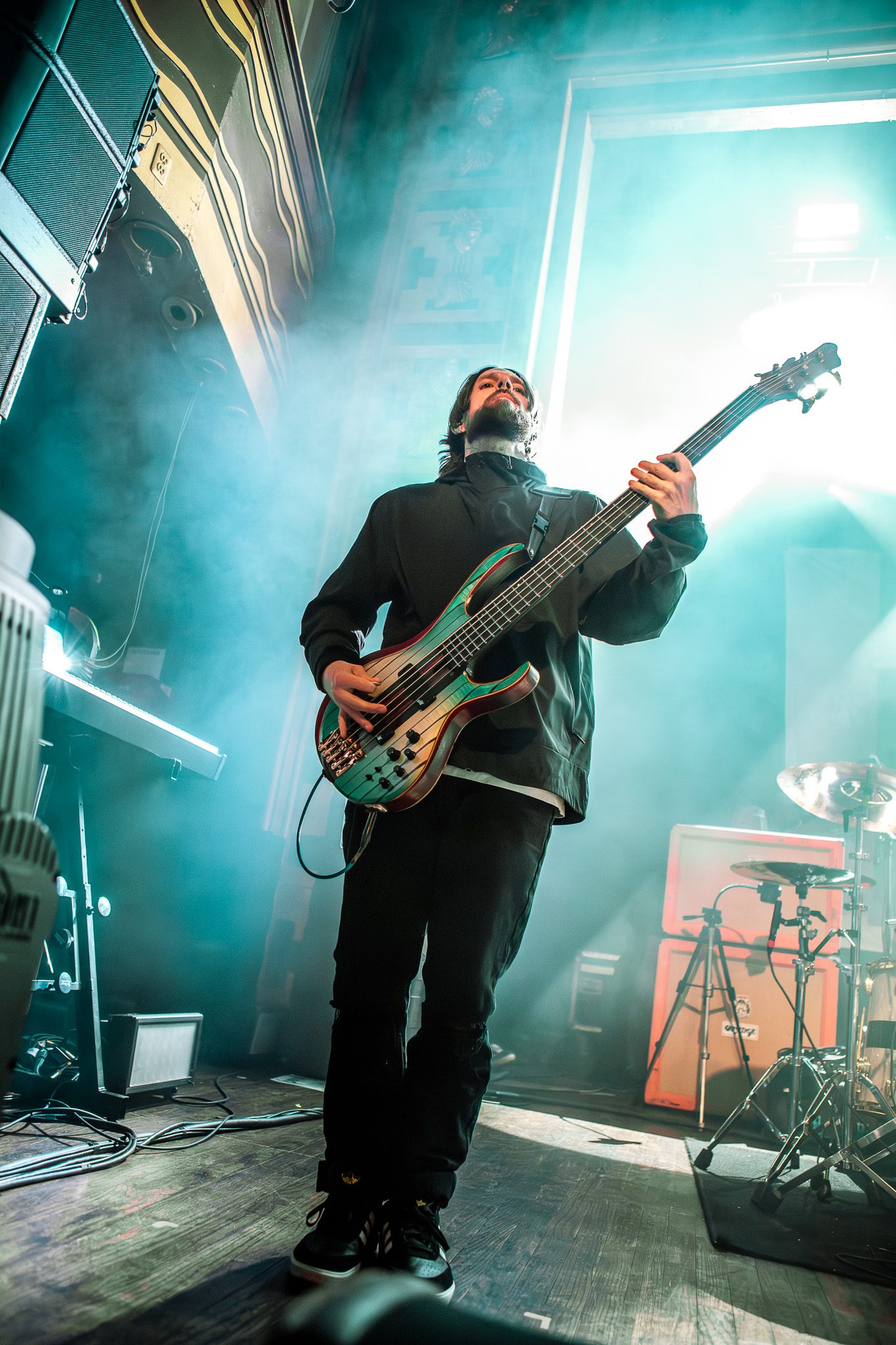
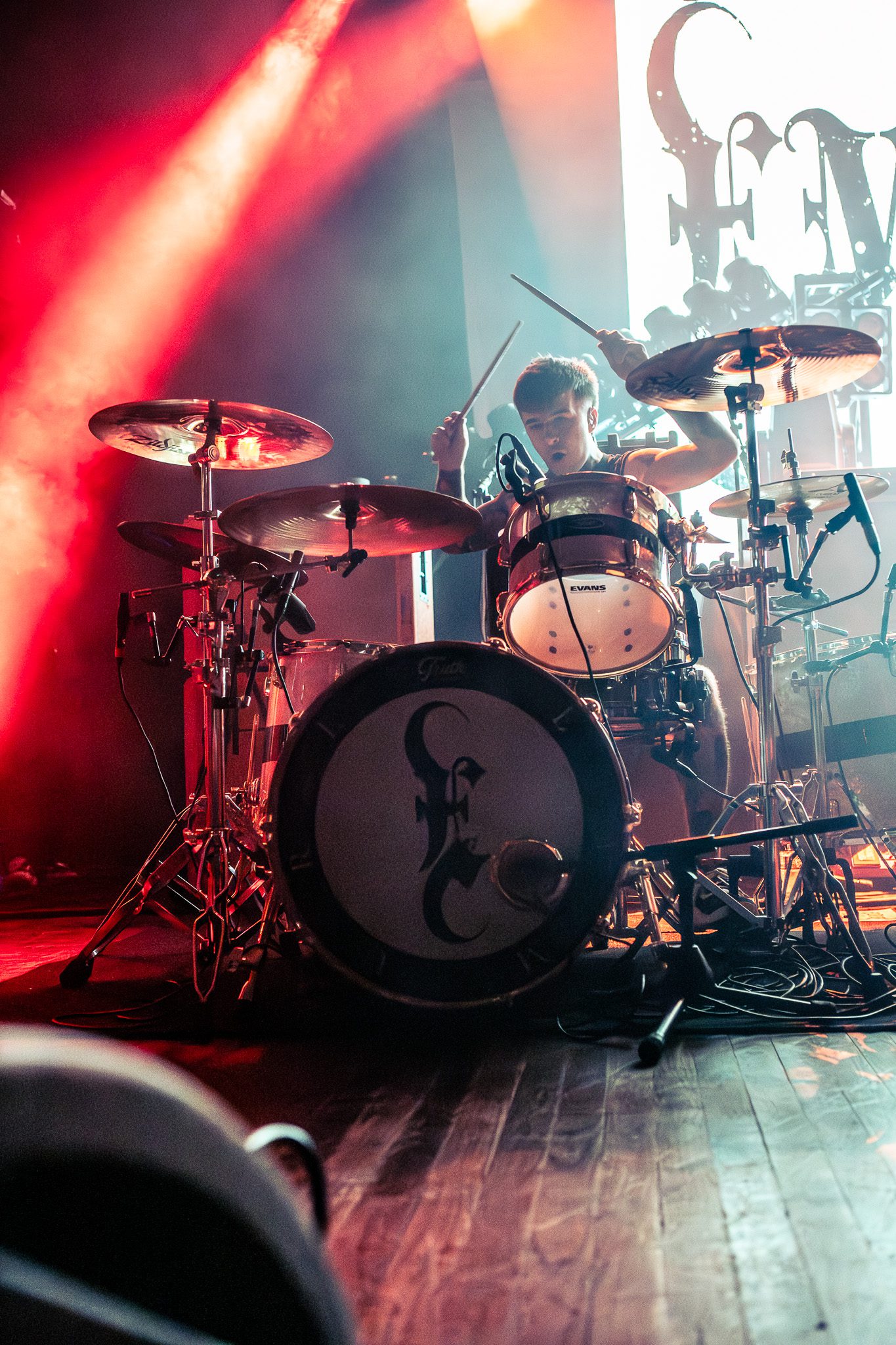
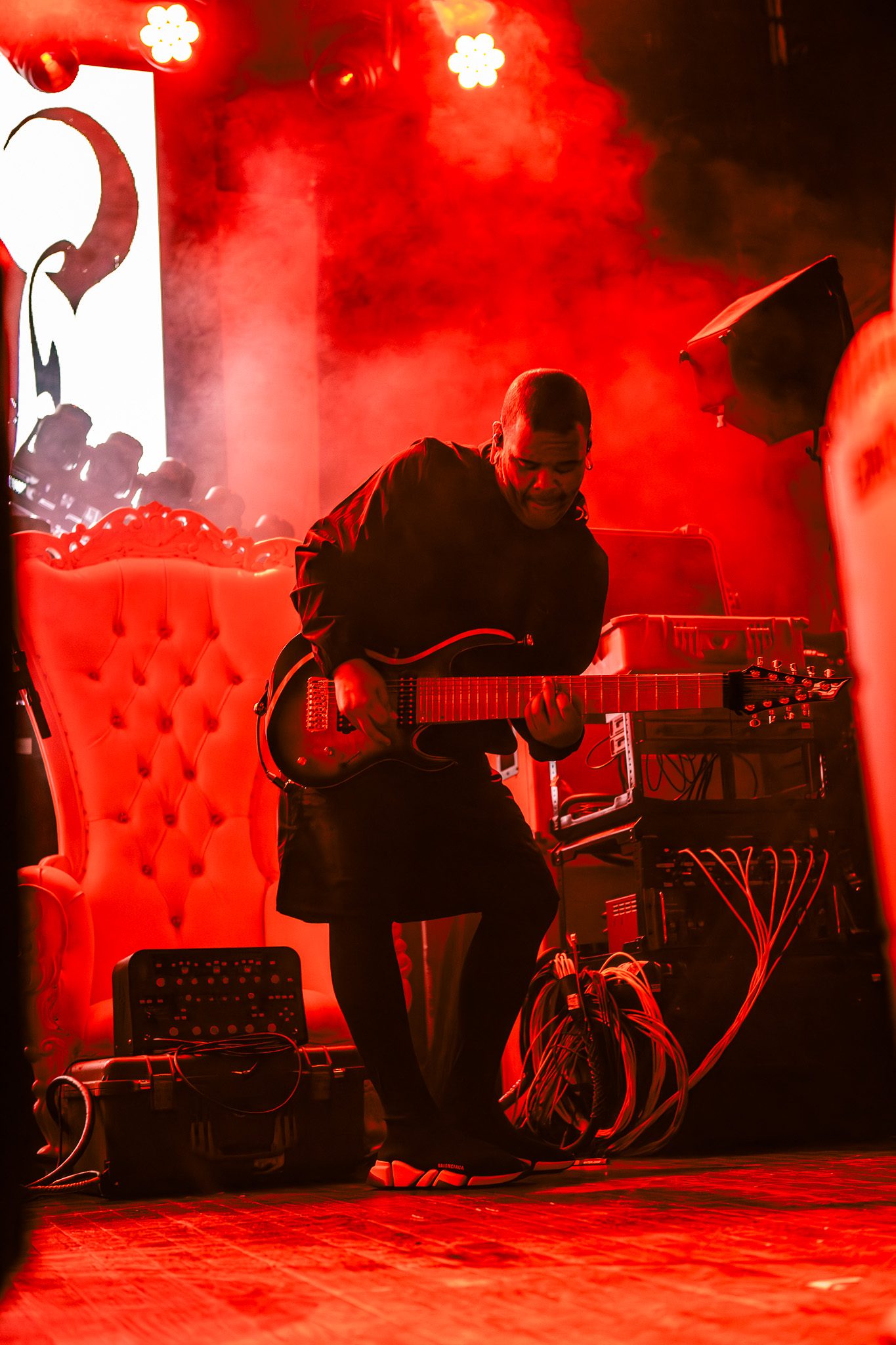
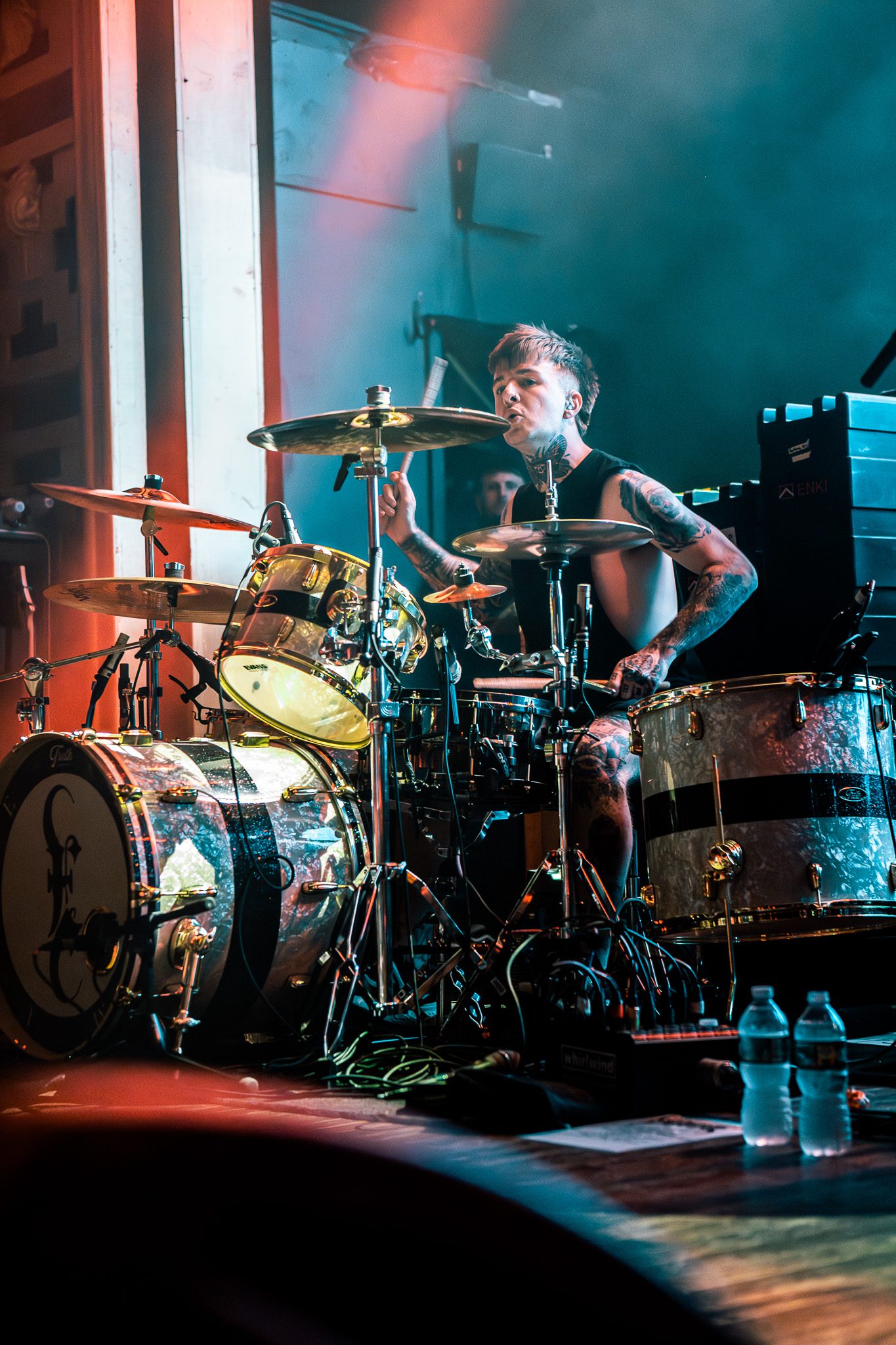

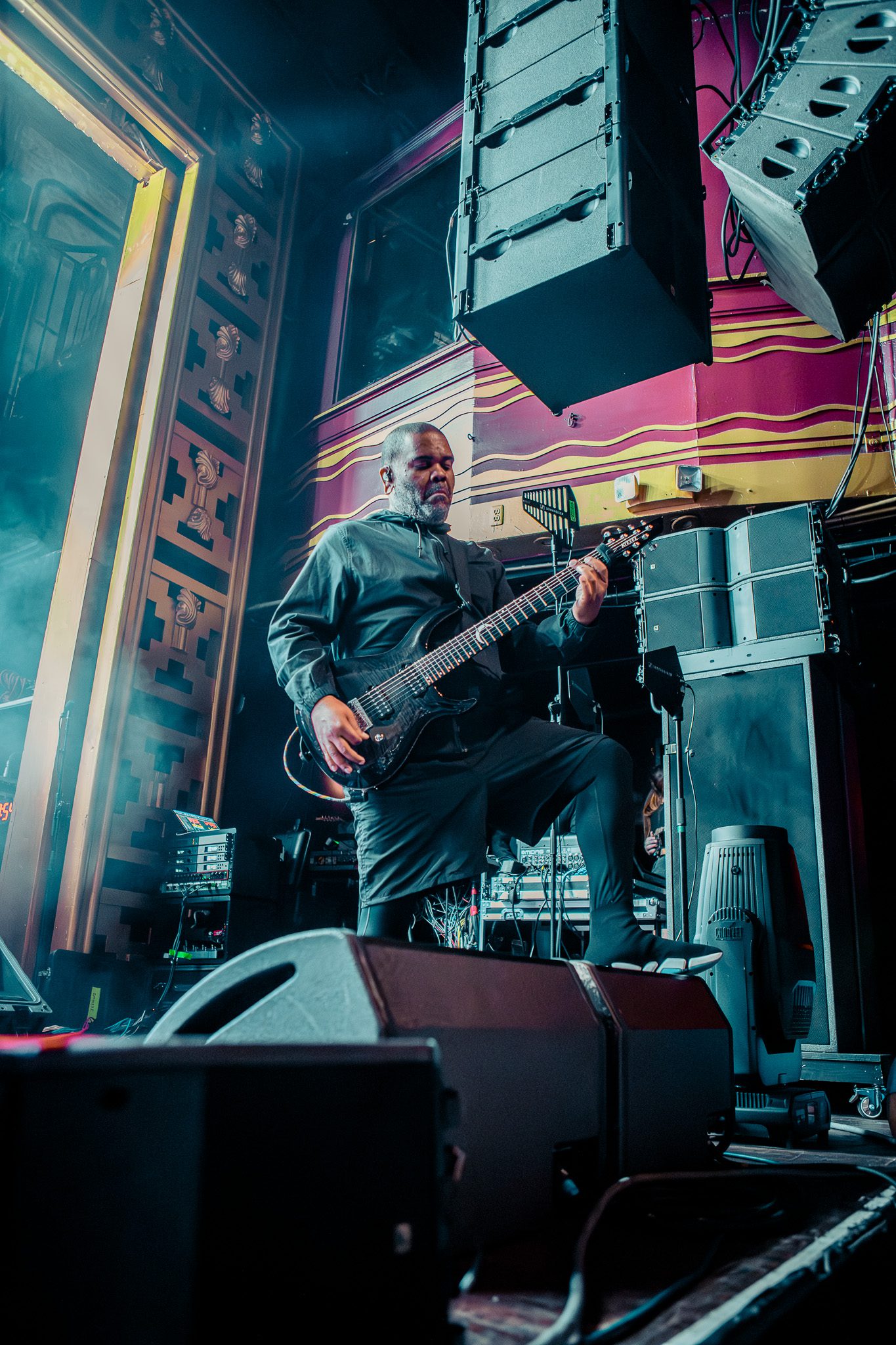
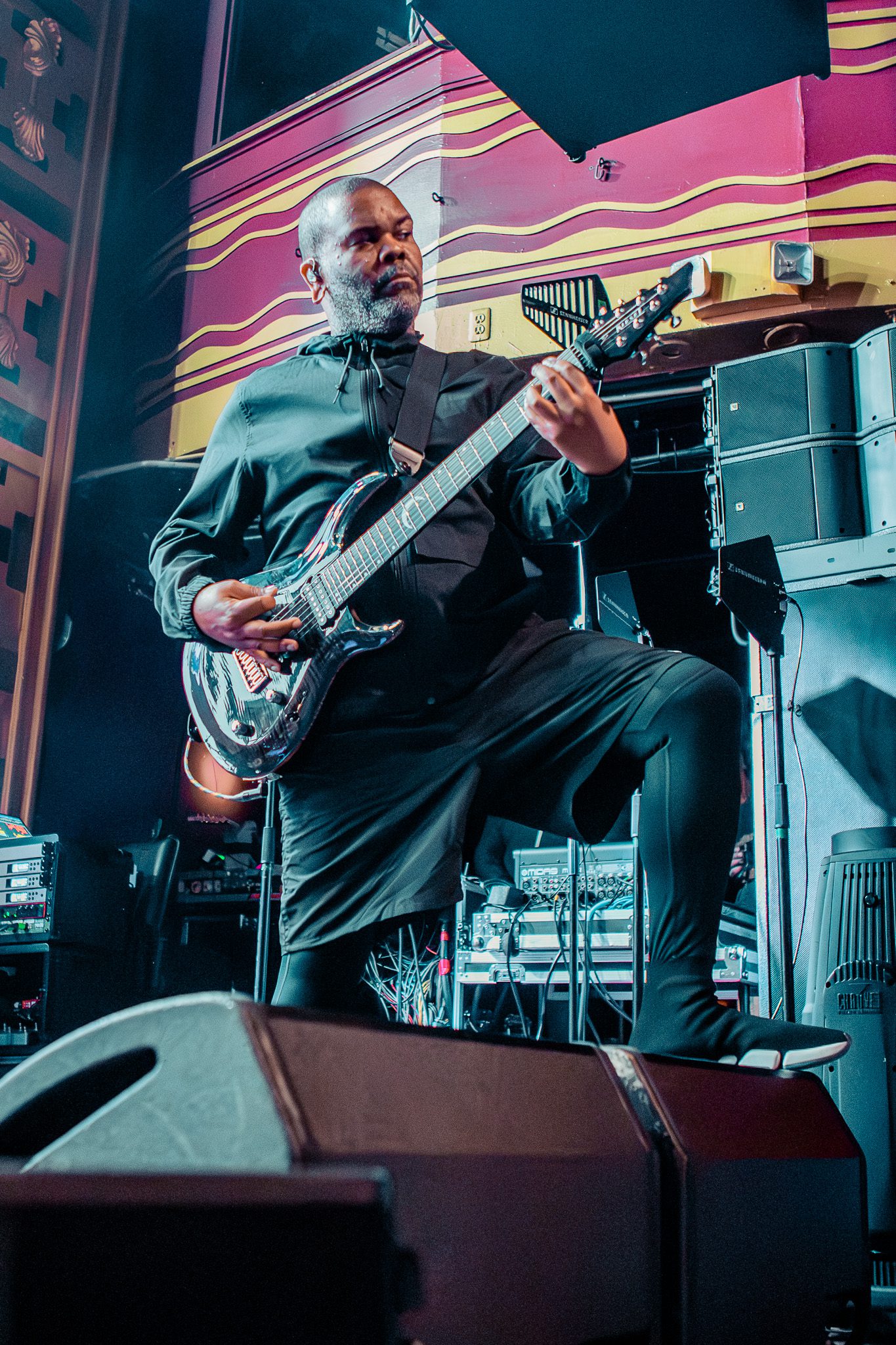


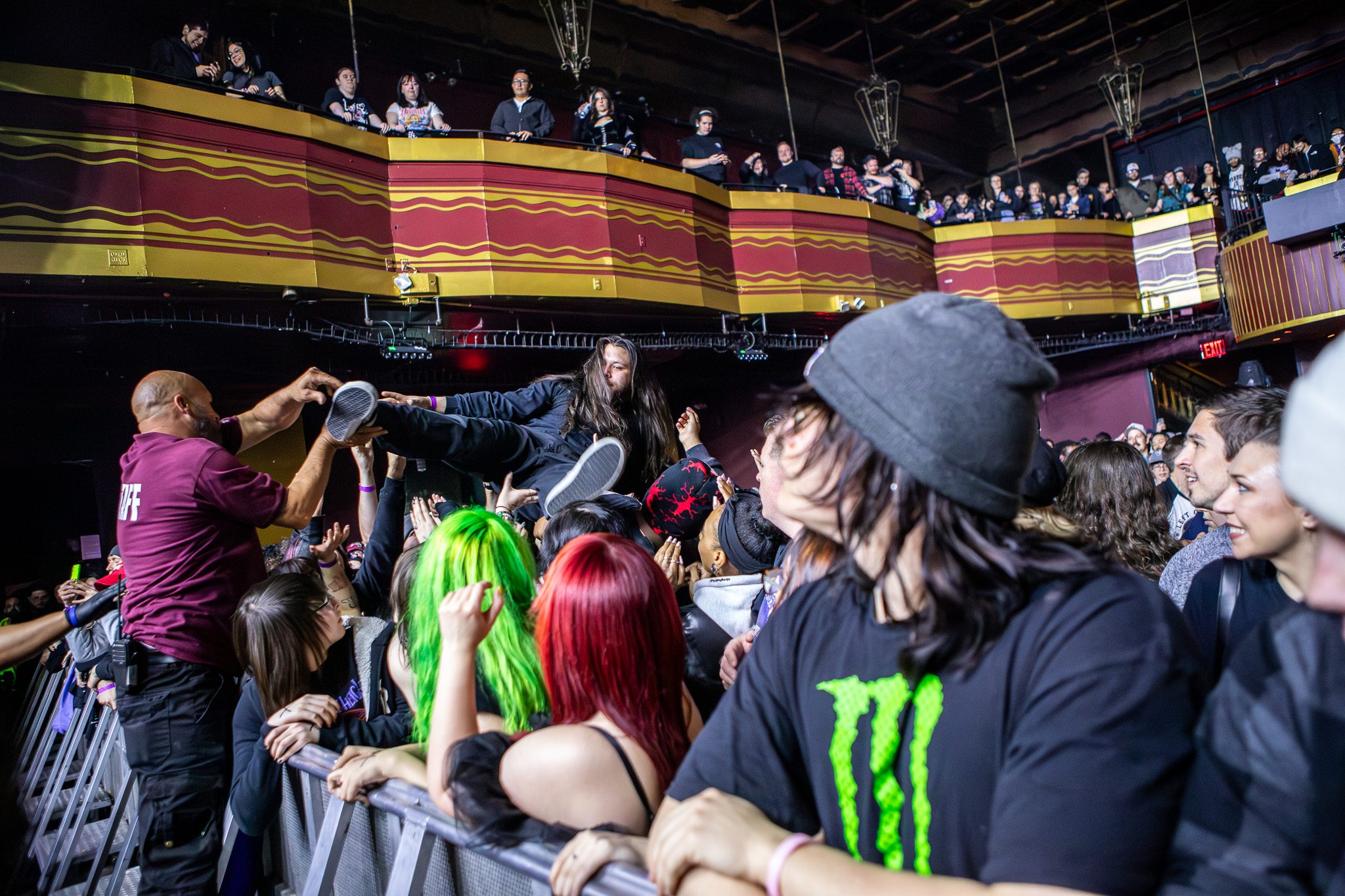

Hawthorne Heights offer a momentary breath, but only just. With shimmering guitars and JD’s signature melancholic vocals, they brought every broken heart in the room to the surface. The closer of the evening, “Ohio Is For Lovers,” felt like reading old diary pages aloud in a cathedral of collective grief. Their performance was a reminder: sadness, when sung loudly enough, becomes a kind of communion.


Then, under a sanctorium of lights and cheers, Chiodos emerged. The opening piano notes of “Prelude” slipped like a ghost across the crowd—and then it began.
All’s Well That Ends Well remains a masterpiece of contradiction: lust yet serrated, operatic yet intimate, grotesque yet deeply human. From the staccato rage of “One Day Woman Will All Become Monsters” to the theatrical agony of “There’s No Penguins in Alaska,” every note sounded carved from marble and then immediately shattered. Craig Owens voice—a wounded angel’s snarl—has lost none of its raw majesty, stretching from whispers to banshee wails in an instant.
“Baby, You Wouldn’t Last a Minute on the Creek” was transcendent. When the first melancholic riff rang out, the room practically inhaled as one. It’s a song about letting go and the unbearable beauty of endings, and twenty years later, it has only grown more piercing.

The band, revitalized, played with a vigor that transcended any notions of “reunion” or “nostalgia.” They made the past feel immediate, urgent, vital. Guitarists Bradley Bell and Pat McManaman conjured riffs and melodies that felt like spells; Matt Goddard’s bass trembled underfoot; Derrick Frost’s drums exploded like nerve endings finally allowed to scream.
What truly elevated the night was the undeniable chemistry—both on stage and between Chiodos and their audience. Every lyric was shouted back with the conviction of survival. Every chorus was a pact: “We were here then. We are here now.”
By the time “All Nereids Beware” rang out, only the second song in the set, there was an understanding between everyone packed tightly into Webster Hall: All’s Well That Ends Well isn’t just an album. It’s a mirror, a lifeline, a battle cry. It told us then, and reminds us now: to love wildly, to hurt openly, and to survive beautifully, even—especially—on the edge.
And if you listened closely on Monday night, you could hear it: the sound of an old wound finally healing.


CALLOUS DAOBOYS | WEBSITE | INSTAGRAM | FACEBOOK | YOUTUBE
EMMURE | WEBSITE | INSTAGRAM | FACEBOOK | YOUTUBE
HAWTHORNE HEIGHTS | WEBSITE | INSTAGRAM | FACEBOOK | YOUTUBE
CHIODOS | WEBSITE | INSTAGRAM | FACEBOOK | YOUTUBE
authors note:
It was a morning before the sun dared to rise, riding the dim-lit bus to middle school, earbuds stitched into my ears like lifelines. After looping Pierce The Veil’s Selfish Machines on Spotify, an unexpected suggestion popped up: “Baby, You Wouldn’t Last a Minute on the Creek” by Chiodos. Half-asleep, I tapped play on the full album—and in that half-light, something changed.
The piano intro poured in like fog, and when Craig Owens’ aching voice spiraled upward, it felt like someone had cracked open a secret room inside me. I kept my earbuds in through the first period homeroom, letting All’s Well That Ends Well flood through my half-conscious world. By the time “All Nereids Beware” tore through my headphones, it was clear: this wasn’t just music. This was myth, tragedy, defiance, and tenderness braided into one urgent breath.
The album’s mystique—its Shakespearean references, its sprawling theatricality—seeped into me. Titles like “One Day Woman Will All Become Monsters” and “There’s No Penguins in Alaska” hinted at layers deeper than the surface angst. I started chasing that feeling, reading fragments of Shakespeare on my own: Macbeth, Hamlet, The Tempest. Before long, the hunger turned into addiction—to literature, to storytelling, to the slow art of unraveling human messiness with words. Eventually, it led me into journalism, chasing meaning the way Chiodos chased crescendos.
All’s Well That Ends Well is not an album you listen to passively; it demands your whole heart. It’s about heartbreak, yes, but also about the grotesque beauty of survival. “Baby, You Wouldn’t Last a Minute on the Creek” isn’t just a breakup song in the simple sense—it’s about self-sabotage, about knowing you’re the problem, and walking away before the damage fully blooms. It cuts deeper than romance, Craig Owens reveals the song is actually about him wanting to end the band. It’s a showcase of the ache that comes with chasing a dream, collaborating with others on a creative vision. “The Worlds Best Friend Becomes Redefined” captures the slow corrosion of trust with operatic grandeur. “To Trixie and Reptile, Thanks for Everything” weaves sorrow and sarcasm into a tapestry of adolescent reckoning.
The brilliance of Chiodos lies in how they dressed their fury and fragility in rich, labyrinthine structures. Songs crumbled and reformed within seconds—screaming one moment, crooning the next. Craig Owens’ vocals were the axis, tilting between falsetto fragility and unholy snarls with a dramatic flair that made every moment feel catastrophic and intimate.
As a whole, All’s Well That Ends Well reads like a diary torn apart and thrown into the wind—yet every scattered page finds its way back to you. It taught me that art could be grandiose without losing its sincerity, that chasing a farfetched, intricate dream doesn’t come without pain and heartache, self-doubt yet vanity. It taught me that it’s okay to be too much.
On that shadowy bus ride years ago, I didn’t know I was hearing the soundtrack of my own awakening. I didn’t know that a post-hardcore record, stitched with Shakespearean tragedy and youthful disillusionment, would lead me to the language that would define my future. But that’s what Chiodos did: they built a bridge between chaos and poetry, and I walked across it.
Music has changed my life so many times over, and All’s Well That Ends Well remains one of the most vital turning points. There’s few albums that have had such a profound impact on the person I am today, but music has the power to do such. Thank you for reading my story, I hope you share yours in the comments below.
I closed my review with this same thought, and I’ll say it again here: All Well That End’s Well wasn’t just an album for me. It was a mirror—and twenty years later, it’s still showing me who I am.
? Sabrina Amoriello
Leave a Reply