
Queens wore a heavy sky last night, a ceiling of gray that pressed down like a breath. But the clouds above Forest Hills carried more than the threat of rain – they carried a weight of anticipation, a hush before the hymn. Beneath them, a crowd gathered, boots brushing pavement, hats tilted low, hearts beating in rhythm with the promise of two voices that feel less like entertainers and more like cosmic messengers. Charley Crockett and Leon Bridges on the same bill is not a coincidence. It is an alignment, a planetary event, and New York bent its will against the storm to witness it.
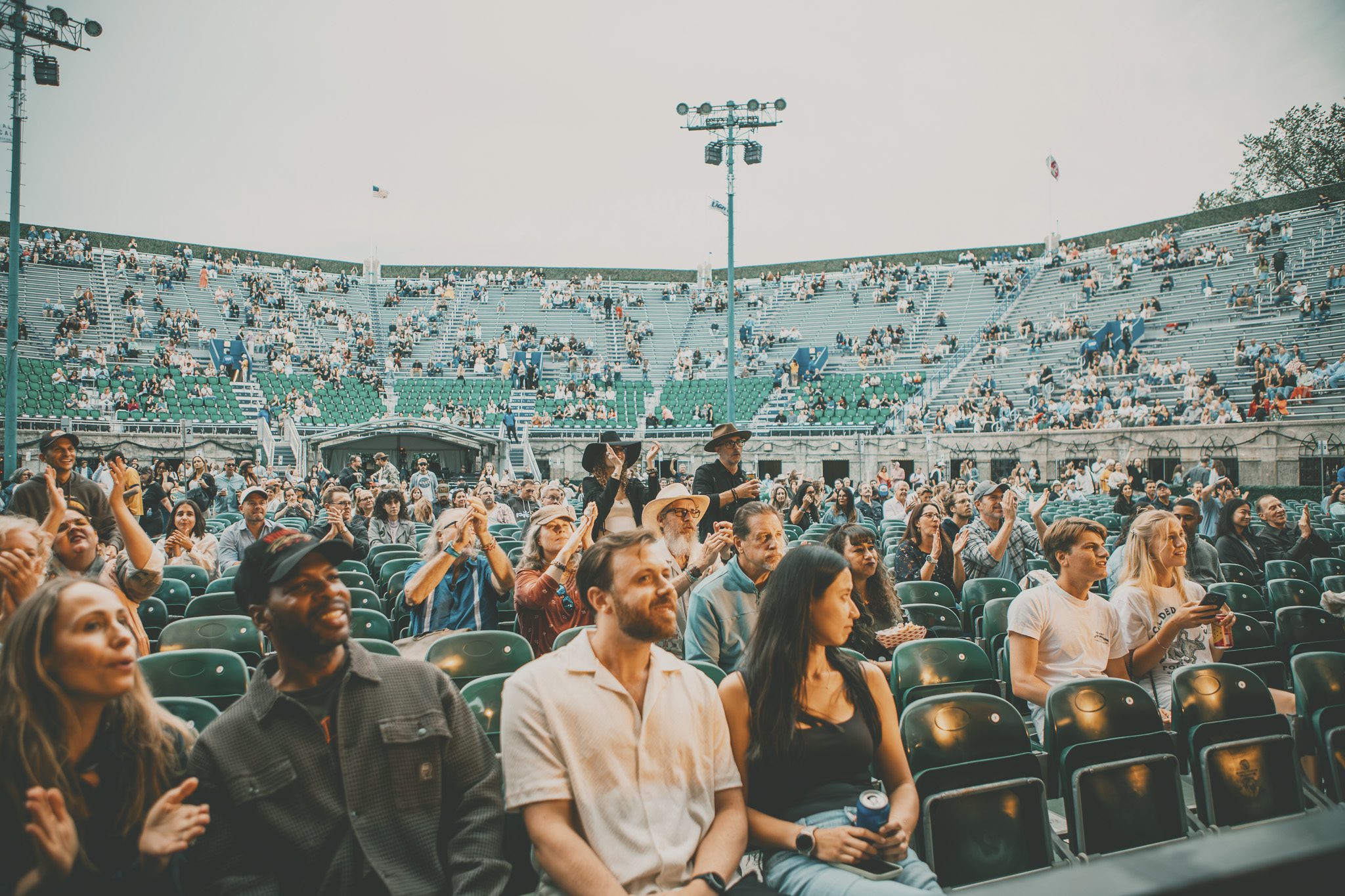
To step into Forest Hills Stadium is to step through a secret door. The Tudor revival architecture leans over narrow, winding streets like illustrations pulled from a storybook, and suddenly the city melts away. You’re no longer in Queens, but in a dream of the American West, where cowboys tip their hats and strangers hum familiar tunes at dusk. This wasn’t just another concert. It was crossing into a parallel world, a place where Crockett and Bridges’ soundtracks painted the sky above us, where the line between music and memory blurred into one continuous reel of film.
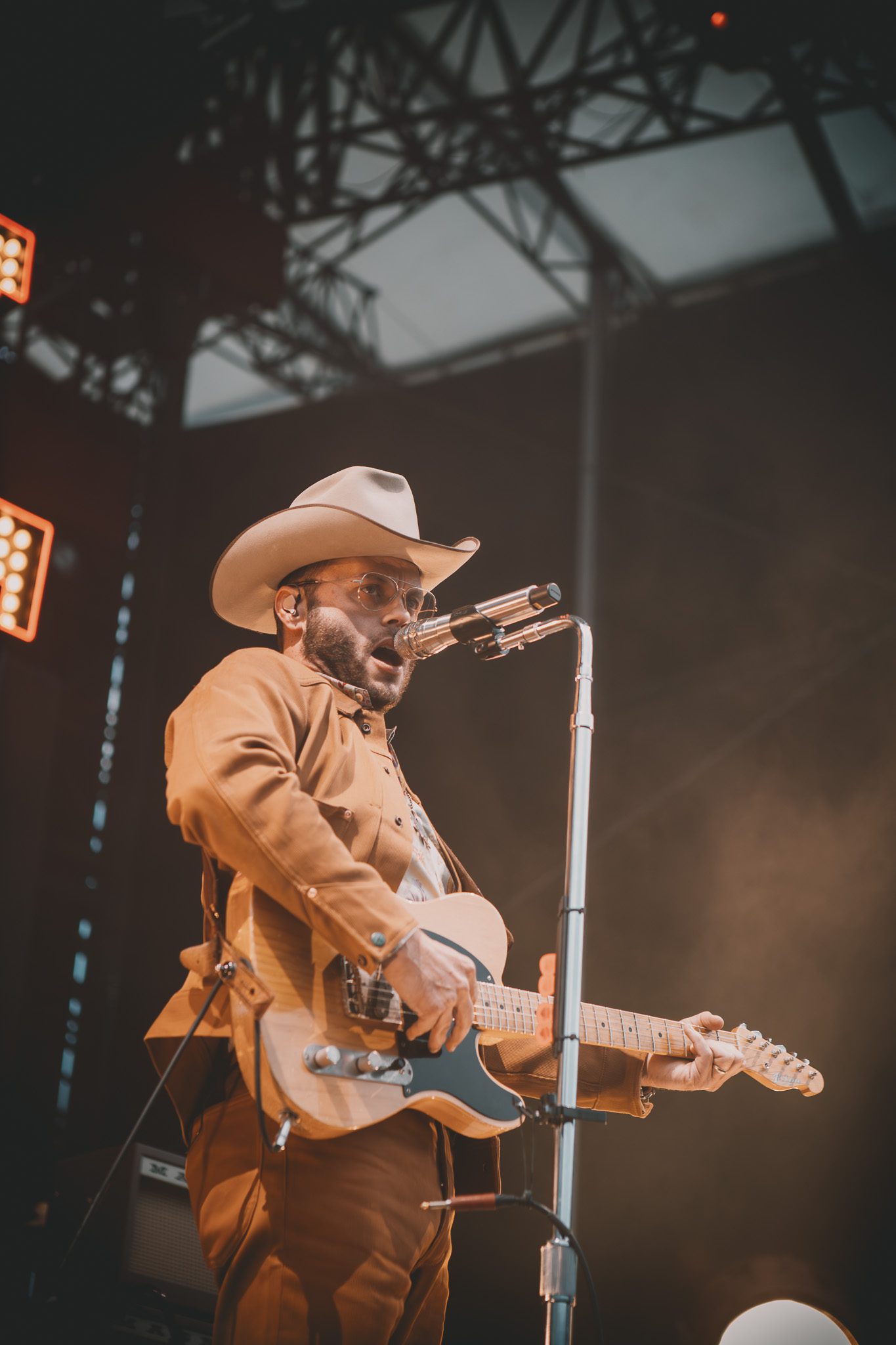
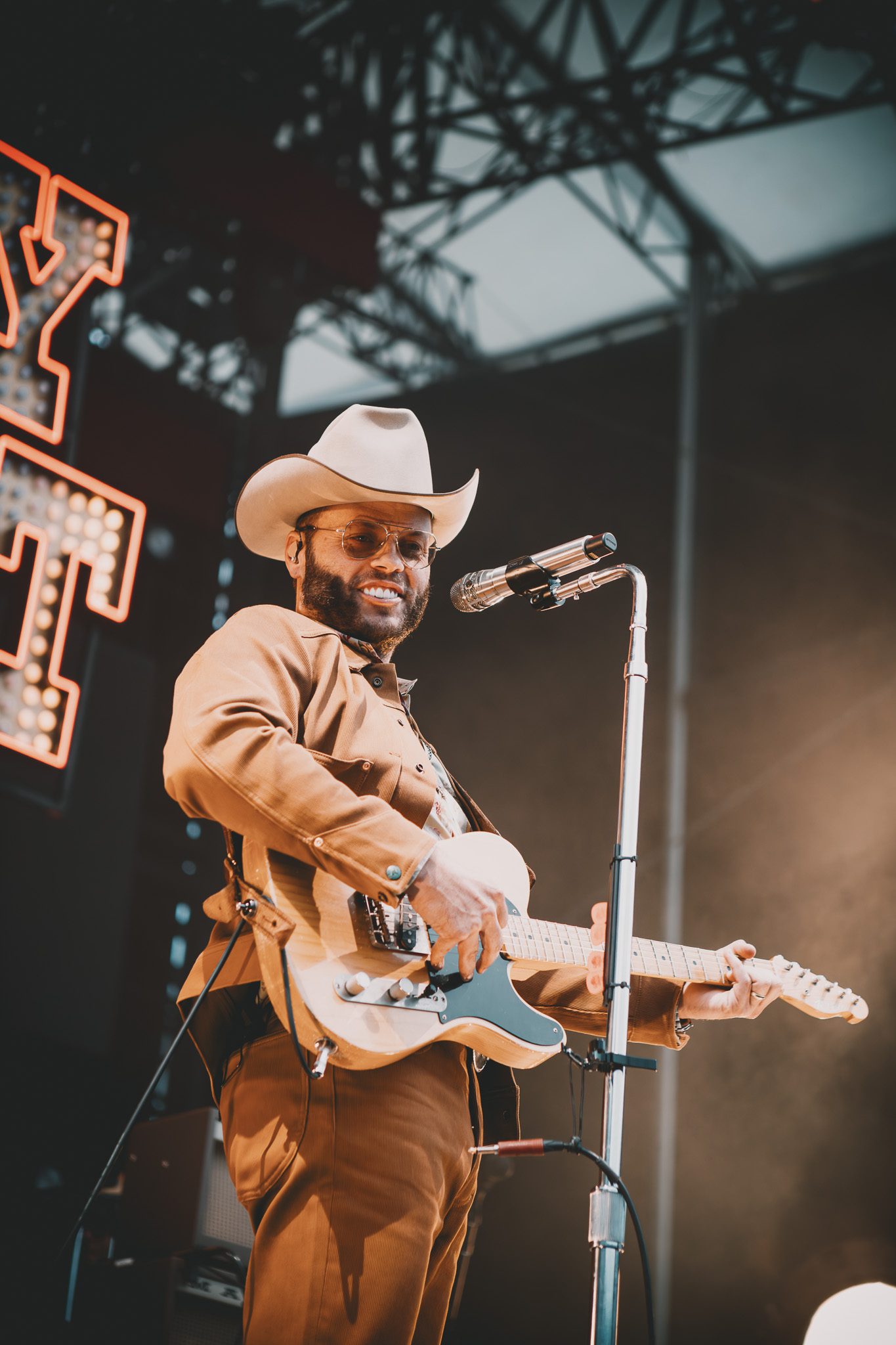
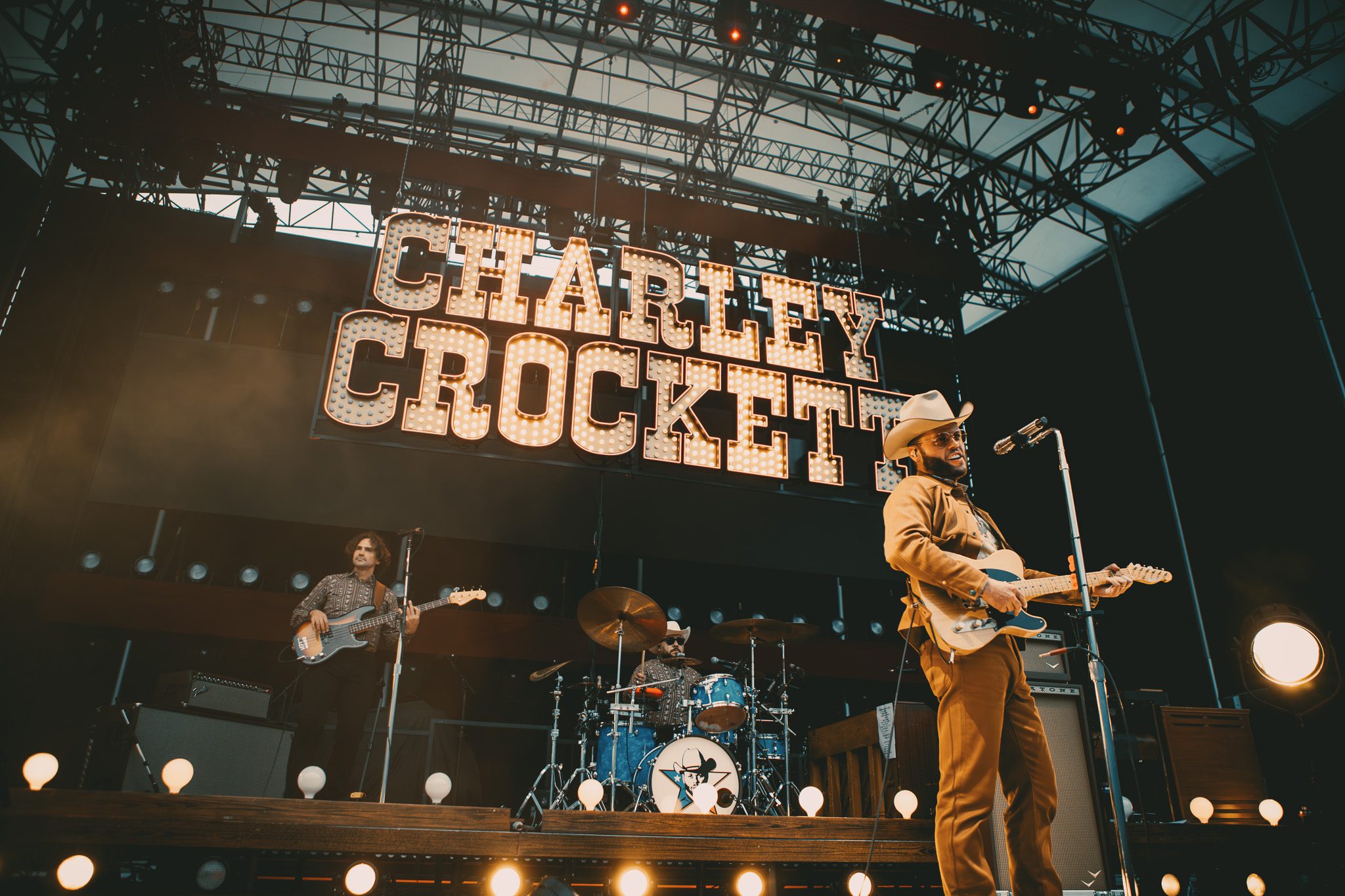
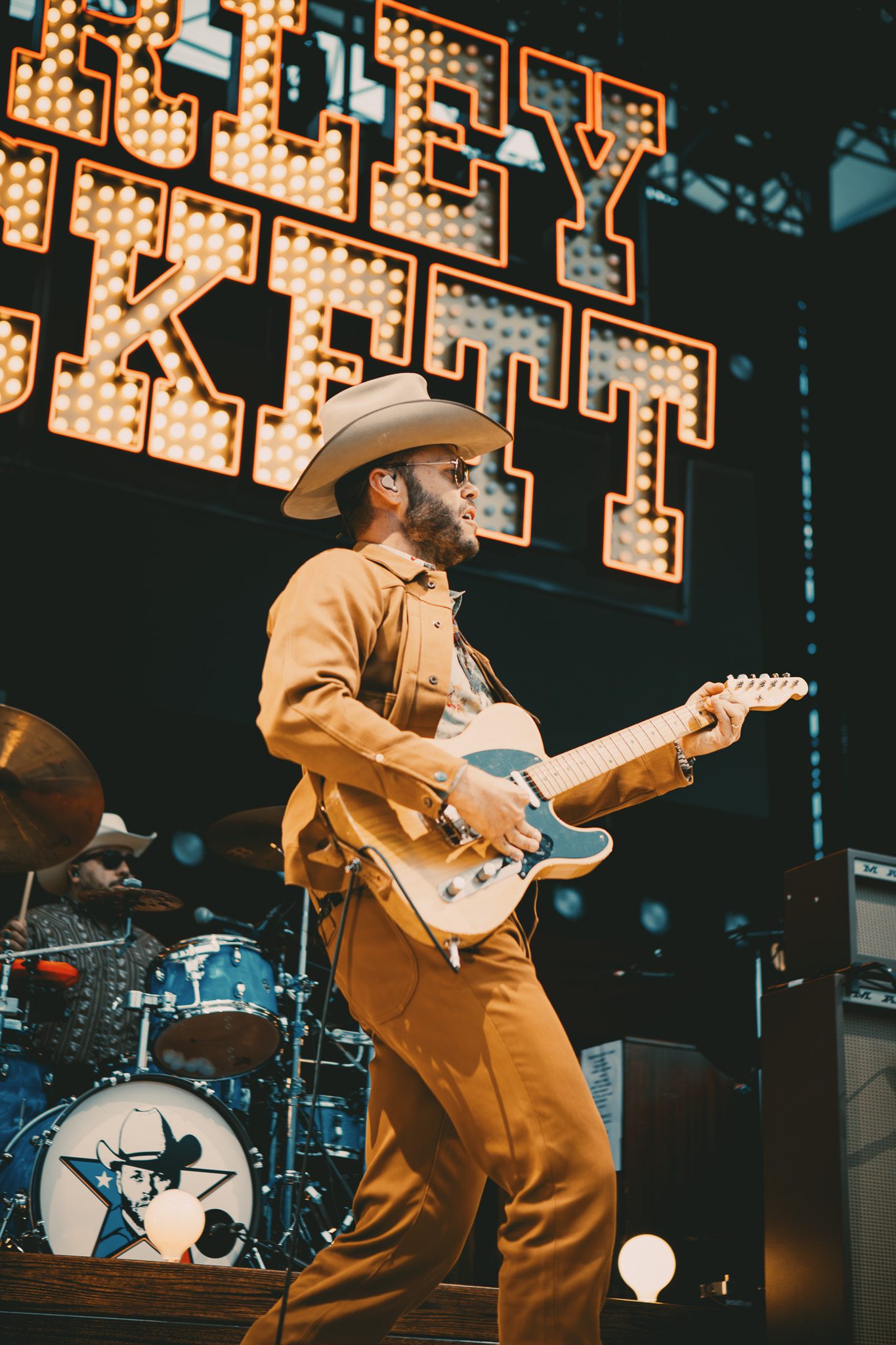
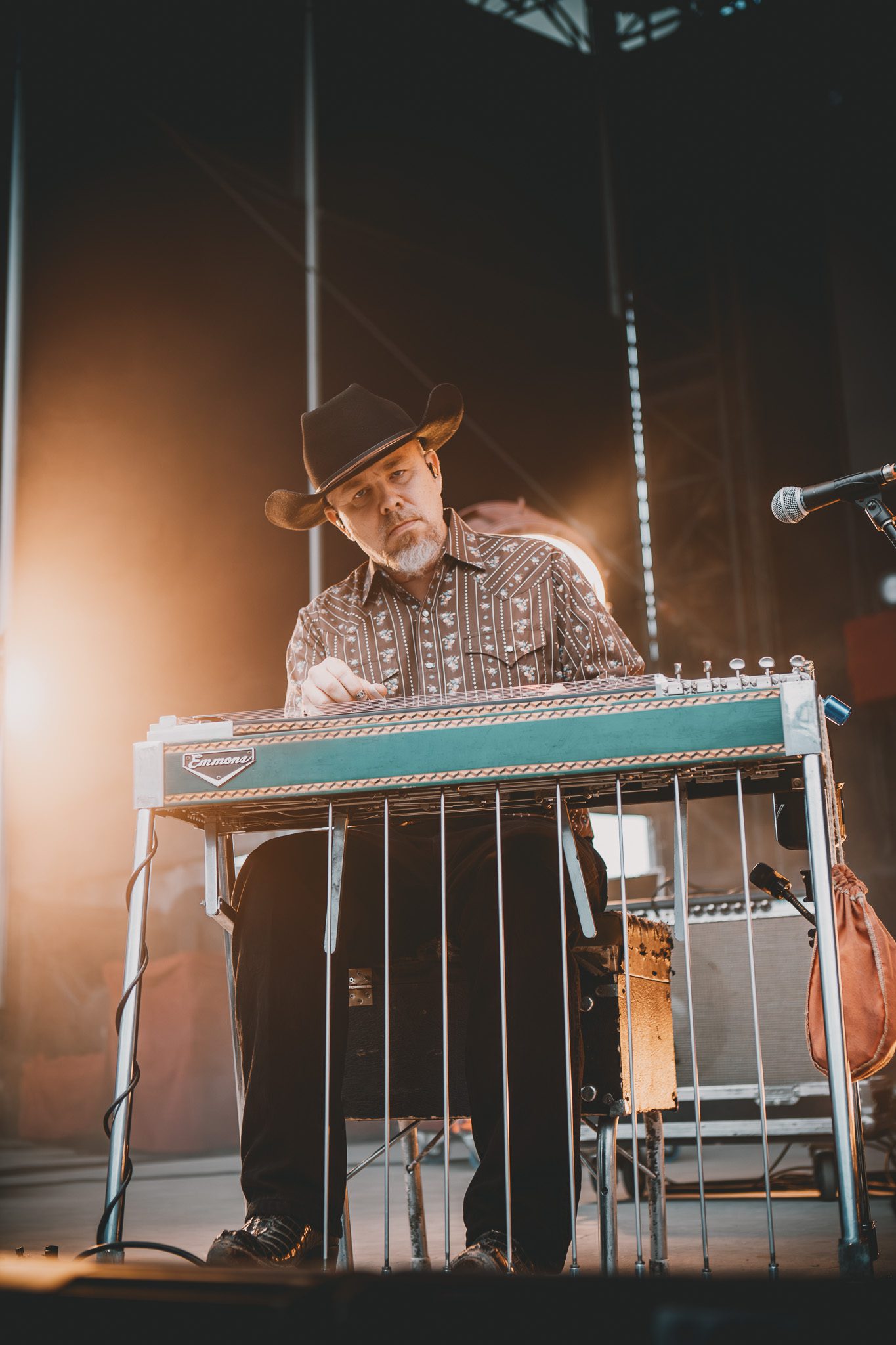
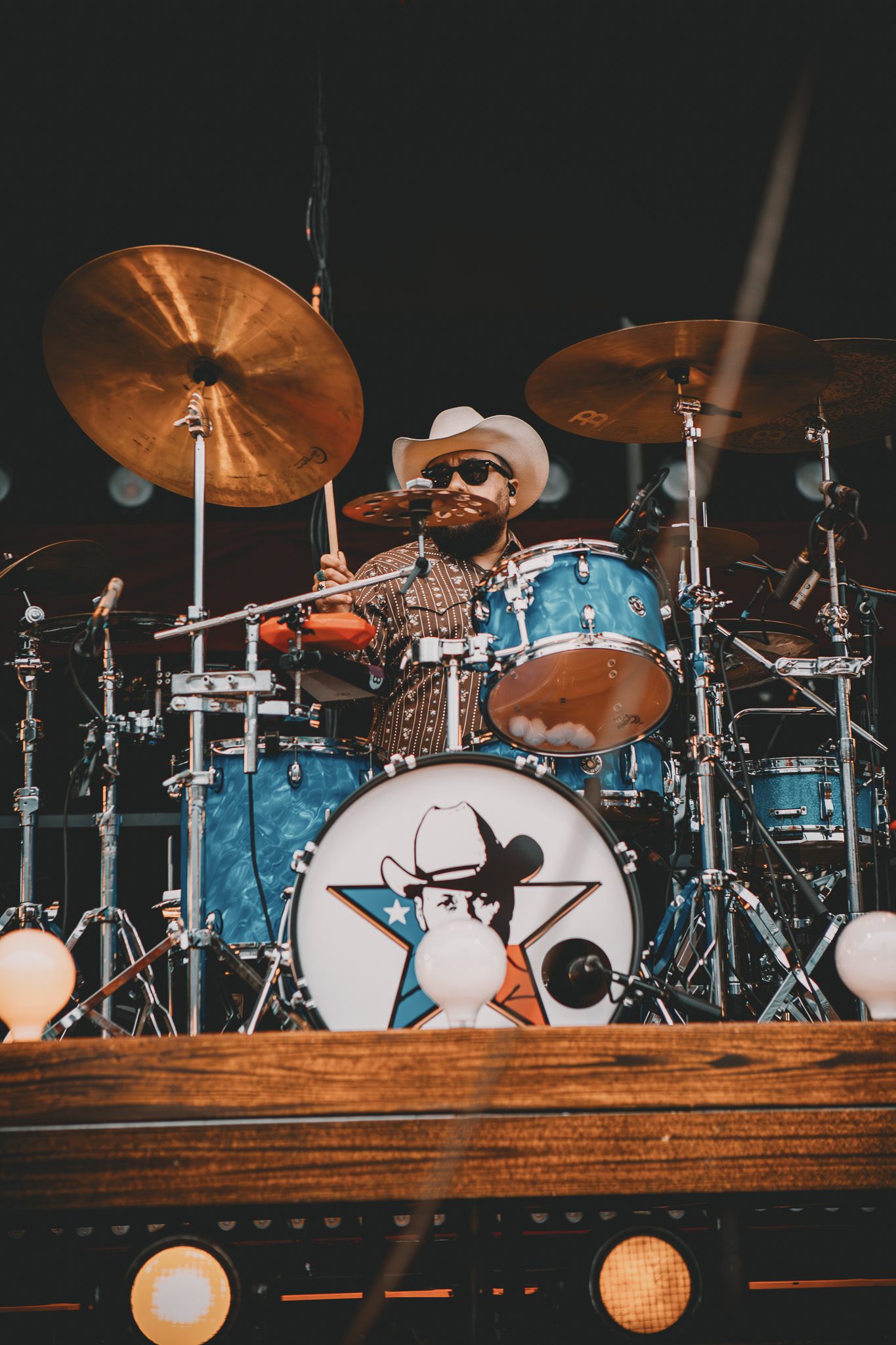
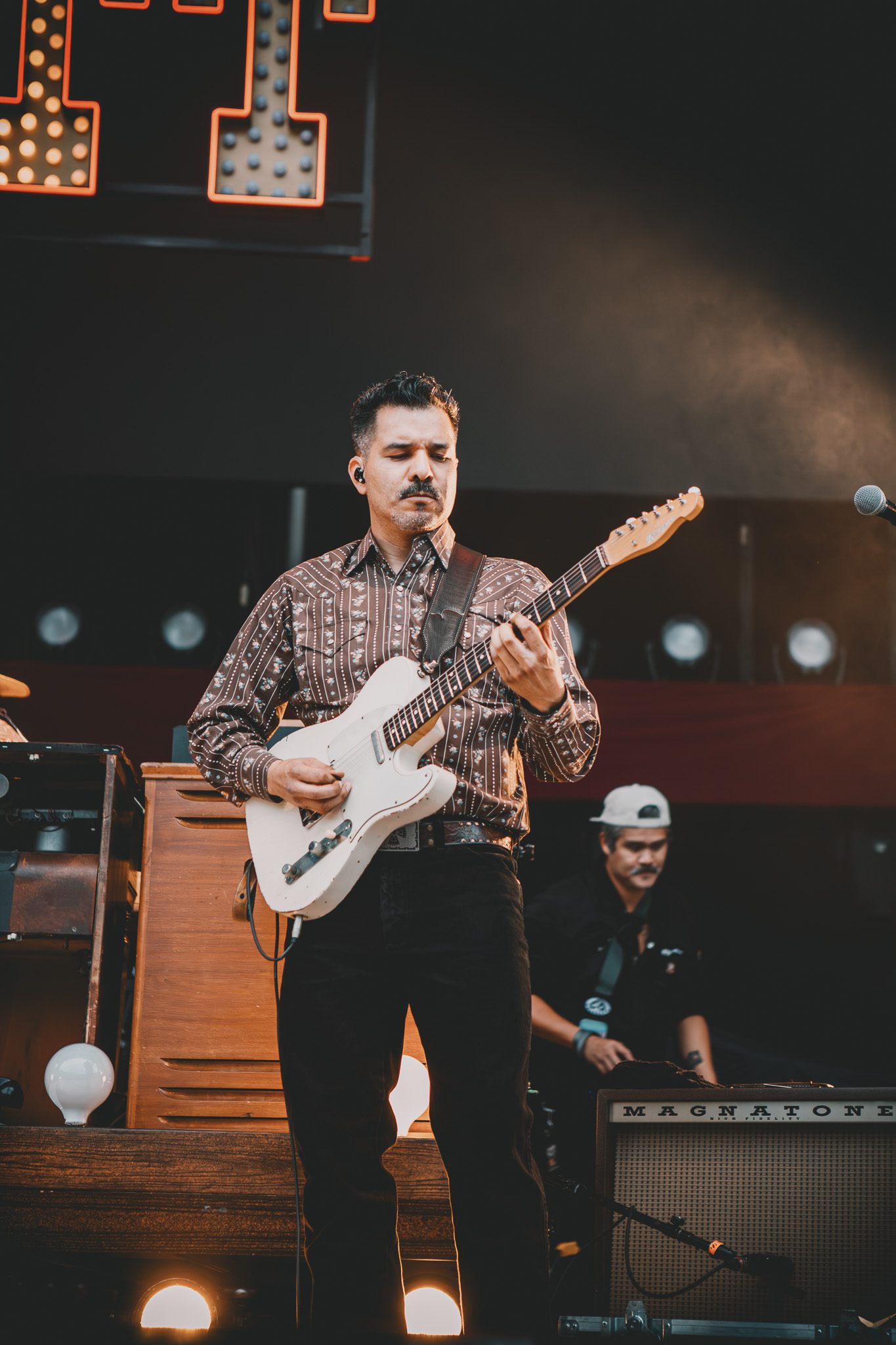
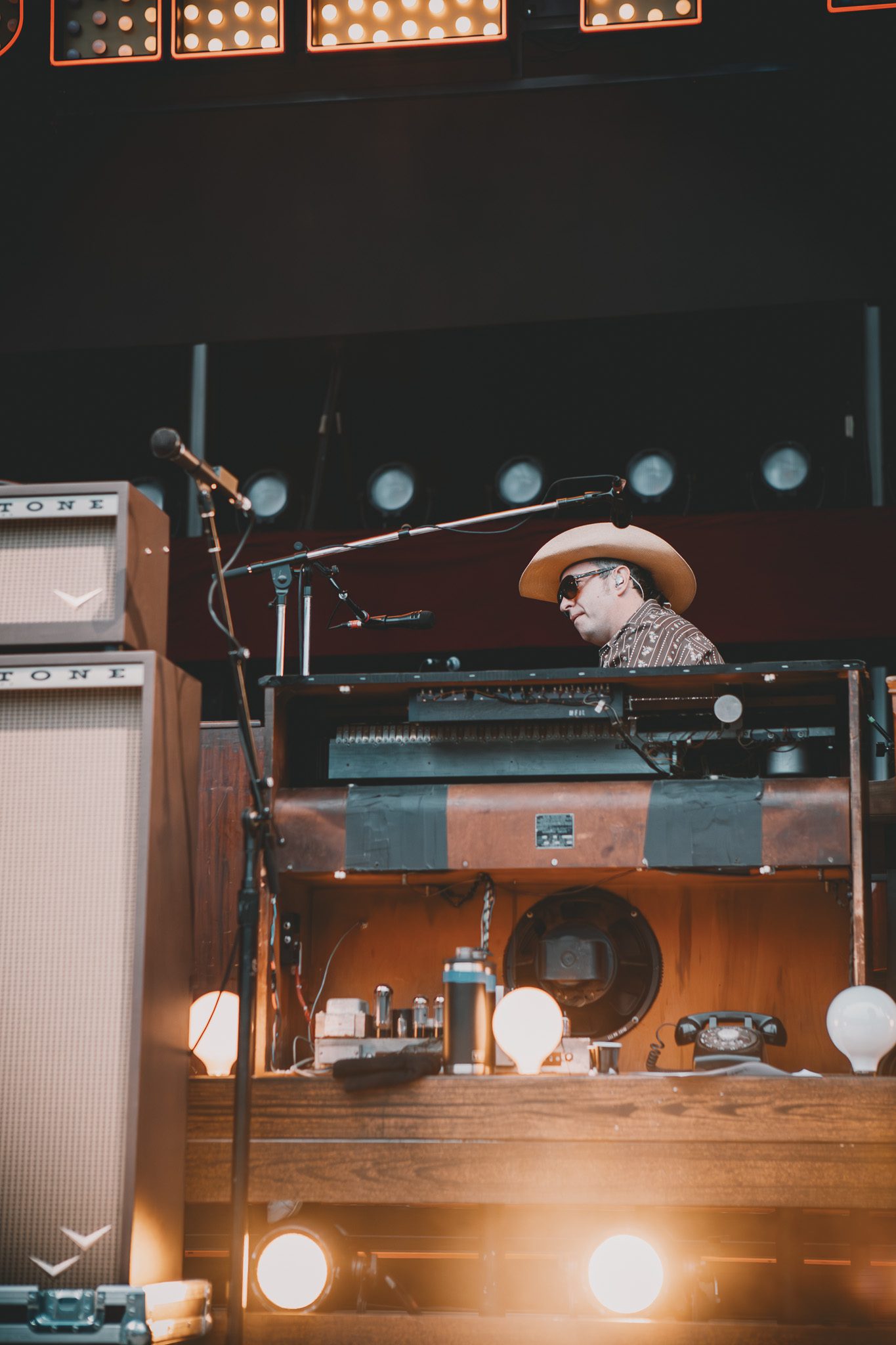
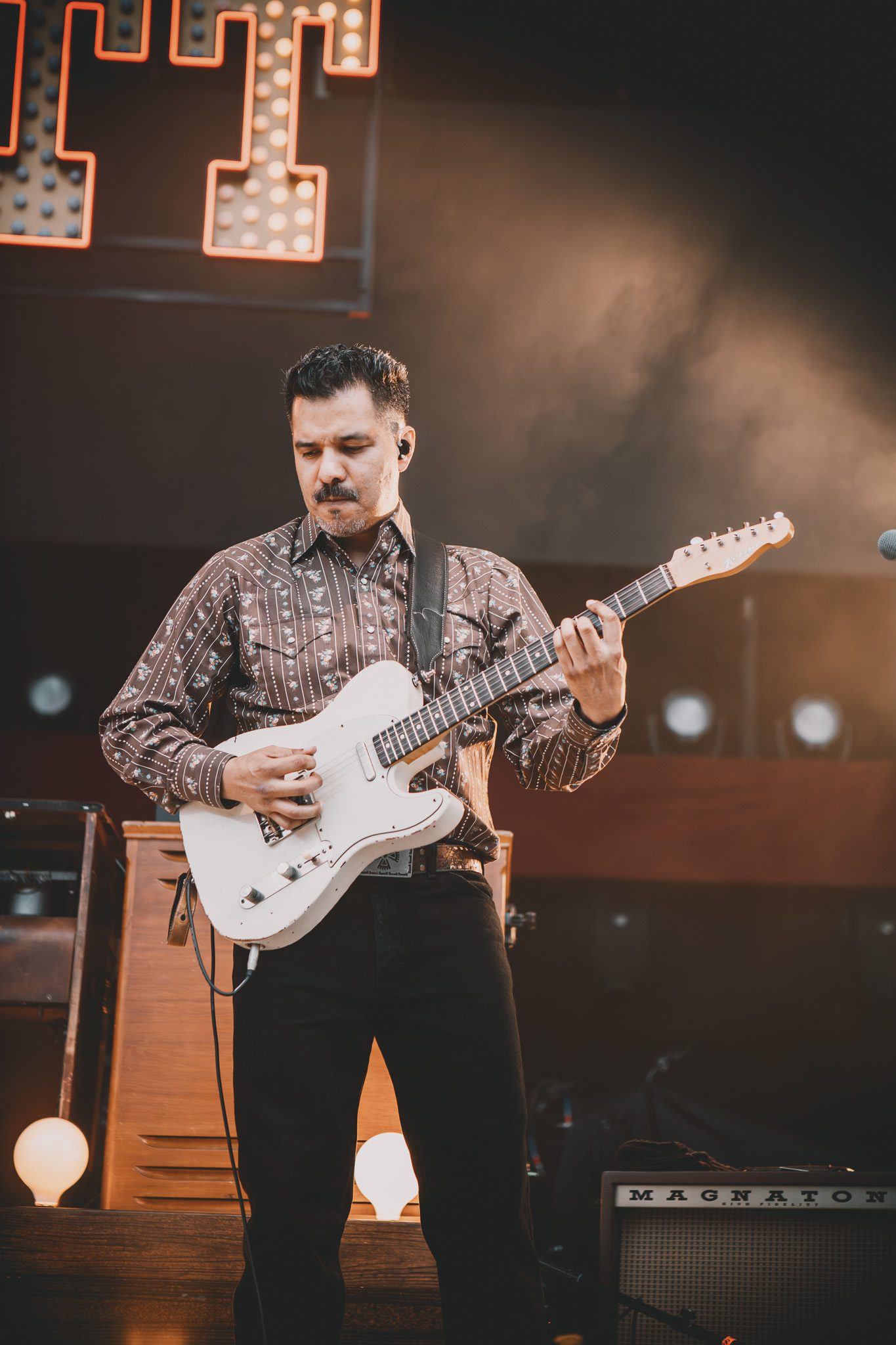
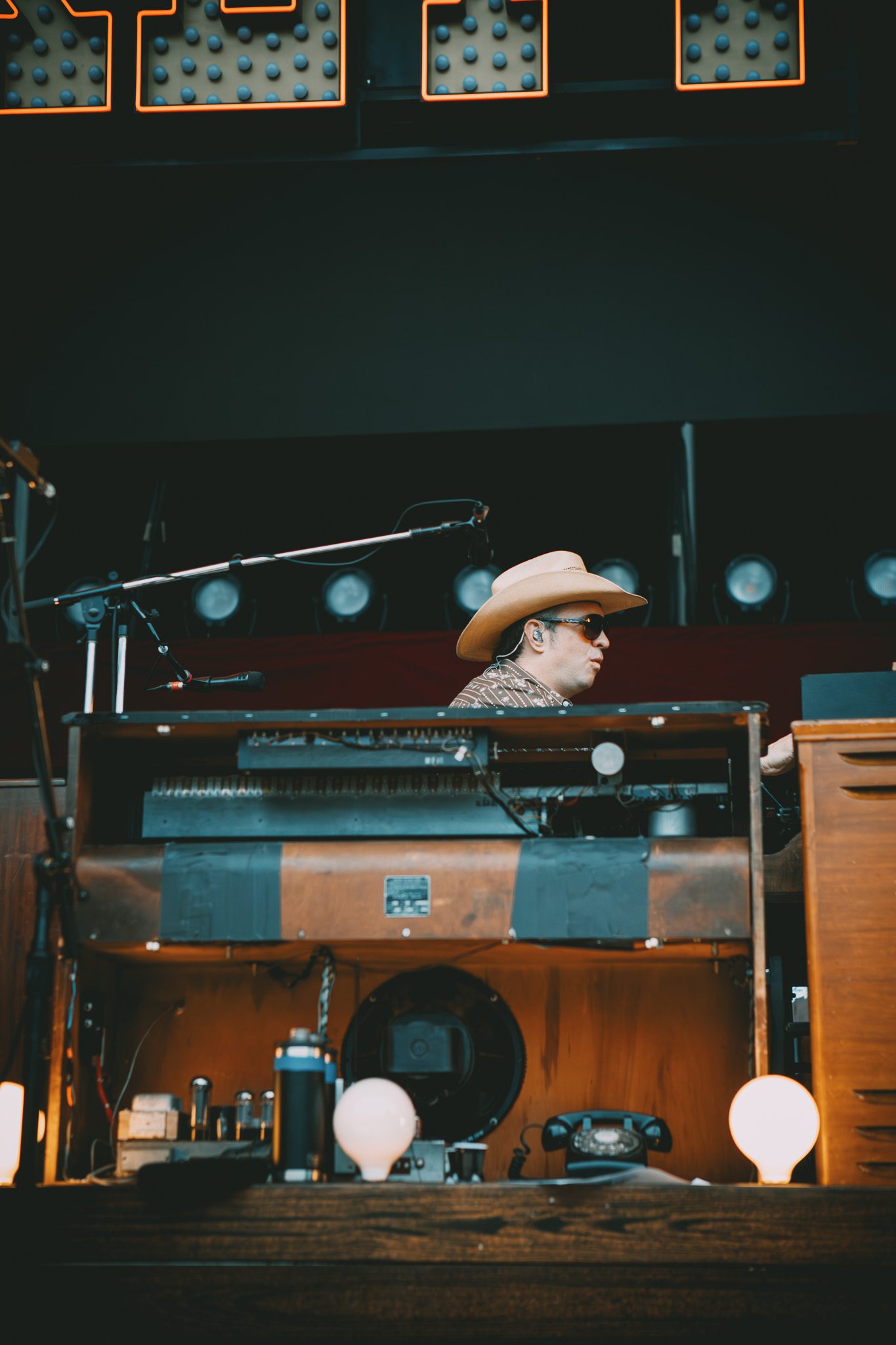
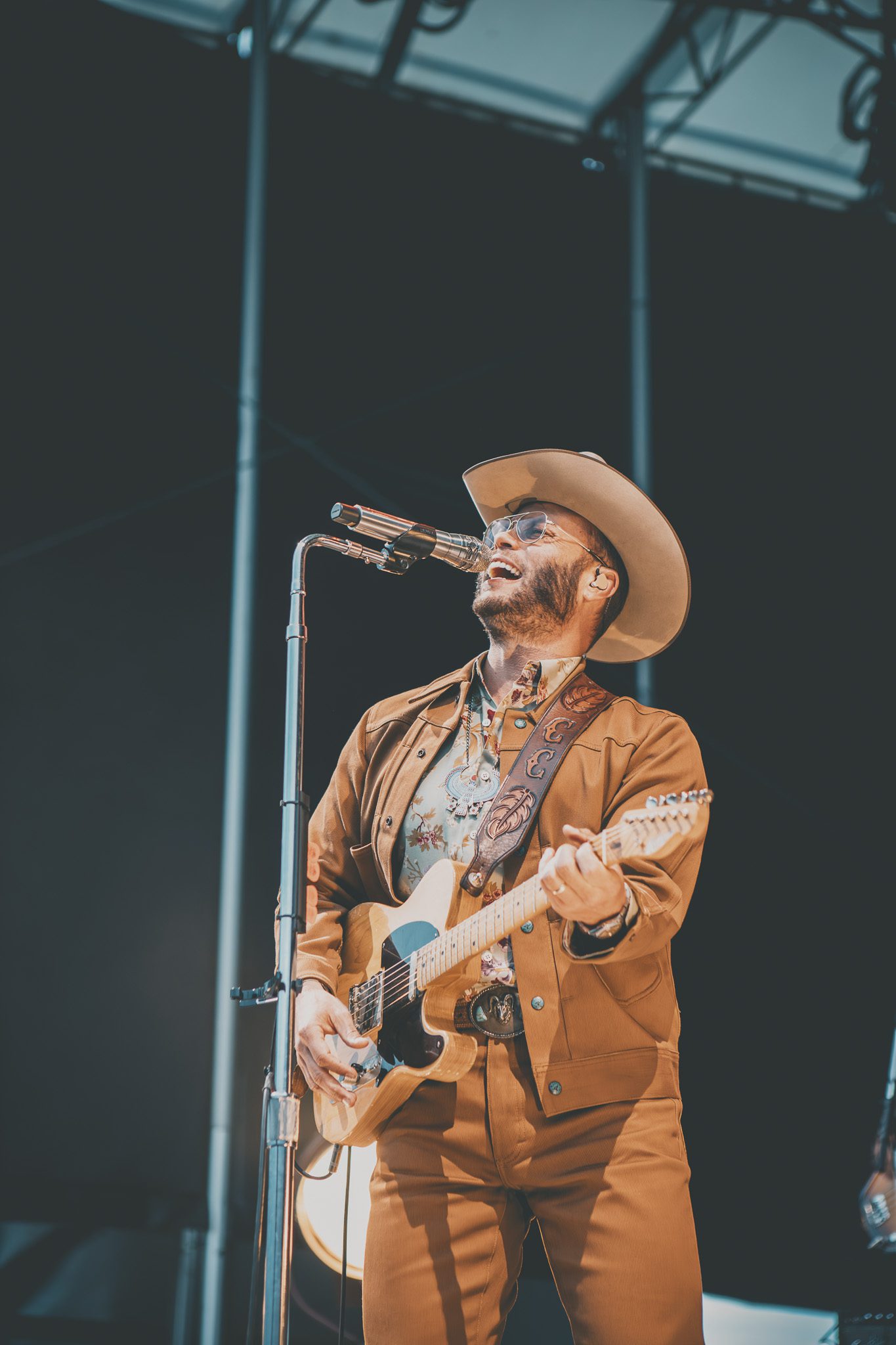
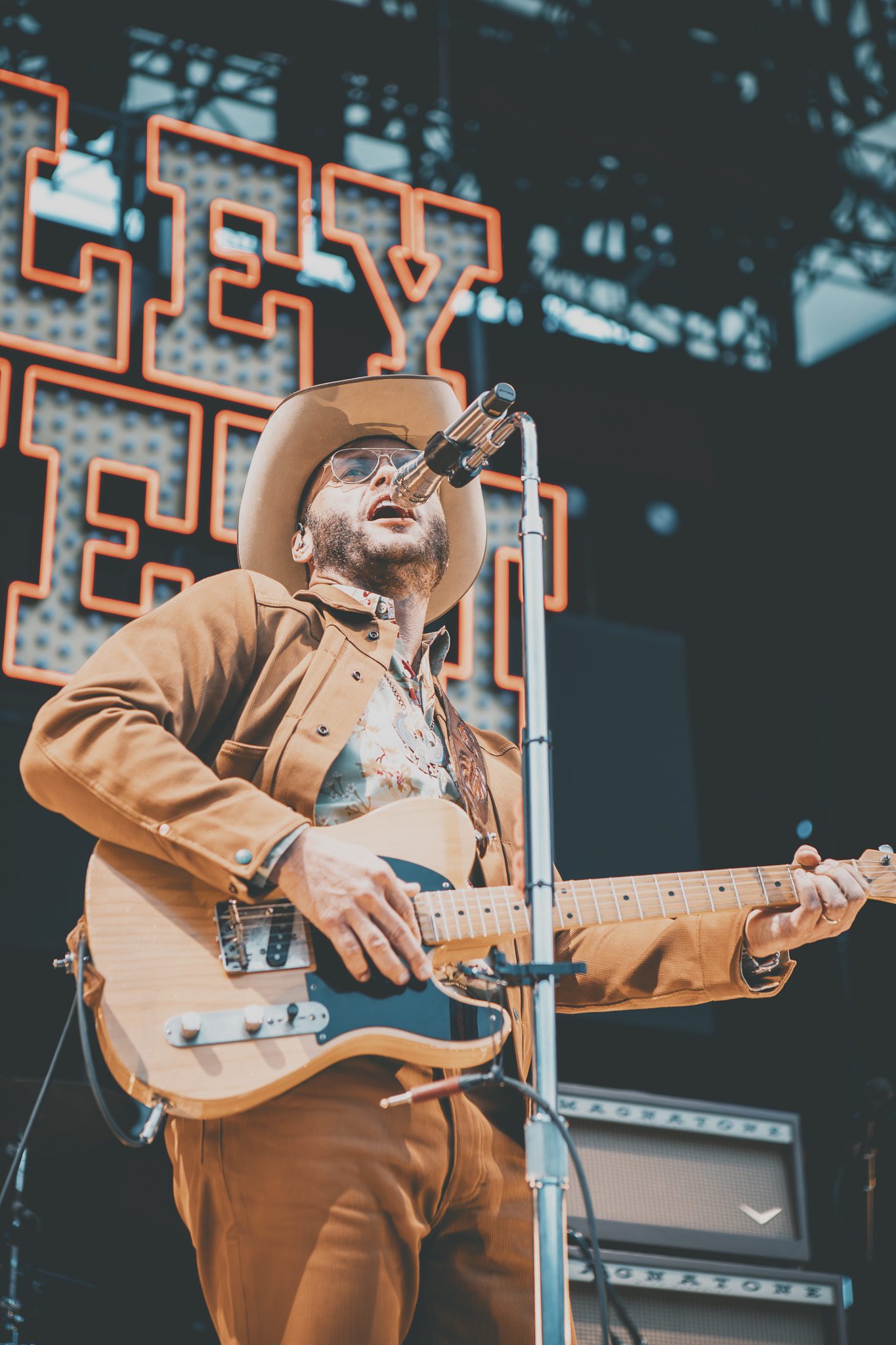
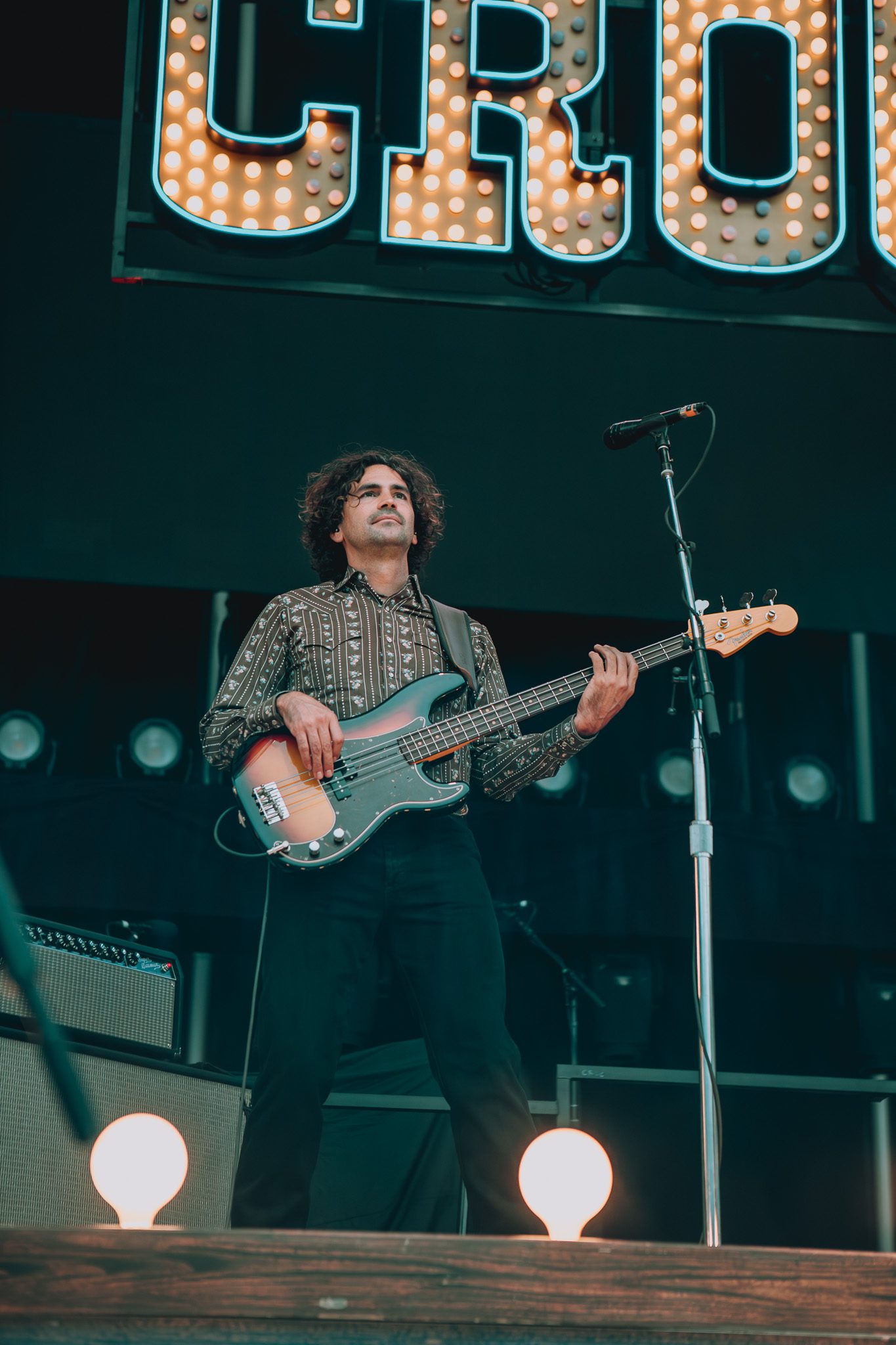
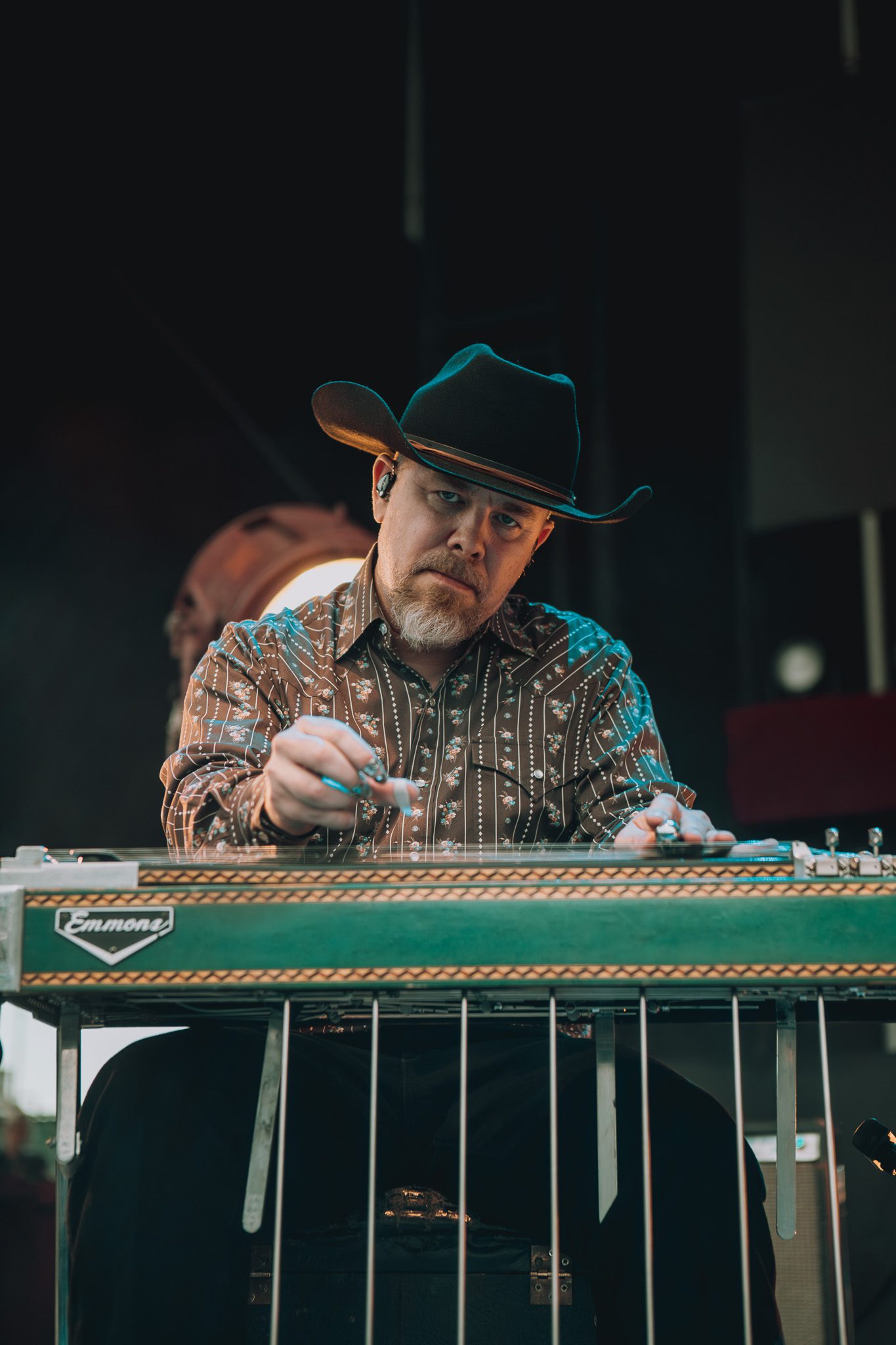
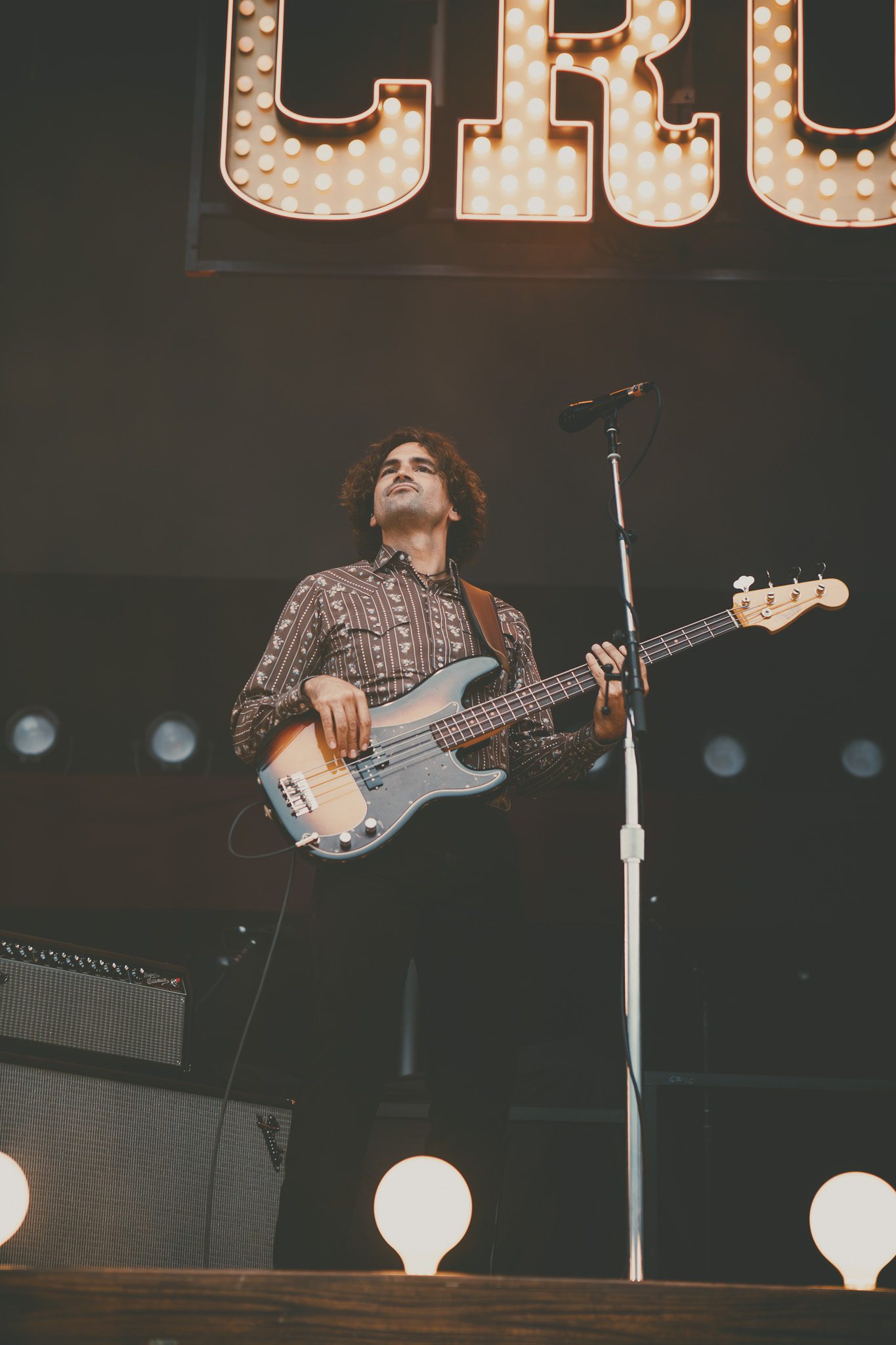
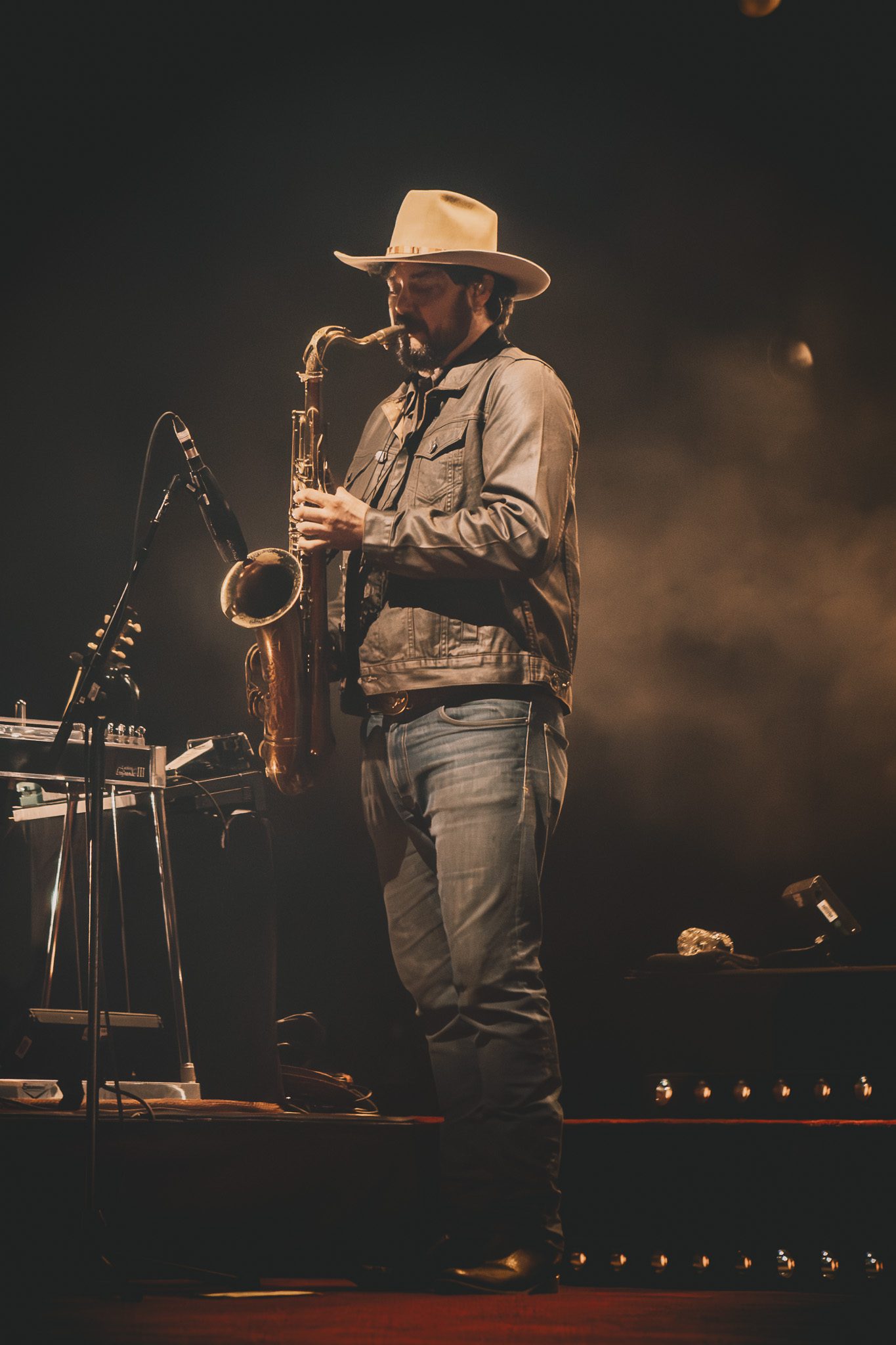
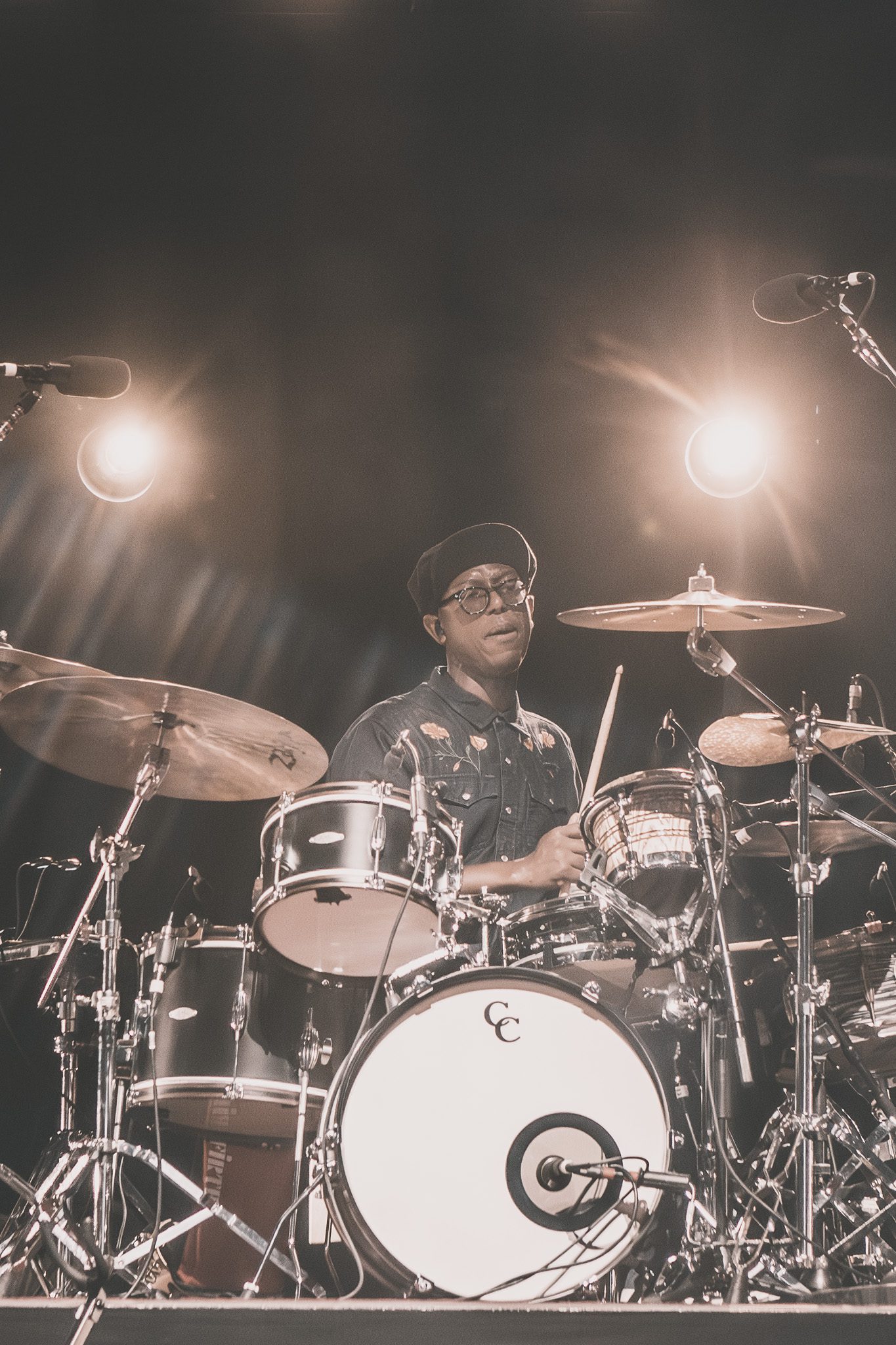
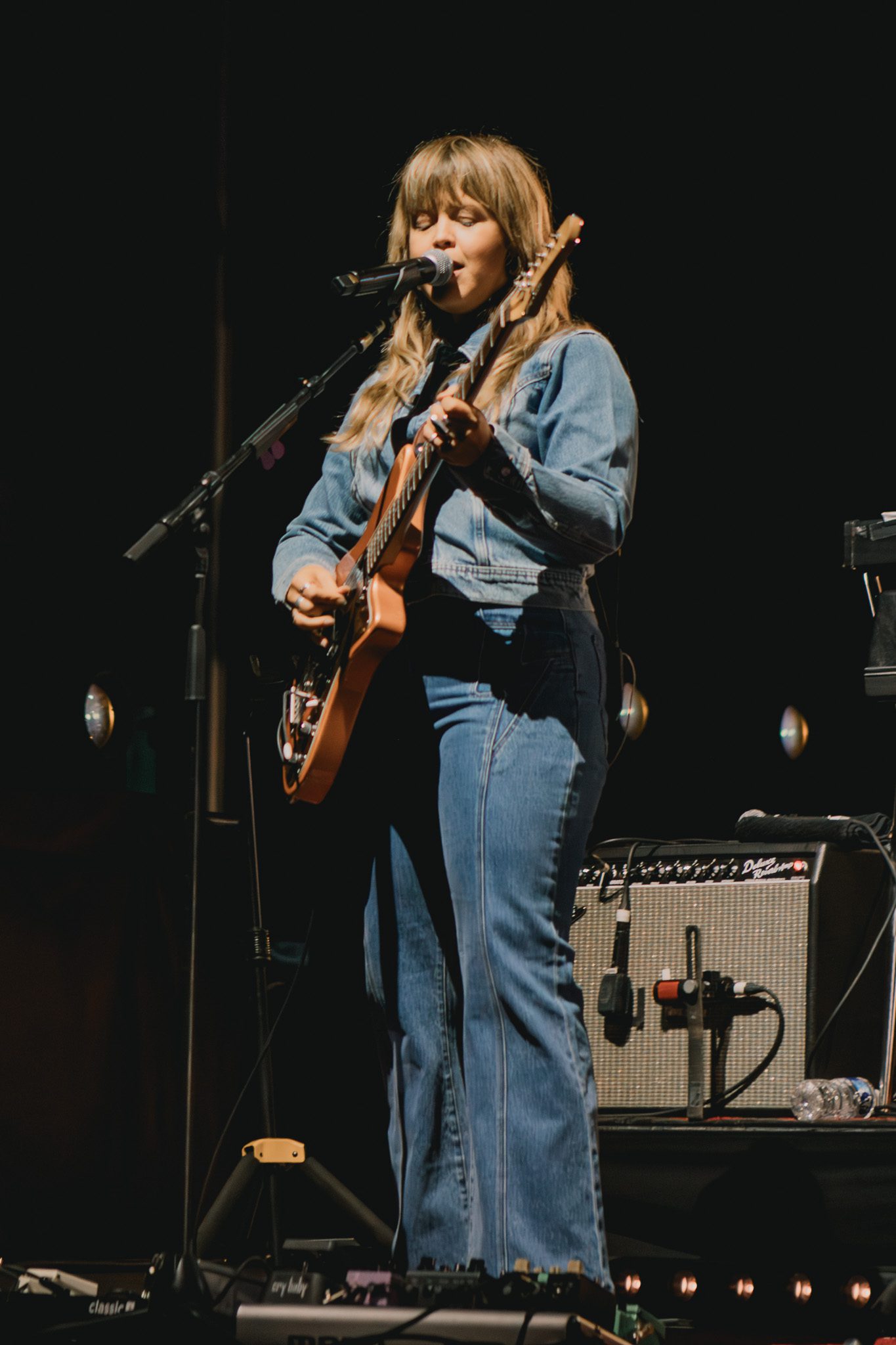
The journey to the venue was its own prelude. On the subway, the boots gave it away. Denim brushed against plastic seats, silver belt buckles glinted under florescent lights. The train itself felt like an extension of the concert, the crowd already assembled, buzzing with a quiet reverence. By the time I arrived, the opener had already come and gone, and the stadium was only half-full. Yet when Charley Crockett walked out beneath the lantern glow, it felt like stepping into a sanctuary. The crowd swayed with a two-step that complemented the steel guitar, voices meeting his with the urgency of prayer.
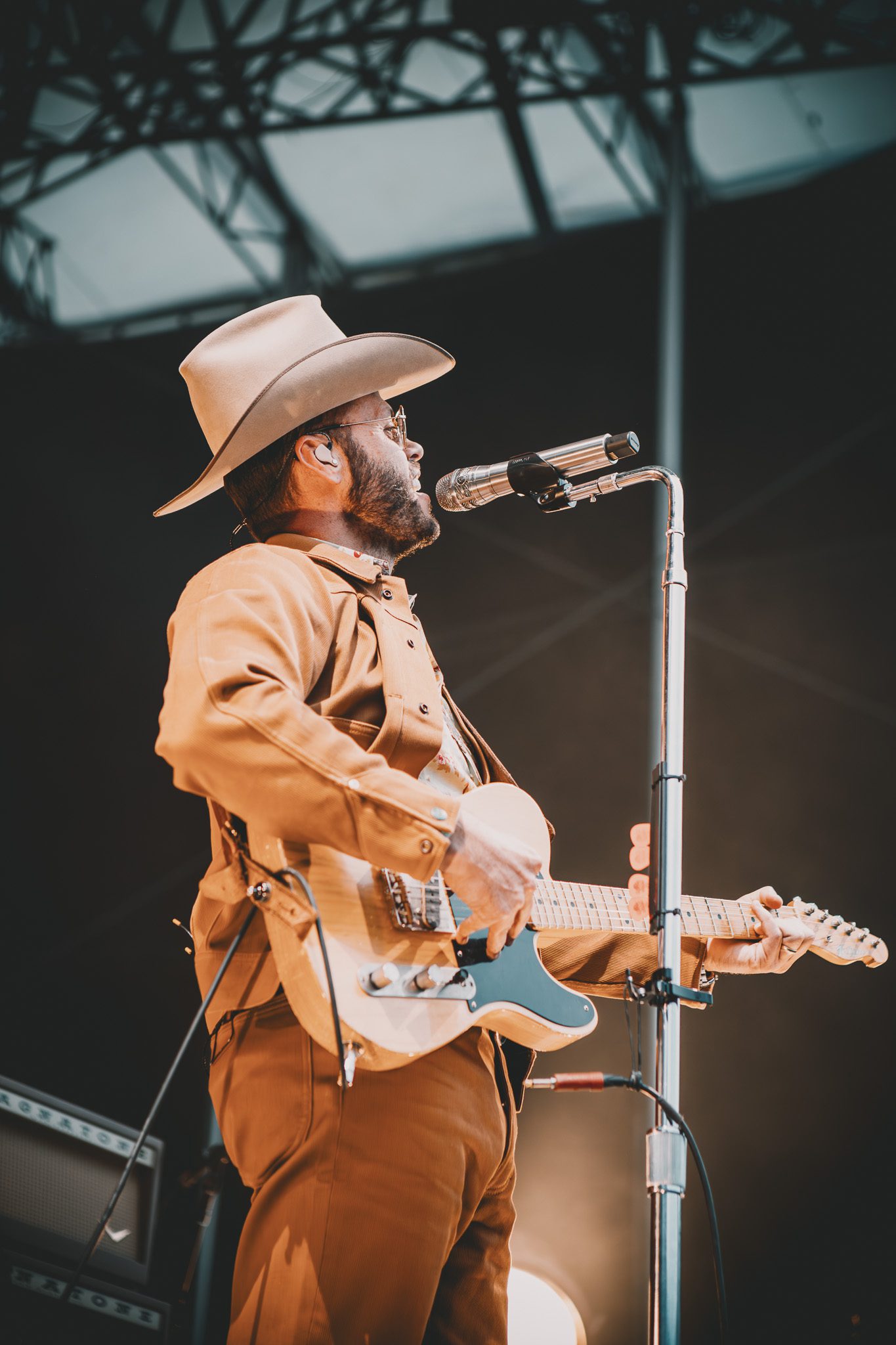
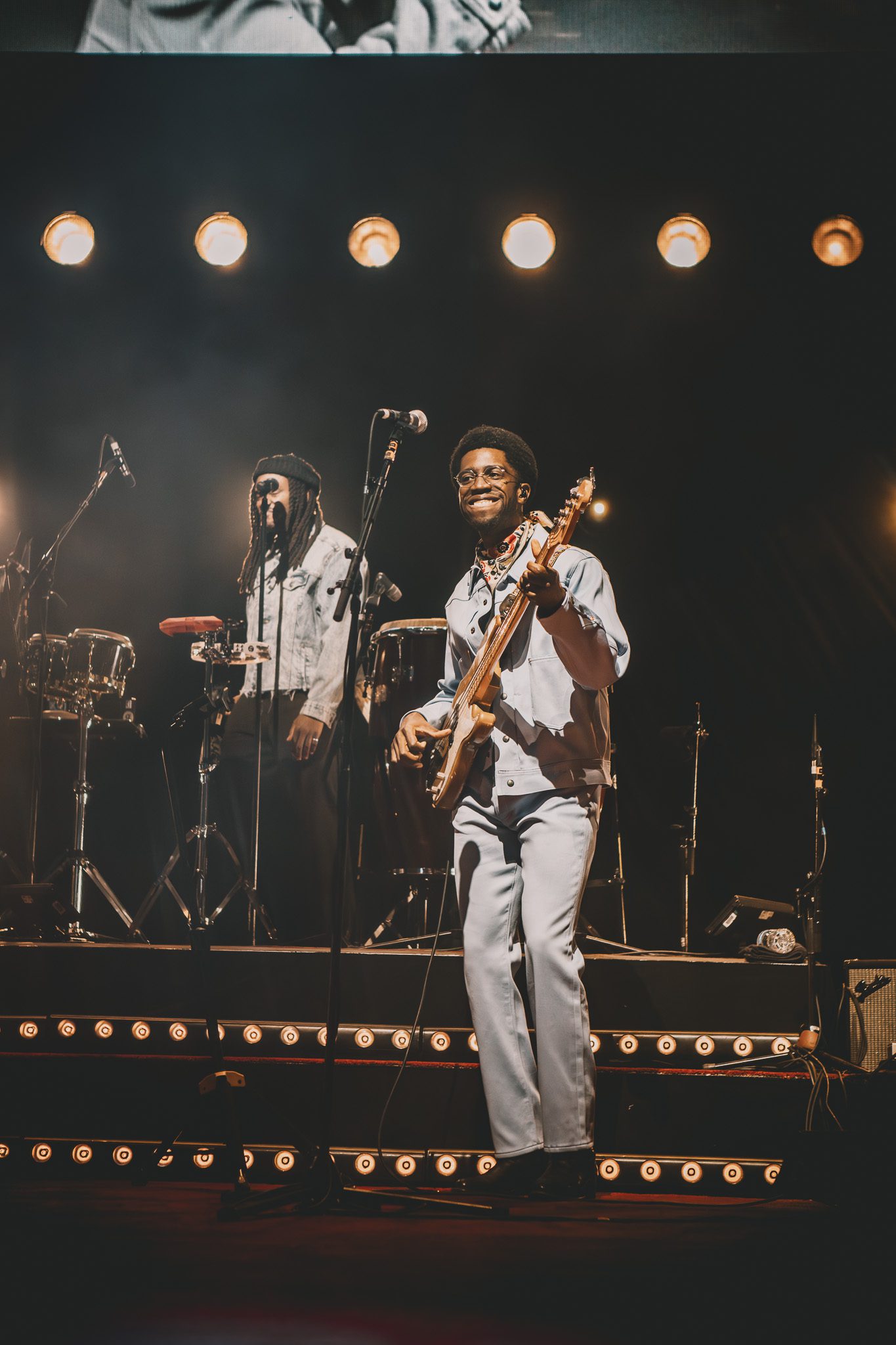
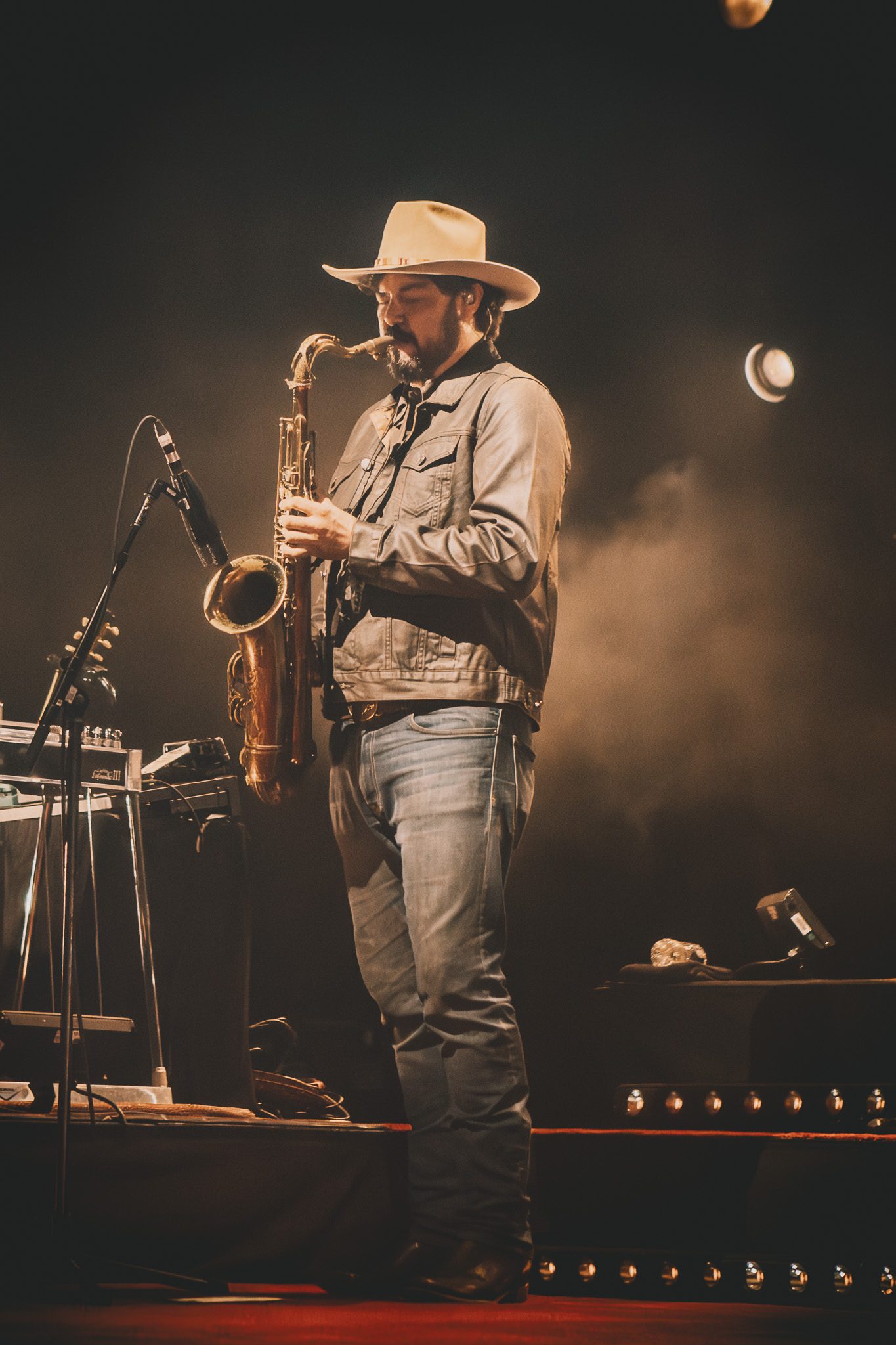
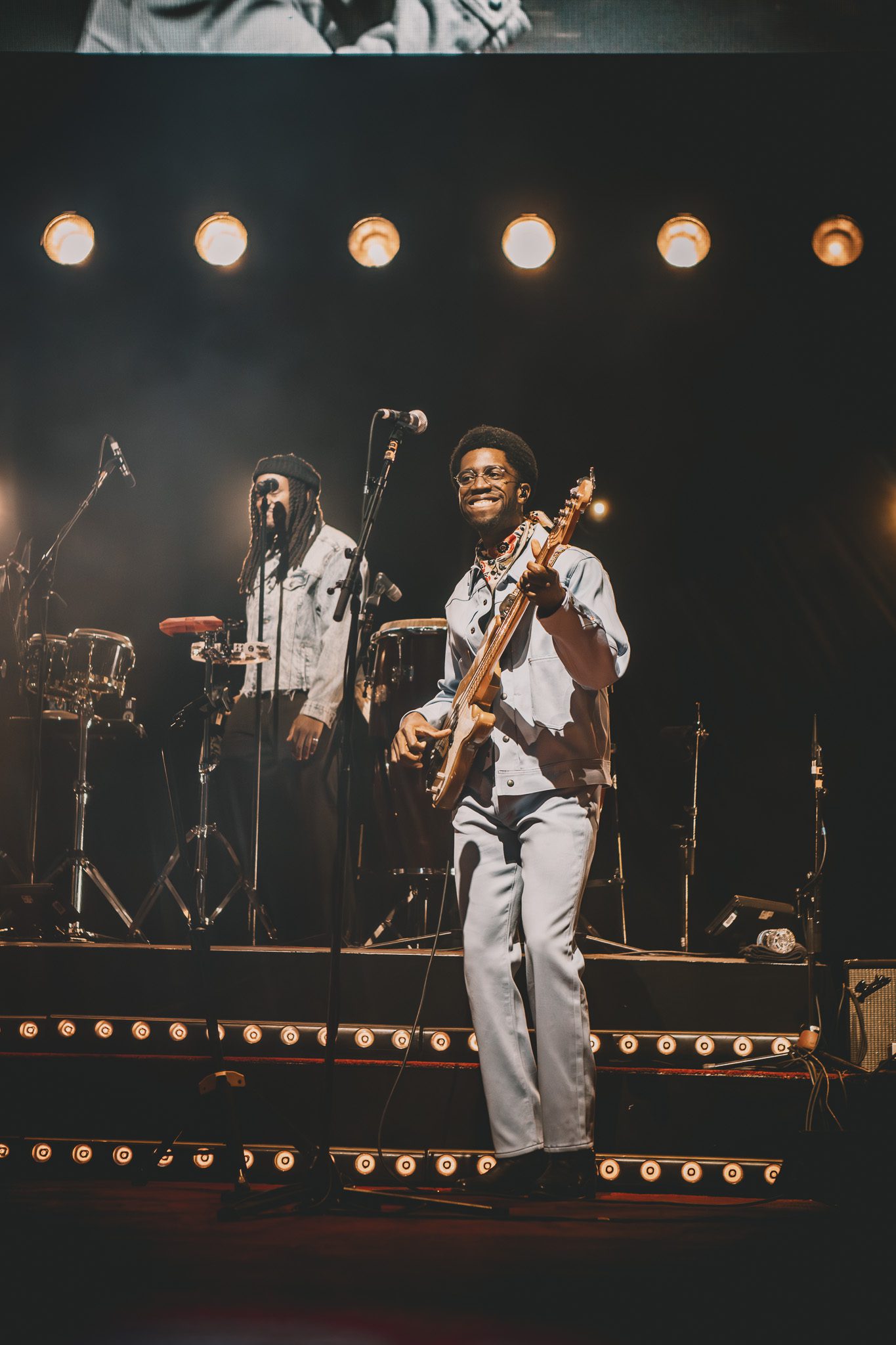
Crockett’s stage presence is not something you simply watch, it’s near impossible to not be nourished by his charisma and shimmy with it. His setlists are less performances in front of crowds than campfire gatherings with old friends you’ve lost in the chaos – a moment where time just seems to stand still, each lyric drifts up like smoke and the voice of it warms you like the flame. He doesn’t just play guitar, drifting between blues and country twang; he tells stories that breathe life through his bandmates, his smile, the way he tips his hat at the crowd as if to say, “this is ours, not mine.” At festivals, I’d seen him pressed into short sets, like rushed bedtime stories quickly put to rest. Here, he stretched out, unspooling his narratives across an hour, and the songs blossomed with charm. He reminded us of his time busking in Central Park, how ten dollars once meant ten slices of pizza, the way Nashville questioned his identity, and suddenly the whole stadium felt like an extended family, cheering for a son who’d made it home. By the end, the stands were packed and exuberant, the audience chanting for more – a rare night where both headliners meshed together, both carrying the same weight, the same passion.
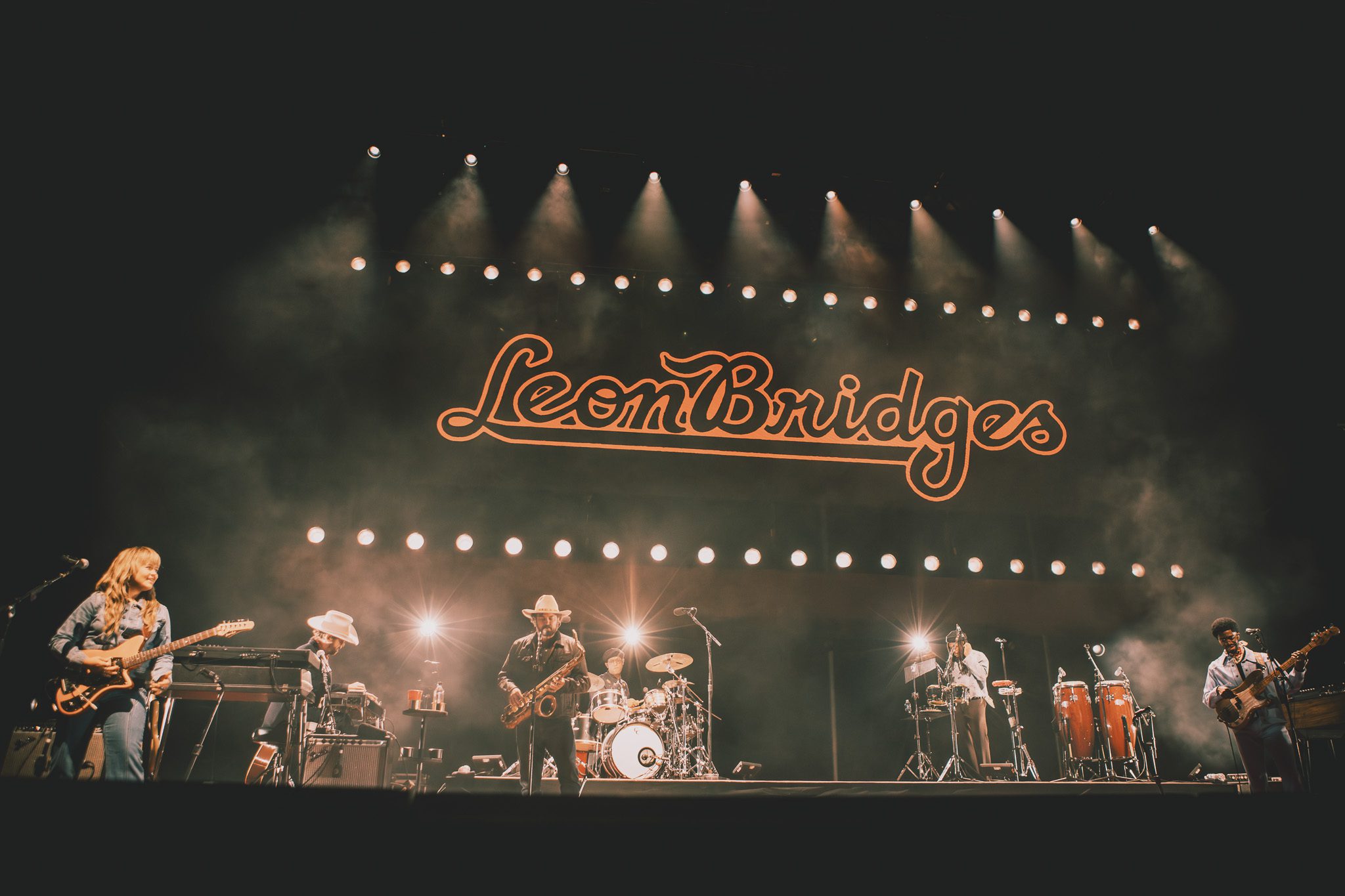
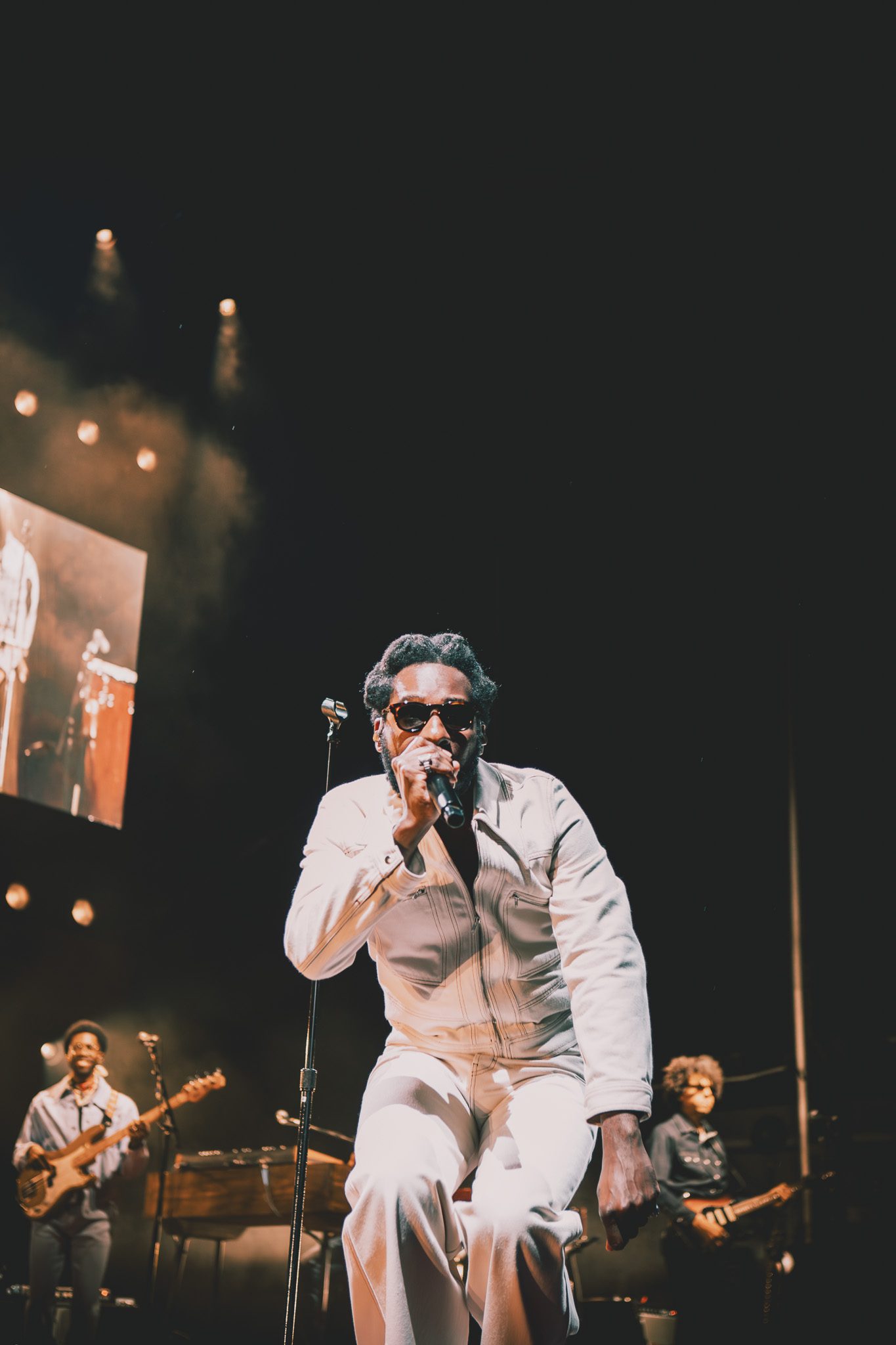
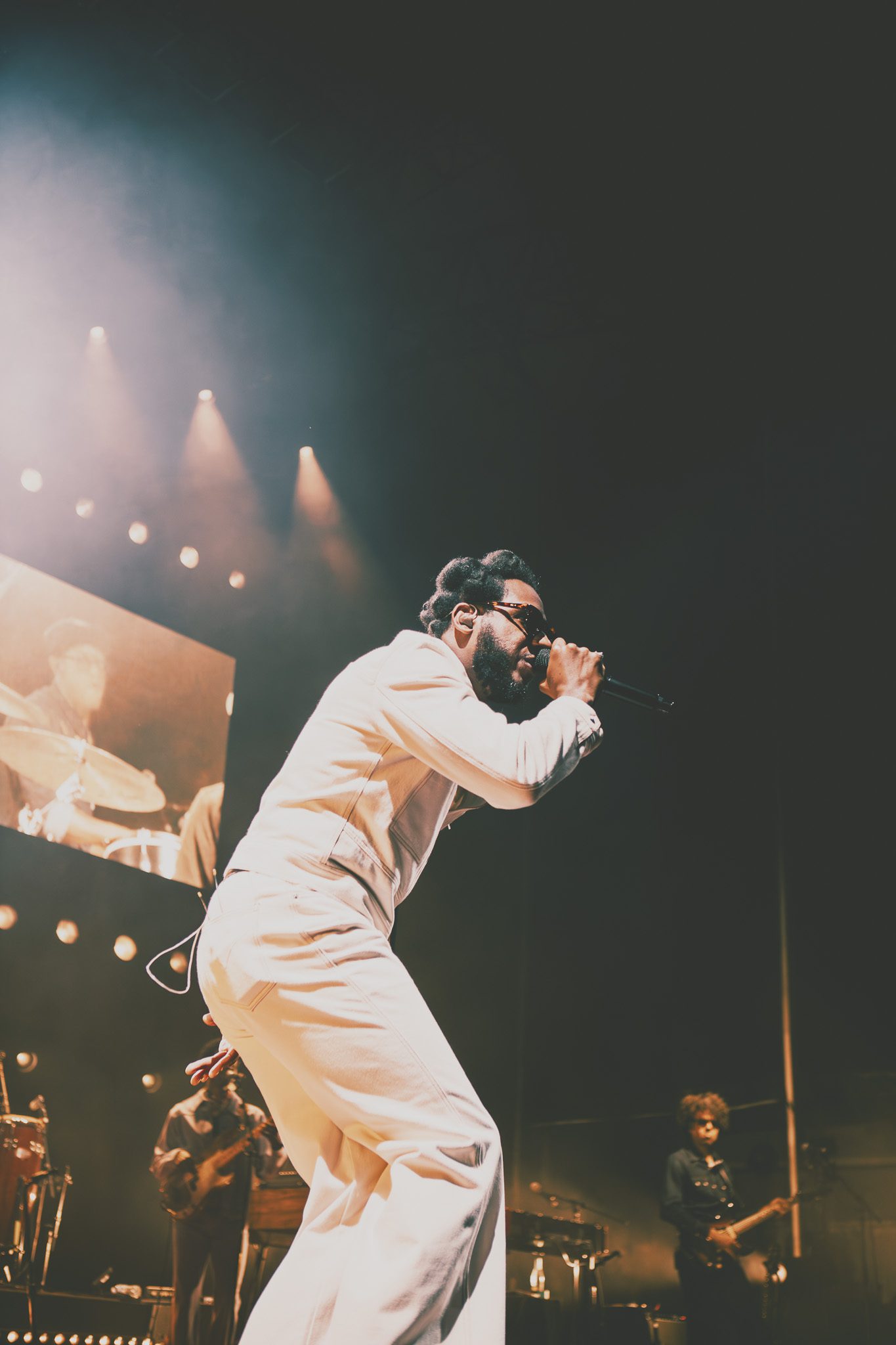
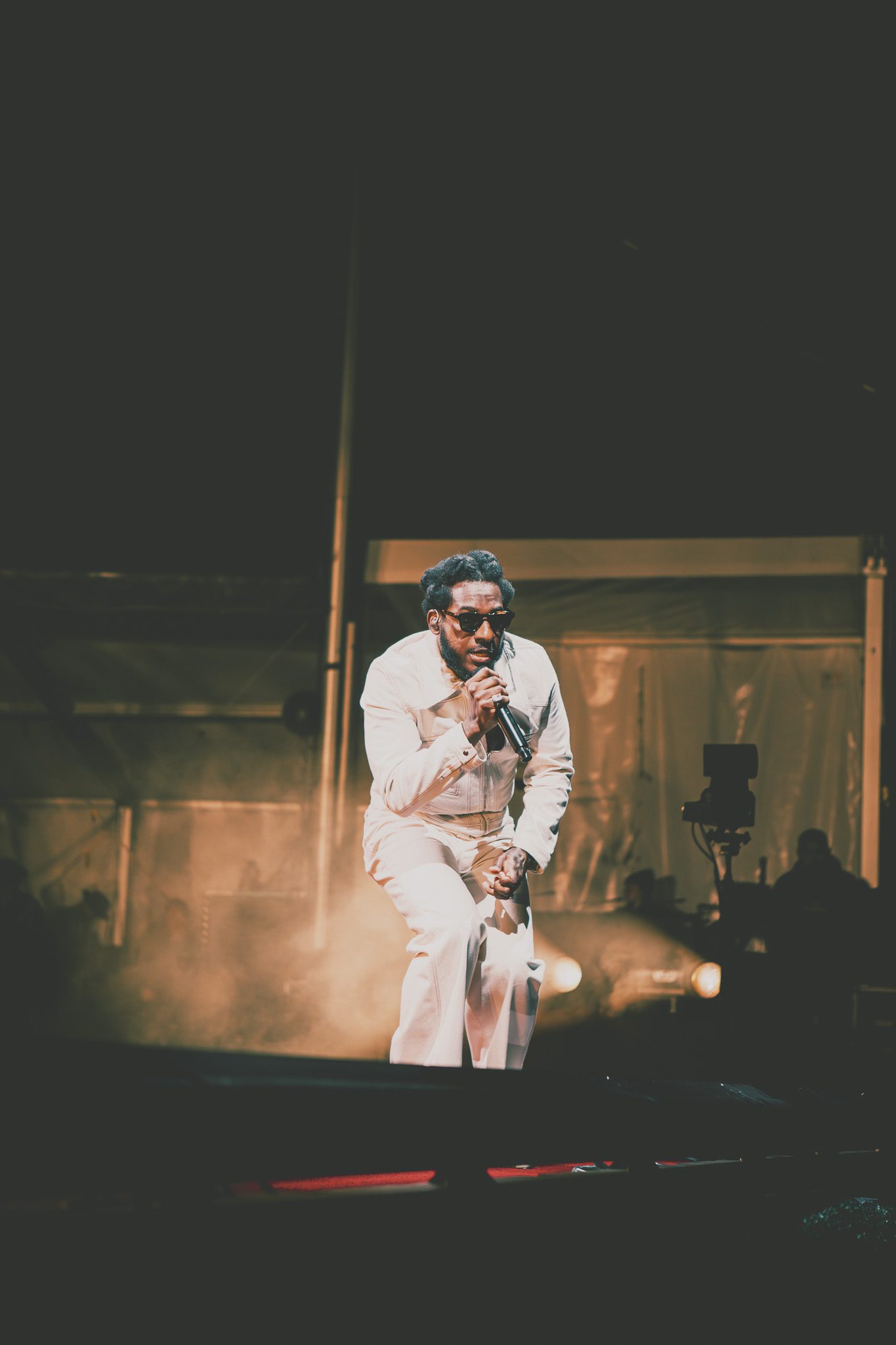
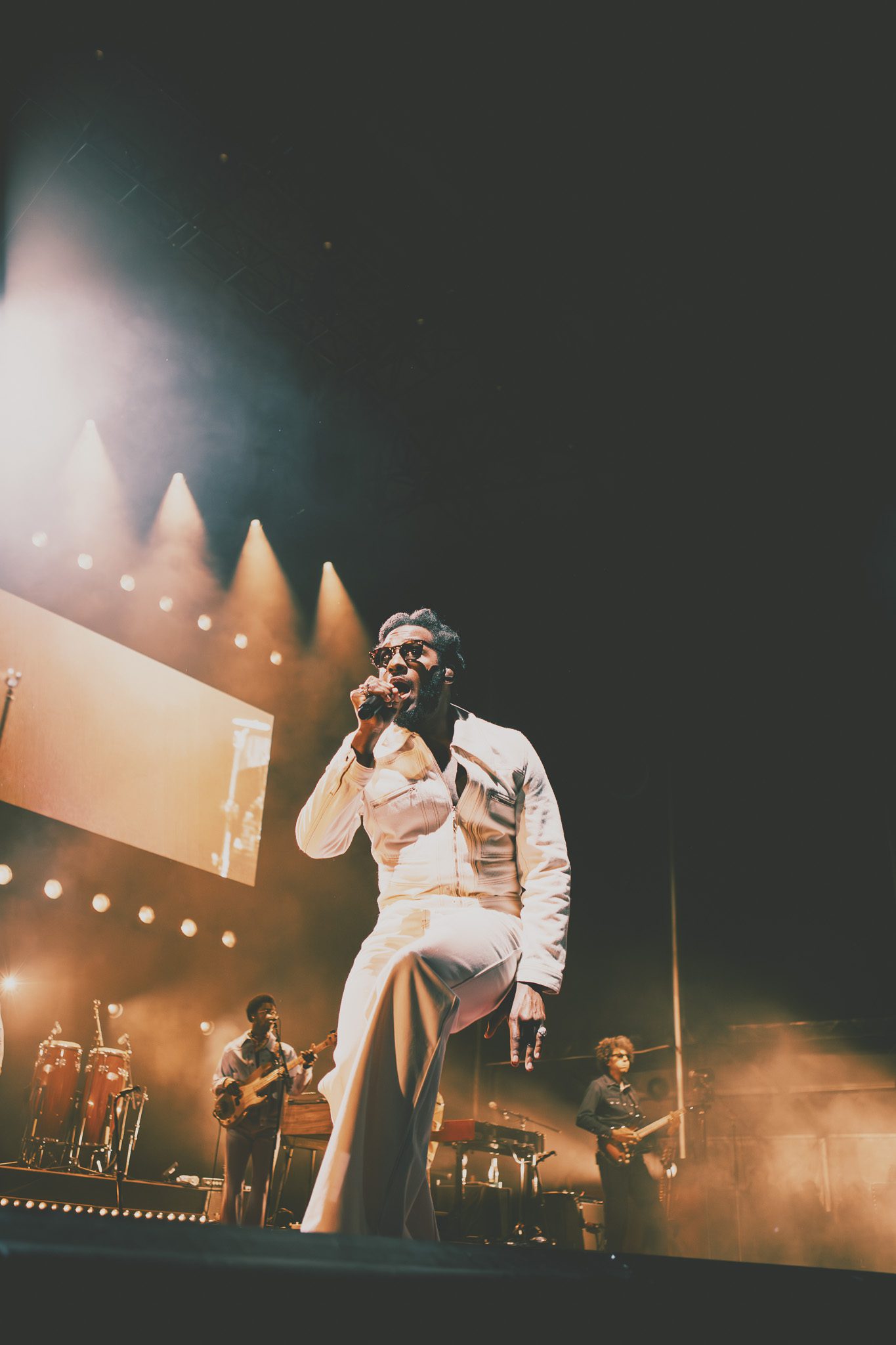
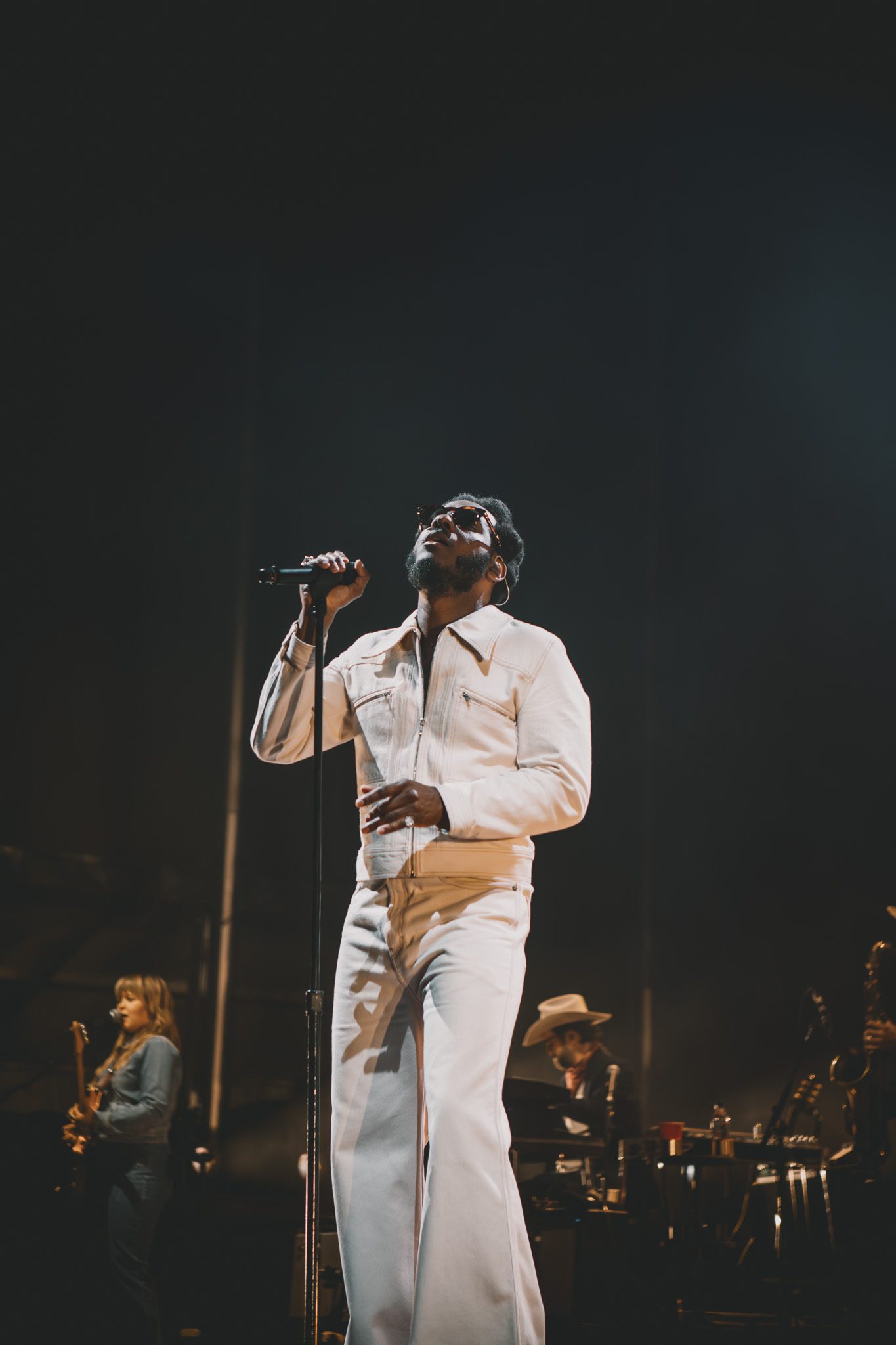
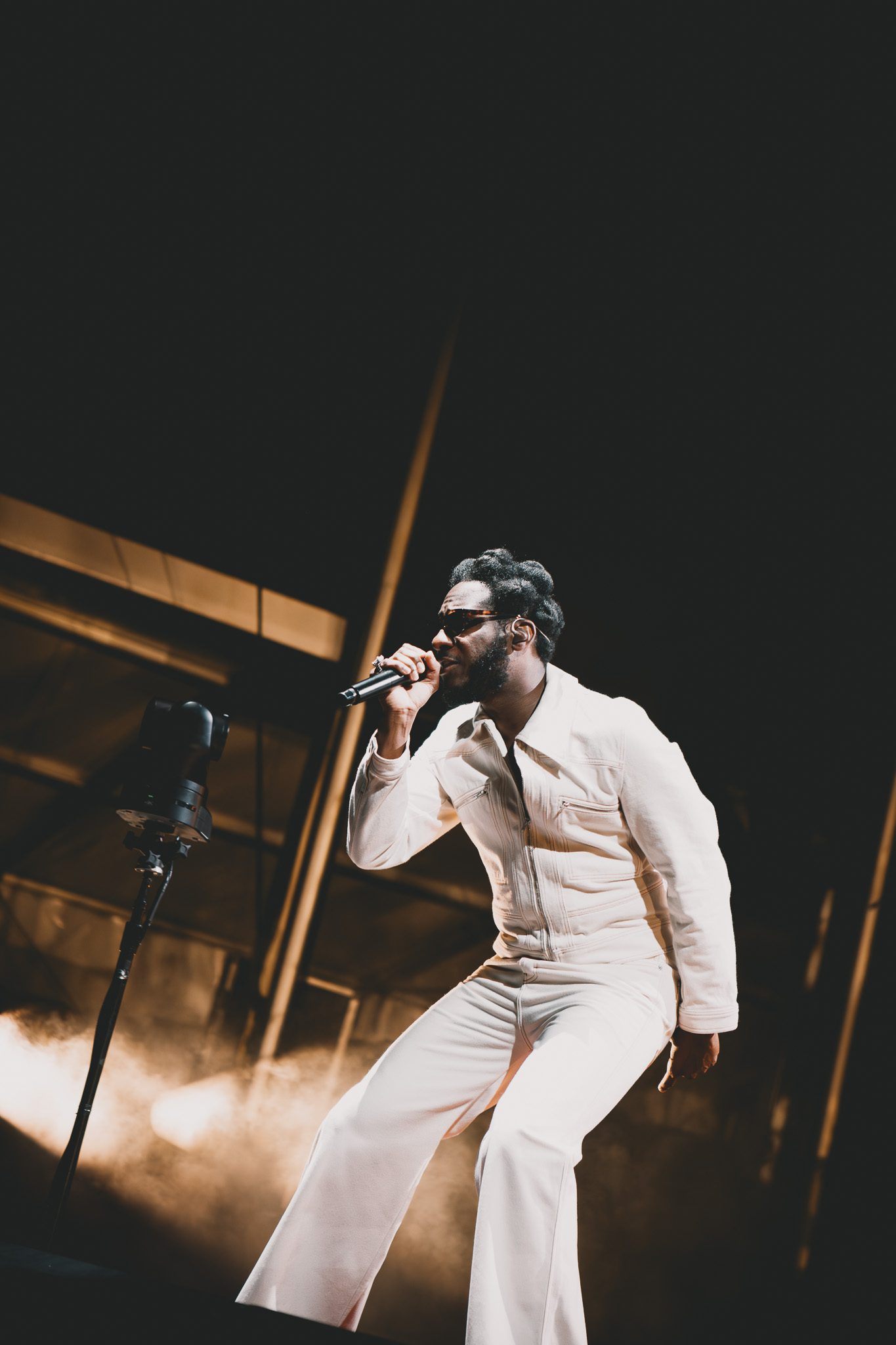
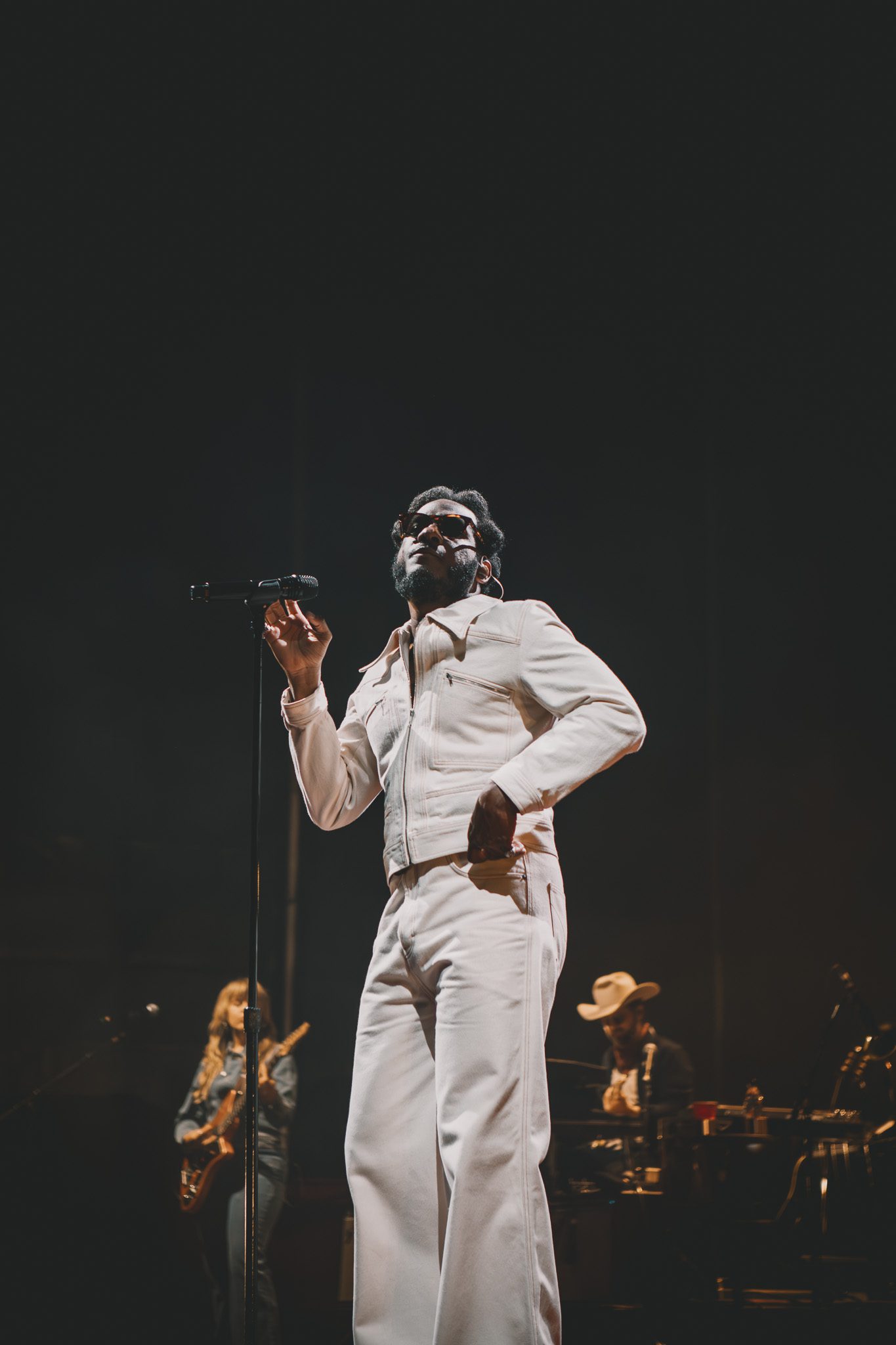
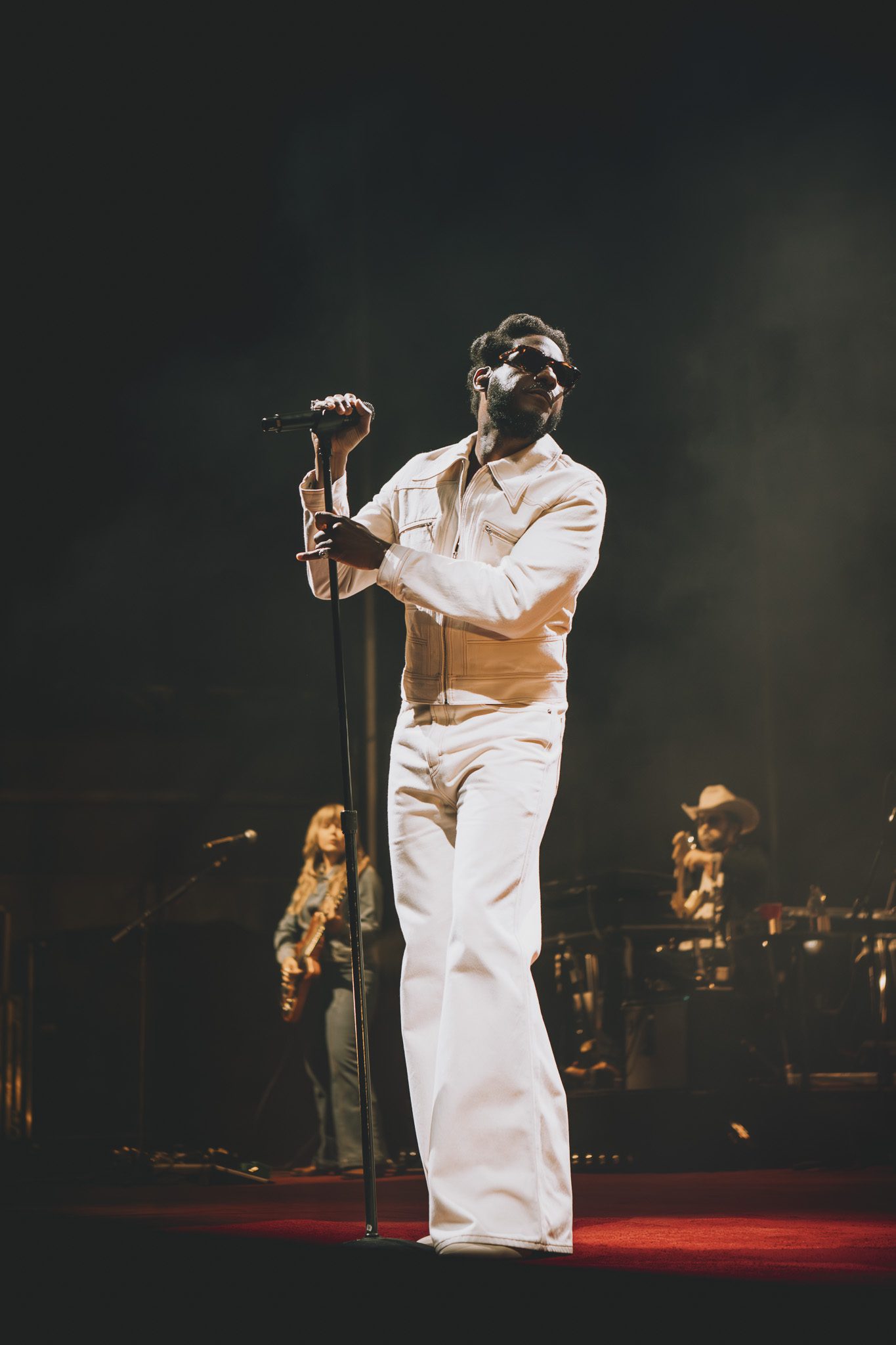
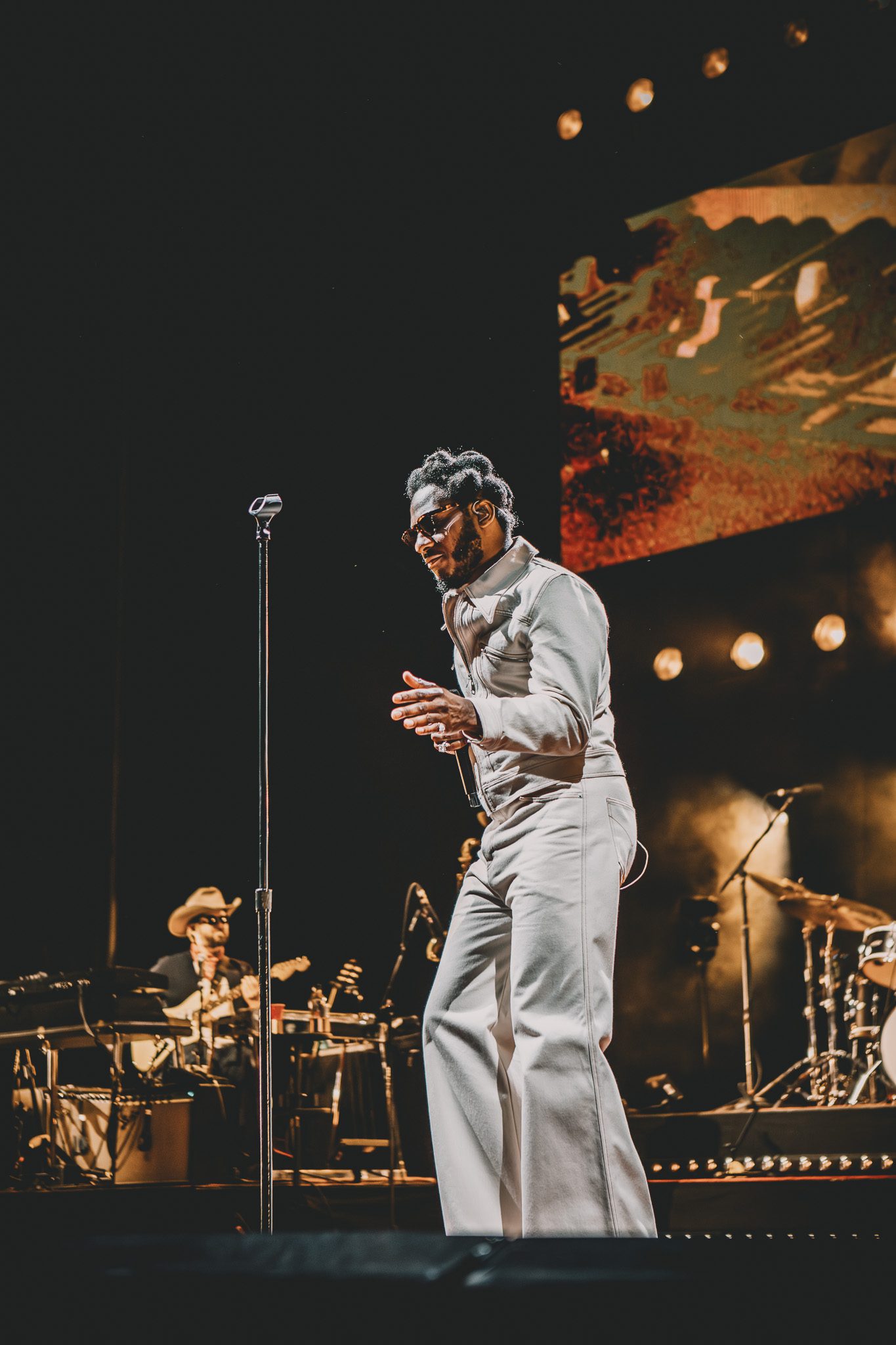
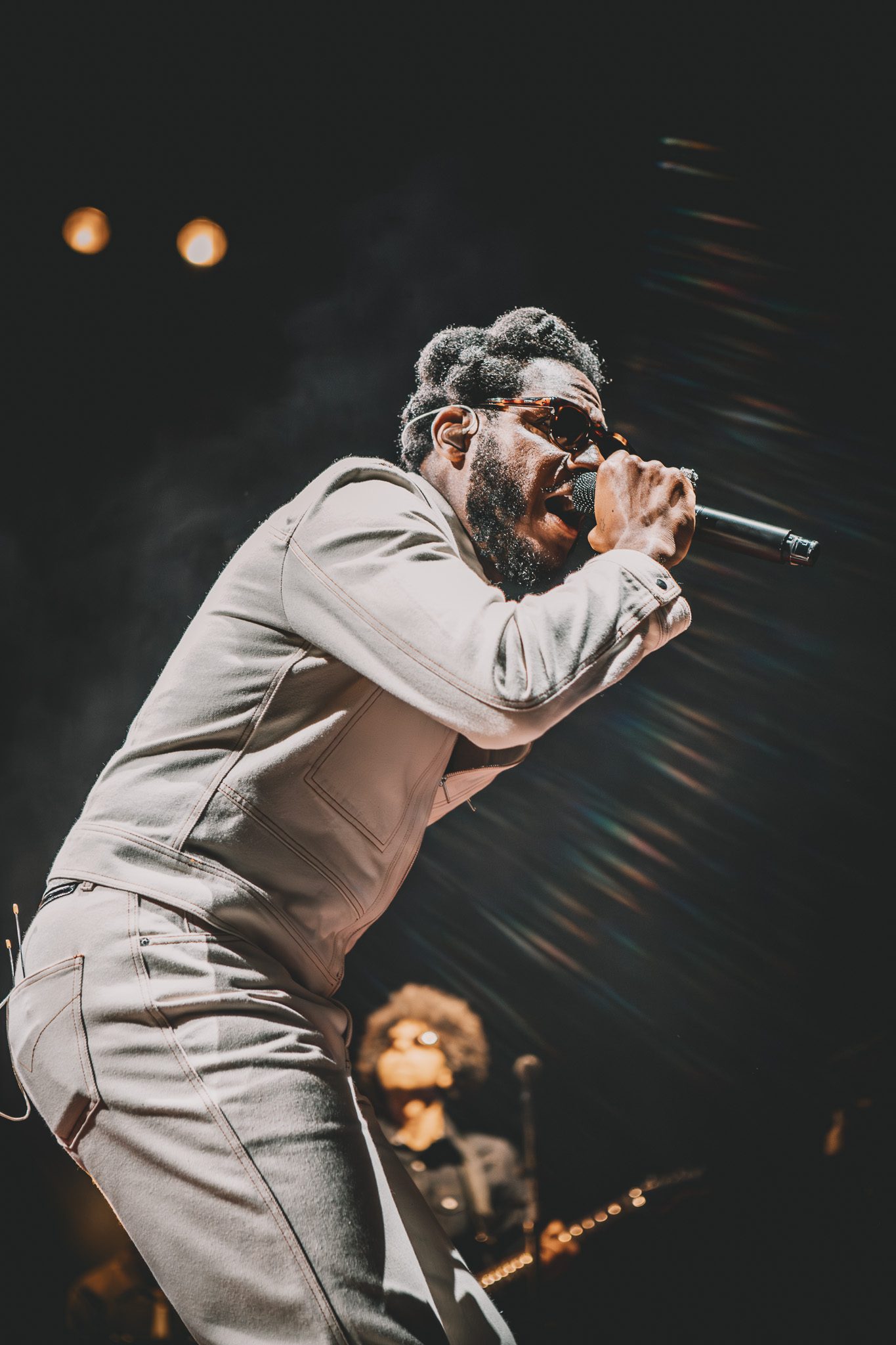
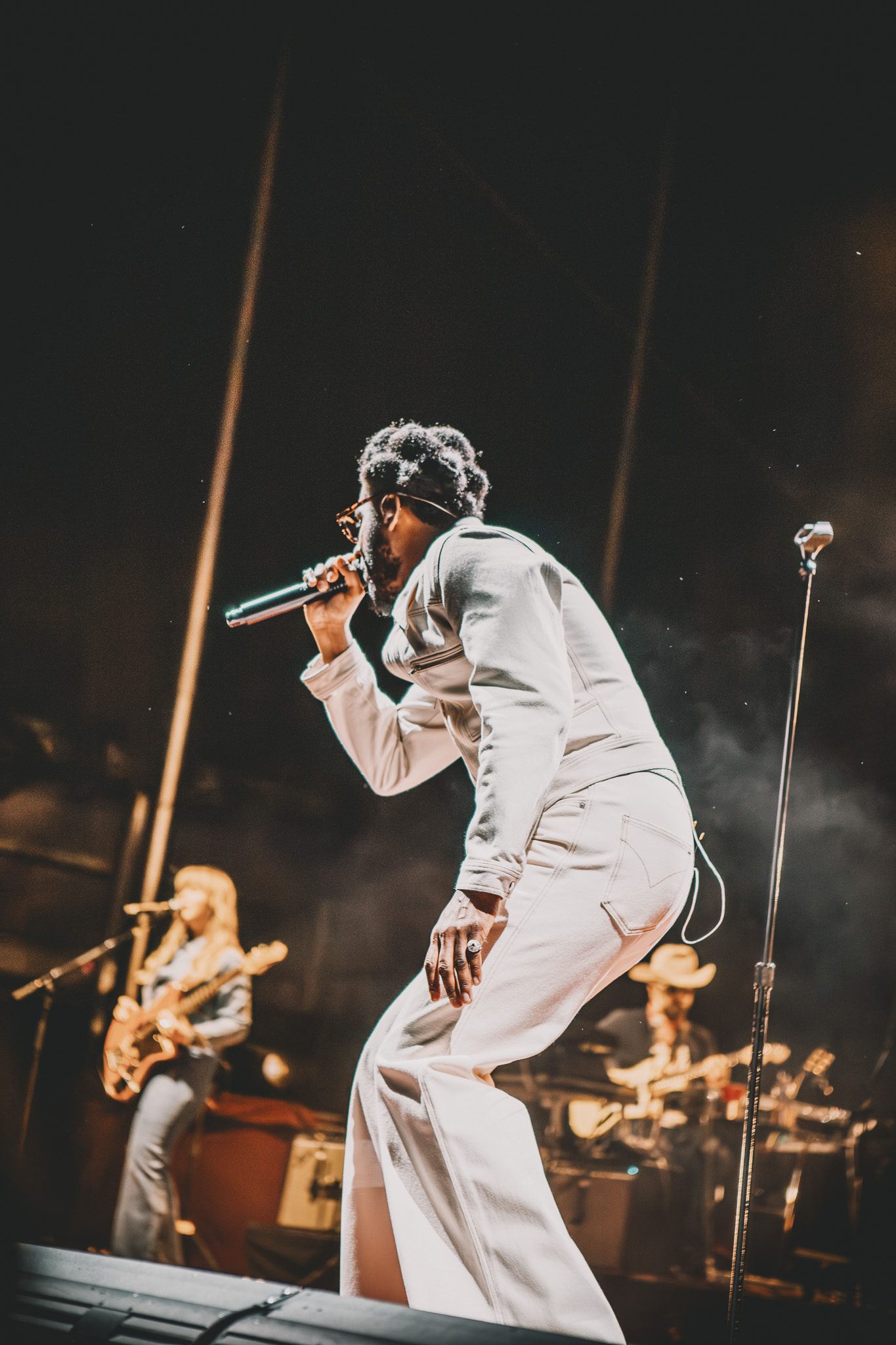
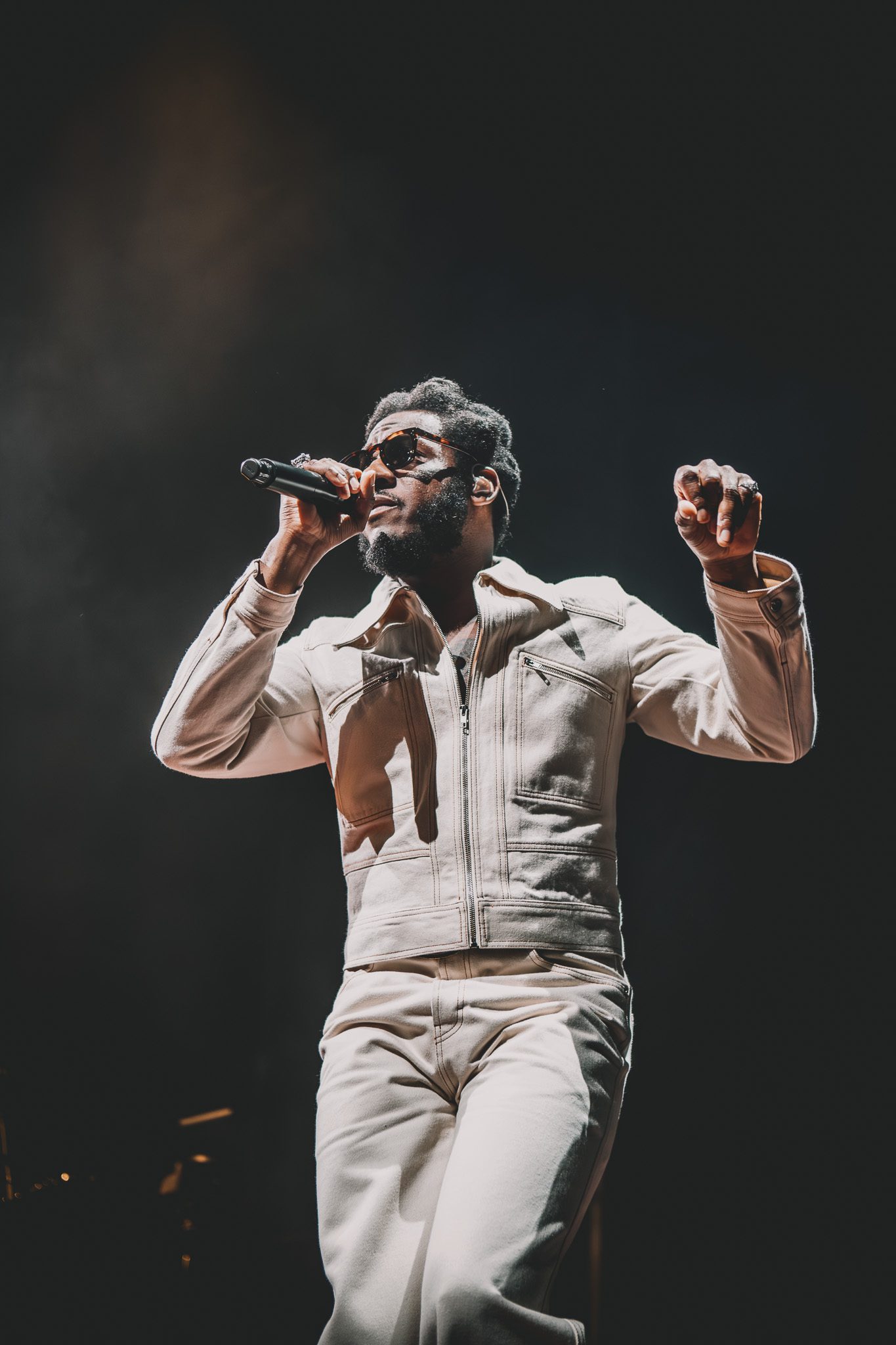
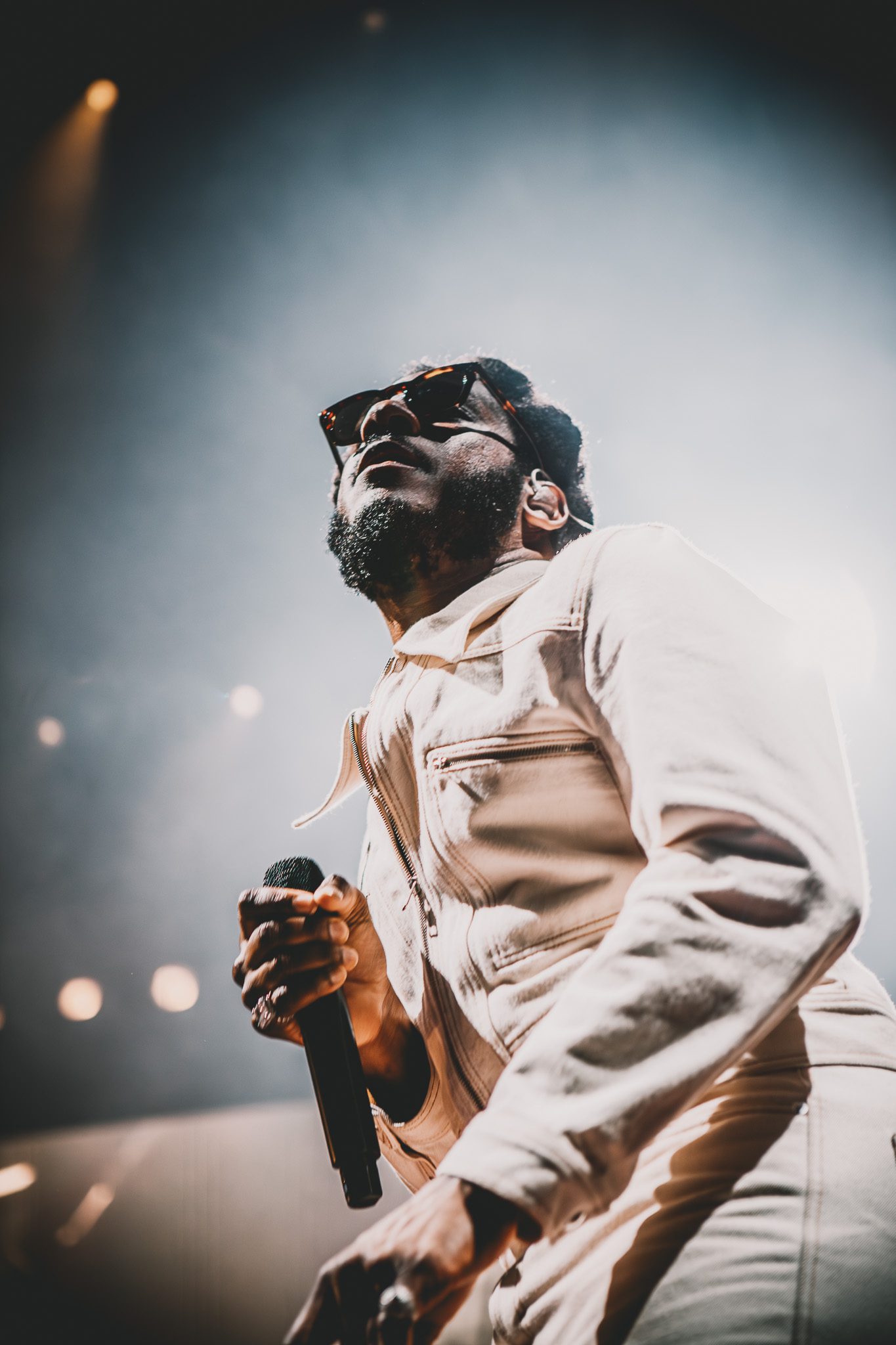
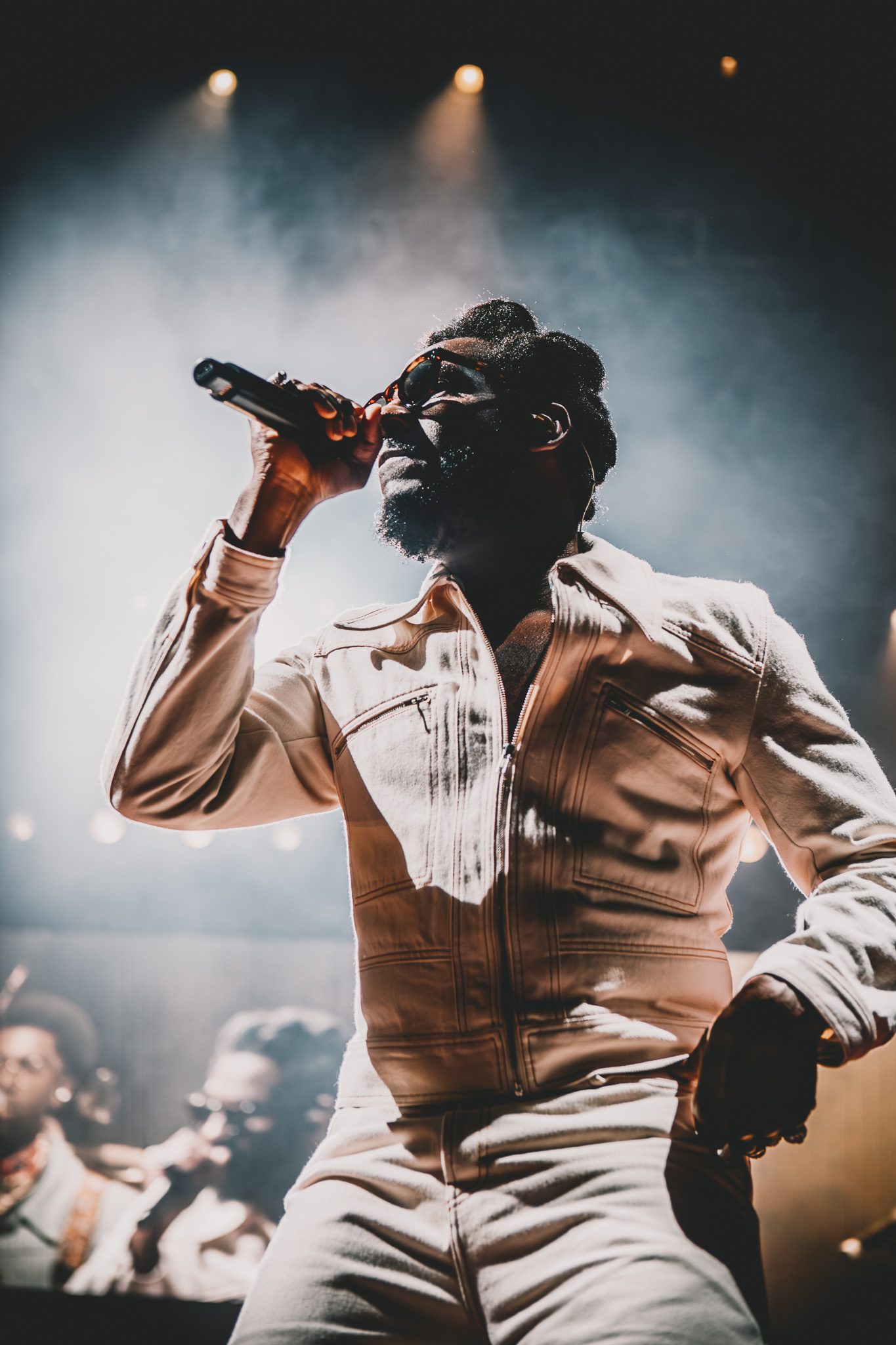
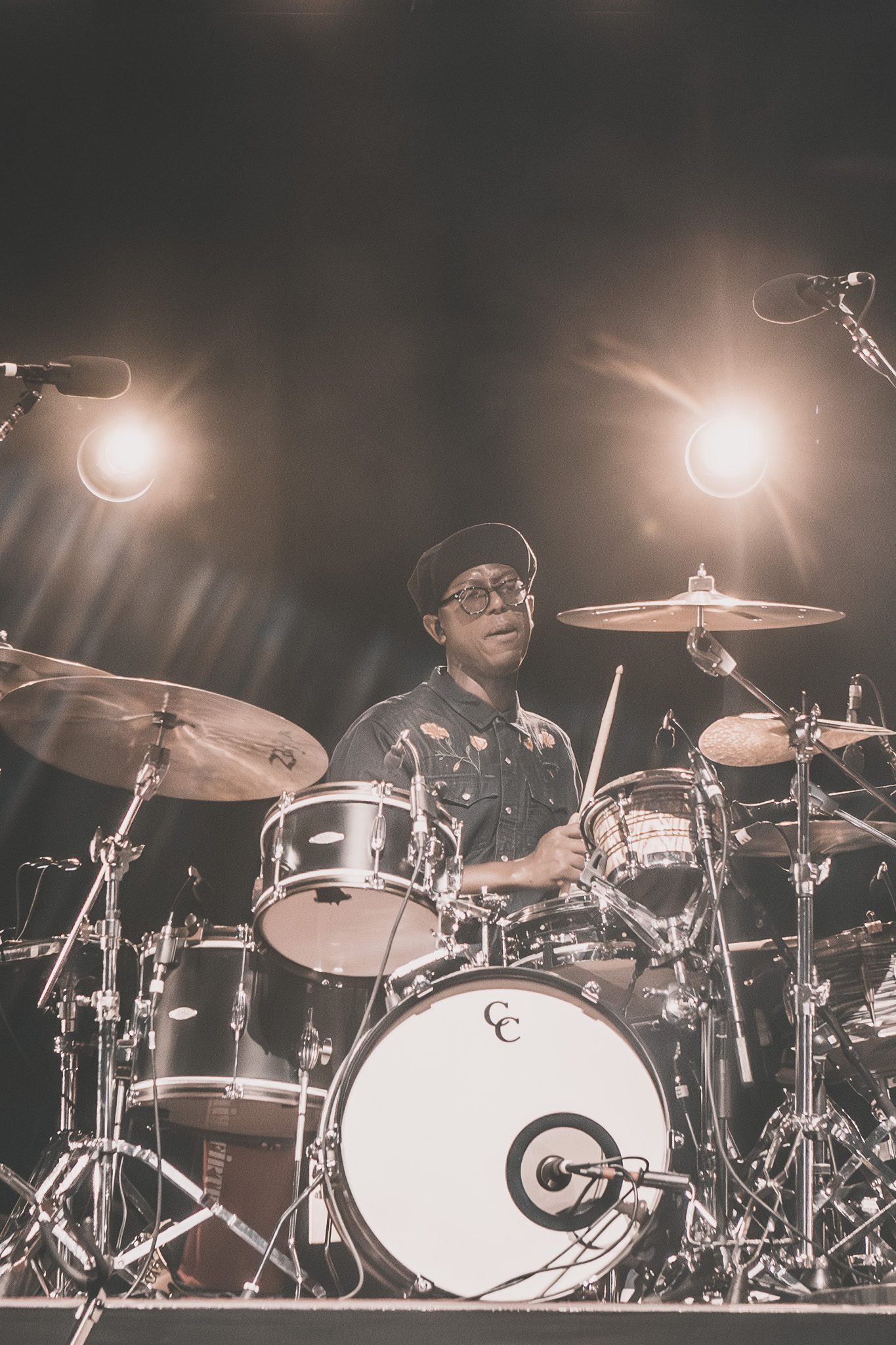
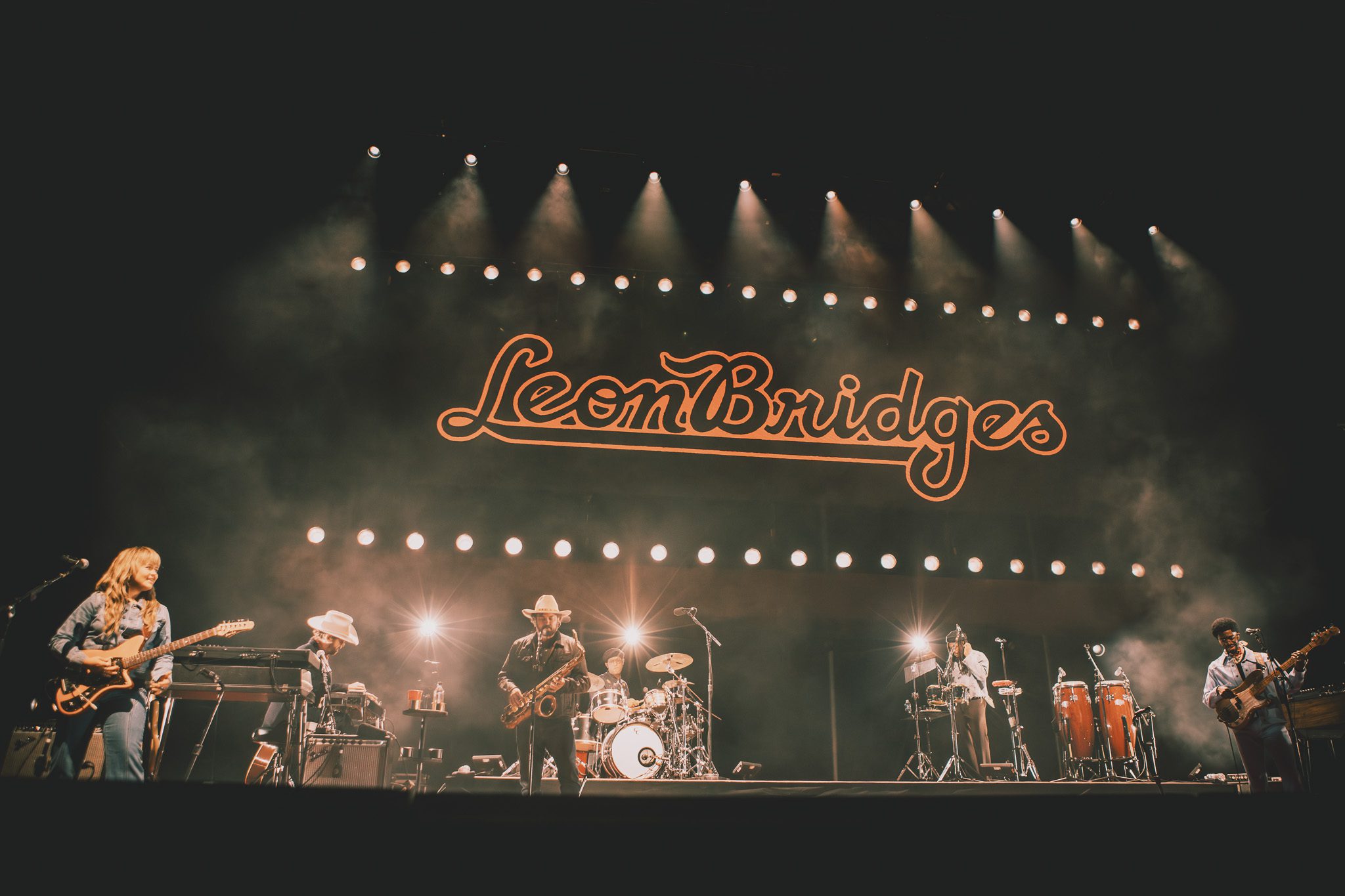
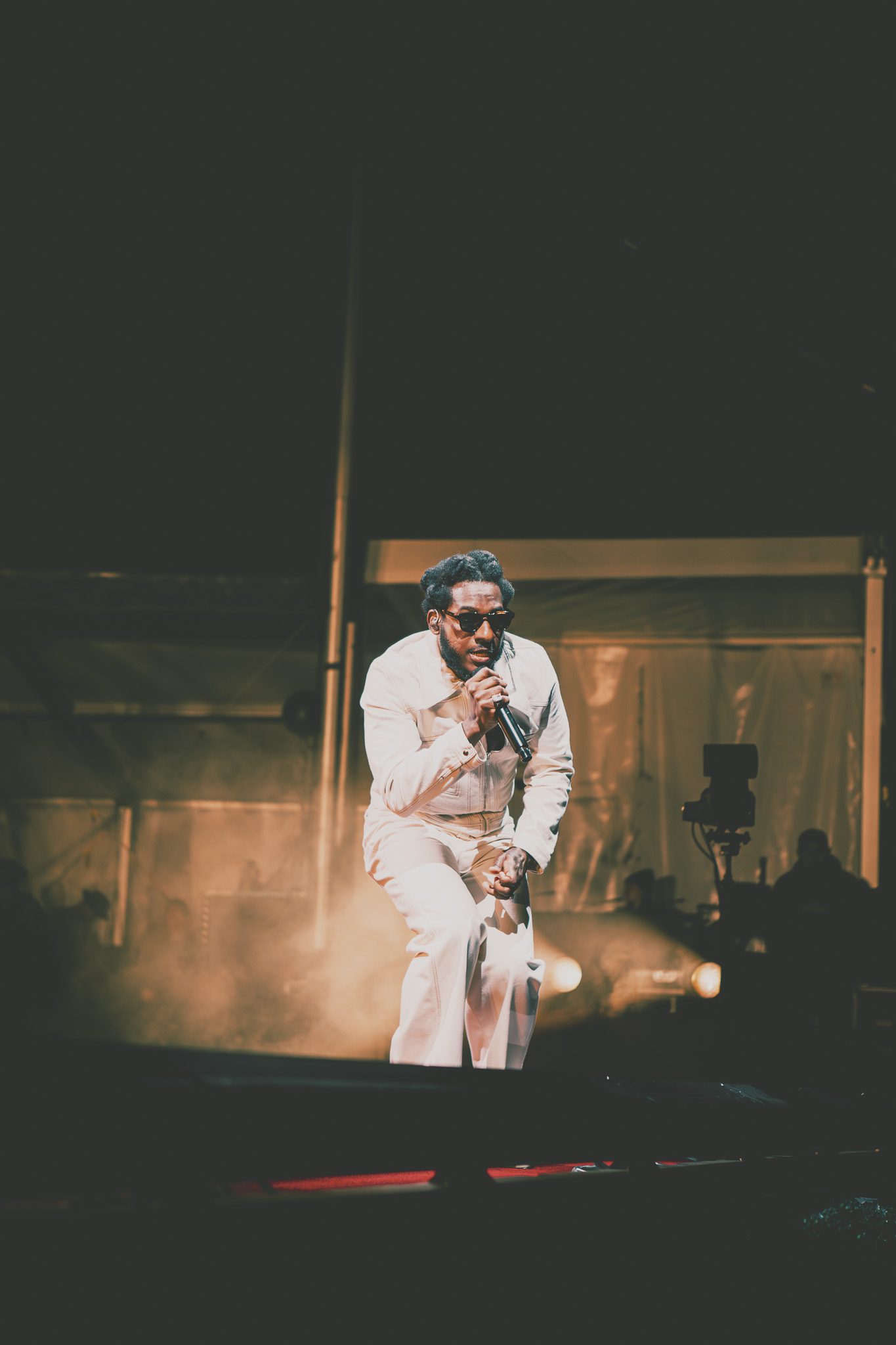
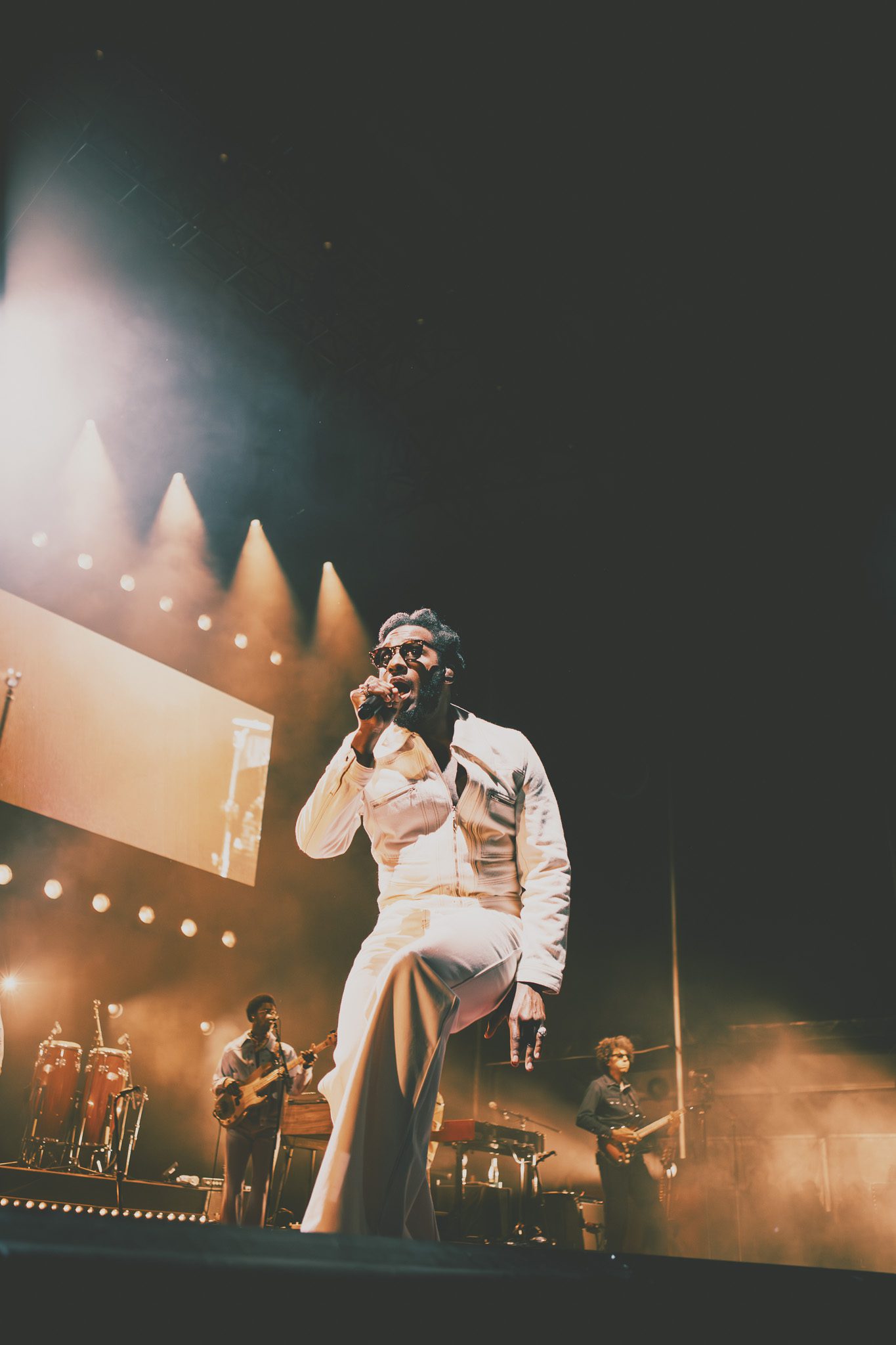
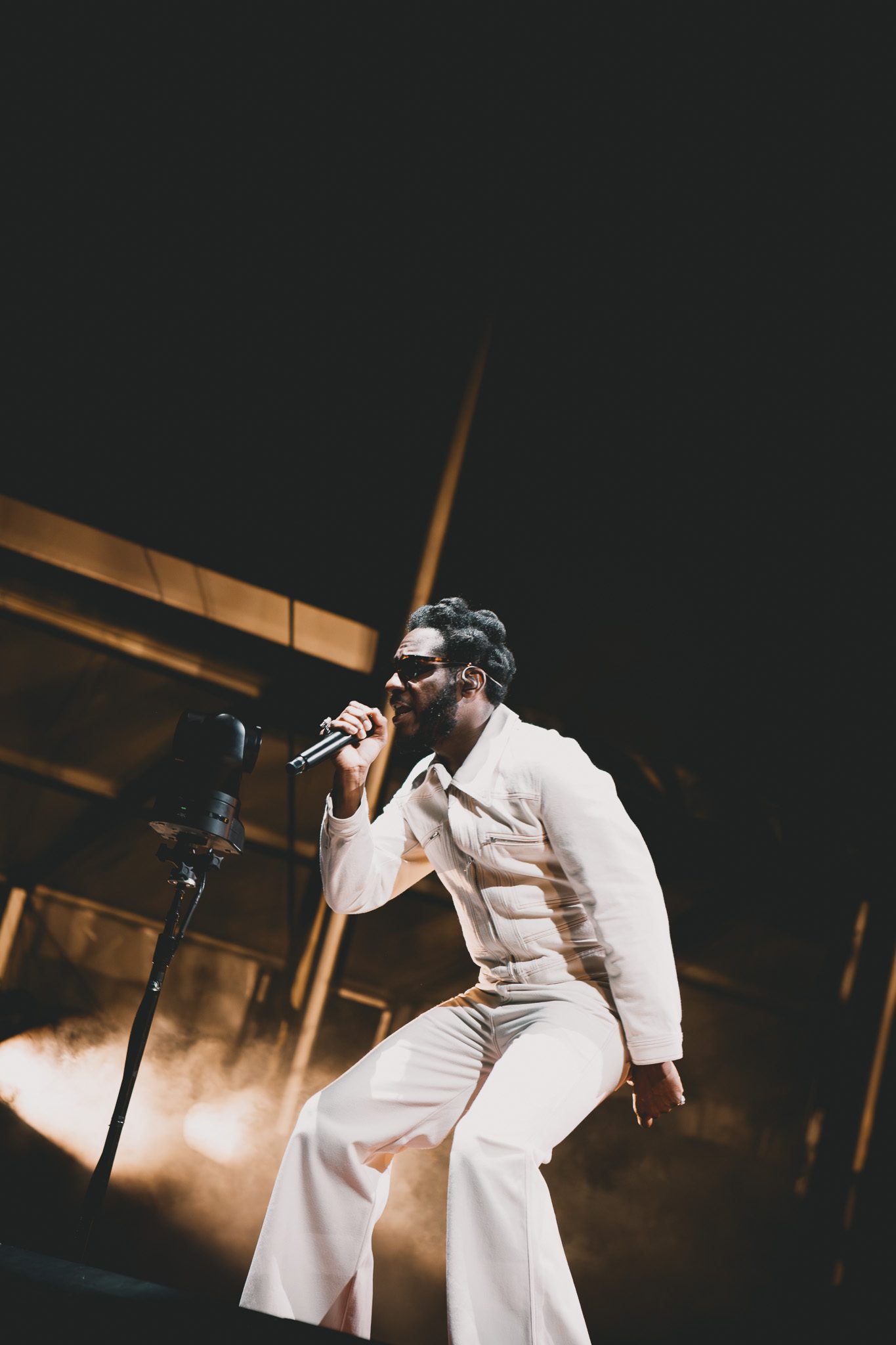
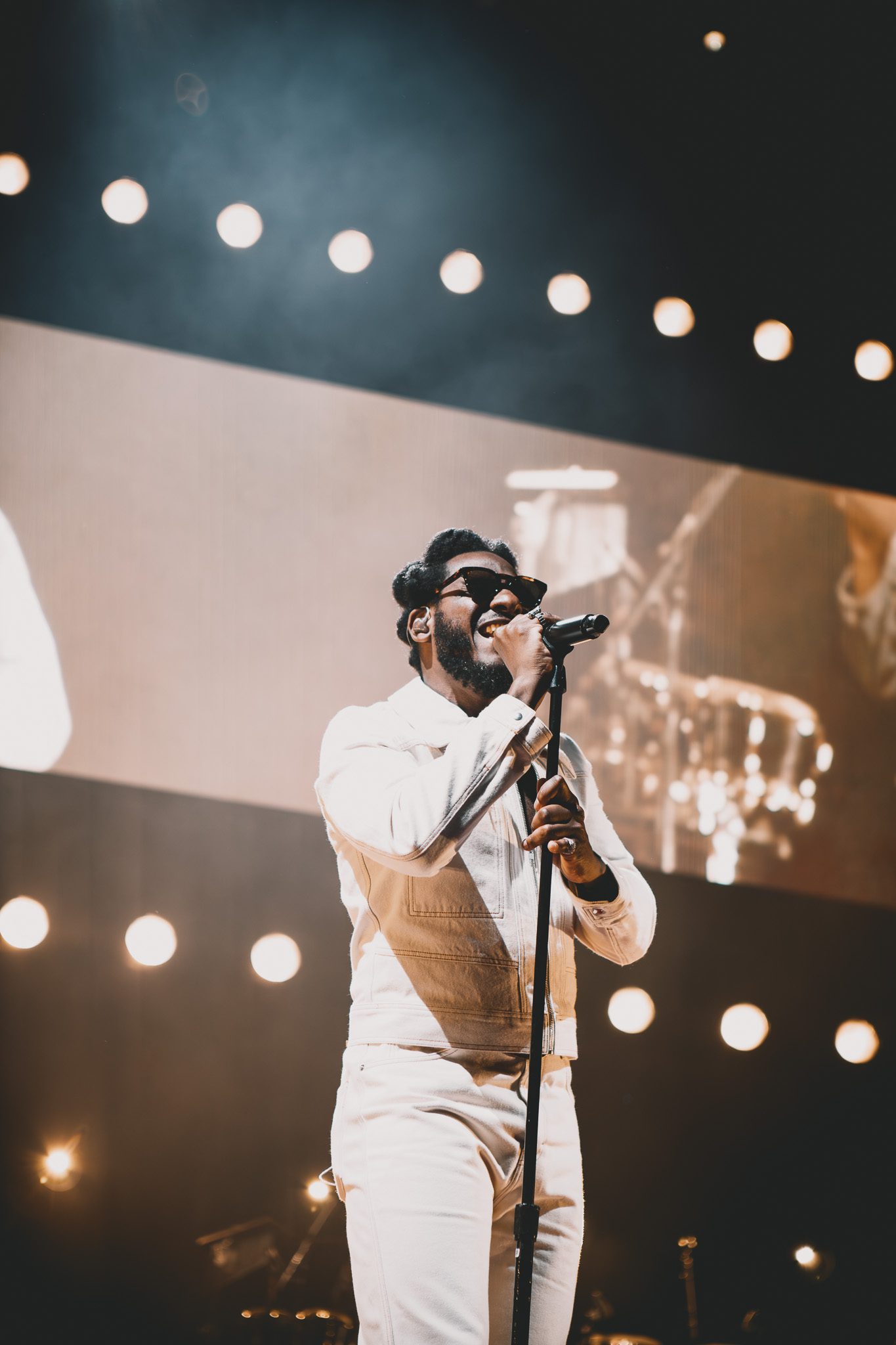
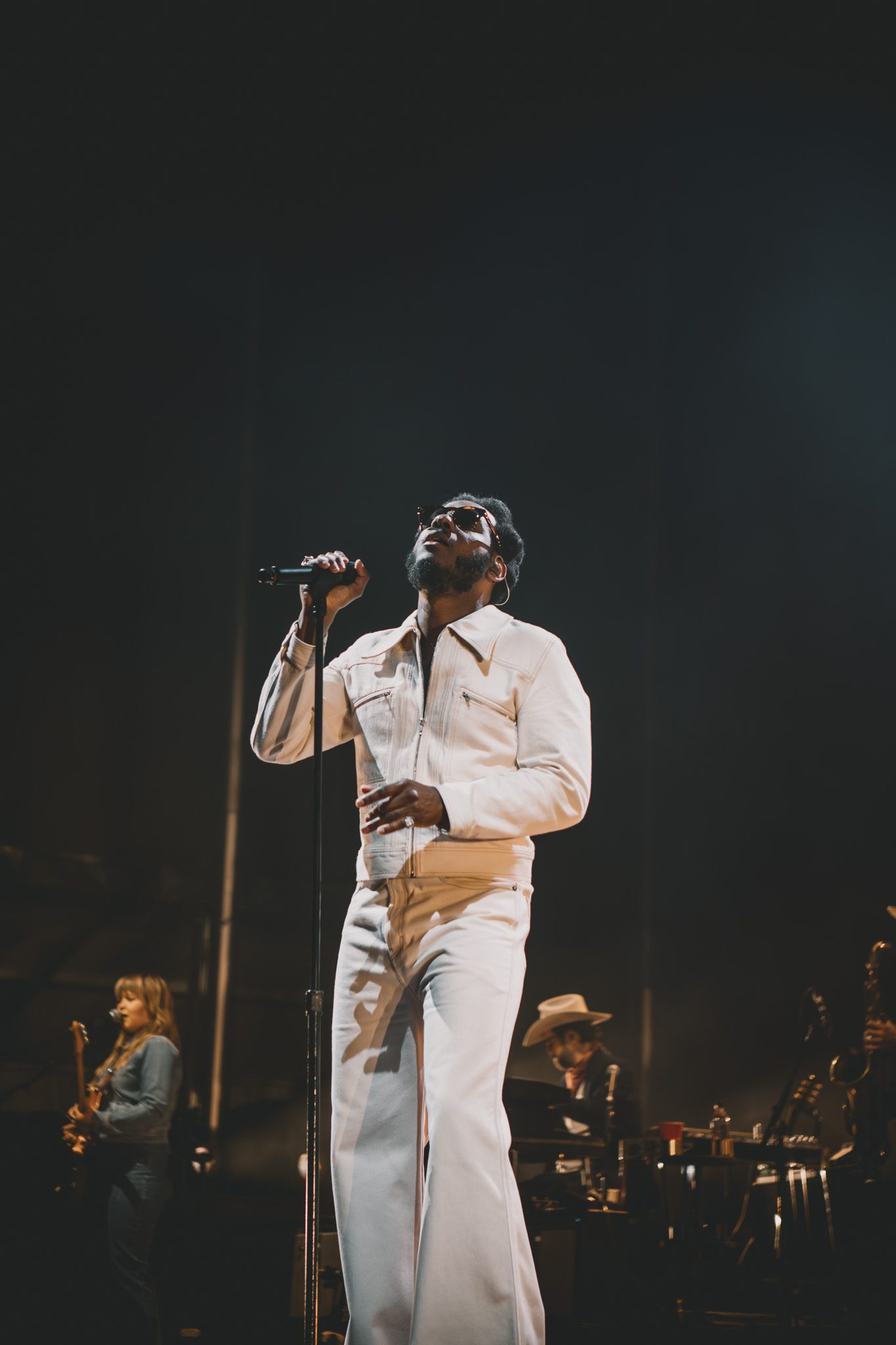
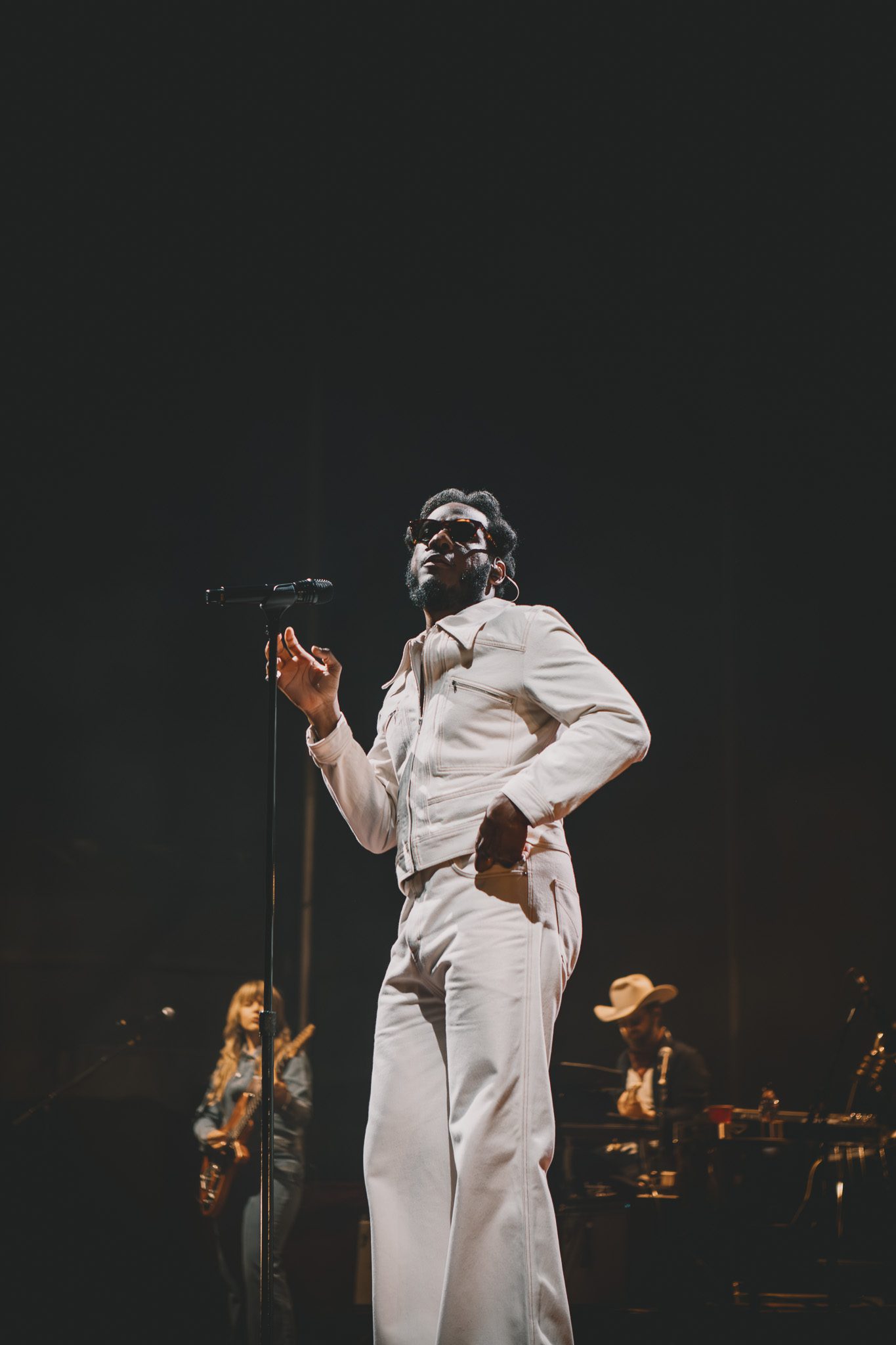
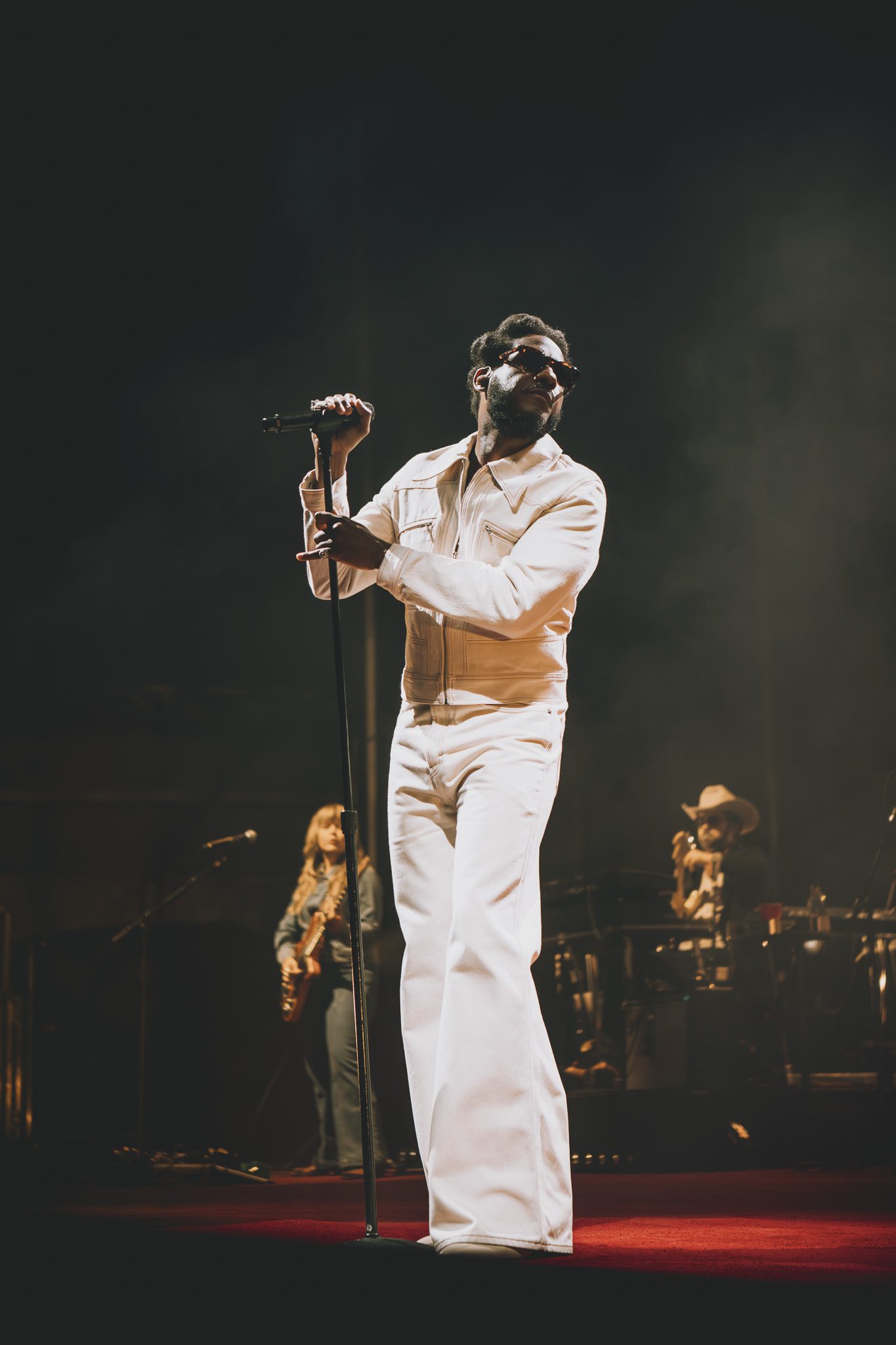
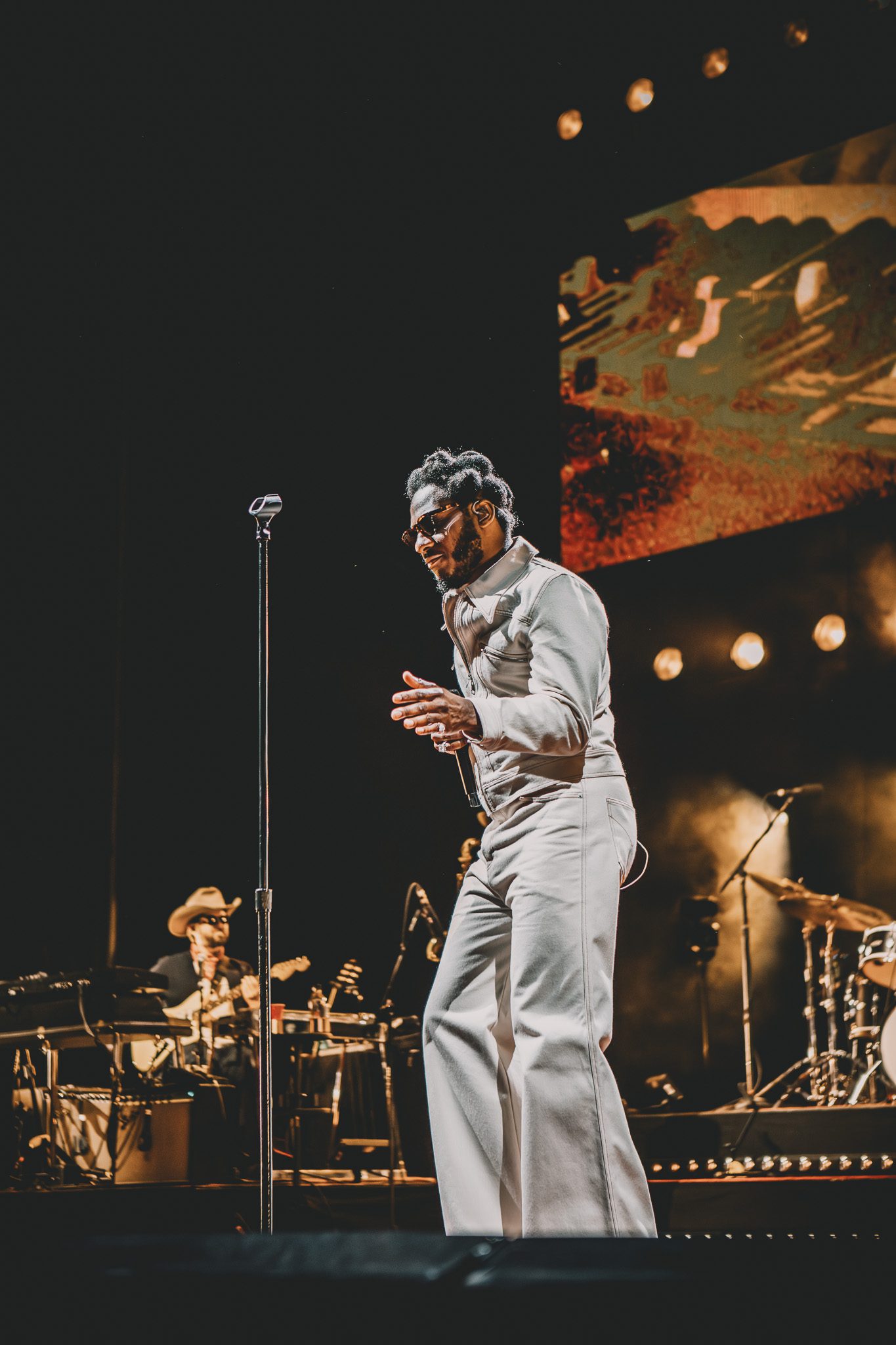
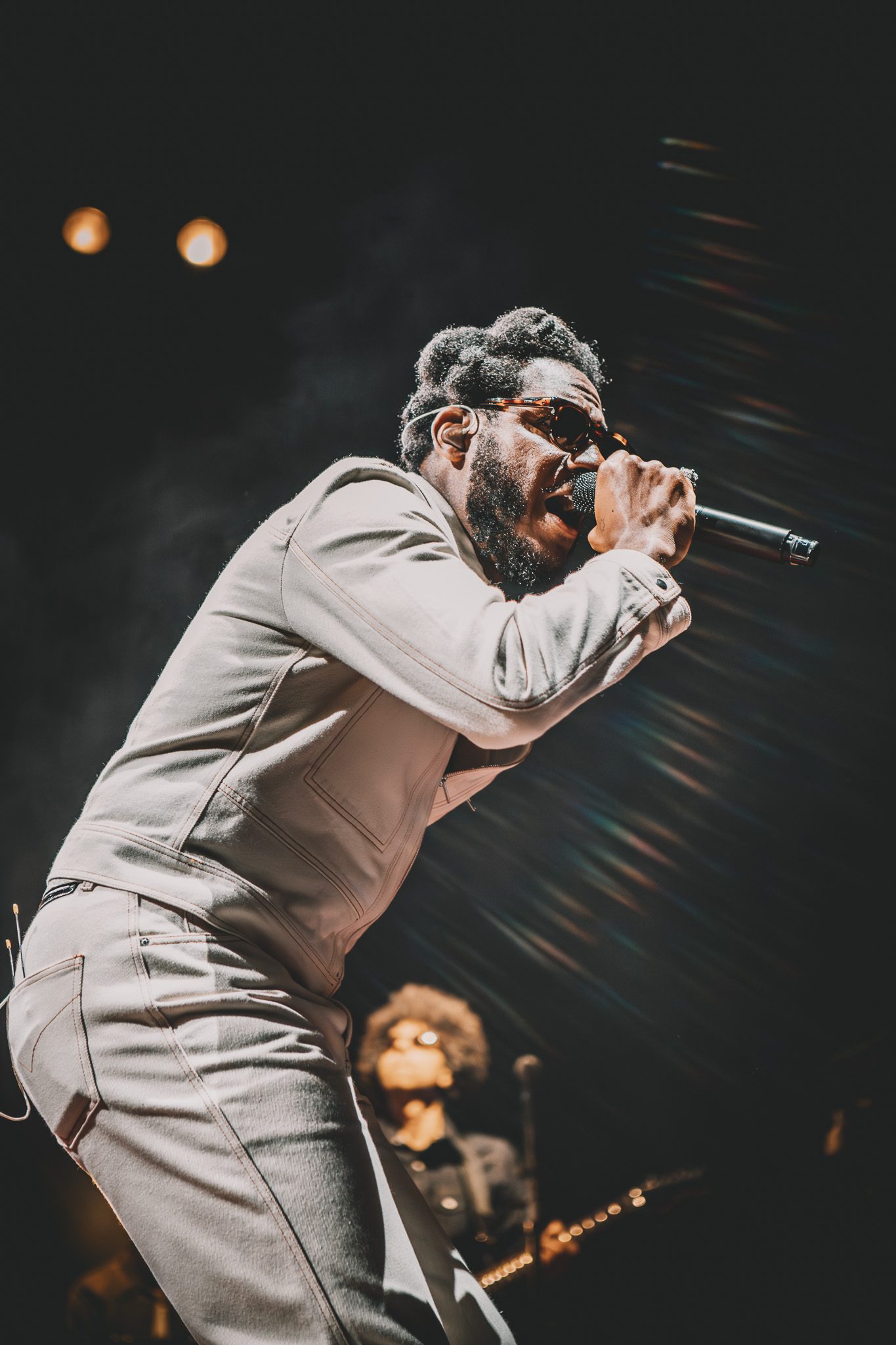
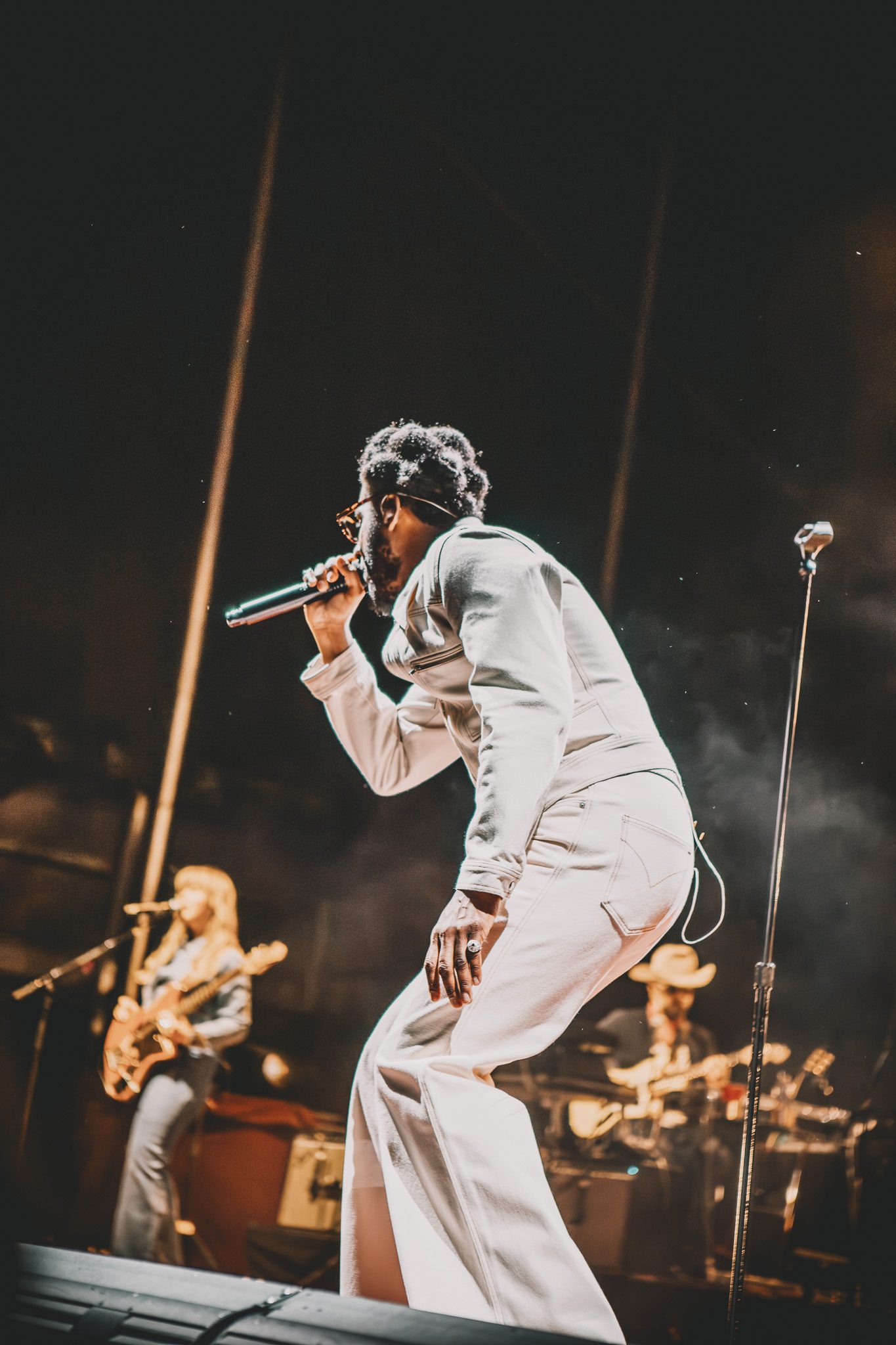
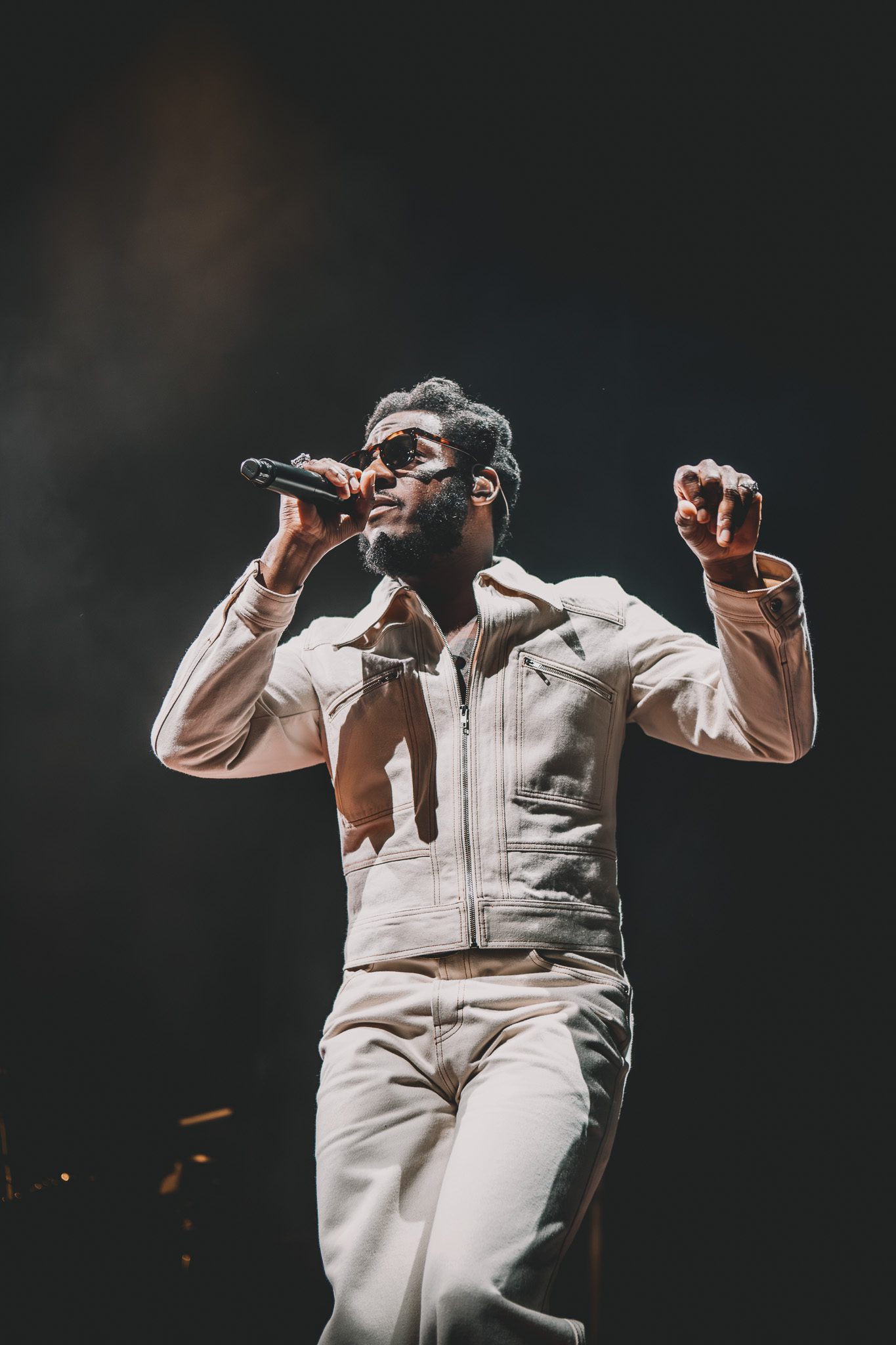
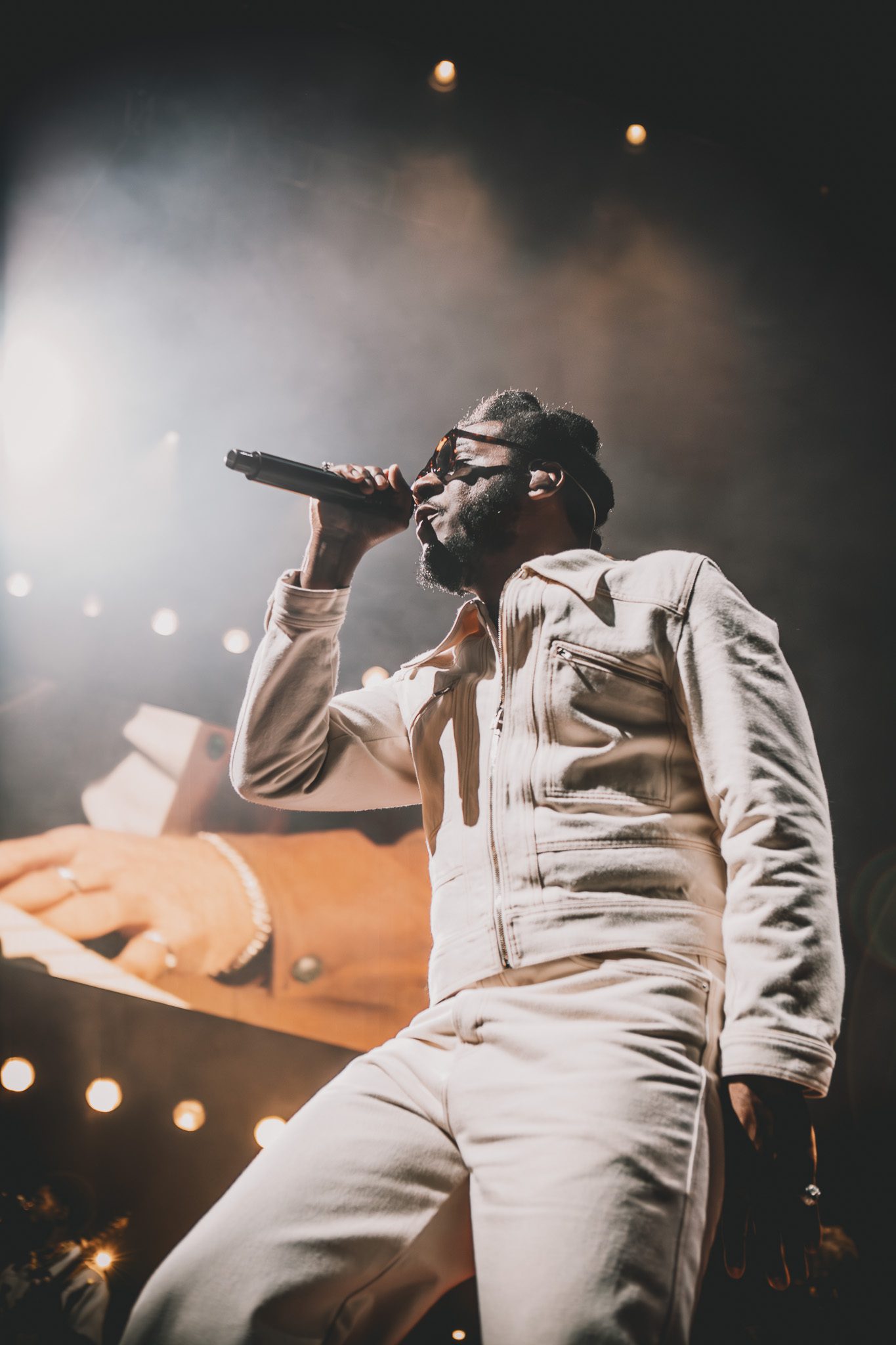
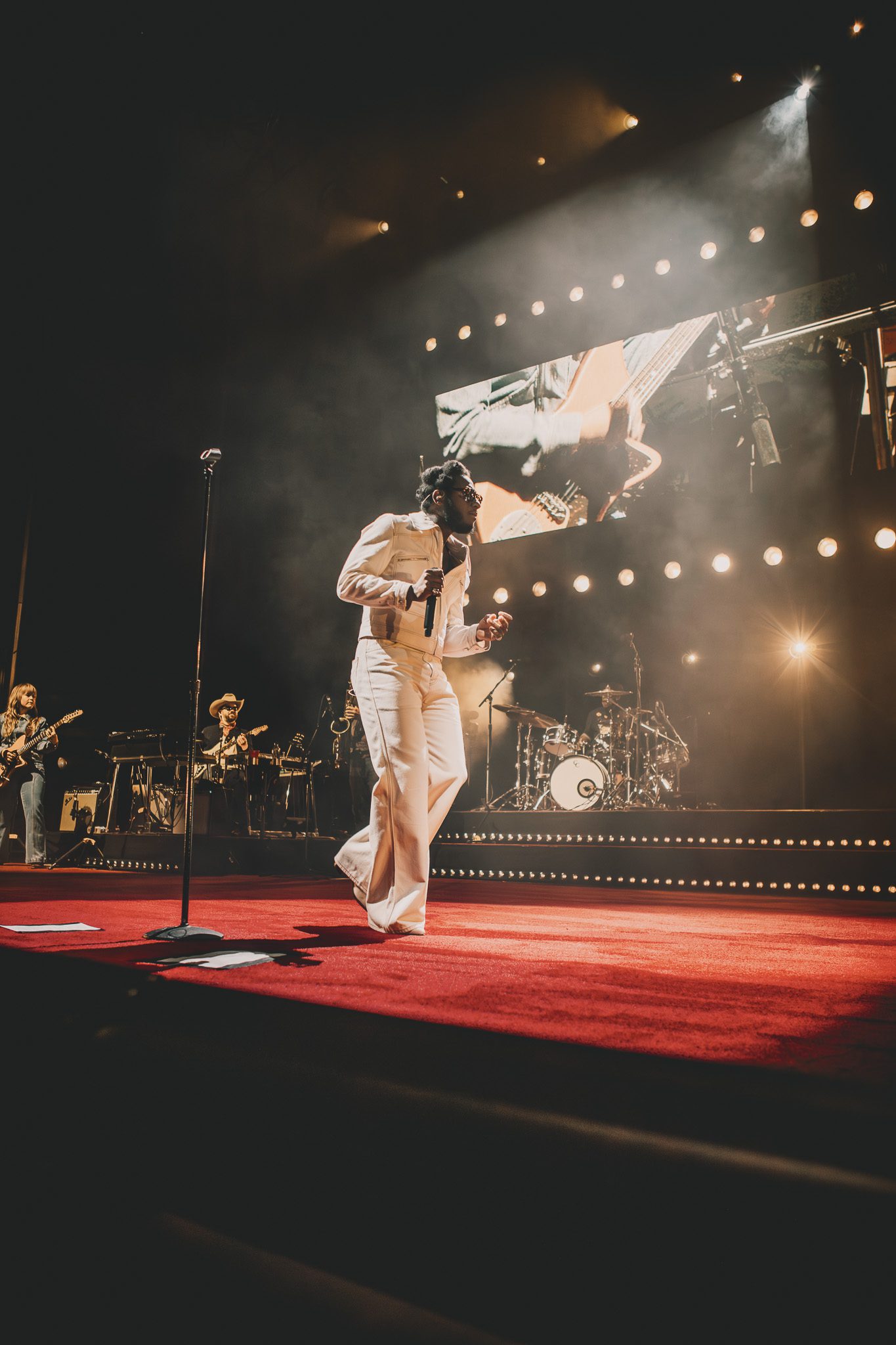
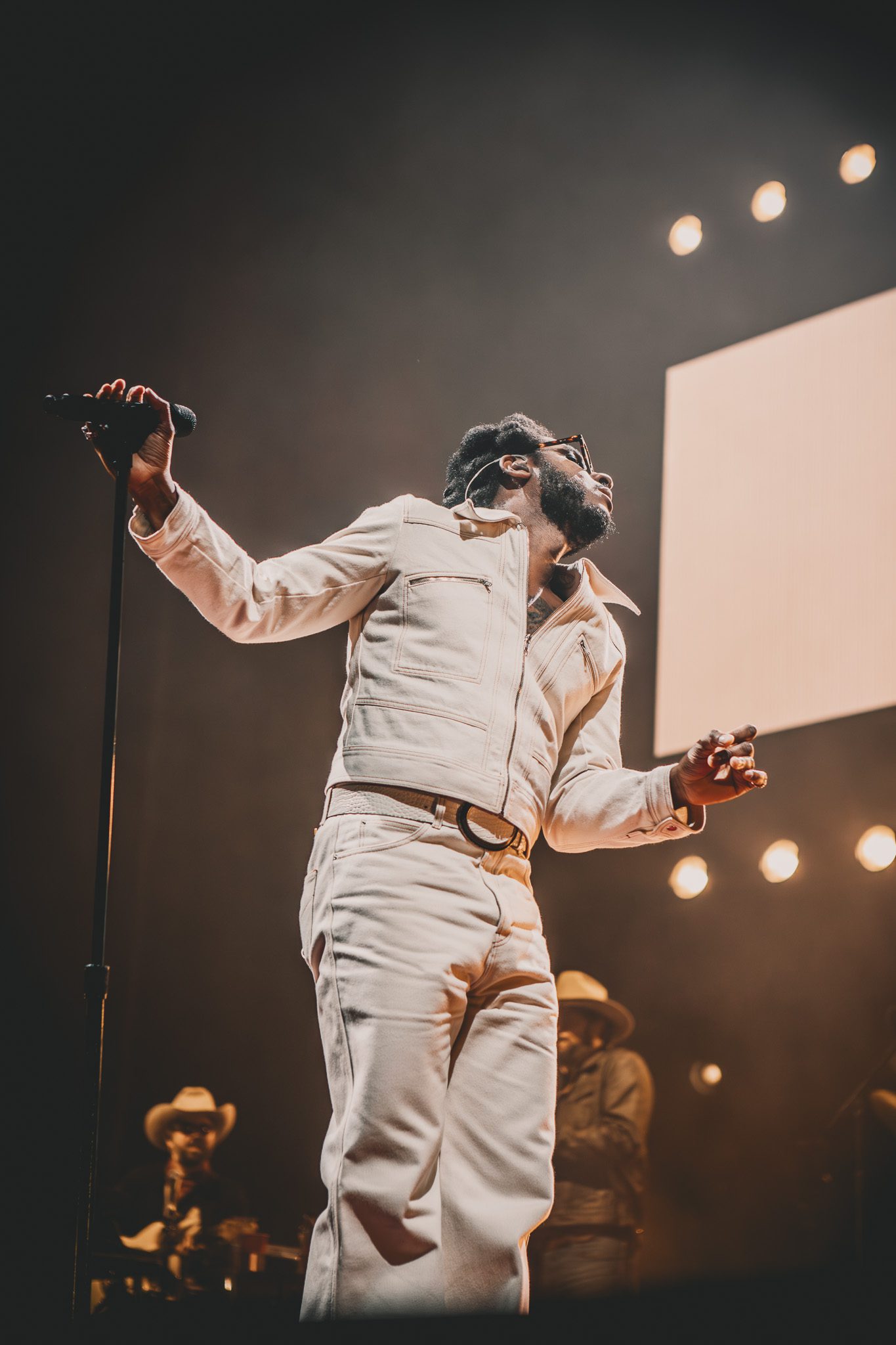
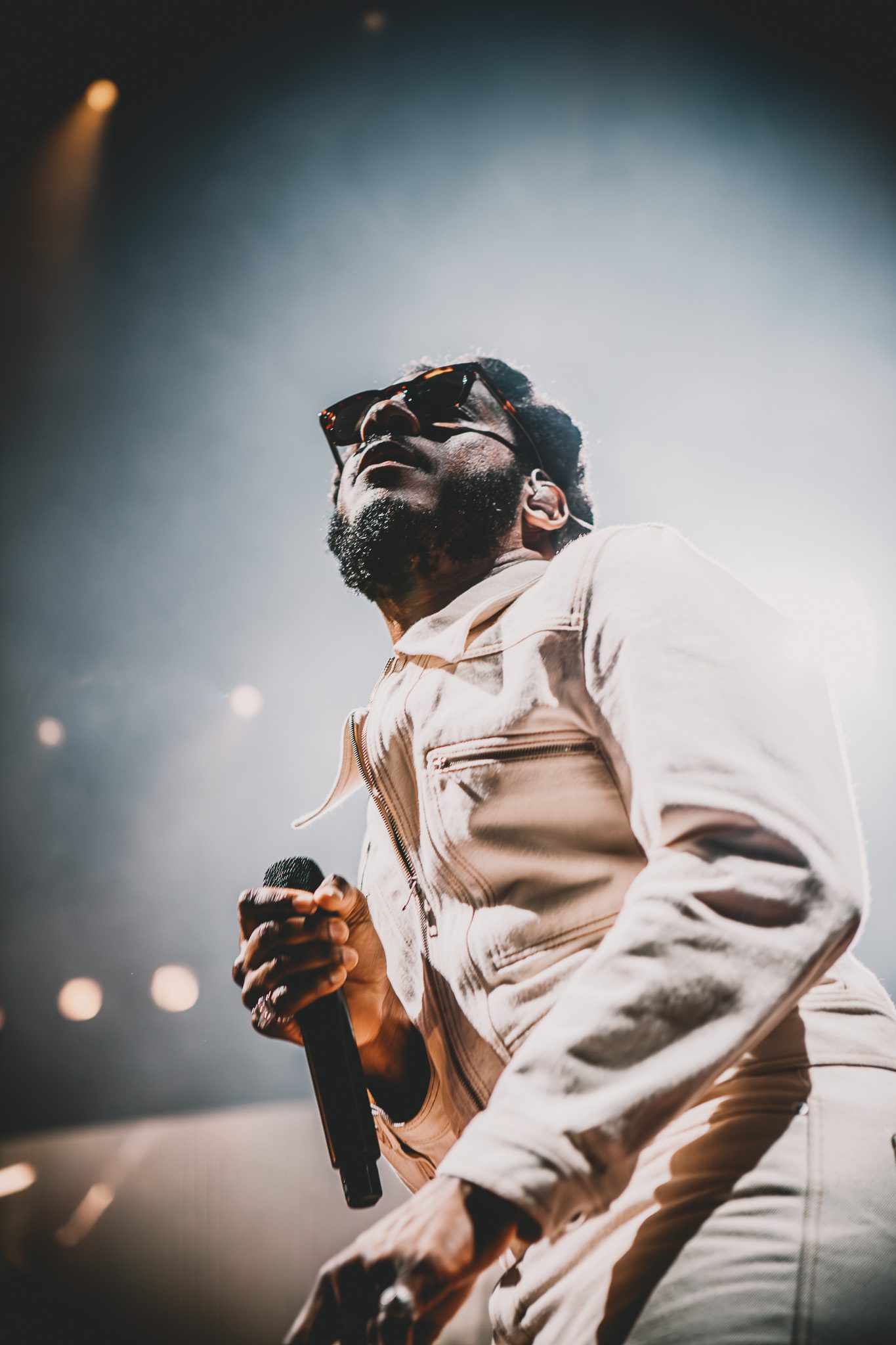
And then, the rain sluggishly began. Not a downpour – just a whisper, a shimmer across the lights. Venue staff weaved through the aisles with ponchos, but no one moved. No one left. New Yorkers are stubborn that way, and Leon Bridges is worth every storm. When he finally stepped into the glow, the clouds seemed to pause. His voice rose, warm and infinite, and for ninety minutes, the rain stayed gentle, suspended in air as though it too had come to listen.
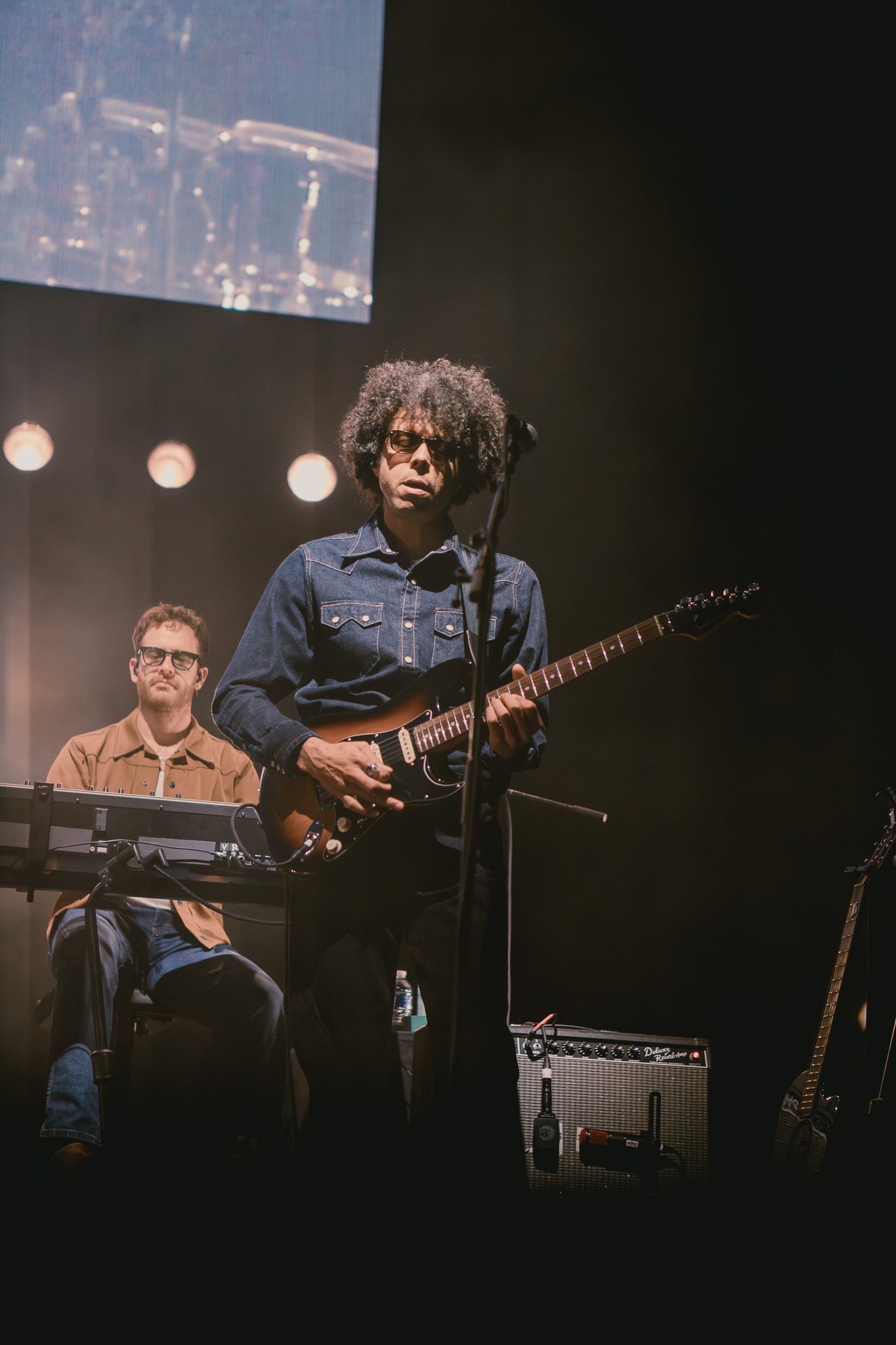
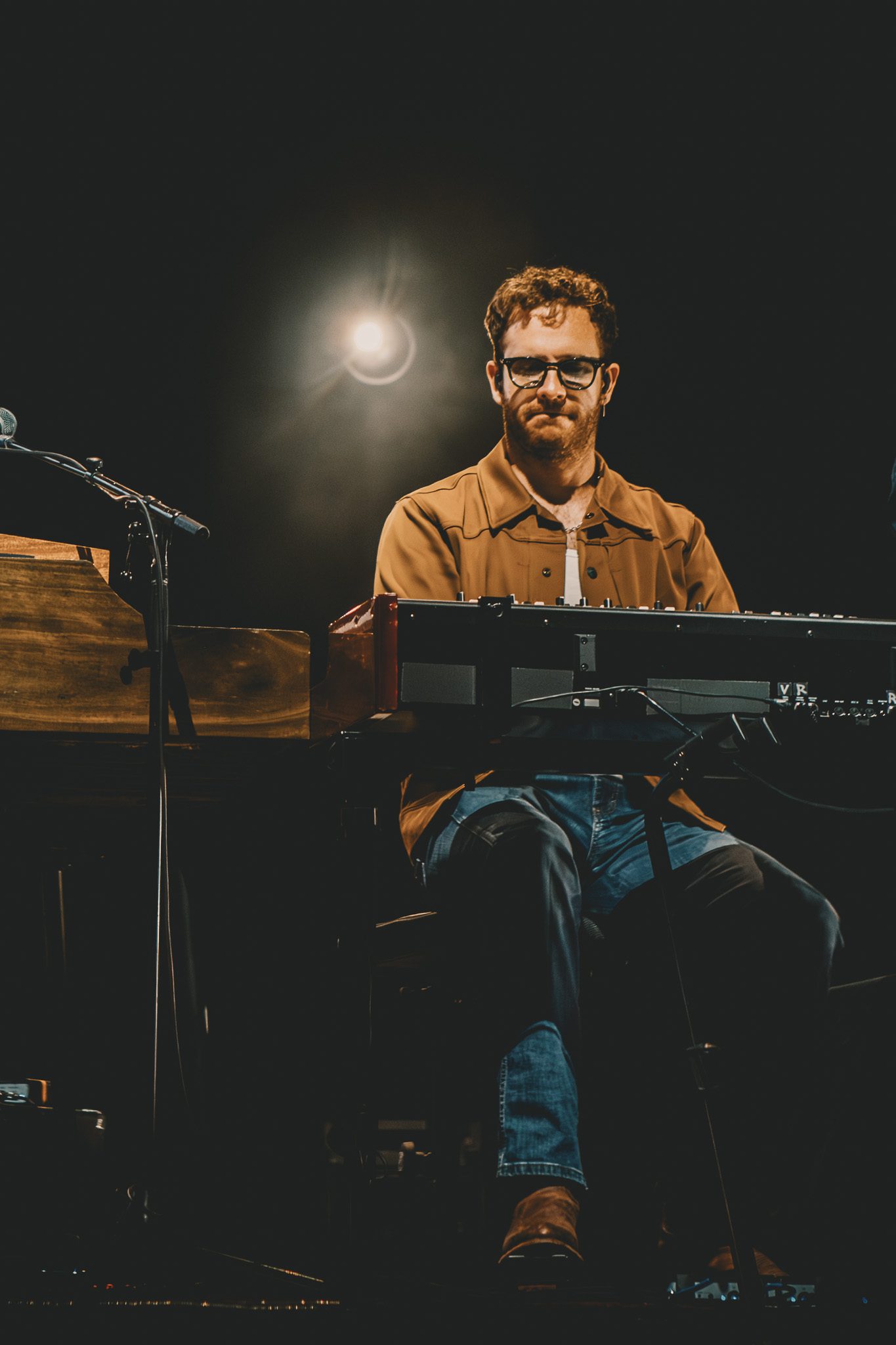
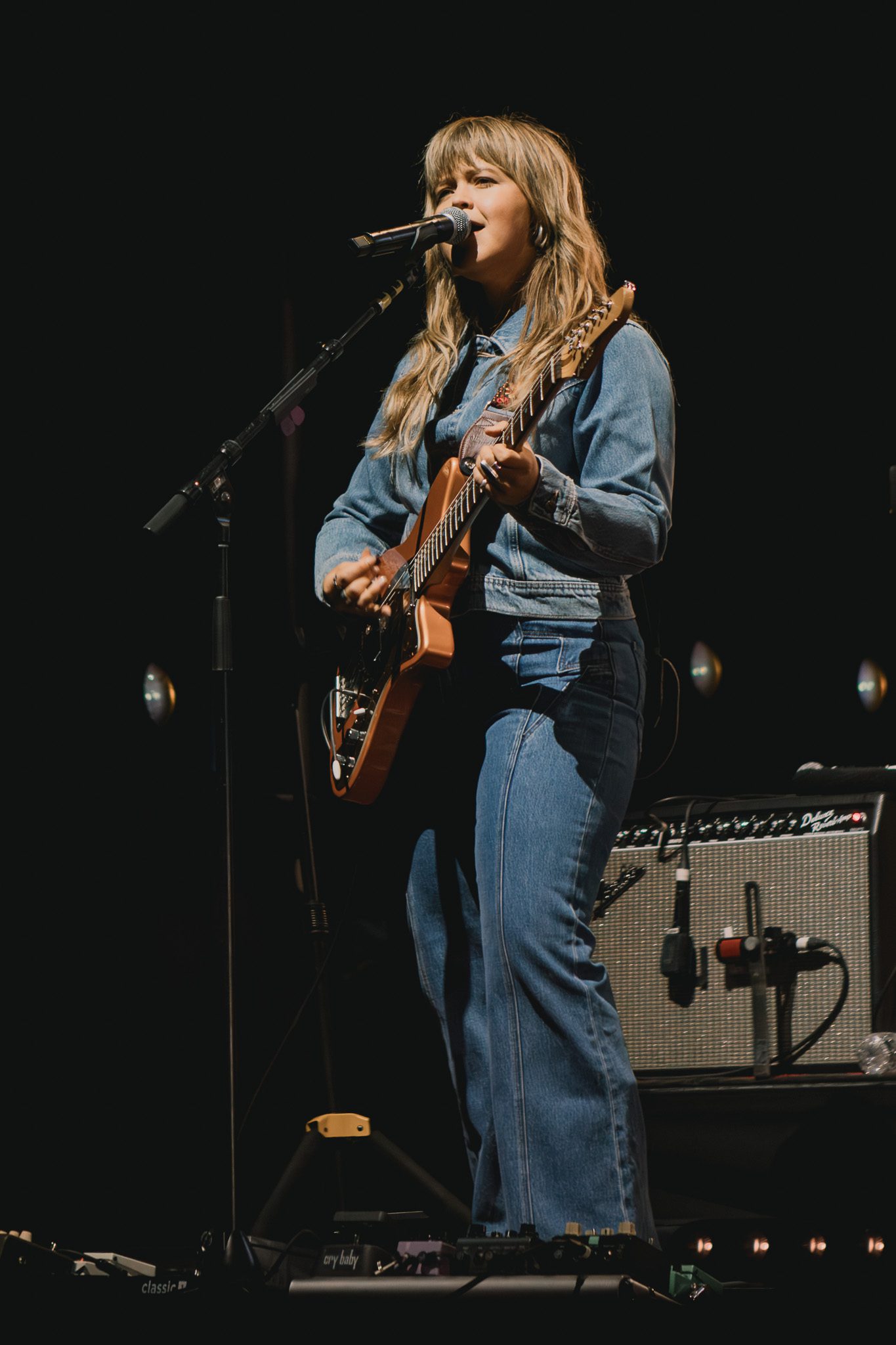
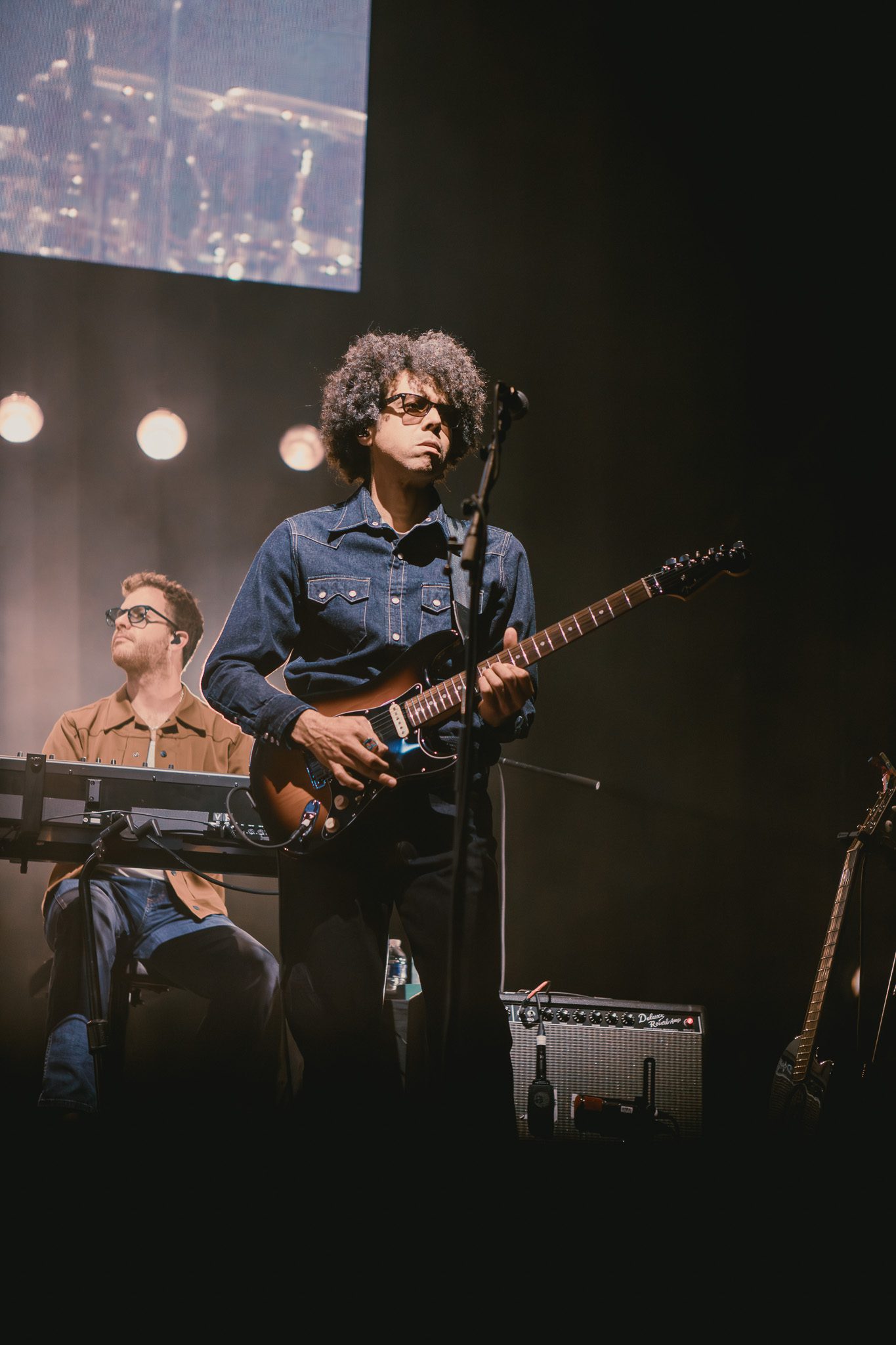
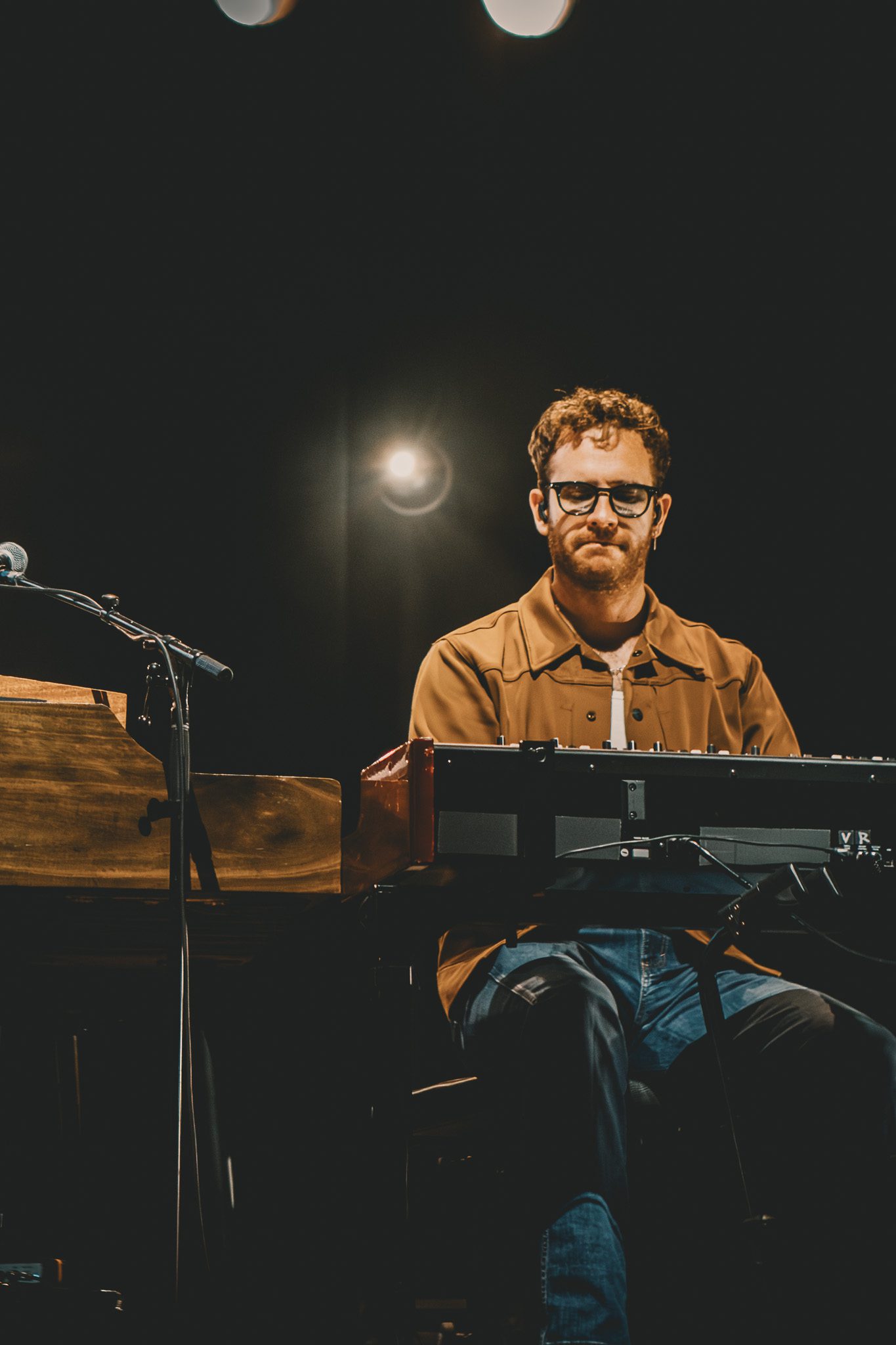
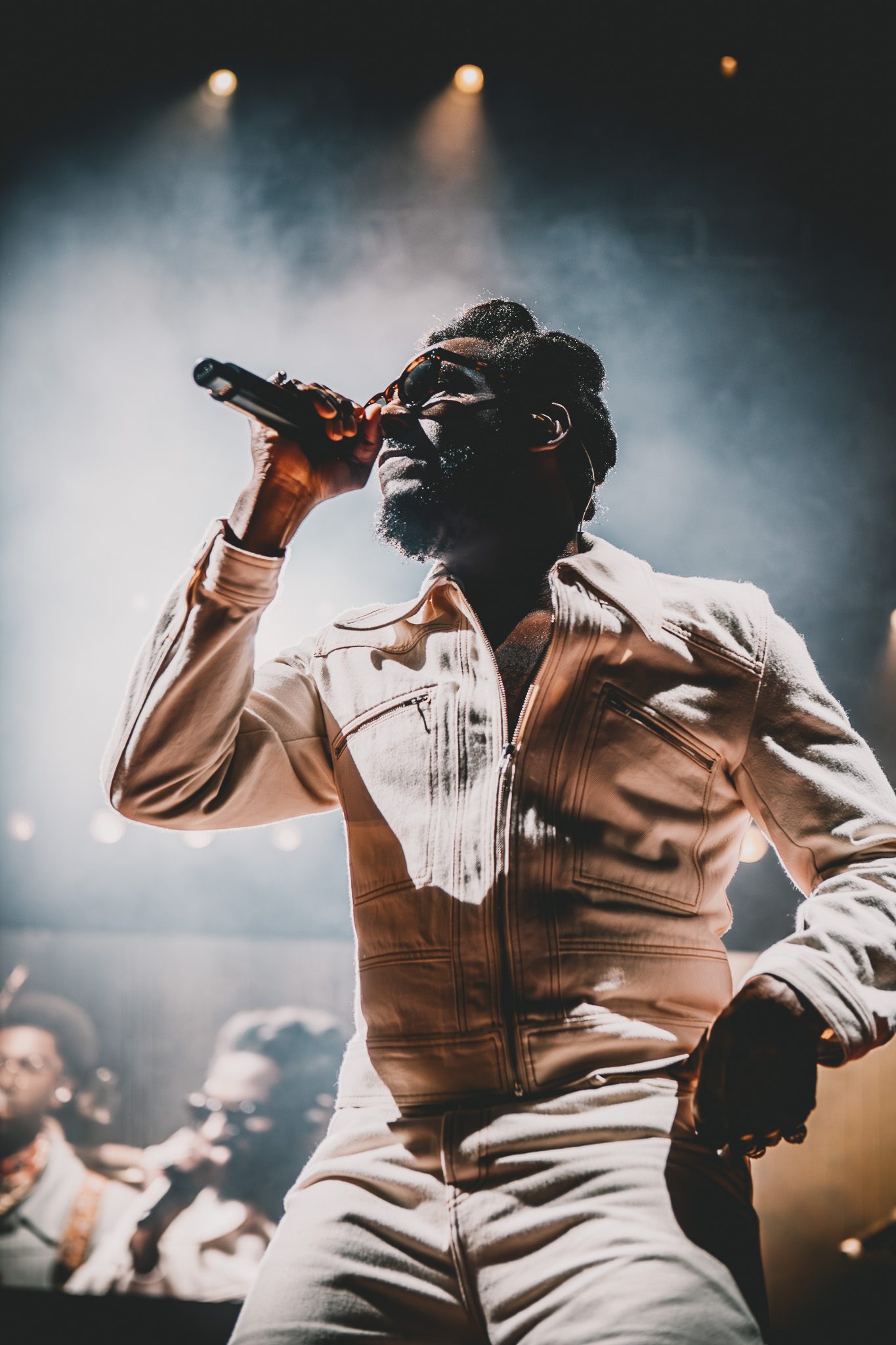
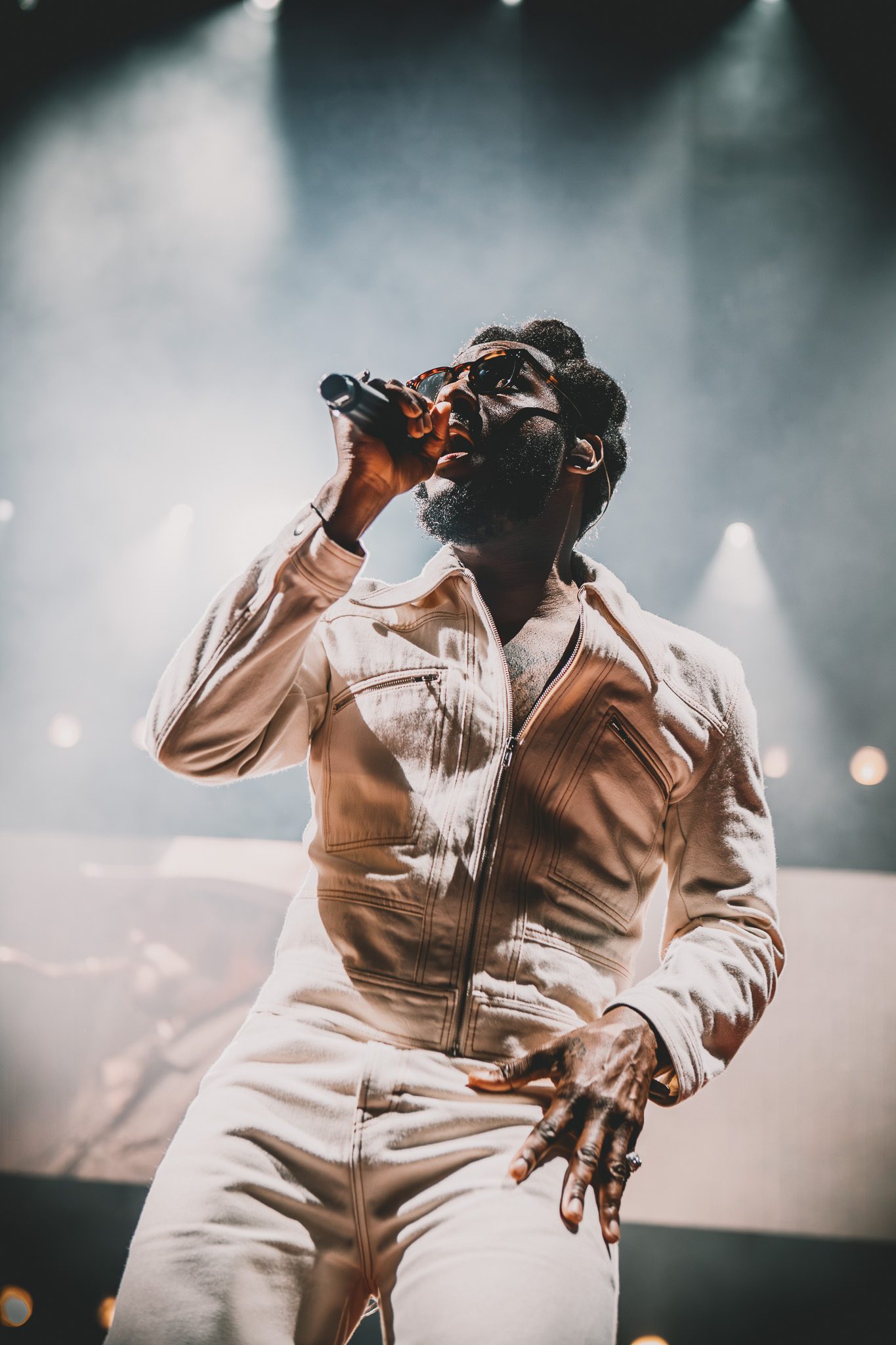
The crowd stood from the first note and never sat again. Forest Hills may be built for tennis, with its rows and seats, but last night it was a cathedral. Every falsetto, every trembling harmony seemed to life something from us: the weight of the week, the worry of the weather, the endless heaviness of the city. I had promised myself I’d leave early, to slip out before the storm broke. But when Bridges sings, leaving becomes impossible. His voice sews together your broken edges. His band wraps you in arrangements so lush, so textured, that time itself loosens its grip.
“Beyond” felt eternal, as if the air itself held its breath for the song. “Texas Sun” warmed us, even as the drizzle lingered on our skin and the wind whipped through the crevices between us. “Rivers” froze me in place, pulling me back to the memory of my father’s car, backseat windows rolled down as we drove north through desolate roads. Some songs become a map to the places you’ve been, and Bridges’ voice is a compass. I looked around and saw tears on strangers’ faces, each one tethered to their own private memory, yet all of us tied together in a chorus of belonging.
And then came the moment that felt like the universe itself closing a loop: Charley Crockett reappearing, stepping out beside Bridges to sing “A Change Is Gonna Come.” The two of them together – friends forged in the grit of Deep Ellum, Texas, years of hustling and busking now transfigured into a duet under the Forest Hills lights. You could see it in their eyes: the journey, the struggle, the triumph. It wasn’t just a performance. It was a circle completing itself.
When the last note drifted through the air, I swear the clouds finally exhaled. And maybe that’s the truth of it: on nights like this, music isn’t just heard. It alters the weather. It rearranges the air we breathe. It gives us back to ourselves.
CHARLEY CROCKETT | WEBSITE | INSTAGRAM | FACEBOOK | YOUTUBE
LEON BRIDGES | WEBSITE | INSTAGRAM | FACEBOOK | YOUTUBE

Leave a Reply