
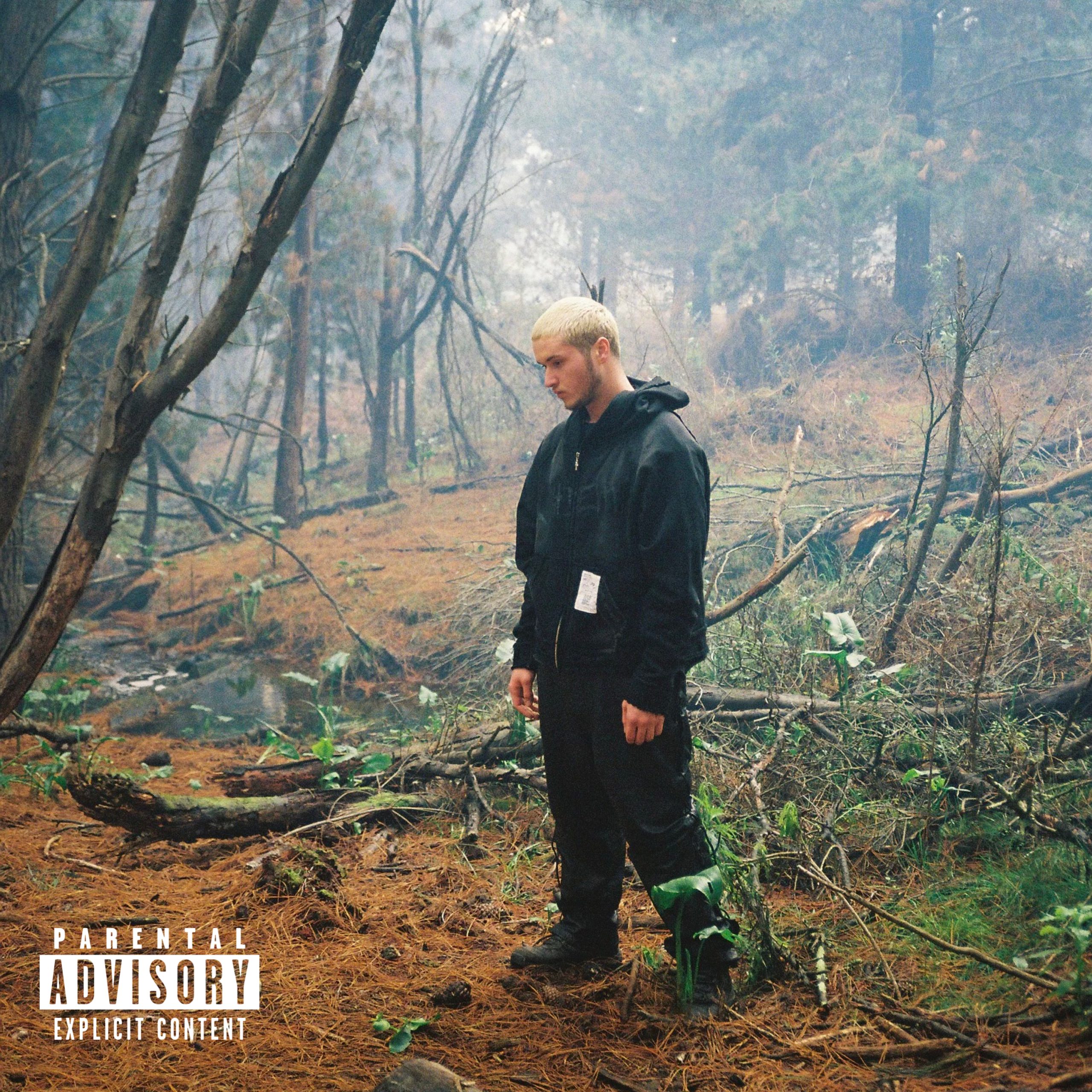
“Nostalgia” unfolds like a late-night thought you didn’t mean to linger on. Eduard Luli shapes the track as an emotional holding space, one where longing, loss, and reflection quietly coexist. Rather than pushing for a dramatic payoff, the song allows itself to hover, trusting the feeling to do the work. It’s a piece that understands nostalgia not as sentimentality, but as weight: something beautiful, heavy, and impossible to fully shake.
From the first moments, the track signals restraint. This is music that doesn’t rush resolution. It invites the listener inward, asking them to sit with the ache instead of outrunning it.
The production is ambient and enveloping, built from chiming synths, layered pads, and warm keys that feel like light leaking through fog. At a steady mid-tempo pace, the beat pulses gently beneath the surface, giving the song movement without breaking its introspective spell. The rhythm never dominates; it supports, like a heartbeat beneath memory.
Eduard Luli’s vocal delivery glides between melodic rap and hushed confession. His cadence feels intentionally measured, riding the instrumental rather than cutting through it. The contrast between soft, floating melodies and occasional percussive intensity mirrors the emotional push and pull at the song’s core, moments of calm interrupted by sudden waves of feeling.
“Nostalgia” centers on the quiet aftermath of emotional experience, the stage after heartbreak, when things are no longer raw but still unresolved. The lyrics speak to loss, longing, and reflection without spelling everything out, allowing listeners to project their own histories into the gaps. It’s less about a single event and more about the echo it leaves behind.
What gives the song its strength is its emotional honesty. There’s no posturing, no exaggerated despair. Instead, Luli captures the subtle turbulence of remembering: how certain moments refuse to fade, how memory can comfort and unsettle at the same time.
This track will resonate deeply with listeners drawn to ambient, emotionally driven rap, particularly fans of heartbreak-centered music that prioritizes mood over bravado. Younger audiences navigating loss, change, or emotional uncertainty will find familiarity here, not because the song tells them what to feel, but because it understands where they are.
With “Nostalgia,” Eduard Luli continues carving a space where vulnerability and atmosphere meet. The song doesn’t aim to impress through excess; it lingers through feeling. Its strength lies in subtlety, in trusting that emotion doesn’t need to be shouted to be heard.
This is a track that stays with you, not because it demands attention, but because it mirrors the way memories do: quietly, persistently, and just beneath the surface.
Leave a Reply