
In January, a message flickered to life on our community chatroom. Amanda Spargo, our Pennsylvania contributor, celebrating her approval for Runway 7’s NYFW showcase. There was a quiet curiosity inside me. Instantly, I was intrigued. What followed was a brief exchange that felt like the beginning of something unknown yet thrilling: we decided to move as a unit, she at the forefront, and I stepping in as her assistant, orbiting the opportunity together.
But as quickly as plans form, they sometimes dissolve. They slipped through the cracks, quietly, but understandably. And so, on February 14 – when the city softened under the illusion of love and possibility – I found myself stepping into Sony Hall alone. No expectations. No blueprint. No real understanding of what waited beyond the doors.
Truthfully, Runway 7 had never crossed my radar until Amanda spoke its name into existence for me. My knowledge of NYFW was surface-level at best, and fashion media itself felt like an entirely different language, one I had yet to learn. But I arrived ready, open to whatever unfolded. And almost immediately, I was forced to adapt to the relentless, unyielding pace that defines New York Fashion Week.
Founded in 2018 in New York City, Runway 7 has since expanded beyond its origins, stretching outward into a global presence. Its mission feels both intentional and rare within the fashion landscape: to act as a bridge, connecting emerging, international designers to a stage that might otherwise remain out of reach.
Their NYFW showcase has become embedded in the city’s rhythm, drawing crowds with ease and filling venues with a palpable sense of anticipation. For designers and models alike, it offers something invaluable: visibility. A direct line into recognition within an industry that often feels impenetrable.
What sets Runway 7 apart is its scale and endurance. Over the course of four days, dozens of designers cycle through the runway, each bringing their own language of fabric, structure, and identity. Couture blends into ready-to-wear, which dissolves into experimental silhouettes, creating a constantly shifting visual narrative.
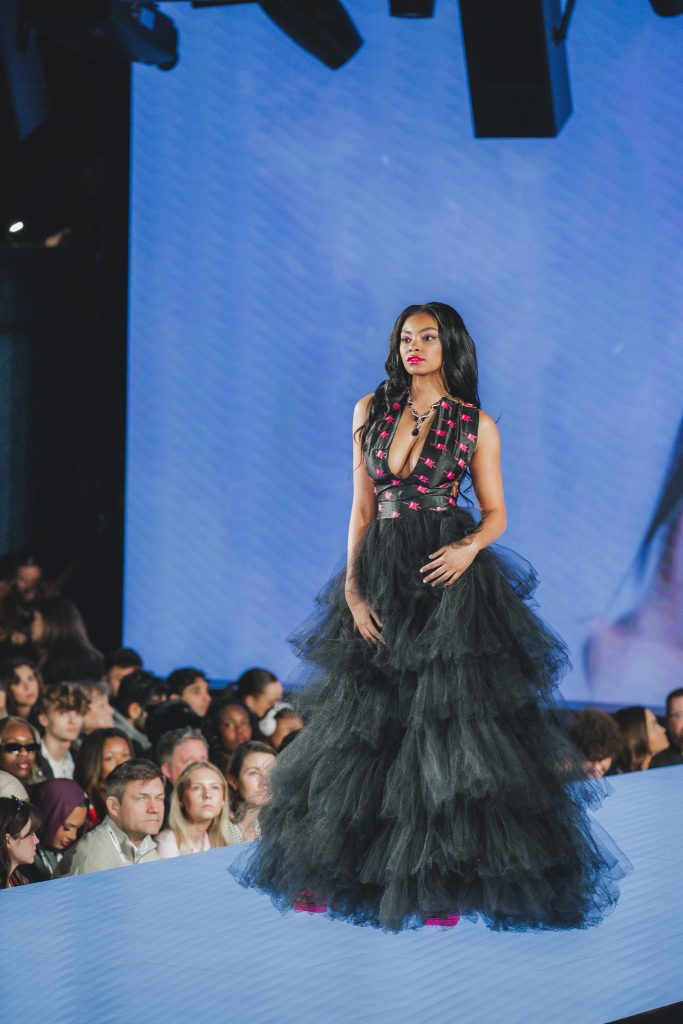
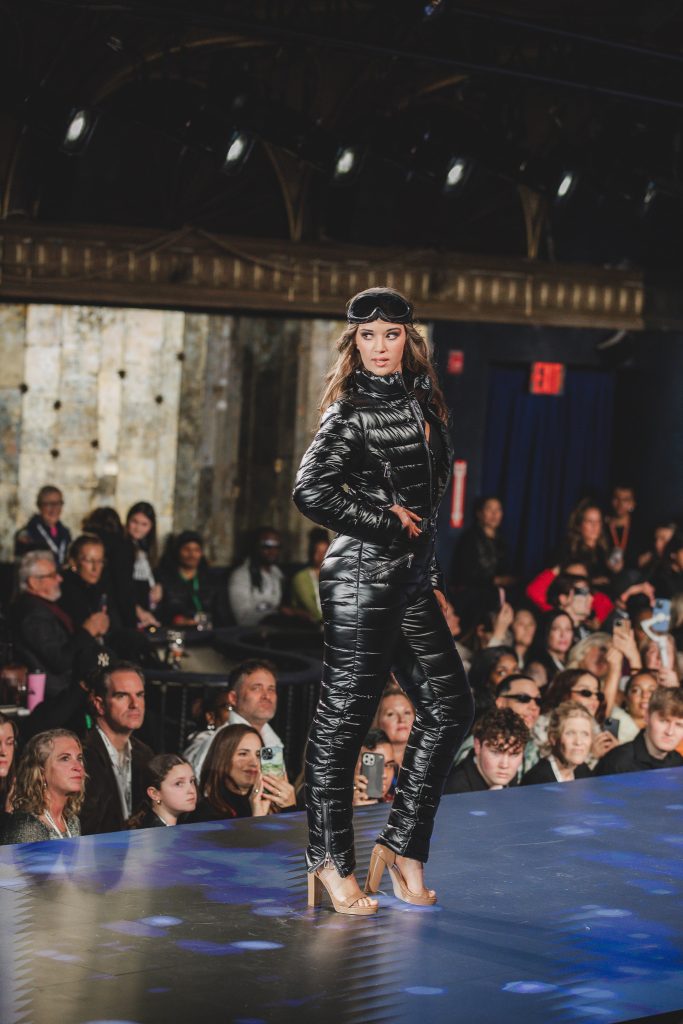
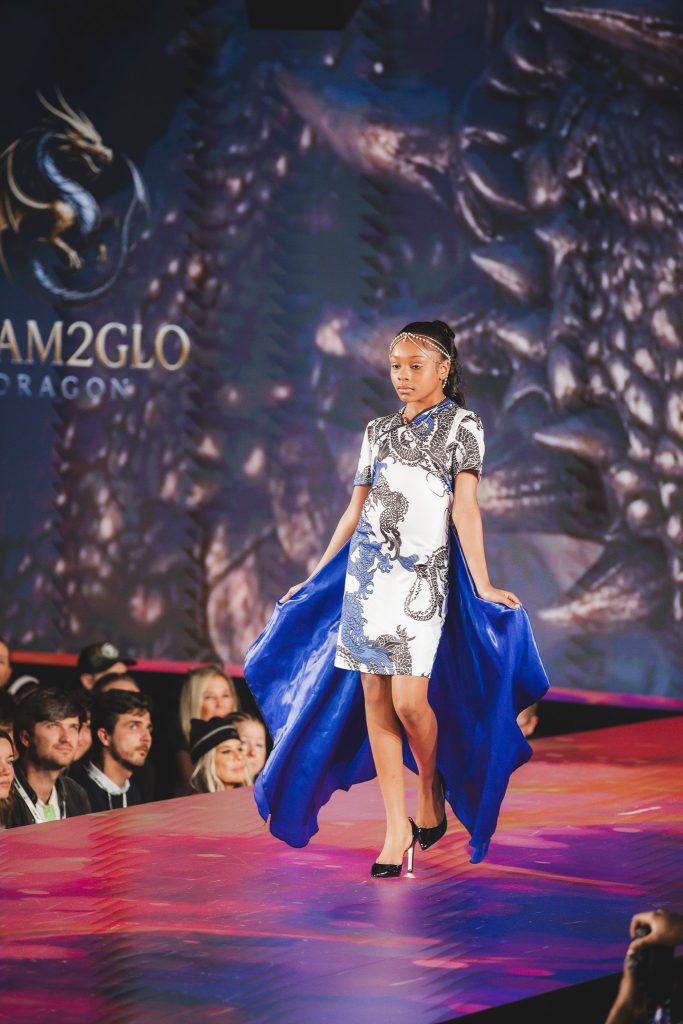
And then there is the production – arguably the most magnetic quality. Immersive venues. Towering LED screens. Lighting that bends and reflects across garments like liquid. Music that pulses beneath each step. At times, it feels less like a runway and more like a performance, something theatrical, almost cinematic.
At its core, Runway 7 thrives on diversity – of culture, design, and aesthetic. Its application-based model opens the door to creatives at earlier stages in their career, offering them something that is often withheld: space.
Beyond the runway itself, Runway 7 extends its reach into every layer of the production. Casting, styling, makeup, staging. It constructs a full ecosystem around the show. And perhaps most importantly, it offers exposure.
In an industry where visibility is currency, Runway 7 provides access to influencers, press, digital platforms, channels that can be otherwise difficult to penetrate. It stands as one of the most accessible showcases during NYFW that still maintains a sense of scale and spectacle.
That accessibility, however, is not without critique. Some argue that participation can be costly, and that opening the stage to lesser-known designers dilutes a sense of exclusivity that the industry is built around. Prestige, in traditional fashion, is often tied to gatekeeping.
Yet Runway 7 seems uninterested in those boundaries. It operates on a different wavelength, one that prioritizes opportunity over elitism. And in doing so, it has carved out a space that feels both necessary and disruptive.
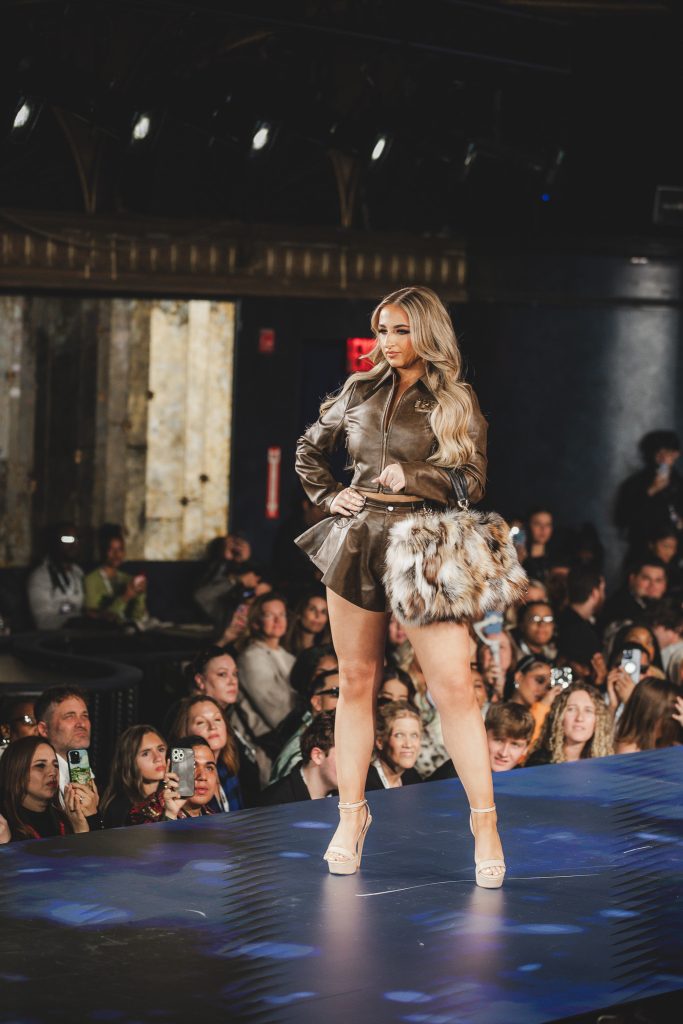
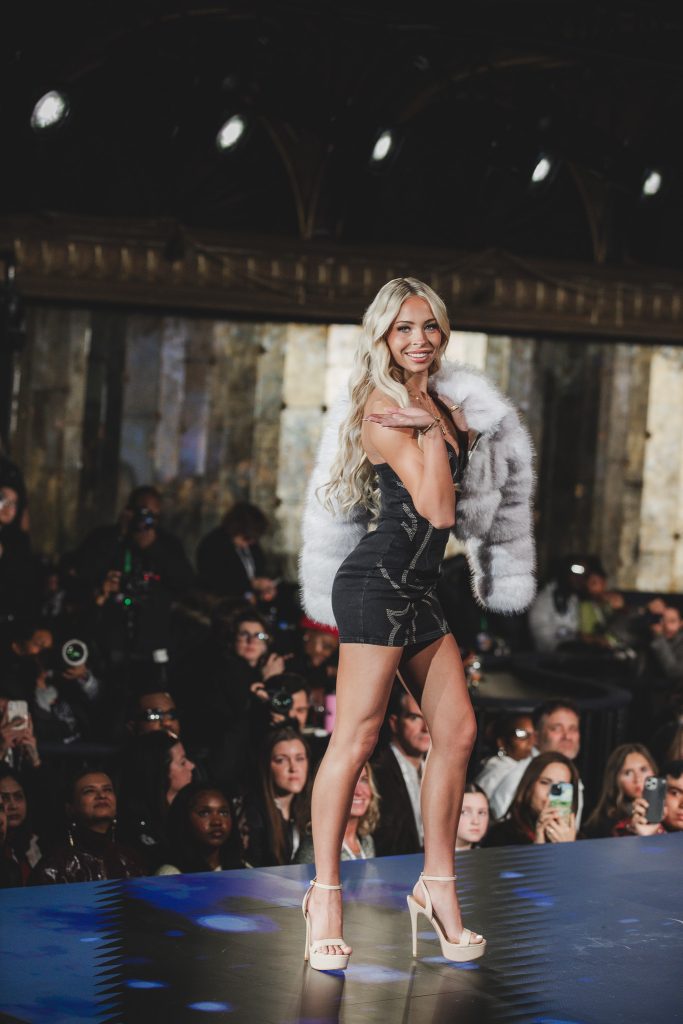
Exposure sits at the center of Runway 7’s identity, and it was the first thing I felt upon entering Sony Hall early that day. The room was overflowing, not just with attendees, but with media. Cameras. Lenses. Movement. Noise. There was barely any space to breathe, let alone shoot.
As someone accustomed to structured photo pits and controlled environments within the music scene, this was something else entirely: chaotic, unfiltered, almost survivalist. And yet, there was something strangely refreshing about it. The access was wide. The door was swung open. Anyone with a camera and a purpose was allowed to exist in that space.
The room was packed, especially for what was arguably one of the most anticipated days of NYFW. The demand was undeniable. Runway 7 had built something people wanted to witness.
But from a photographer’s perspective, it was a battle. Elevated platforms became contested territory. Sightlines vanished the moment you found them. More often than not, someone would step directly into your frame, blocking the shot entirely.
At times, I found myself wishing I had taken a different route, accepted a press ticket instead, sat down, and simply absorbed the show as it was meant to be seen. There was a beauty unfolding on the runway that was difficult to fully capture when you were fighting just to see it.
The environment was competitive – immediately, almost instinctively so. Photographers weren’t there to connect. They were there to get the shot. Whatever it took. It was unfamiliar, even jarring, coming from the music world, but in that discomfort, there was growth. It forced me to rethink how I move, how I frame, how I adapt.
With the space so constrained, I made the decision to focus on a single set of designers. I had positioned myself on a narrow bartop, somewhere I wasn’t meant to be, and every shift in balance felt like a risk. One wrong step and the night could have ended very differently. But what unfolded in front of me made it worth it.
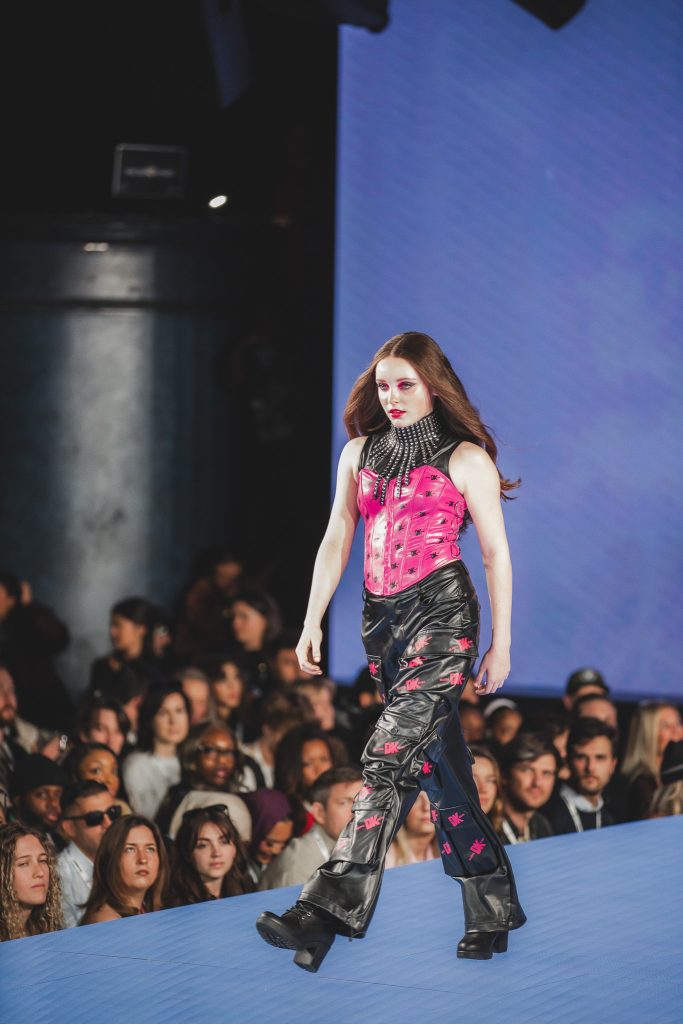
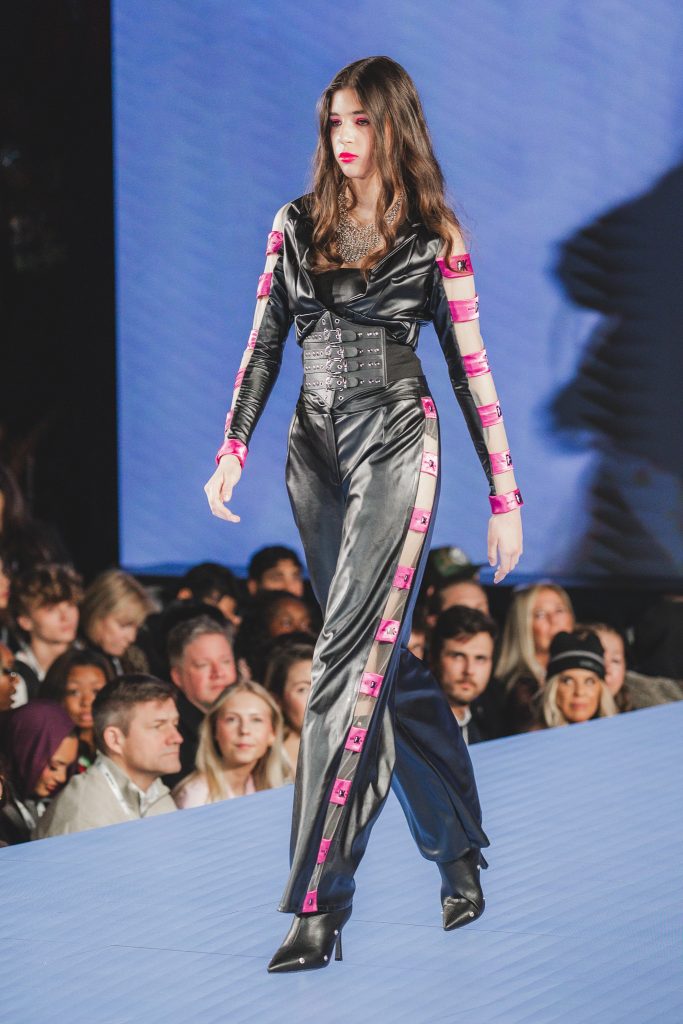
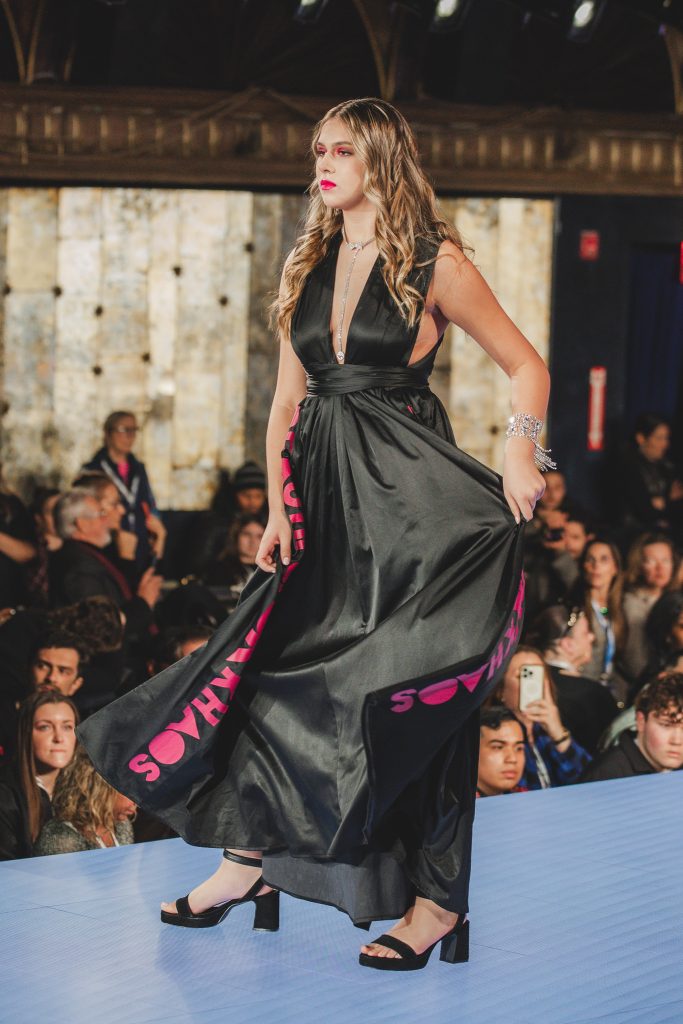
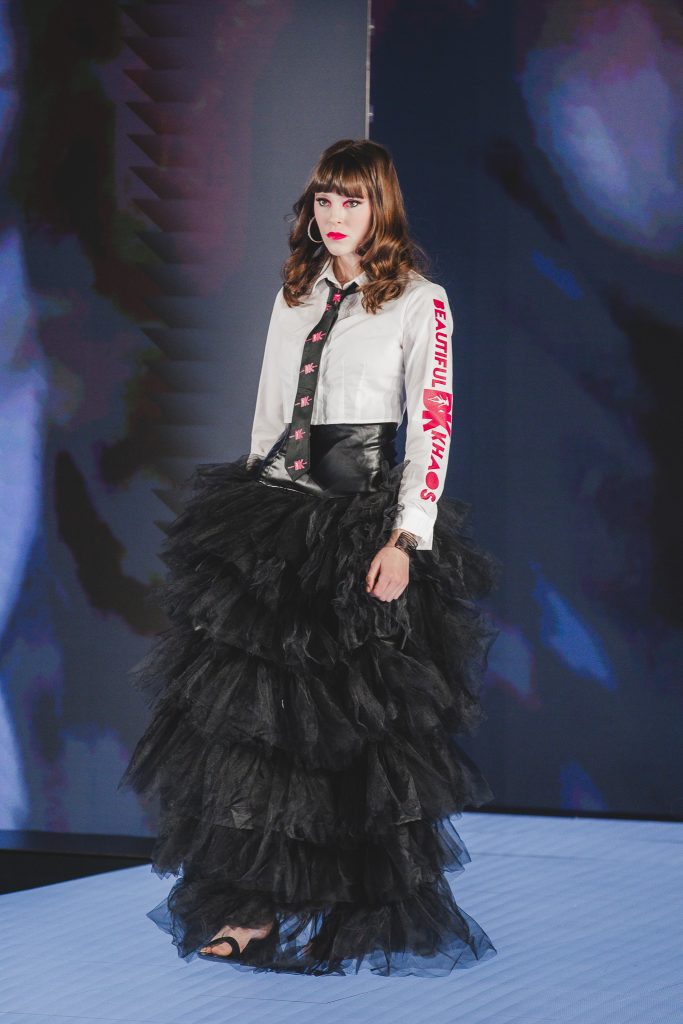
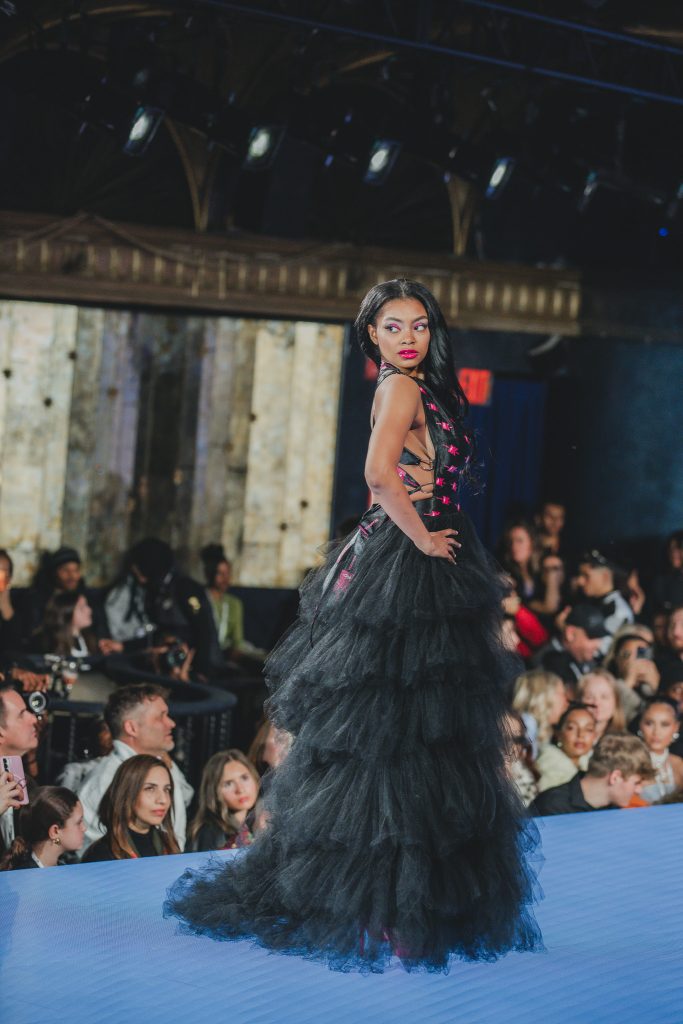
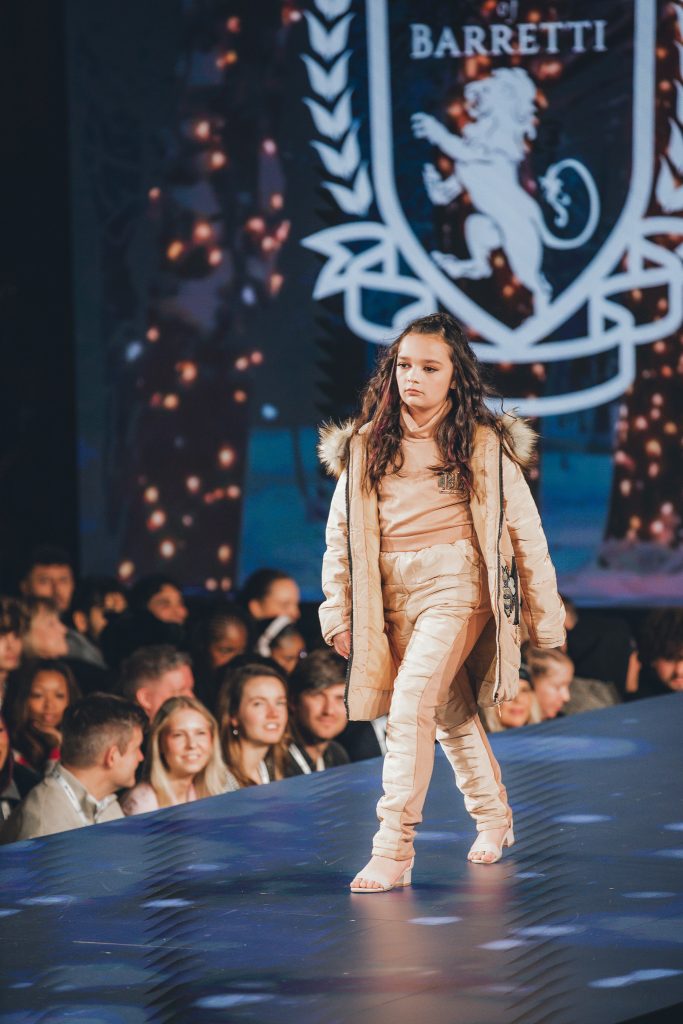
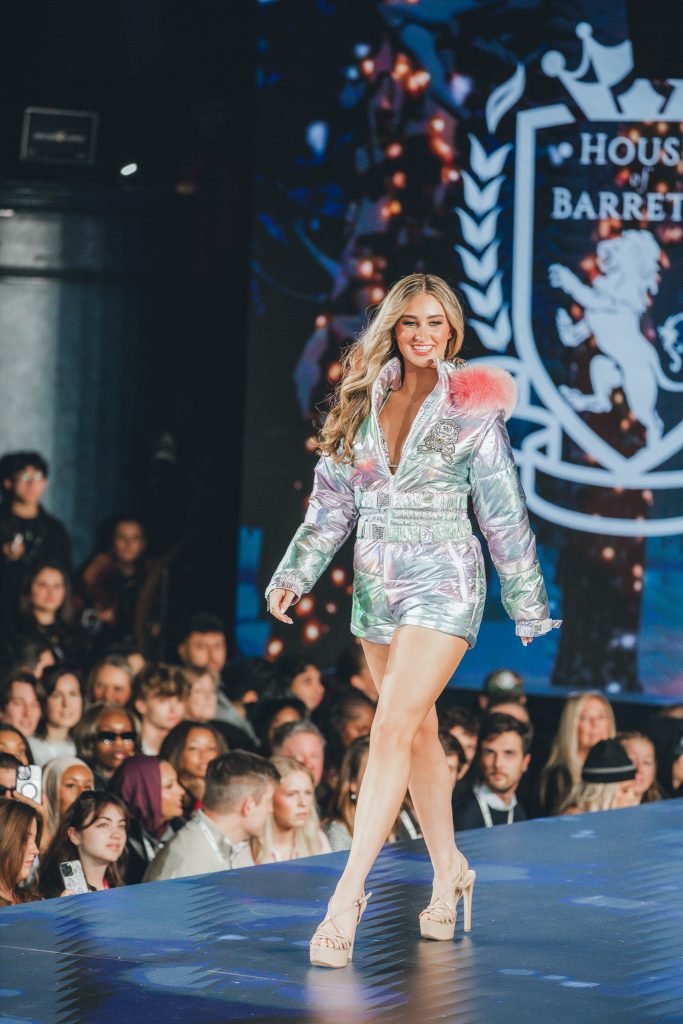
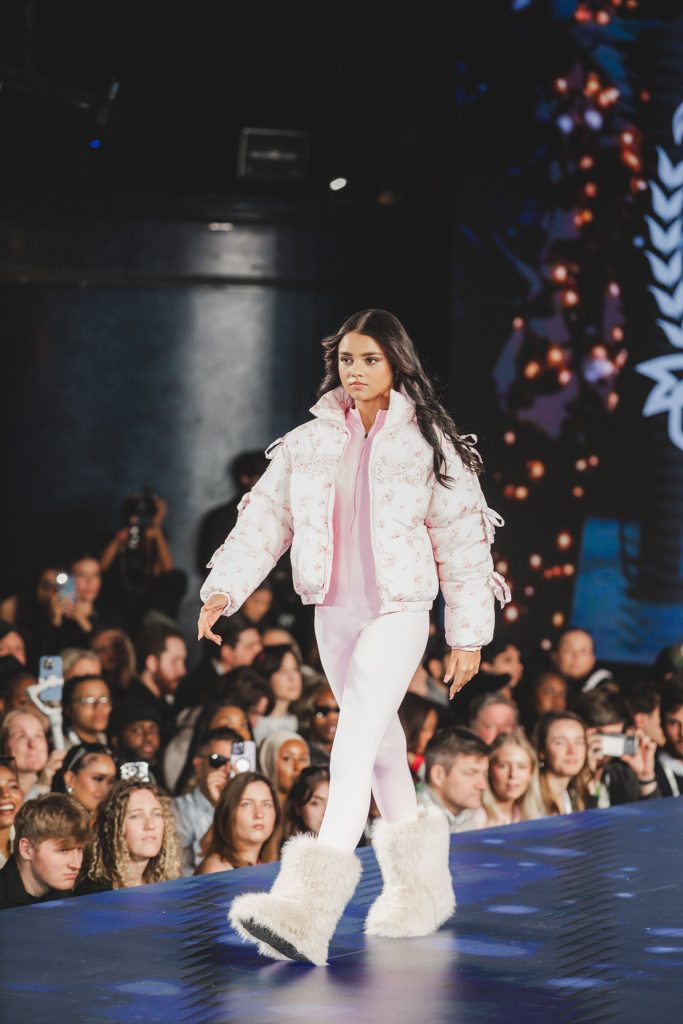
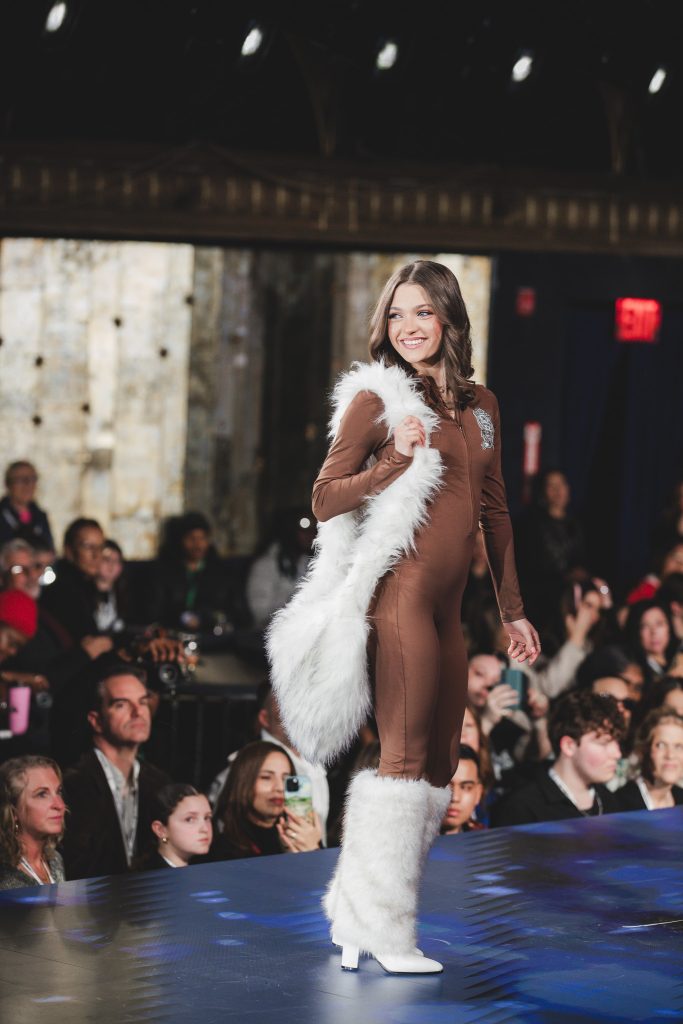
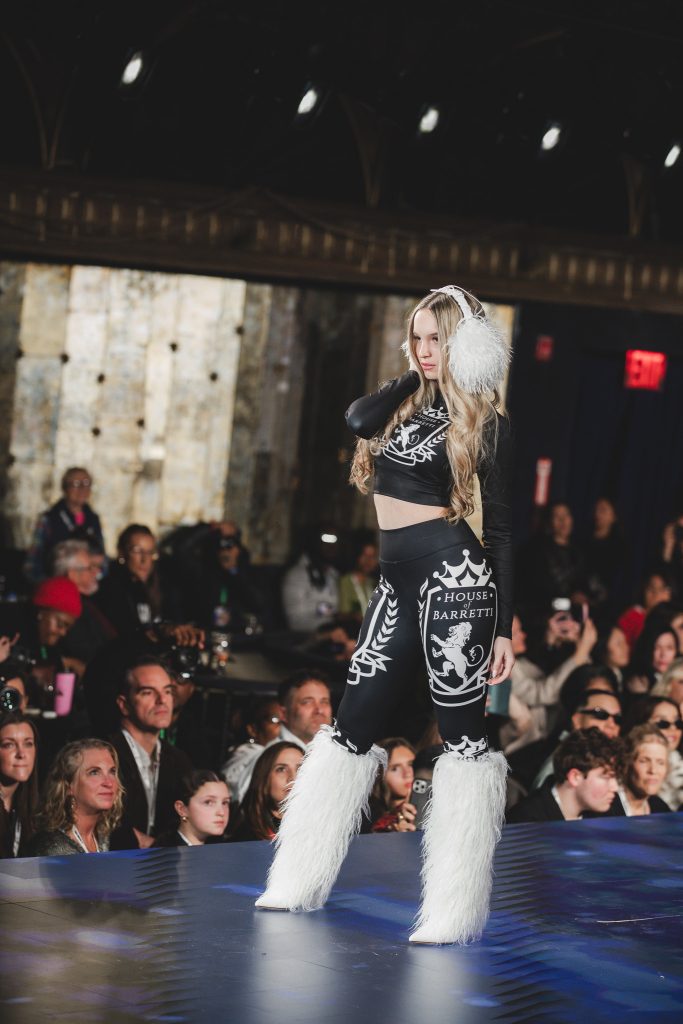
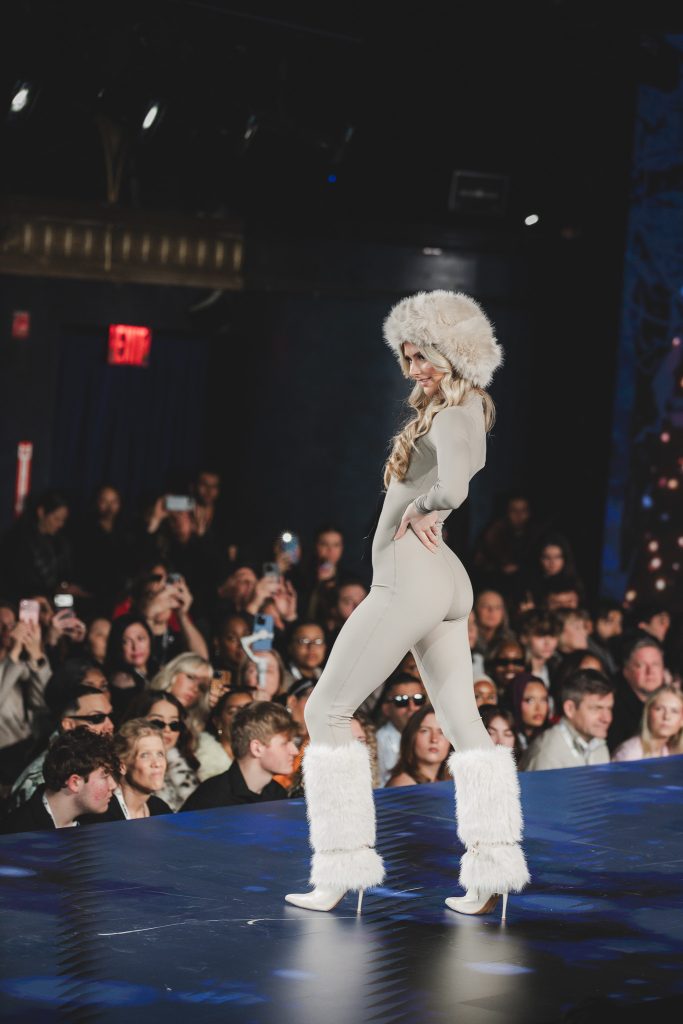
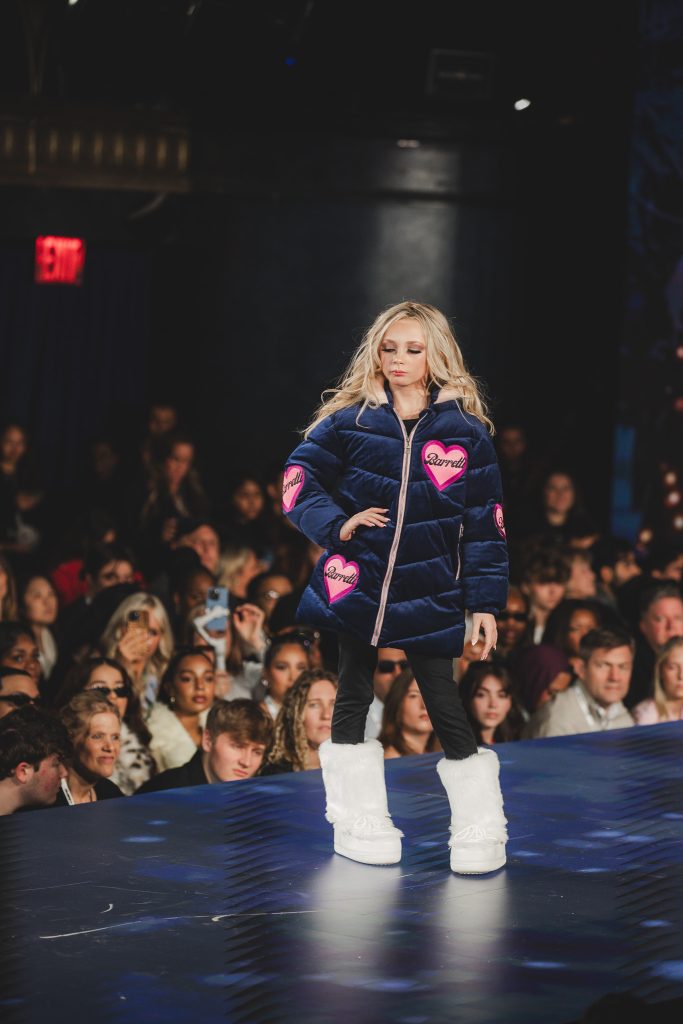
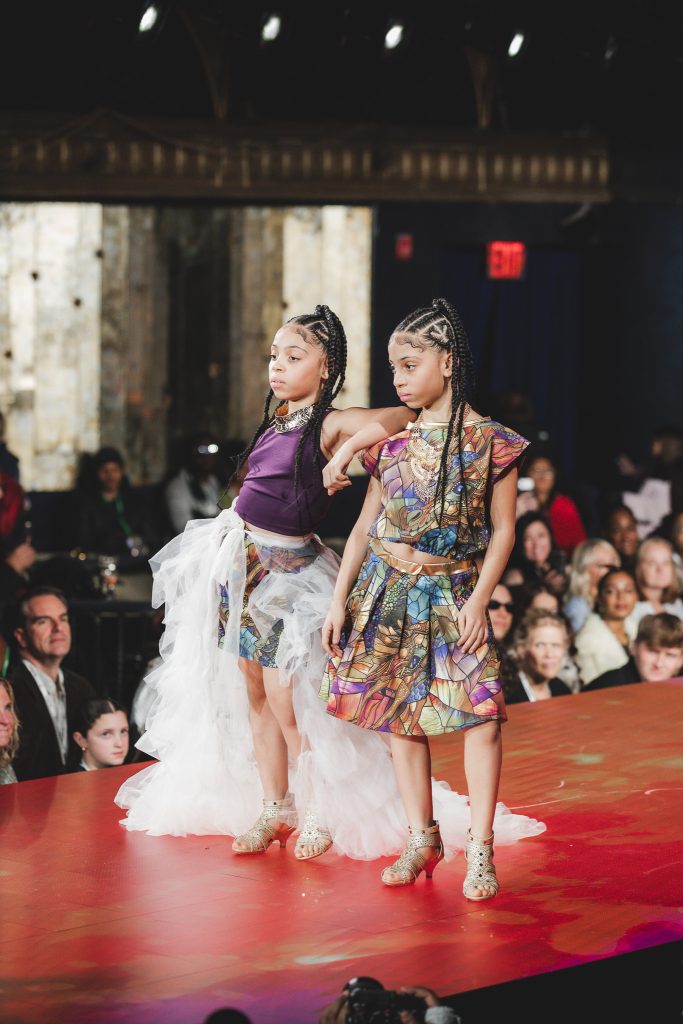
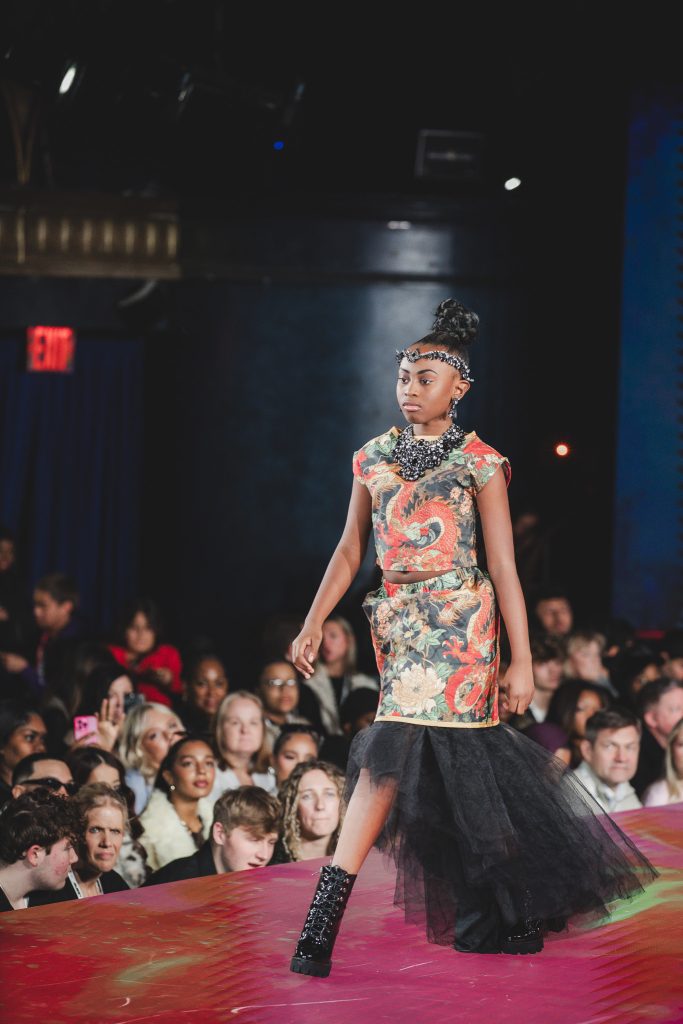
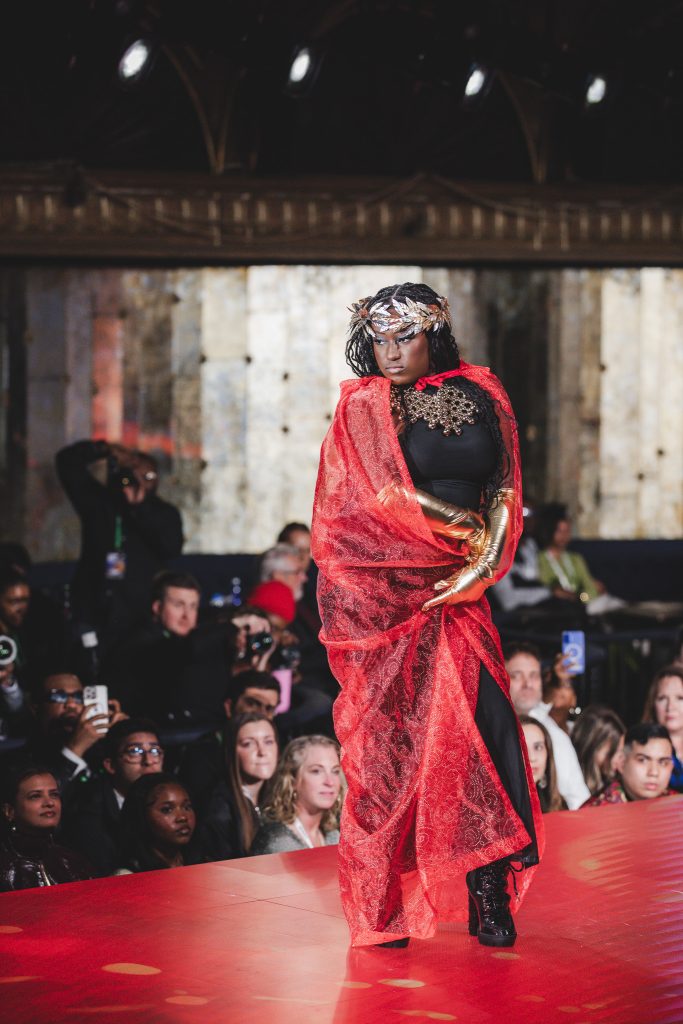
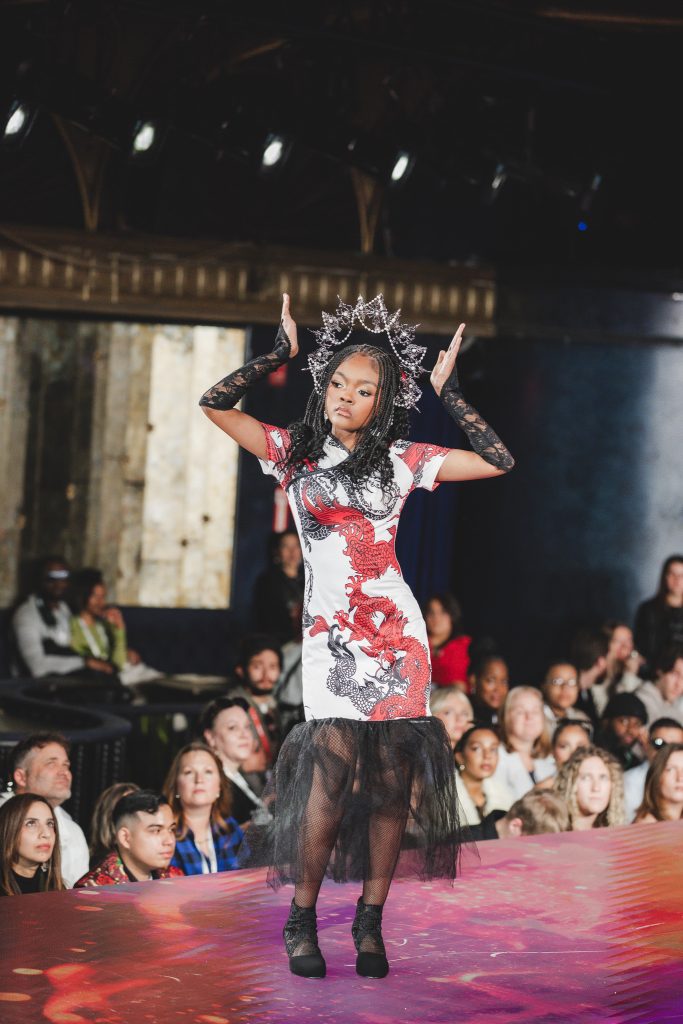
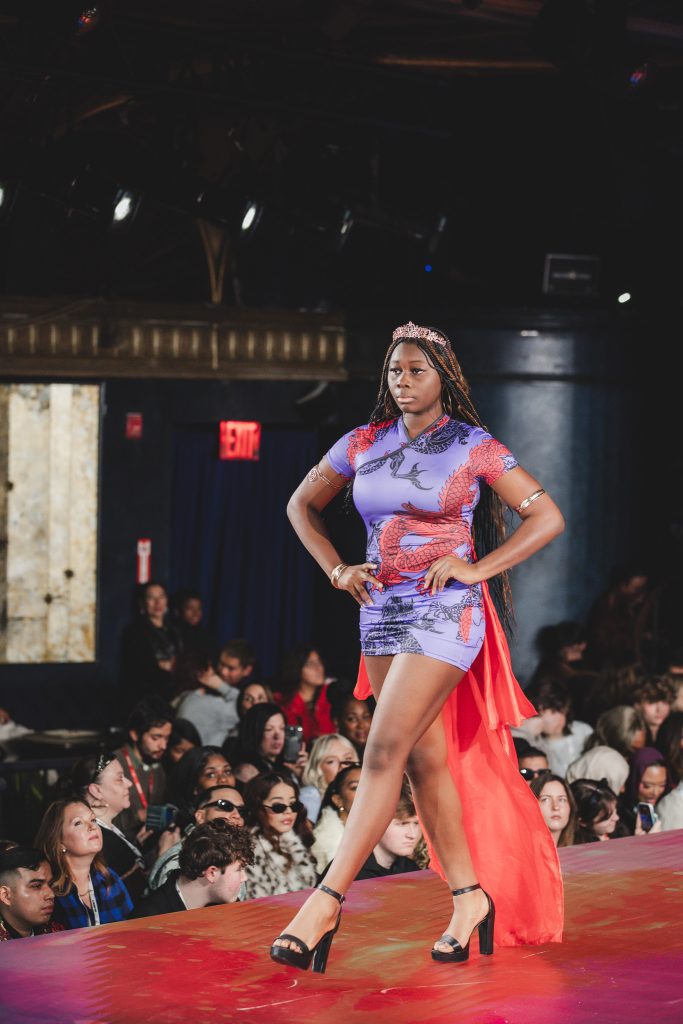
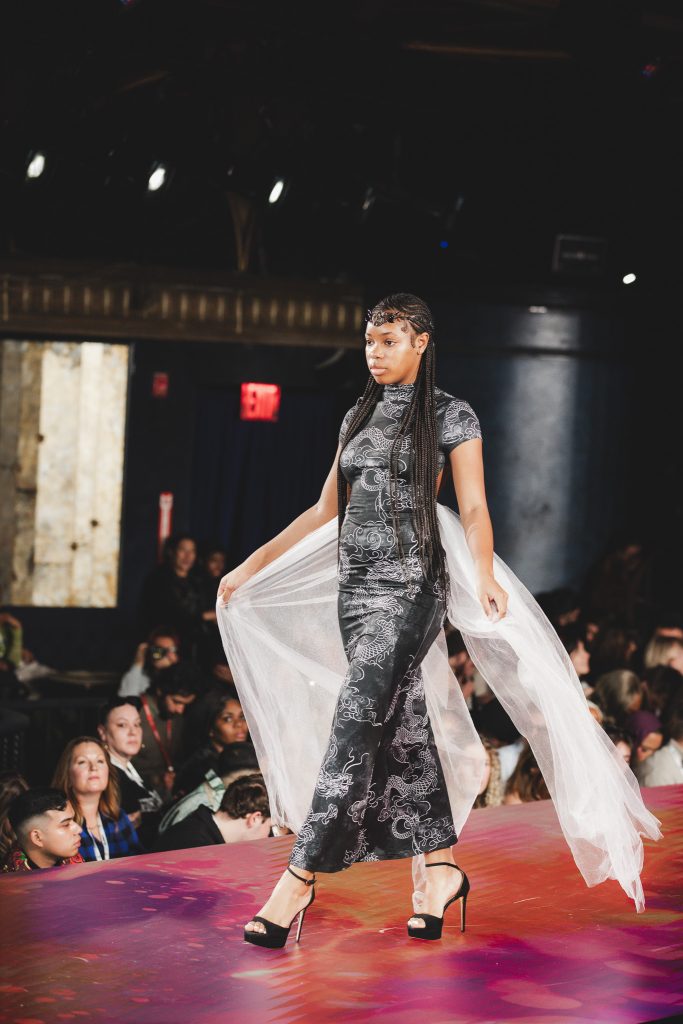
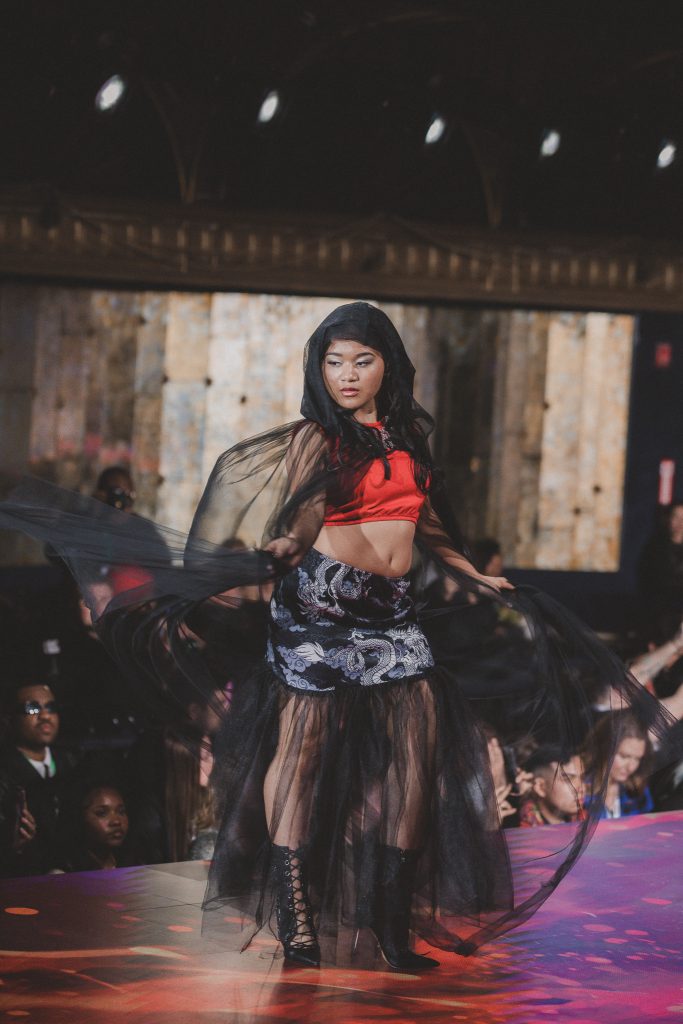
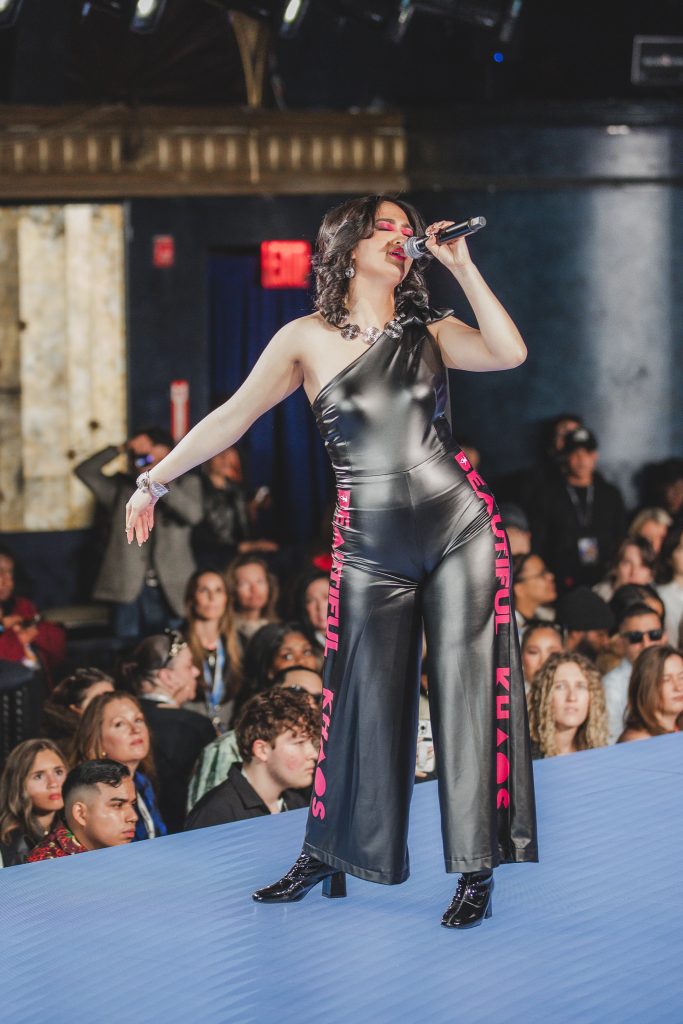
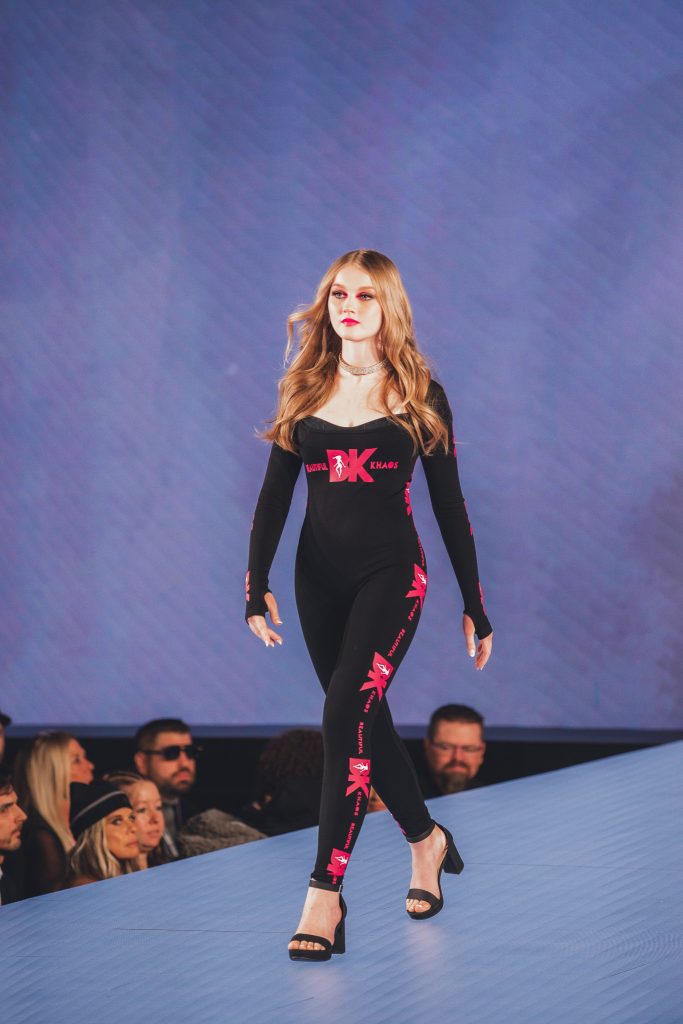
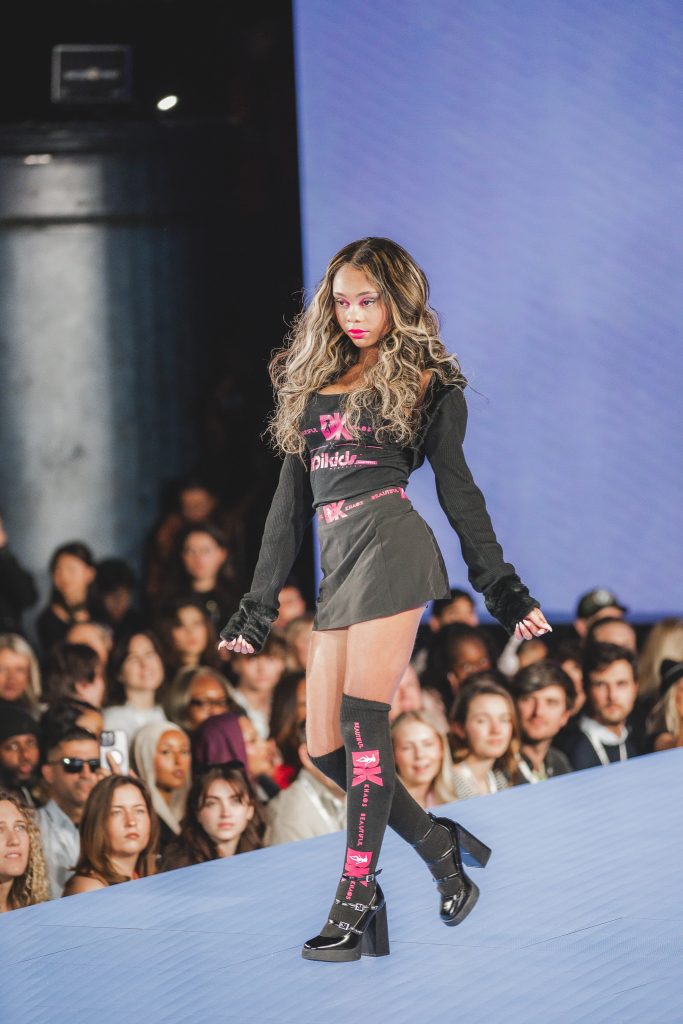
The runway stretched wide, illuminated by LED light that caught every movement, every texture, every detail. The garments shimmered as they passed, reflecting light in a way that felt almost intentional, as if they were meant to be seen exactly like this.
This may not have been the most prestigious stage in fashion, but the designers carried themselves as if it were. No corners were cut. No effort was spared.
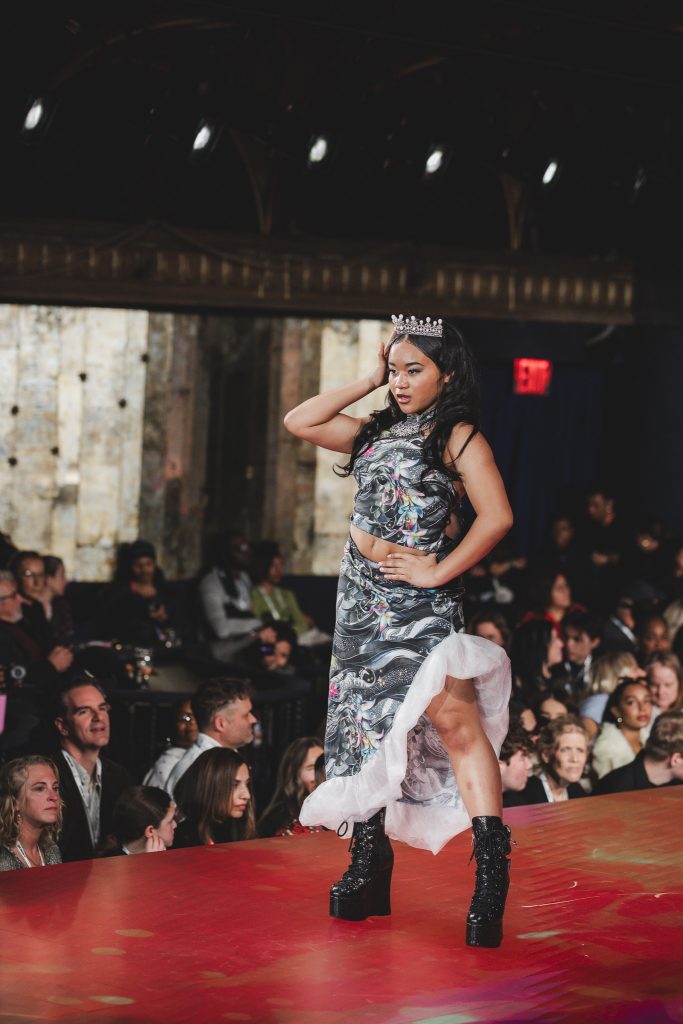
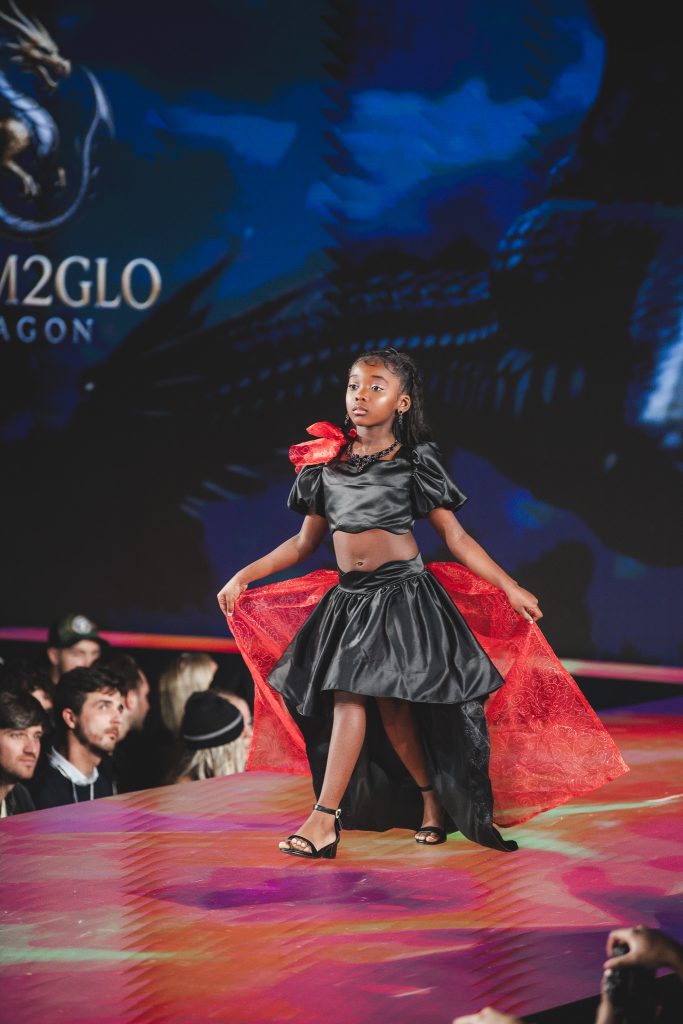
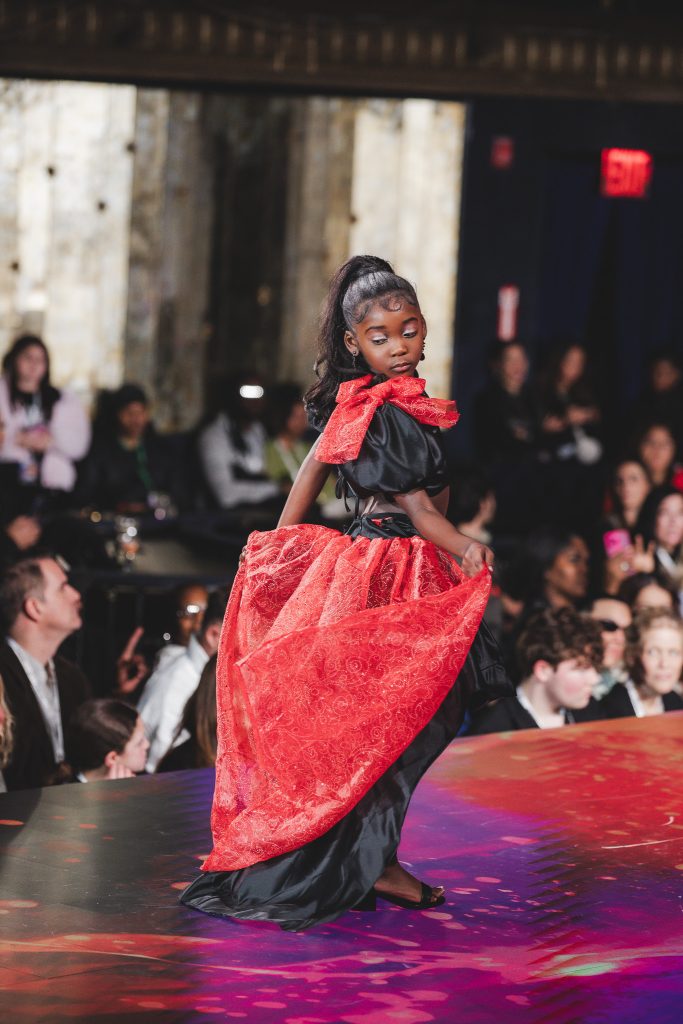
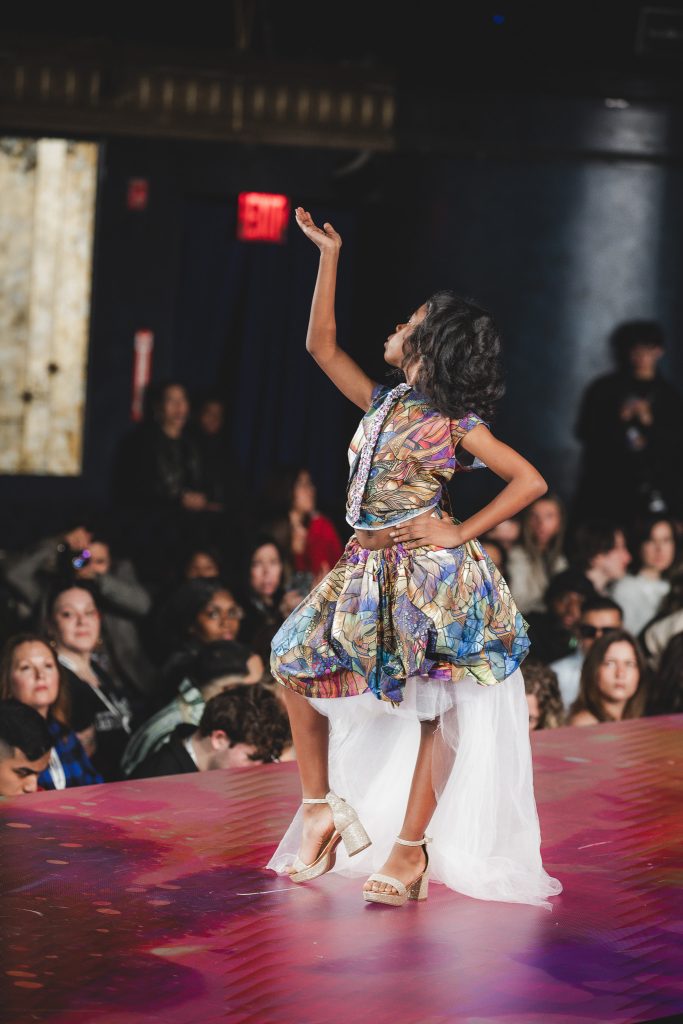
One collection, in particular, lingered with me: a medieval-inspired set that felt almost otherworldly. The pieces were intricate, layered, deliberate. And the models, many of them young, moved with a confidence that surpassed expectation. They didn’t just walk the runway. The commanded it. In that moment, they outshone everything around them.
Ultimately, my experience as a media representative within Runway 7 was complicated. The atmosphere, particularly among photographers, felt unwelcoming at times, shaped by intensity, judgment, and competition. But that tension does not define Runway 7 itself.
What they have built is undeniably impactful. Their production is expansive, their reach continues to grow, and their mission – to amplify emerging designers – holds real weight.
In an industry that often feels closed off, Runway 7 pries open the door. And for that alone, it matters.
Leave a Reply