

Naz Hejaz‘s debut album Human Halfway House is not simply a collection of songs—it’s an immersive odyssey into the collapse of the human condition under digital weight. Sprawling across ten meticulously crafted tracks, the album is part dream-sequence, part fevered hallucination, and entirely a confrontation with the techno-gluttony of our age. Created over three years and completely self-released, Human Halfway House is a genre-fluid experiment in vulnerability, seduction, and rebellion—drifting between dark electronic pop, cinematic synthscapes, and spectral disco with a narcotic pull that never lets up.
From the first beat, Human Halfway House casts a thick spell: pulsing basslines, whispered robotic incantations, moaning synths, and the kind of lo-fi textures that feel lifted from a corrupted dreamscape. It’s music as mood, music as architecture—where every sonic choice serves to build a collapsing cathedral of indulgence.
The production is lush yet haunting, glittering with disco sheen one moment and descending into analog decay the next. The influence of Pink Floyd’s progressive sprawl, vintage Disney’s eerie innocence, and the tactile intimacy of Italian erotica permeate each track like a ghost. At times you feel seduced; at others, you feel watched.
It’s as if Hejaz has crafted a soundtrack for the last nightclub on Earth—beautiful, broken, and bathed in neon light.
At its core, Human Halfway House is about unraveling—of identity, of control, of humanity. The album’s conceptual arc moves from curiosity and compulsion to chaos and collapse, echoing the emotional rhythm of addiction, technological codependence, and spiritual dissociation.
“Incurable Dream,” the lead single, exemplifies this descent. It explores the maddening allure of self-destruction with delicate detachment. Hejaz sings—or rather intones—with chilling resolve. It’s a love song for your vices, dressed in velvet and static.
Other tracks delve into themes of escapism, synthetic intimacy, and the illusion of control in a wired world. There’s no single villain here—only reflections in the mirror. And that’s where the darkness creeps in; not from outside, but from within.
Naz Hejaz isn’t merely playing with dark pop tropes—they’re deconstructing them. The quasi-terrestrial label isn’t just clever branding; it’s an artistic stance. Hejaz floats in liminal space: too alien for mainstream pop, too human to be ambient background. Their voice is both synthetic and sorrowful, weaving through the songs like a ghost in the machine.
This is music that revels in contradiction—opulent and minimal, emotionally raw and sonically calculated, nostalgic and future-facing. It’s that unique combination that makes Human Halfway House feel less like an album and more like a curated exhibit of broken dreams.
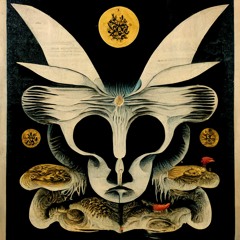
STANDOUT TRACKS:
- “Incurable Dreams” – A shimmering descent into seductive addiction, this track captures the album’s central thesis: the longing for what you know will destroy you. With haunting vocal layers and glistening synths, it’s both a warning and a surrender.
- “Wake Up!” – A jarring and cinematic turning point in the album’s narrative arc. Bursting with distorted urgency and a dystopian pulse, this track feels like an alarm bell inside a lucid dream—calling the listener to consciousness in a world built to sedate.
- “Medication” – Oscillating between numbness and need, this track simulates the dull ache of pharmaceutical dependency. It pulses with a steady, synthetic heartbeat—cold, clinical, and strangely comforting.
- “Moonlight, So Blue” – The emotional low tide of the album. Languid and drenched in melancholy, it evokes a night drive through digital ruins. A moment of reflection, wrapped in soft shadows.
- “Broken” – The album opener, and a perfect prologue. Ethereal and disoriented, it eases the listener into the dreamlogic of Human Halfway House, where the edges blur and nothing feels quite real.
Human Halfway House is an exquisite descent—an album that doesn’t ask for your attention so much as it lures it away from reality. For fans of dark-electro pop with brains and bite—think FKA Twigs, Fever Ray, or TR/ST—Naz Hejaz has crafted something that doesn’t just sound good in headphones, but feels like a long stare into a black mirror.
It’s not a record that seeks spotlight—it flickers just outside of it. A whispered warning wrapped in beauty. A haunted cabaret for the post-human age. And in the ruins of control and excess, Human Halfway House finds something strangely divine.
Leave a Reply