
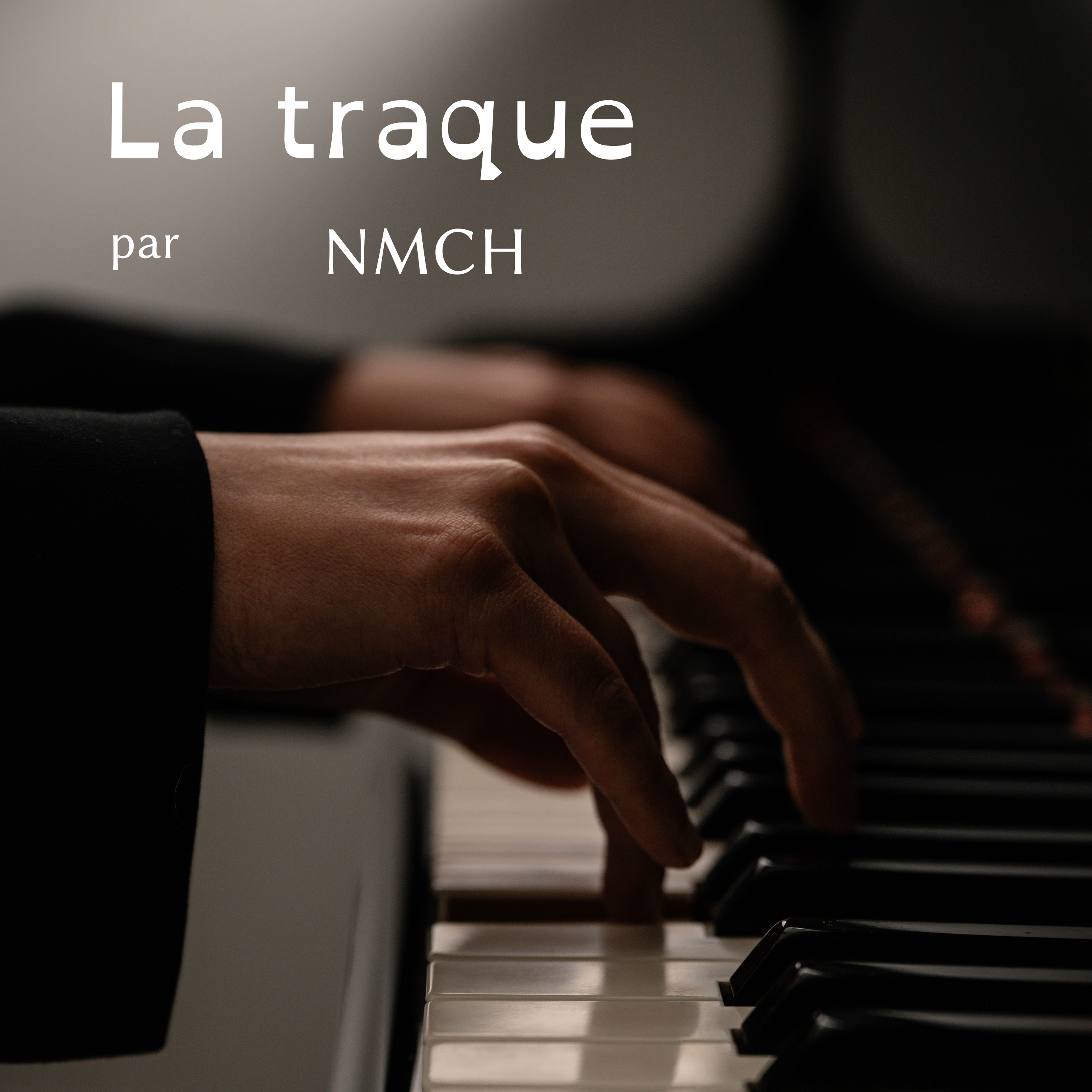
NMCH (Noémie Ochoa) is a French pianist and composer whose work bridges classical lineage, rigorous research, and contemporary creative exploration. She often describes her move into composition as the greatest homage she can offer to Beethoven; an entry into a deeper understanding of his musical world.
In 2025, she created a piano–saxophone program in collaboration with the Classical Saxophone Project in New York and her performance with saxophonist Javier Oviedo at Le Fluctuart in Paris marked a major turning point in her career. She later adapted the program for piano and flute, becoming one of the rare contemporary composers writing actively for this instrument. Her work spans music for image (including a documentary scheduled for 2026 and a short film with Curial Studio set for September 2025) as well as pure musical composition. She writes for solo piano, duo, quartet, quintet, ensemble, and soon, orchestra.
A self-described “research pianist,” NMCH has spent the past decade studying the pedagogy of Marie Jaëll under Irakly Avaliani and delving deeply into harmony with professor Jean-Louis Fabre. To connect theory with practice, she pursued music anthropology at EHESS, and her thesis on Jaëll’s teaching was supervised by Denis Laborde and later published as Marie Jaëll, le toucher pianistique (Gabriel Foucou).
Her artistic journey began at age ten, when hearing Beethoven’s Appassionata convinced her she would become a pianist. That early revelation ultimately led her to composition, a path that now unfolds with the release of her striking debut, “La traque.”
“La traque” is a song that blends the refinement of classical tradition with a striking sense of narrative tension. The piece opens with a poised, classically rooted theme, its measured pacing establishing an atmosphere of quiet anticipation. From the first phrases, the melody moves with firm intention, never hurried, but always advancing, evoking the slow, deliberate unfolding of a hunt (which is what “La traque” translates to). Subtle dynamic shifts and precisely placed accents heighten the feeling of pursuit, drawing the listener deeper into the story.
As the music develops, the harmonic undercurrent tightens, the rhythm breathes with growing urgency, and the tension becomes almost palpable. The culmination is a sweeping, triumphant finale that feels both earned and inevitable, offering a beautiful sense of resolution after the sustained suspense. Throughout, NMCH’s touch at the piano is precise yet expressive, revealing a strong technical foundation shaped by years of devoted, mostly private study.There is a distinctly cinematic quality to “La traque.” Its dramatic arc, from quiet preparation to decisive triumph, could easily underscore a pivotal moment in film. As a debut, it is a magnificent introduction, presenting NMCH not only as a skilled pianist but as a composer capable of crafting atmosphere, narrative, and emotional architecture with confidence and clarity. A truly impressive first release.
Leave a Reply