
Held at Auraria Campus in Denver, Outside Days expanded into a three-day celebration of music, outdoor culture, community, and festival energy. While the full weekend featured sets from Death Cab for Cutie, My Morning Jacket, Cage the Elephant, The Flaming Lips, Tash Sultana, Japanese Breakfast, Dawes, Grouplove, and more, our coverage focused on Friday and Sunday, two very different days that showed the range of what the festival is becoming.
Friday leaned into atmosphere, melody, and indie rock warmth, with Wildermiss, Japanese Breakfast, Goth Babe, and Death Cab for Cutie shaping the first night of music. It was a day built less around chaos and more around texture, with each artist bringing a slightly different shade of nostalgia, intimacy, and open-air release.
Japanese Breakfast brought a brighter, more cinematic energy to Friday. Michelle Zauner’s music has always moved between emotional specificity and dreamlike pop architecture, and that balance translated beautifully outdoors. The set gave the day a lift, pulling the crowd into songs that felt colorful, detailed, and full of movement without losing their personal center.


Goth Babe followed with the kind of breezy, sun-washed sound that feels almost engineered for an outdoor festival. The music carried a laid-back pulse, but the crowd response made it clear that the set was more than background atmosphere. Goth Babe’s songs gave Friday a sense of easy motion, the kind that makes a festival field feel briefly less like a logistical maze and more like a place people actually want to be.


Death Cab for Cutie closed Friday with the kind of set that knows exactly how much history is walking into the room with it. Or, in this case, the field. Their songs have followed listeners through decades of growing up, breaking down, moving cities, losing people, and somehow still having to answer emails. Cruel system, really.
What makes Death Cab work in a festival setting is the way their songs can stay intimate even when the space gets bigger. Ben Gibbard’s writing has always lived in small details, but the band knows how to widen those moments without flattening them. At Outside Days, the older material carried the weight of memory, while the newer songs helped keep the set from feeling like a simple nostalgia exercise.


The Friday crowd responded with a quieter kind of intensity. People sang, listened, and settled into the set with the attention of fans who have carried these songs for years. Death Cab did not need to overpower the night. They let the songs breathe, and the crowd filled the space around them.
Saturday brought another full day of music with My Morning Jacket, The Flaming Lips, Dawes, Eggy, Karina Rykman, and Brothers of Brass, though this review does not cover that day directly. No invented festival journalism here. We have enough fiction in the world already, most of it hiding in marketing copy and AI slop.
Sunday shifted the festival into a louder, more physical gear with The Mañanas, N3ptune, Girl Tones, Grouplove, Tash Sultana, and Cage the Elephant. If Friday felt reflective and melodic, Sunday felt bigger, brighter, and more restless.
Girl Tones brought a rawer edge to Sunday, cutting through the day with a lean, direct rock sound. Their set helped sharpen the afternoon, giving the crowd something less polished and more immediate before the bigger names took over. There is always room at a festival for a band that sounds like it would rather kick the door open than ask where the artist entrance is.


Grouplove turned the day toward full crowd participation. Their music has always been built around color, motion, and big emotional hooks, and that translated well at Outside Days. The set had the kind of energy that pulls people forward, even the ones who were pretending they were only there to casually observe. Nobody casually observes Grouplove for long. The songs start bouncing, and suddenly everyone is involved against their better judgment.


Tash Sultana followed with one of the most musically immersive sets of the day. Their performance carried a different kind of intensity, less about immediate sing-along release and more about musicianship, layering, groove, and atmosphere. Tash has a way of making live loops and instrumental movement feel expansive without becoming detached, and at Outside Days, that created a strong shift in the pacing of Sunday.
The set gave the crowd room to sink into the music rather than simply react to it. Guitar lines stretched, rhythms locked in, and the whole performance felt like a reminder that festival sets can still have patience when the artist knows how to hold a space. A dangerous idea in the era of attention spans being held together with tape and caffeine.


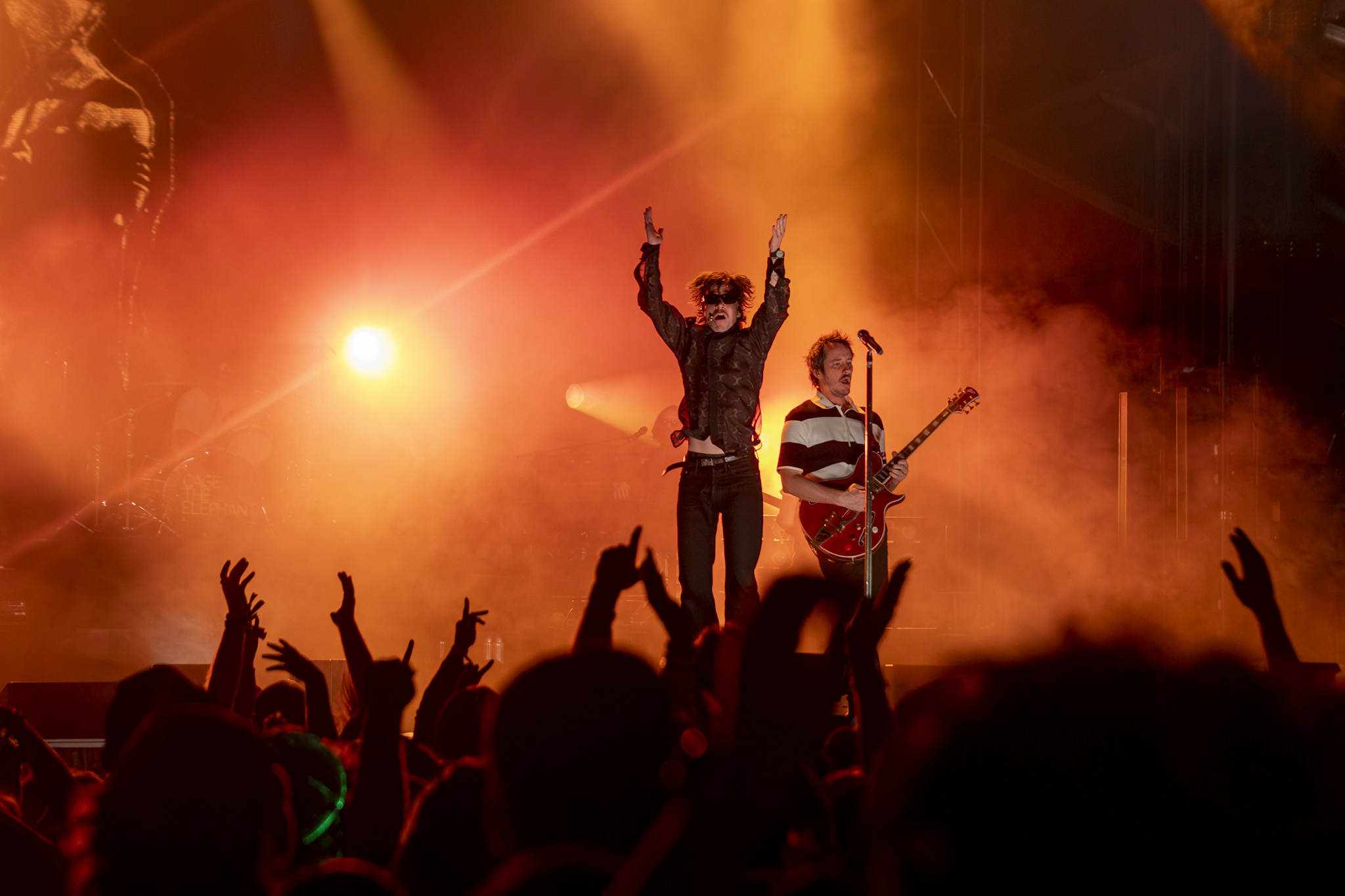
Cage the Elephant closed Sunday with the kind of energy that makes them one of the more reliable modern rock festival headliners. Their songs are messy, catchy, anxious, swaggering, and built for movement. Live, that combination becomes even more effective because the band plays with enough looseness to feel dangerous and enough control to keep the whole thing from flying apart.
The Sunday crowd gave Cage the Elephant the response a closing set needs. People pushed closer, sang louder, and let the band’s restless energy carry the final stretch of the weekend. The set felt like a release valve after three days of music, sun, movement, and festival wandering. It was loud, sweaty, and direct, which is often the correct way to end a weekend before everyone returns to their little inbox prisons on Monday.


What stood out about Outside Days across Friday and Sunday was the contrast. Friday offered a more reflective arc, from Denver indie rock to Japanese Breakfast’s lush pop, Goth Babe’s outdoor ease, and Death Cab for Cutie’s emotionally loaded close. Sunday widened the frame with local energy, theatrical performance, raw rock, communal hooks, instrumental depth, and Cage the Elephant’s explosive finish.
That variety is what makes Outside Days feel like more than another weekend lineup dropped onto a poster. The festival is clearly trying to live at the intersection of music, outdoor culture, and Denver’s particular appetite for communal, open-air experiences. Sometimes that kind of branding can feel hollow, like someone wrote “community” on a sponsor deck and hoped nobody noticed. But when the music works, the idea starts to feel real.


Outside Days 2026 gave Denver a weekend that moved between reflection and release, melody and motion, nostalgia and discovery. Friday and Sunday may have carried different moods, but both showed why the festival has room to grow into something distinct in the city’s already crowded live music calendar.
Leave a Reply