
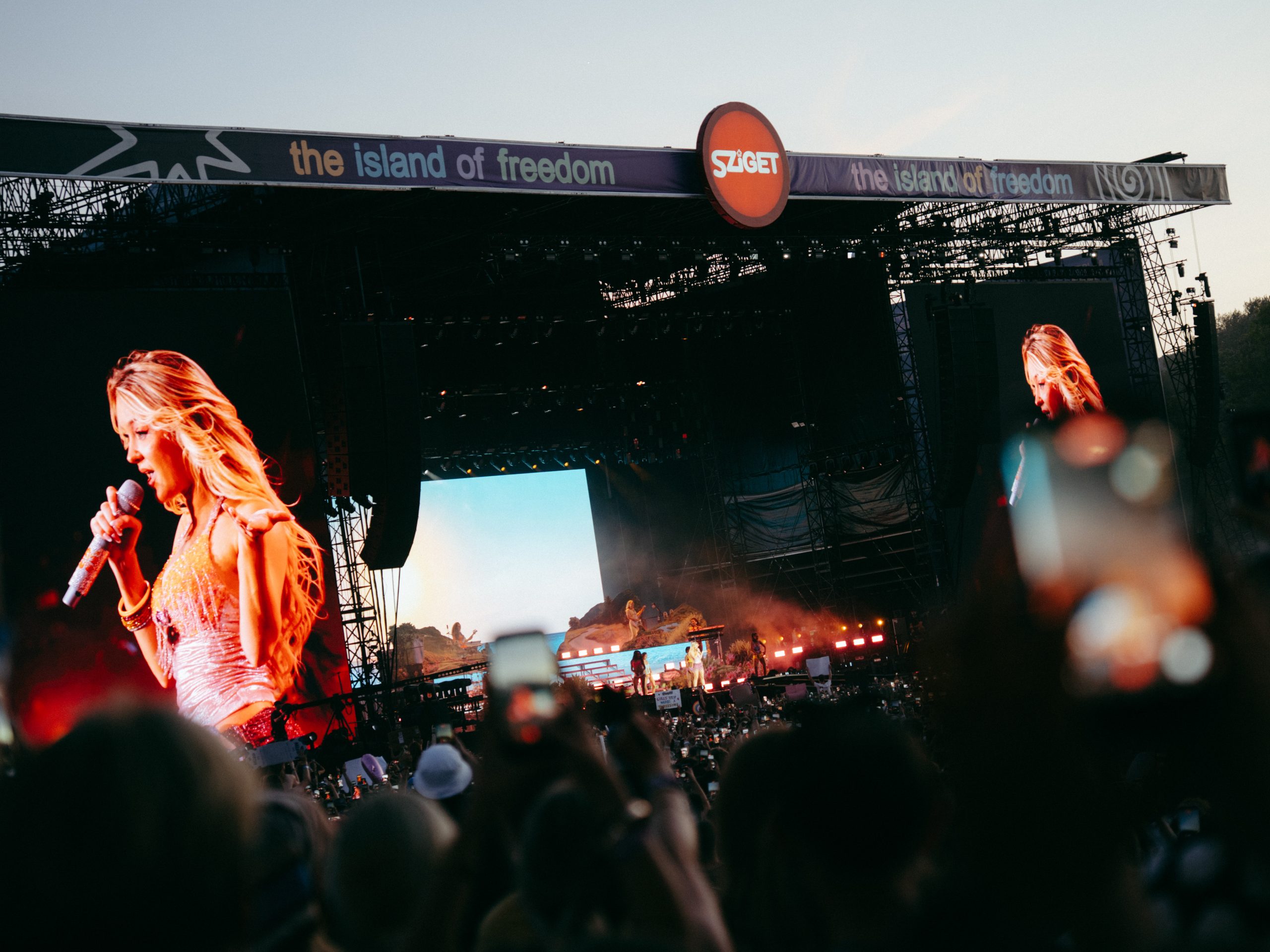
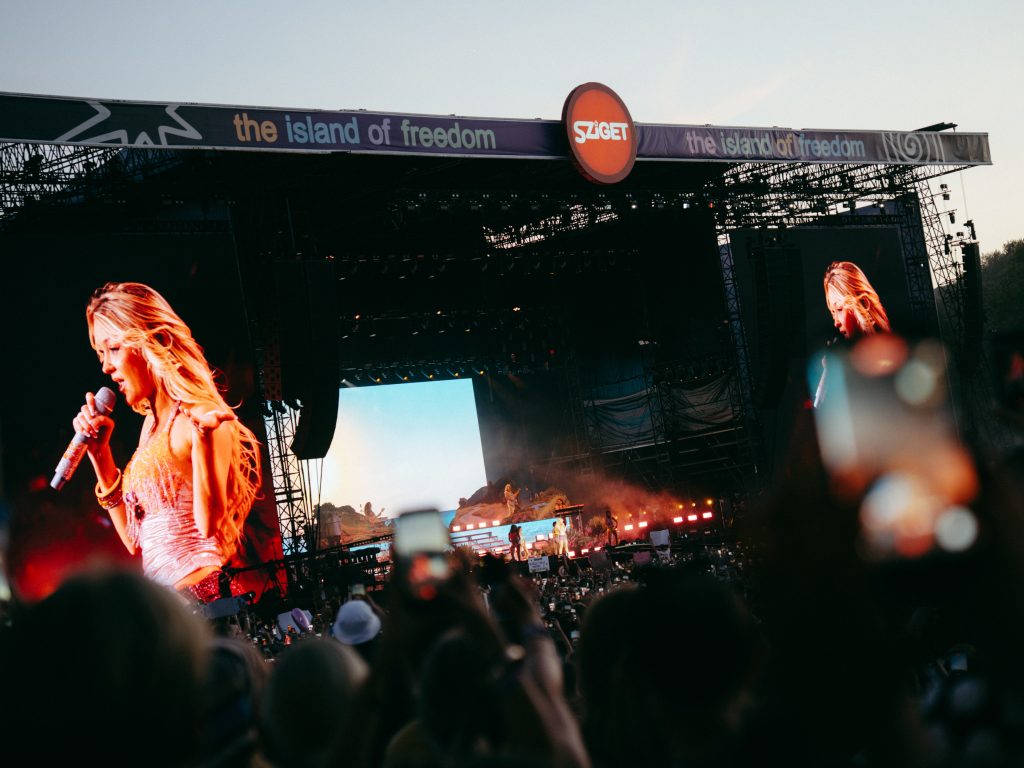
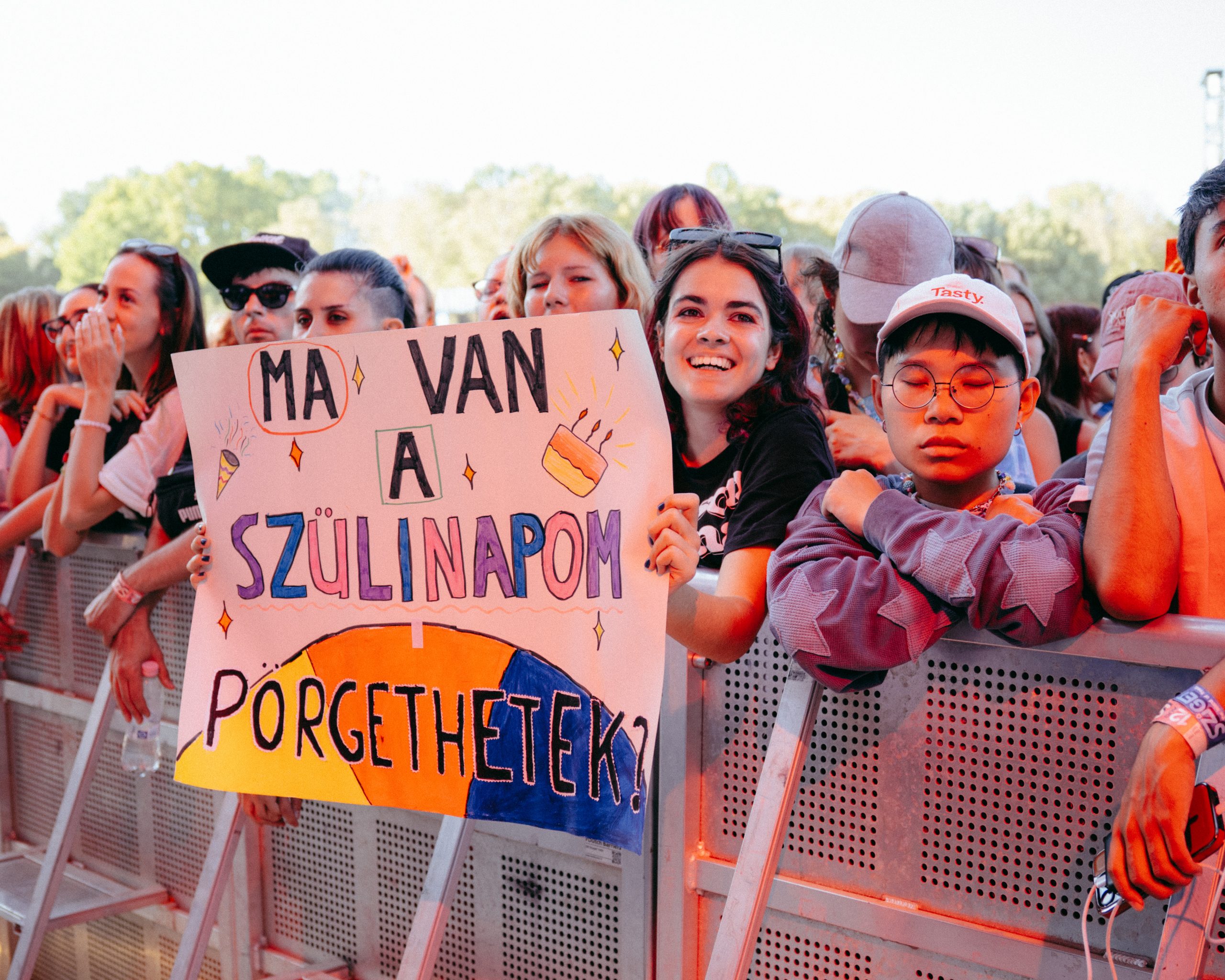
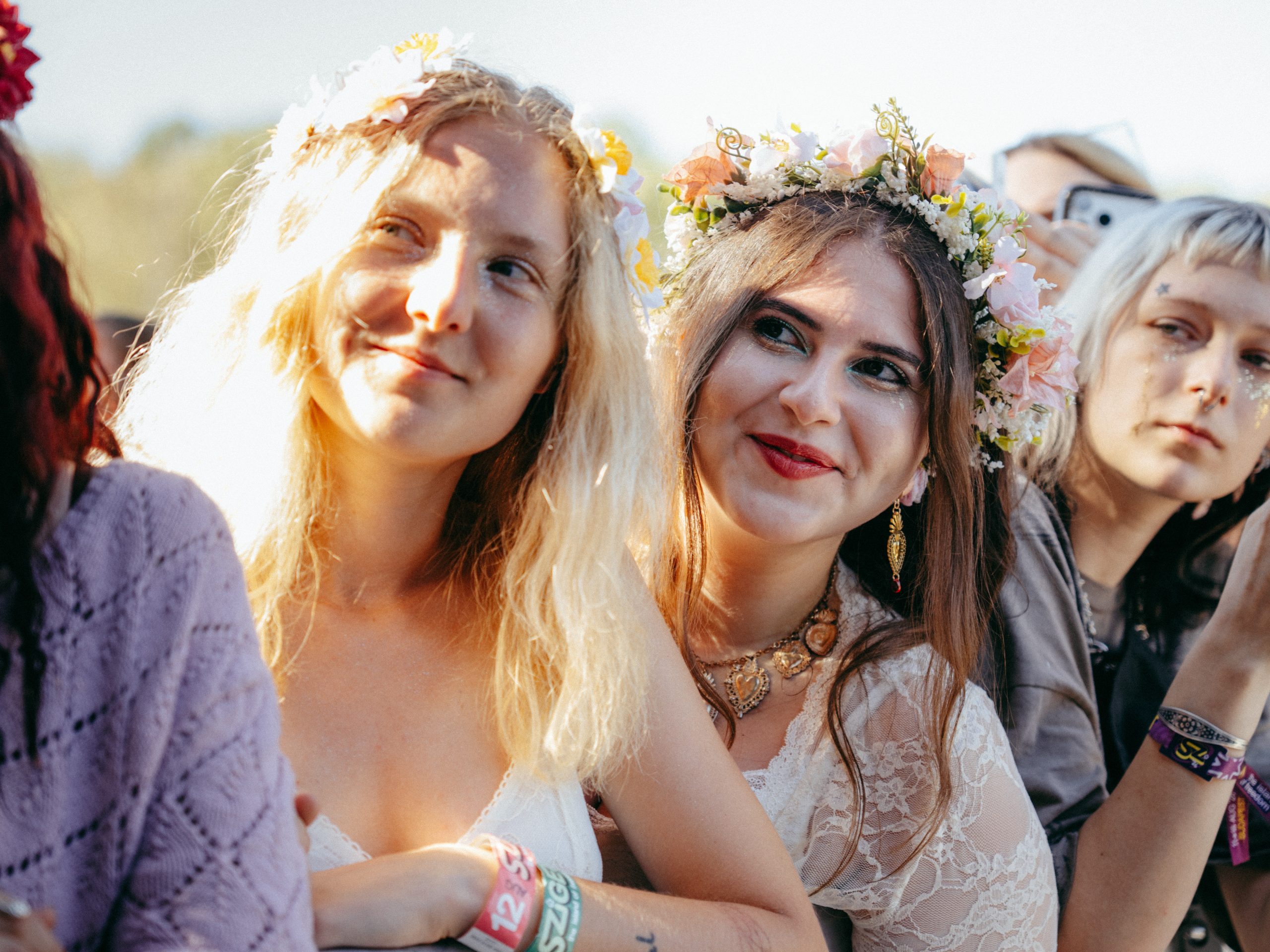
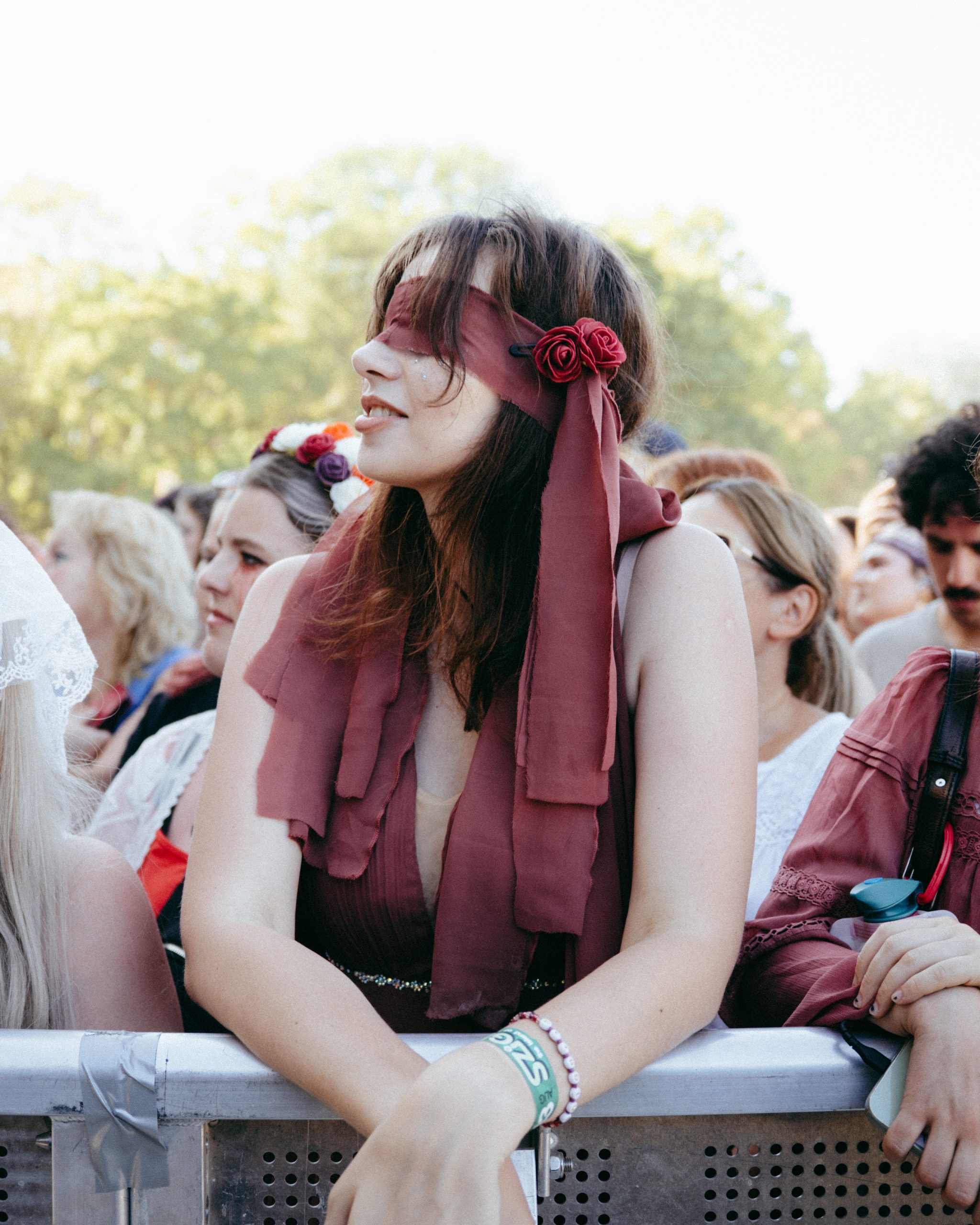
Every August, Budapest’s Óbuda Island is transformed into a city of its own. For several days, people from all over the world gather on the Island of Freedom to celebrate music, art, culture, and everything in between. With a diverse lineup of international headliners, emerging artists and local talent, Sziget has become one of Europe’s most distinctive festival experiences. Across the island, there is always so much to do and experience that goes beyond music. In 2026, Sziget once again brought together a remarkably diverse programme, with five days of live music offering something for every kind of listener.
Day 1: 11 of August!
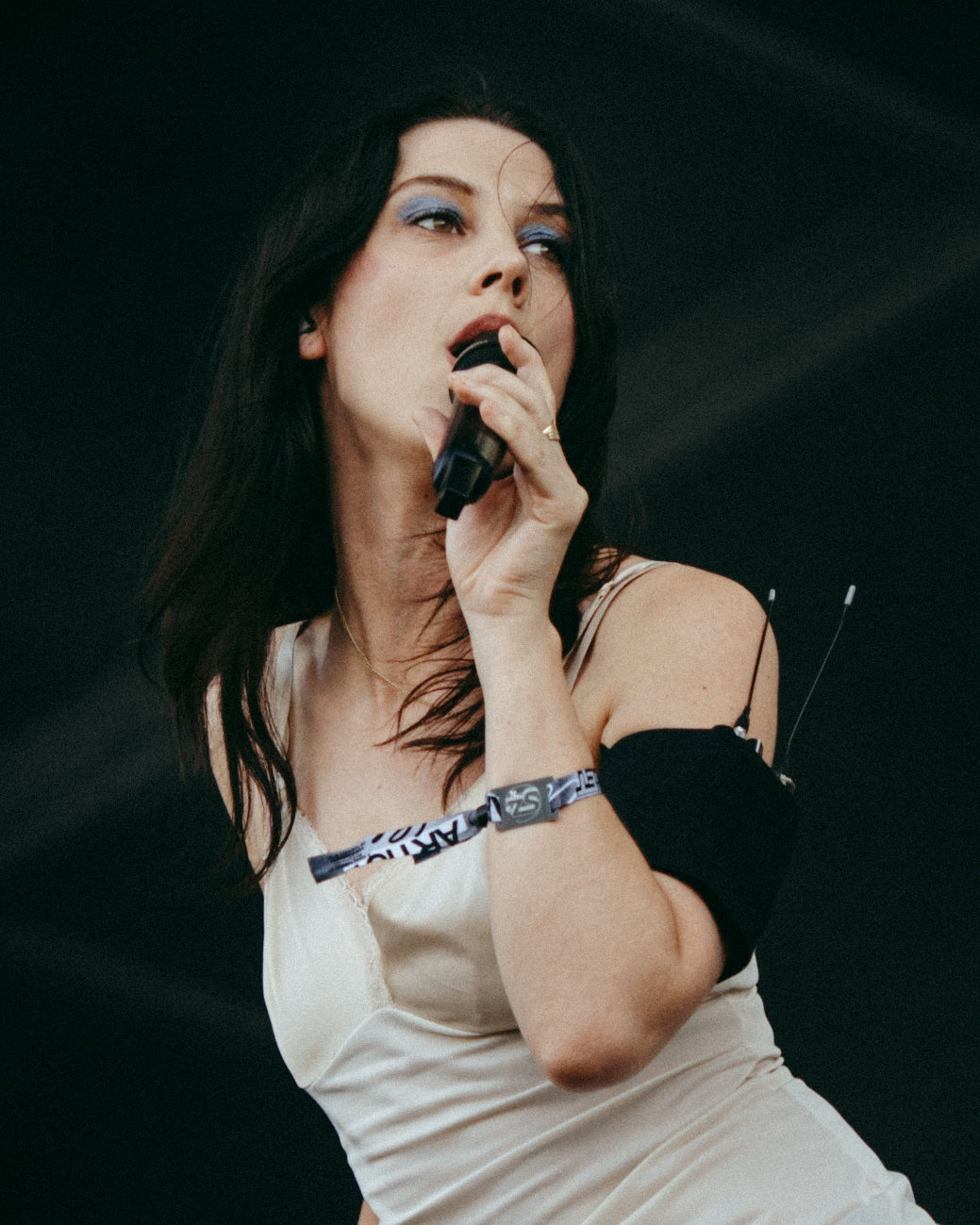
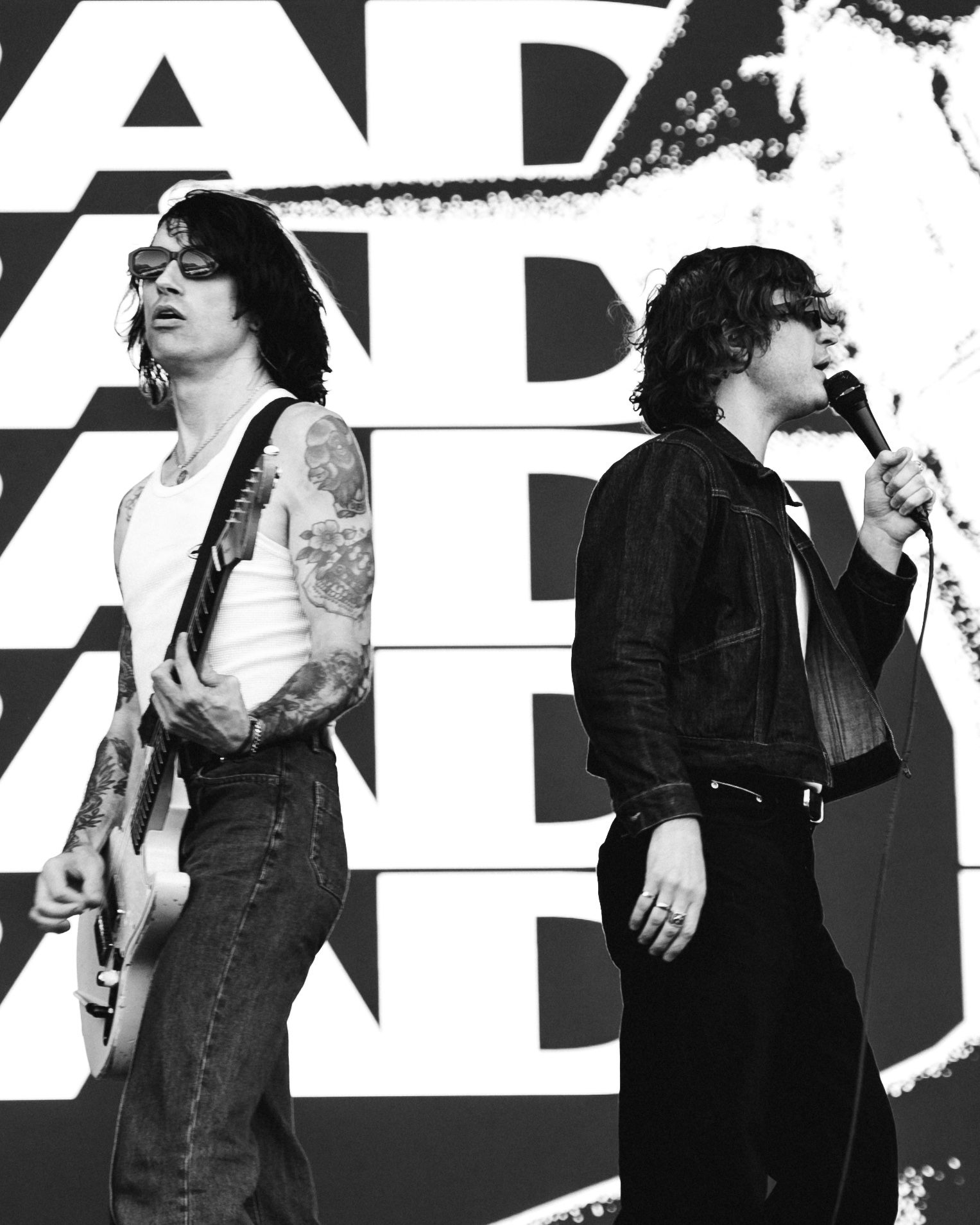
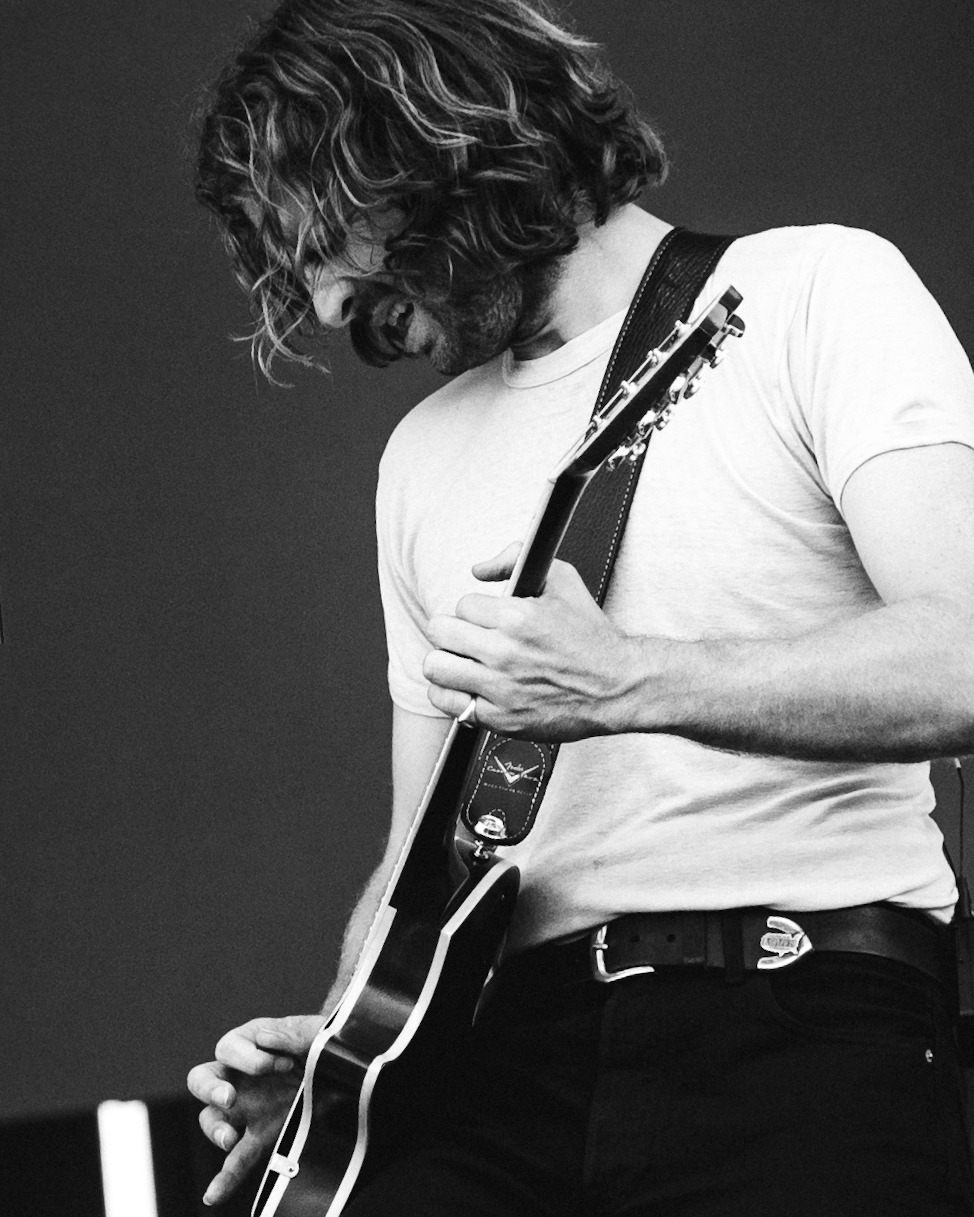
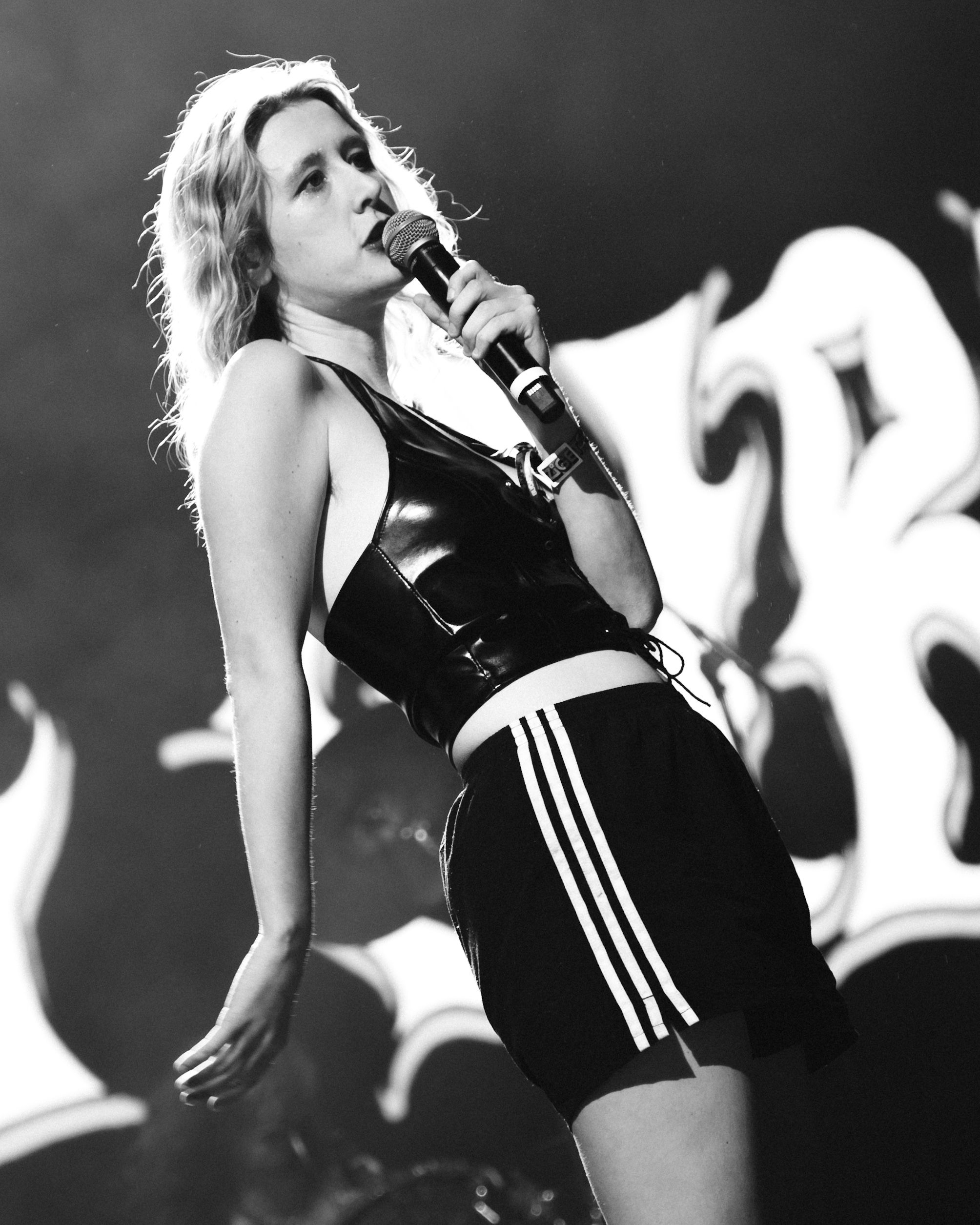
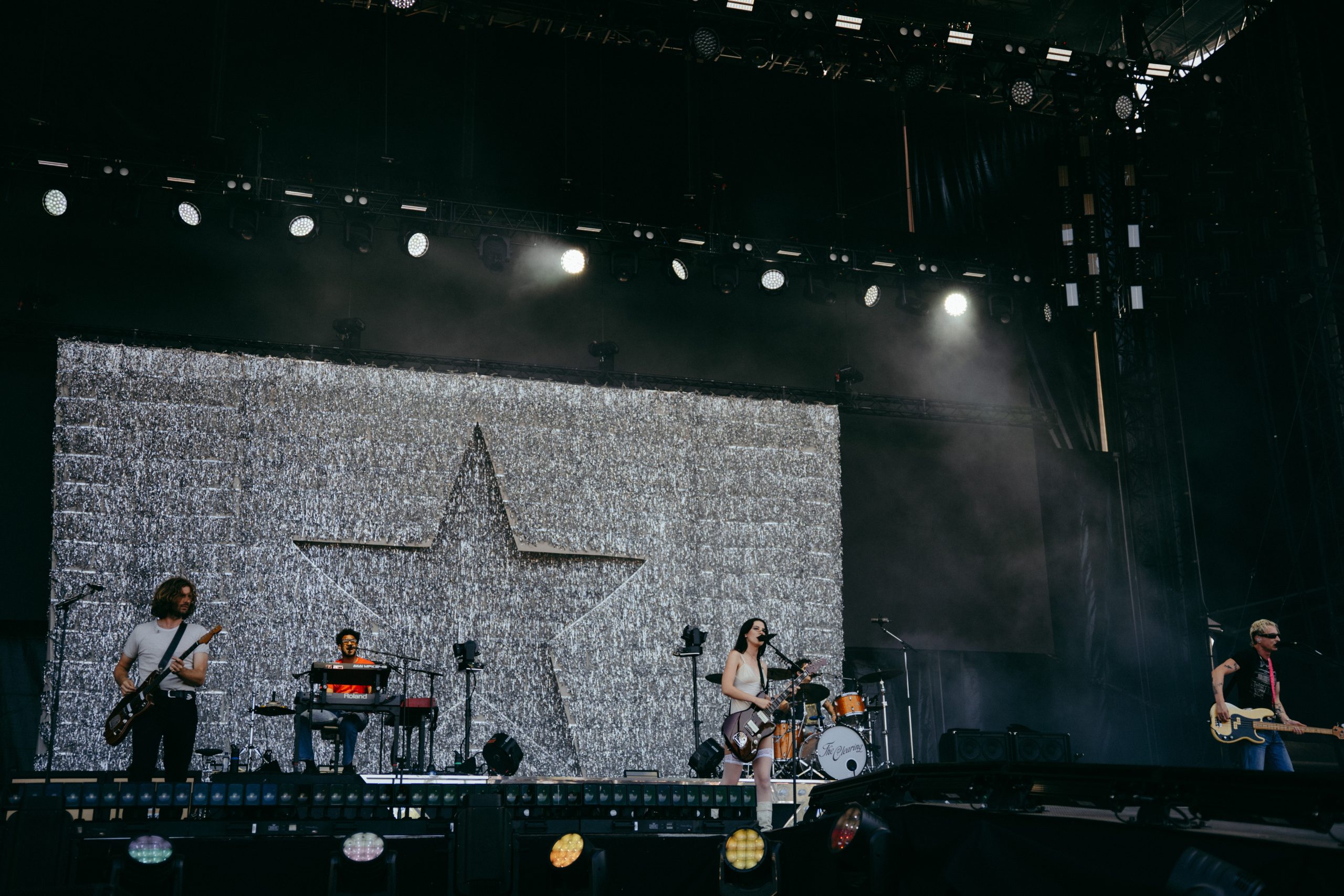
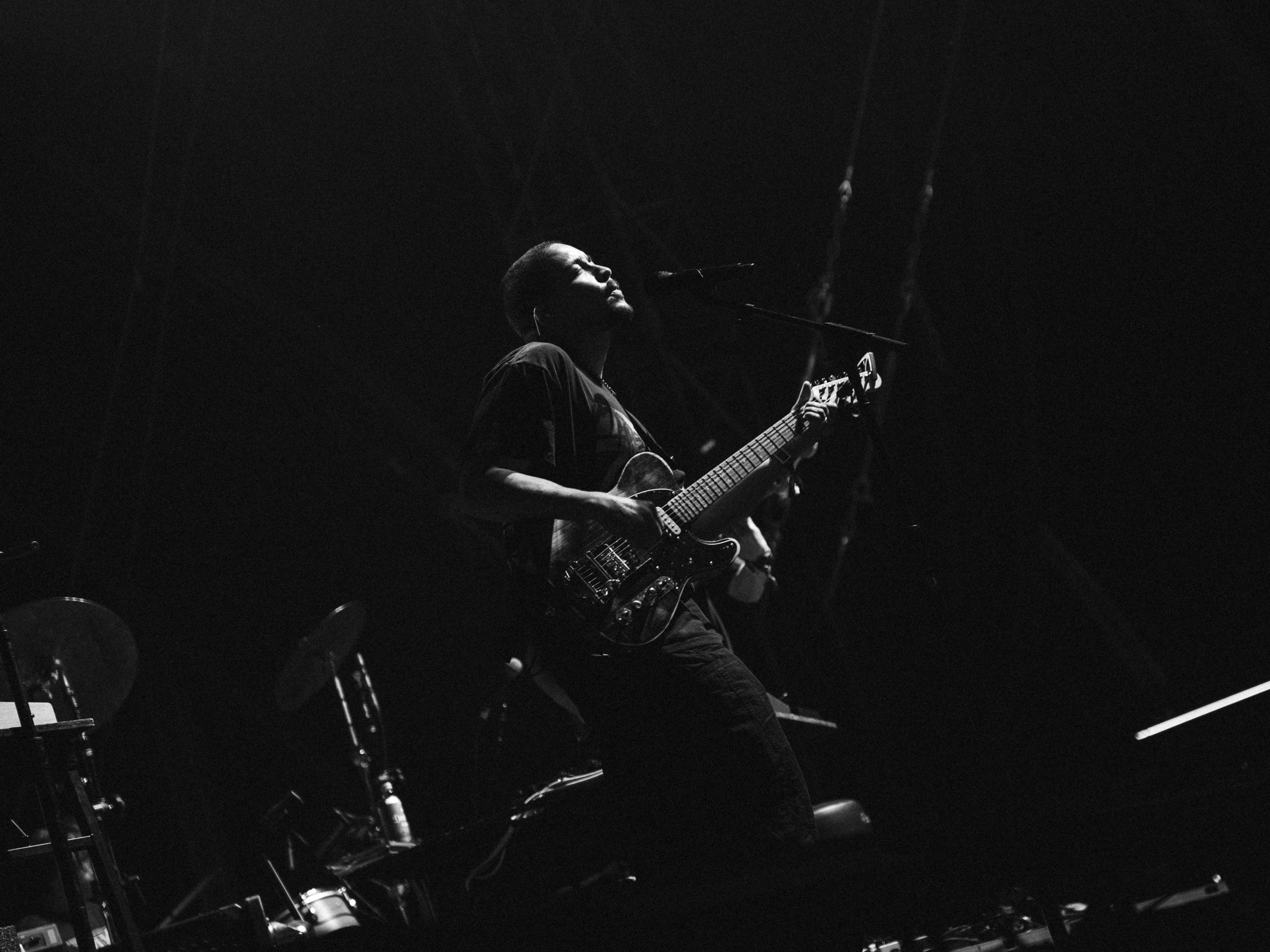
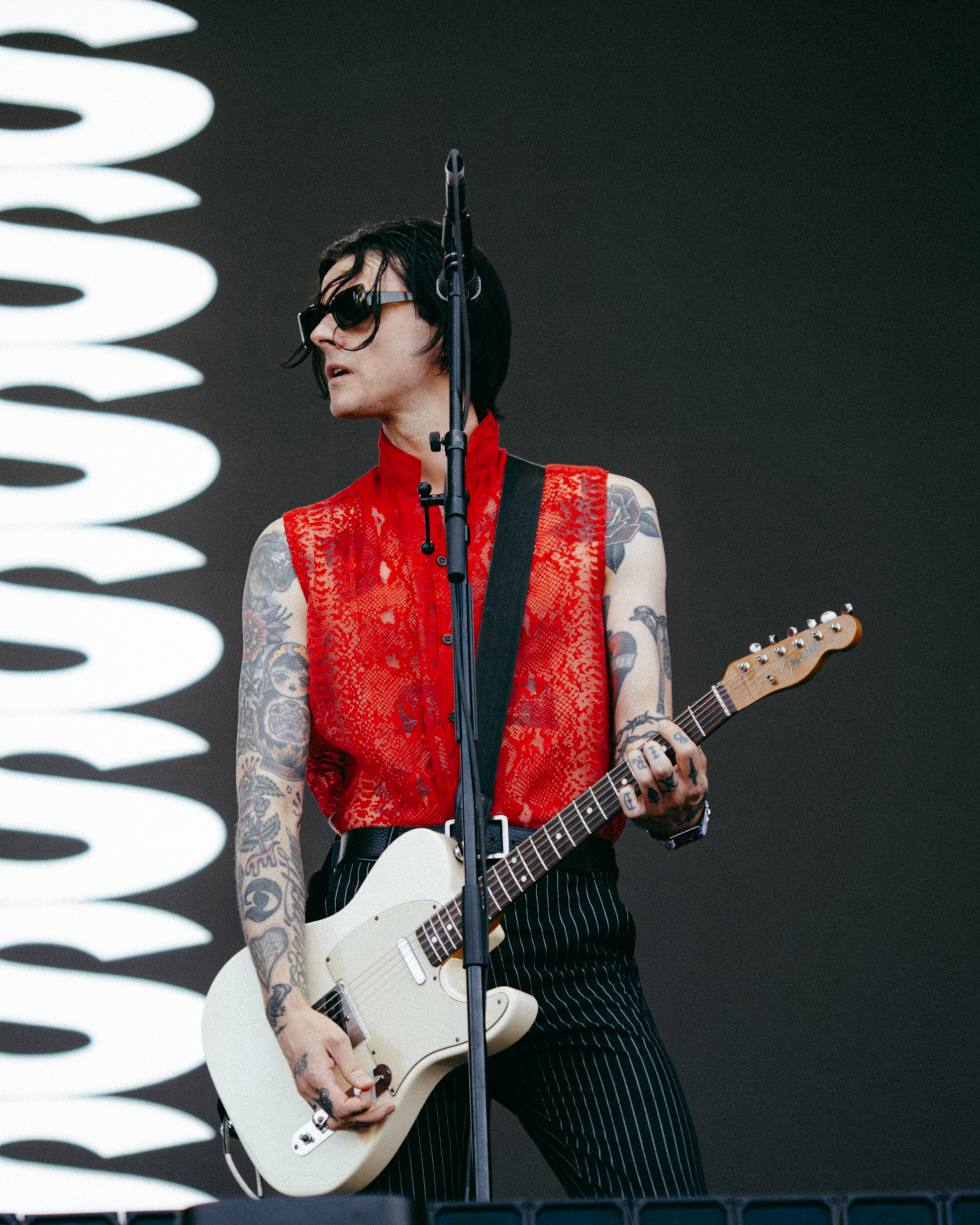
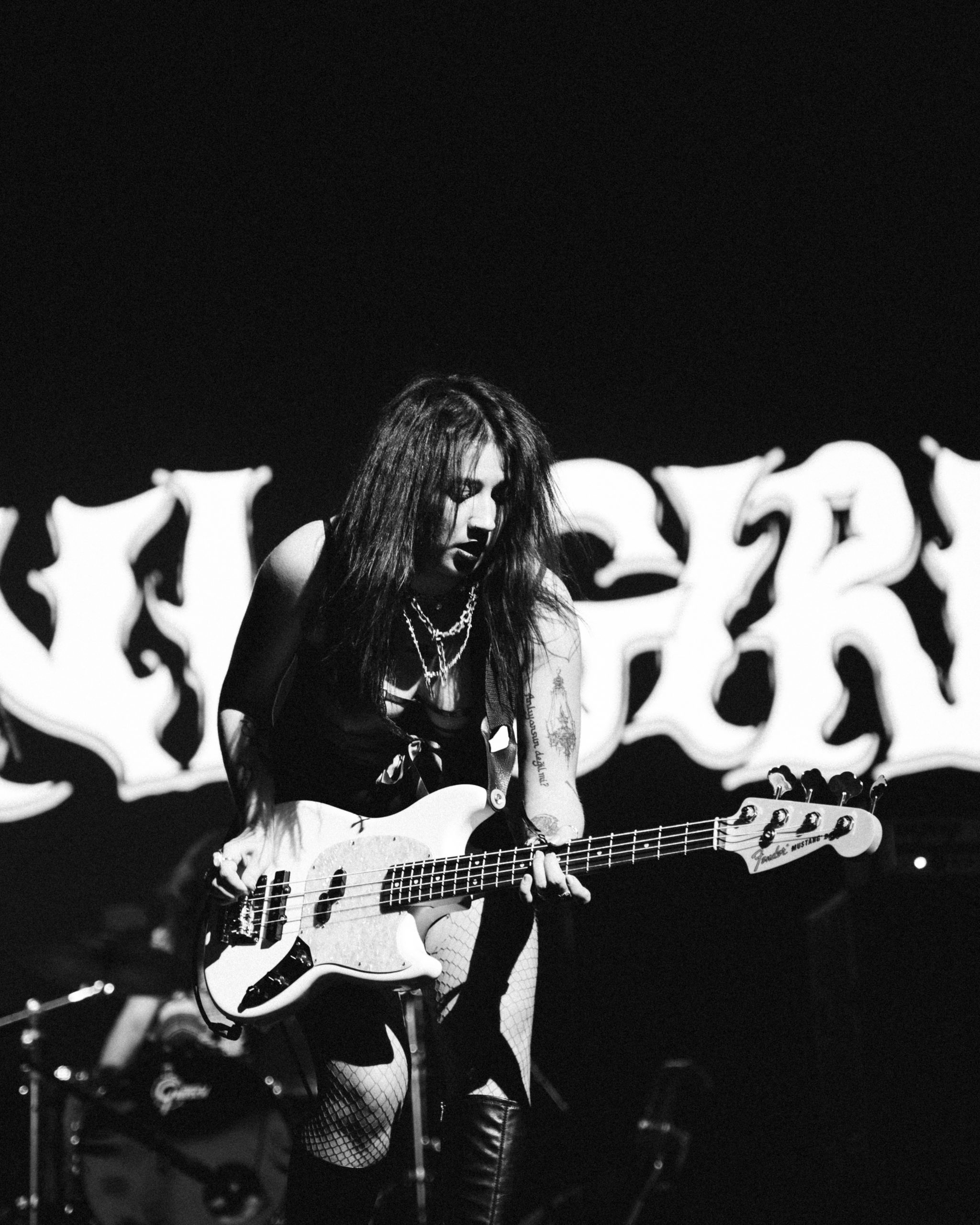
The first day began with Bad Nerves bringing their fast, unapologetic punk rock to the stage, immediately setting a high-energy tone for the festival. But it was Wolf Alice who ultimately delivered the day’s standout performance. Their set moved comfortably between their uplifting and more vulnerable songs, with tracks including “Bloom Baby Bloom,” “How Can I Make It OK?,” and “Smile” showing just how much range the band can bring to a festival stage.
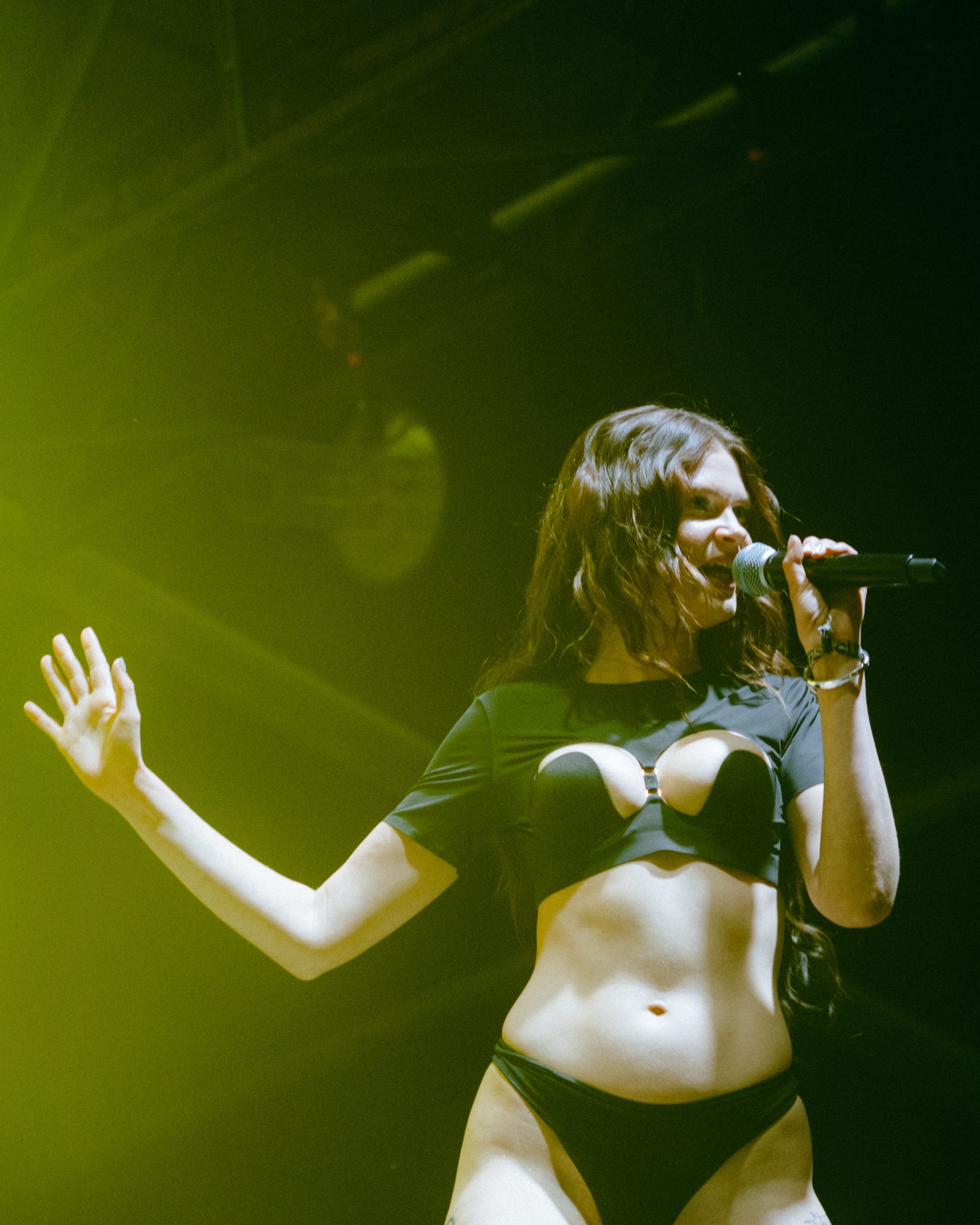
Later, Zara Larsson brought one of the day’s biggest productions. Her elaborate stage setup, dancers, and lighting gave the performance a distinctly larger-than-life quality, while songs such as “Lush Life,” “Never Forget You,” and “Midnight Sun” provided plenty of familiar moments for the crowd.
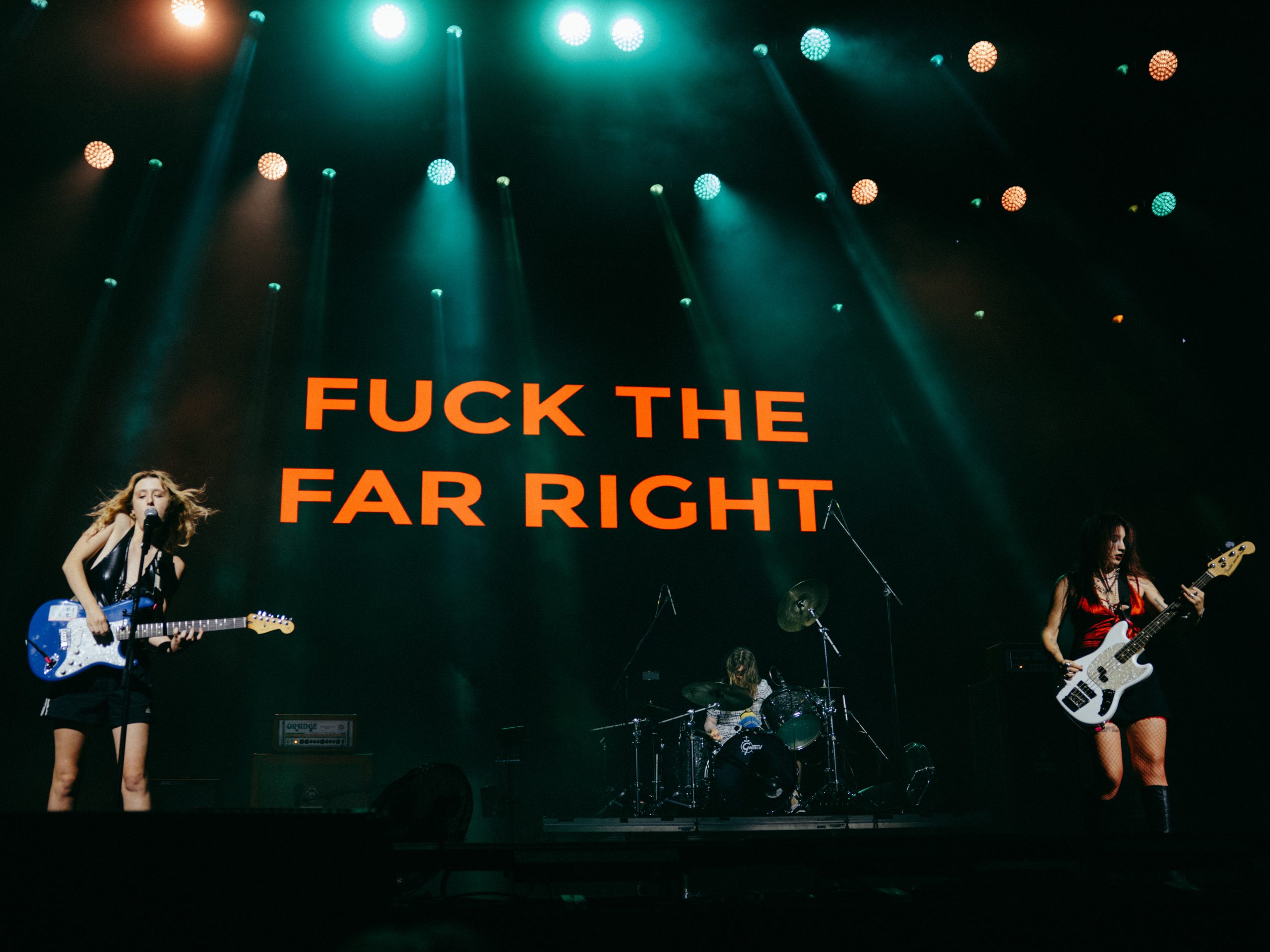
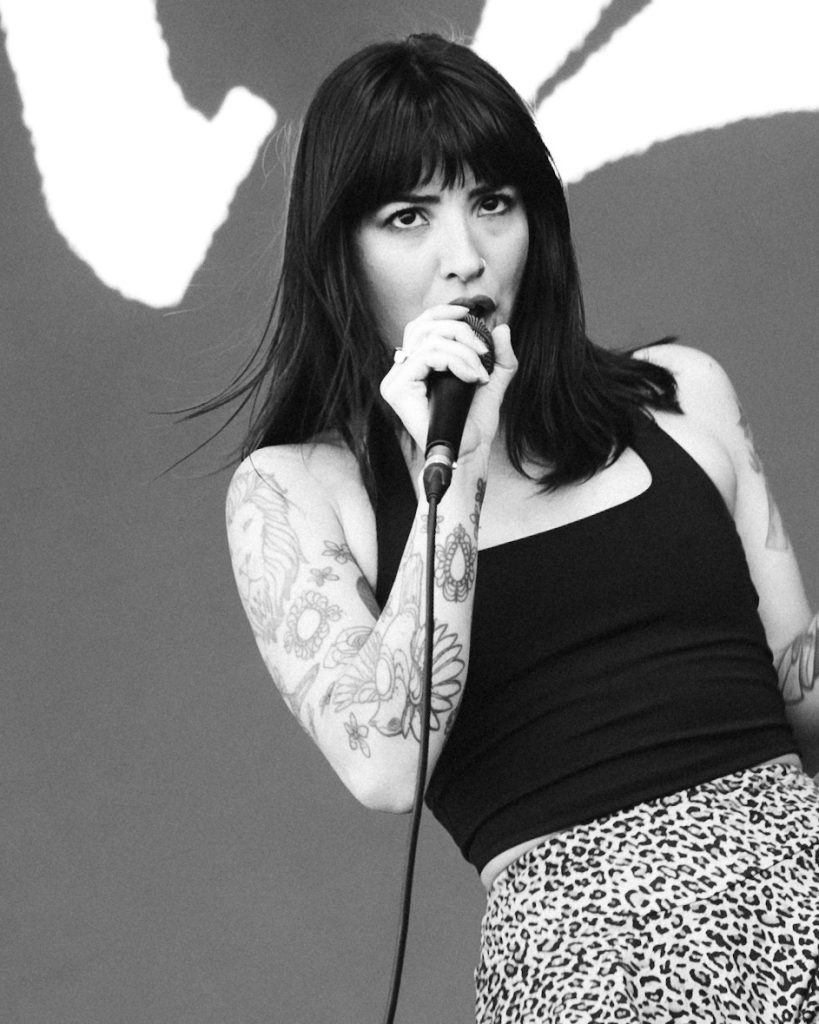
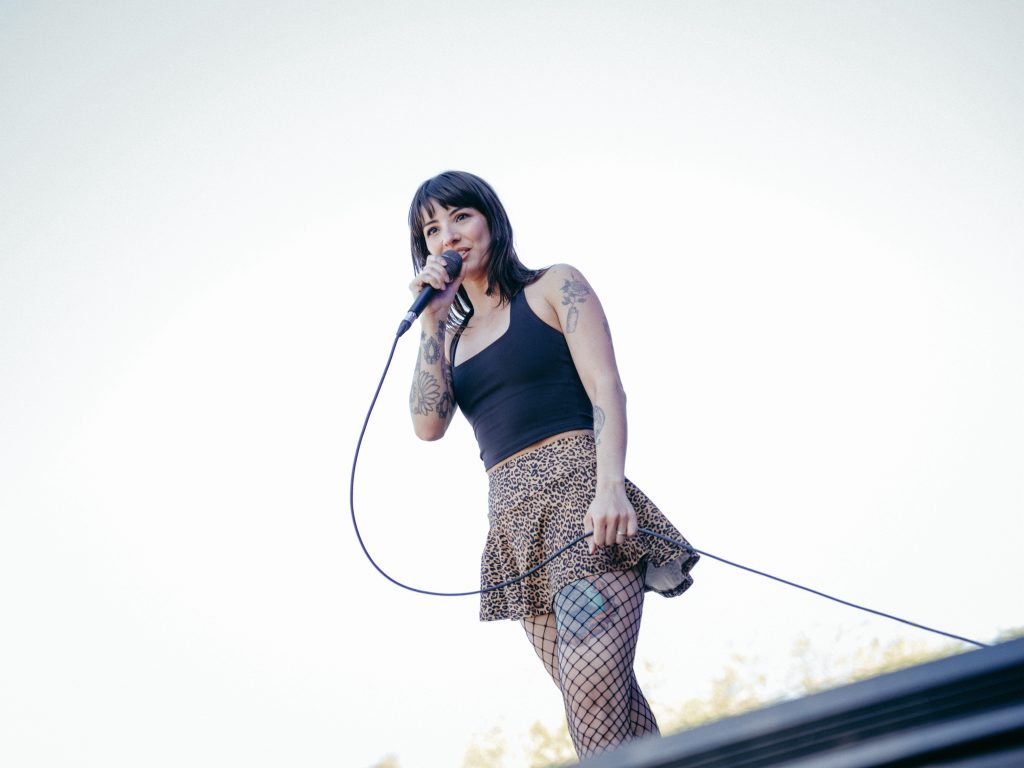
Lambrini Girls brought a completely different attitude to the evening. Their set was direct, loud, and deliberately confrontational, with “Bad Apple,” “Company Culture,” and “Terf Wars” cutting through the more polished pop production that had come before.
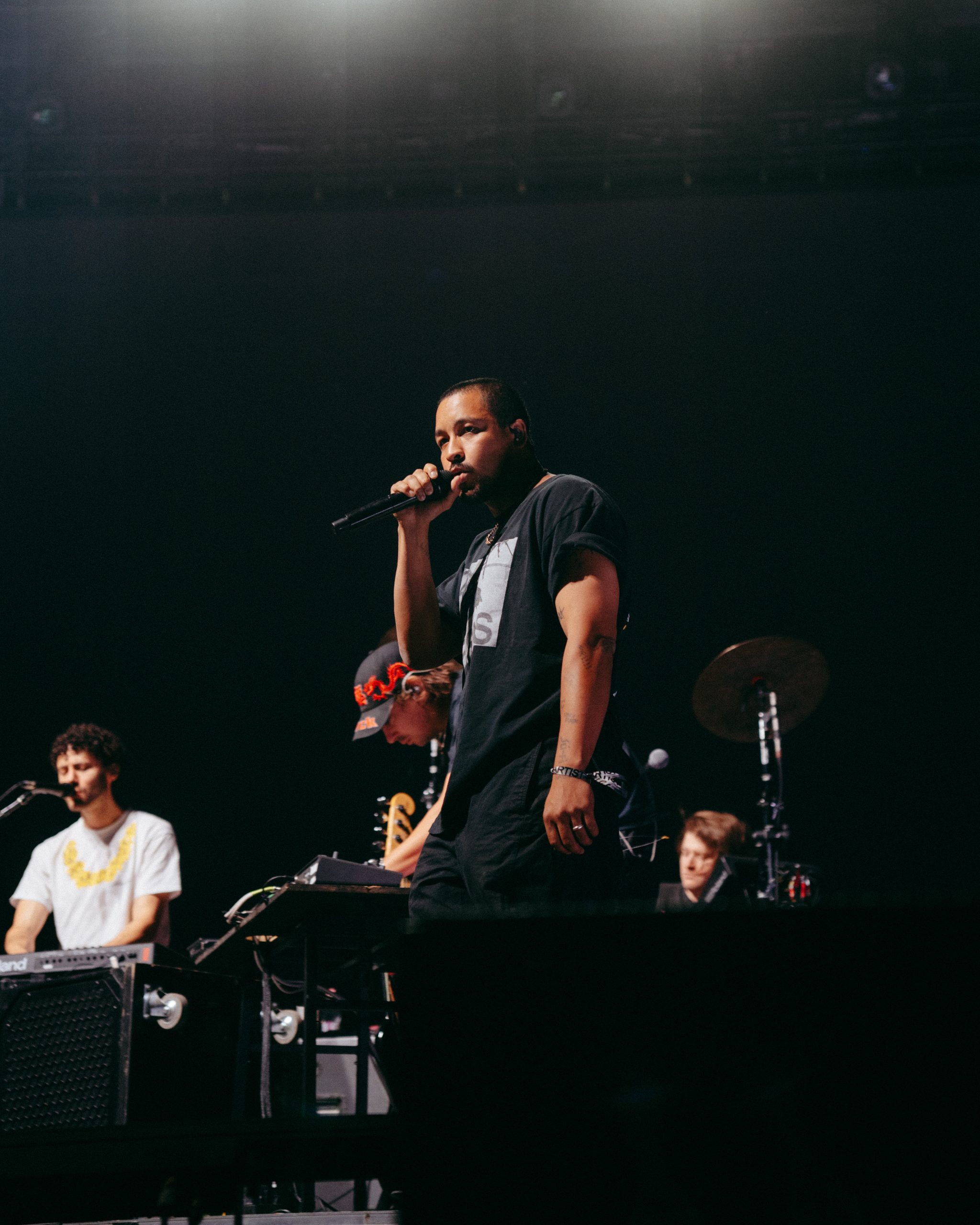
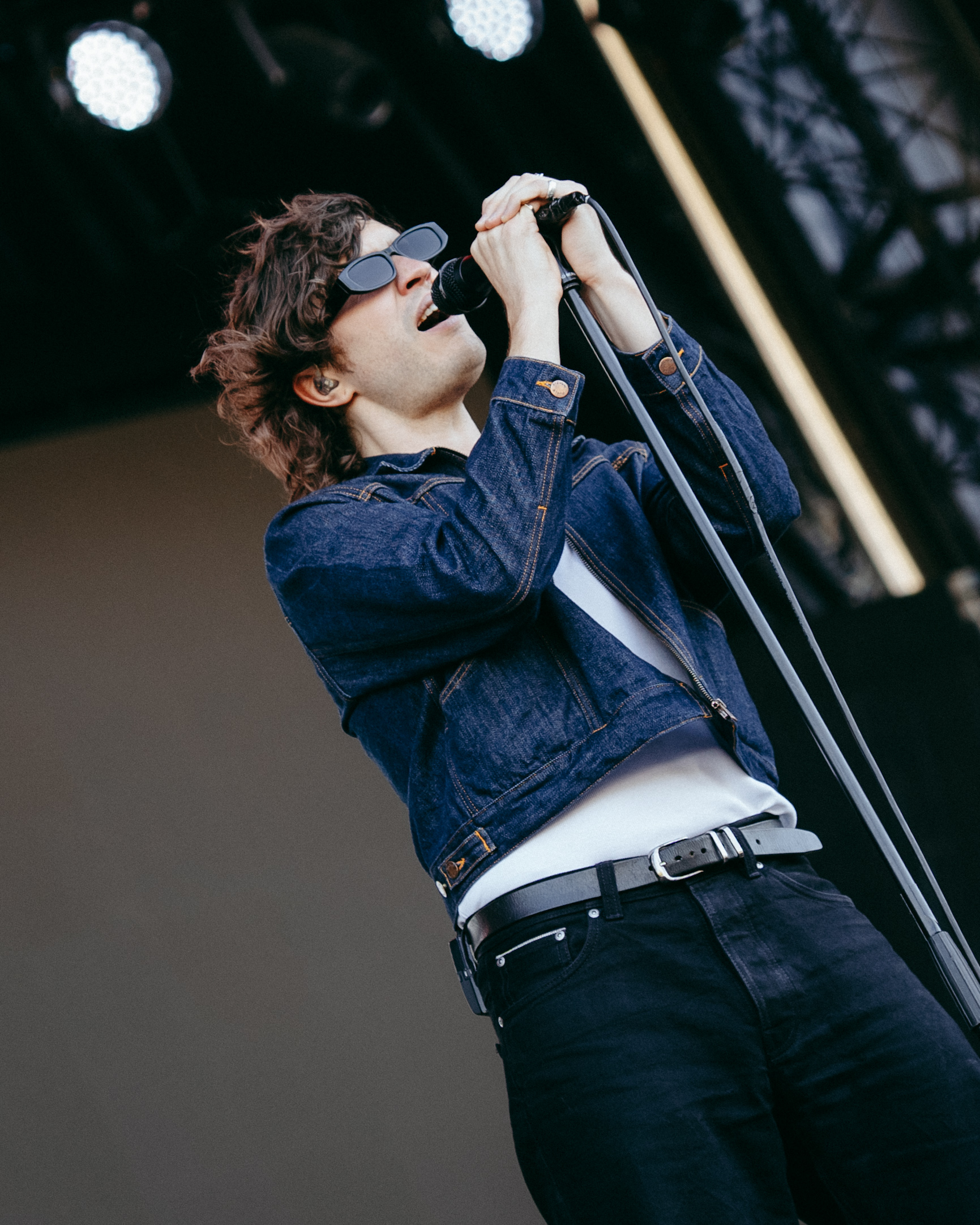
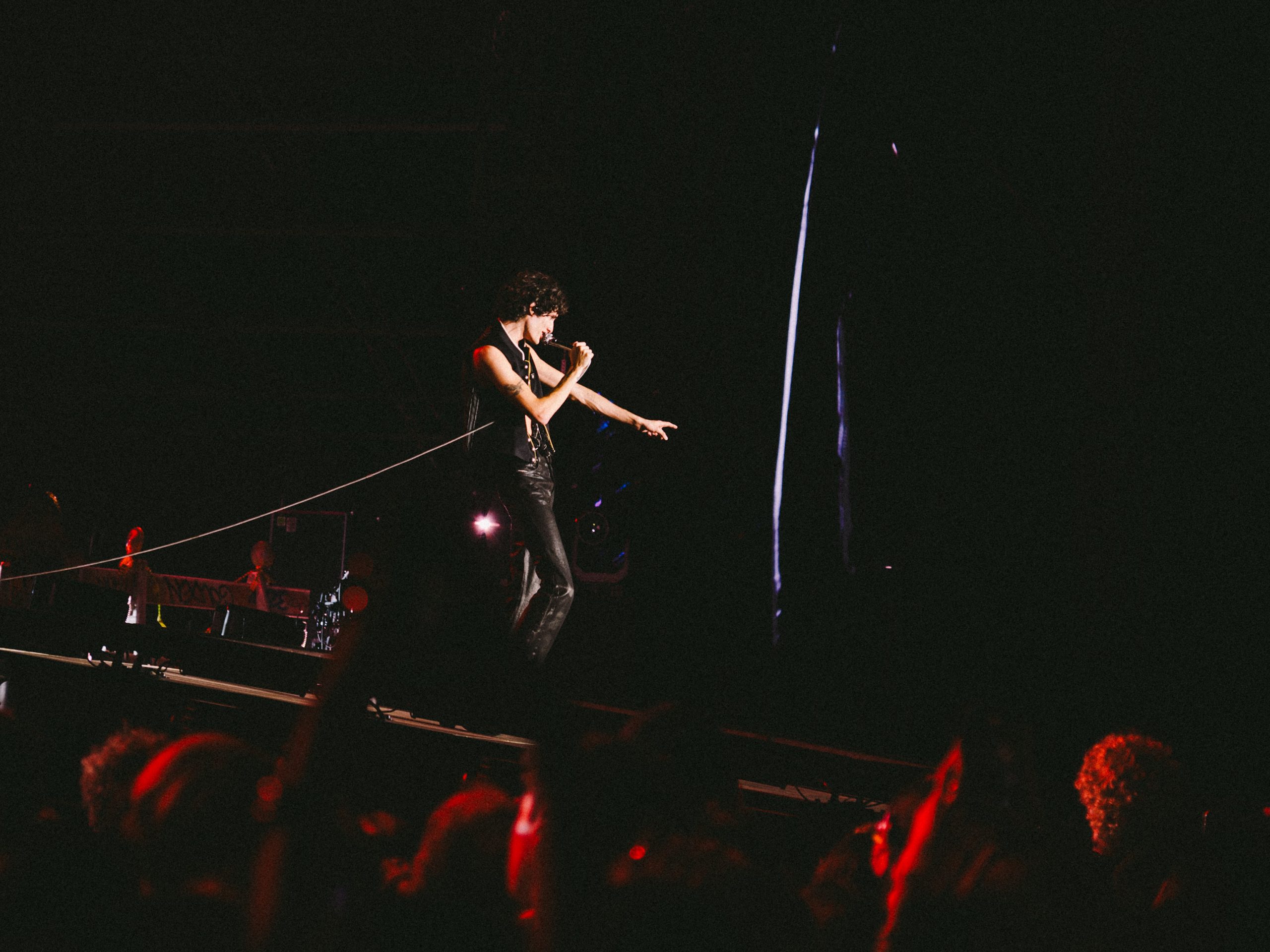
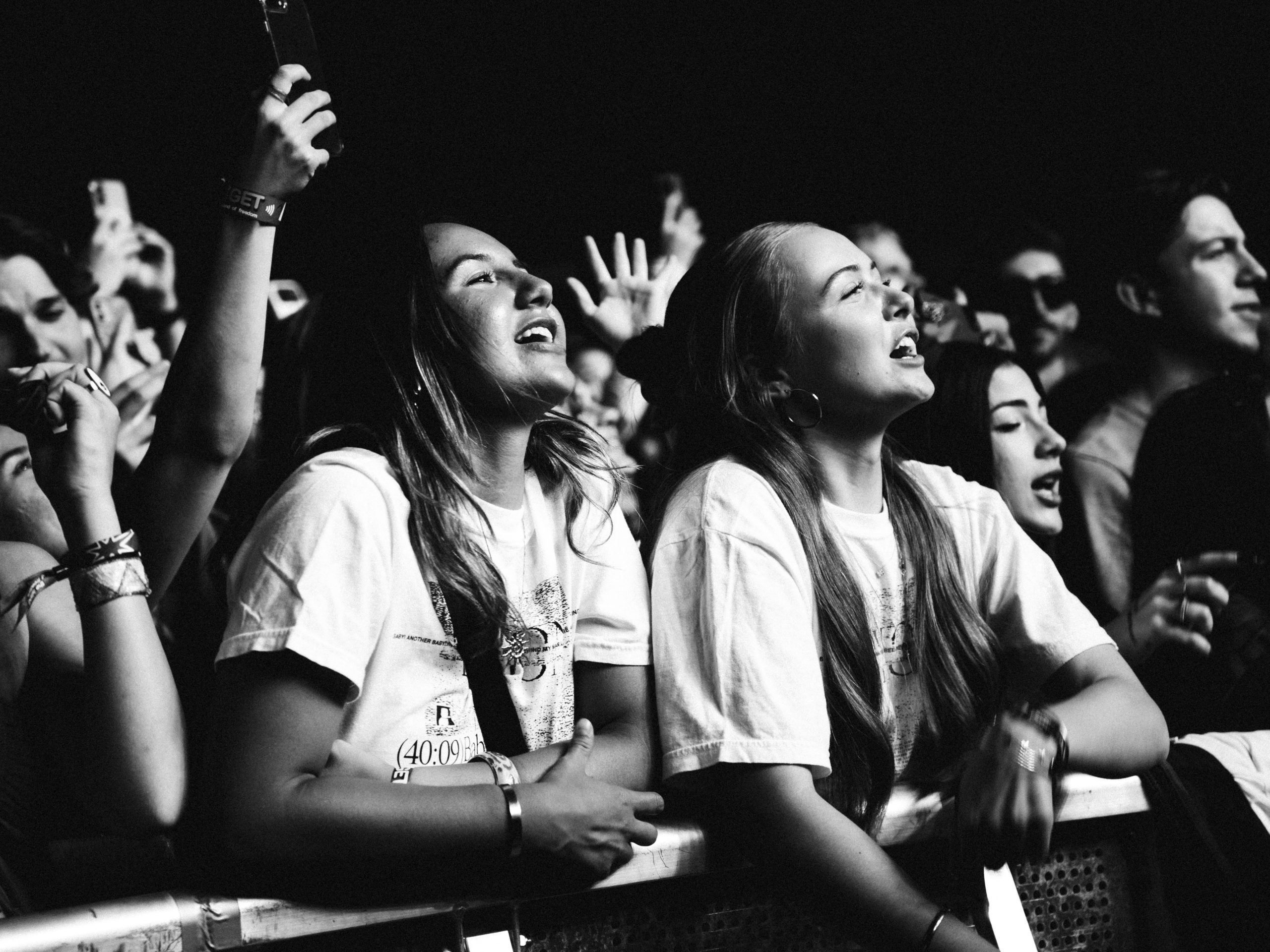
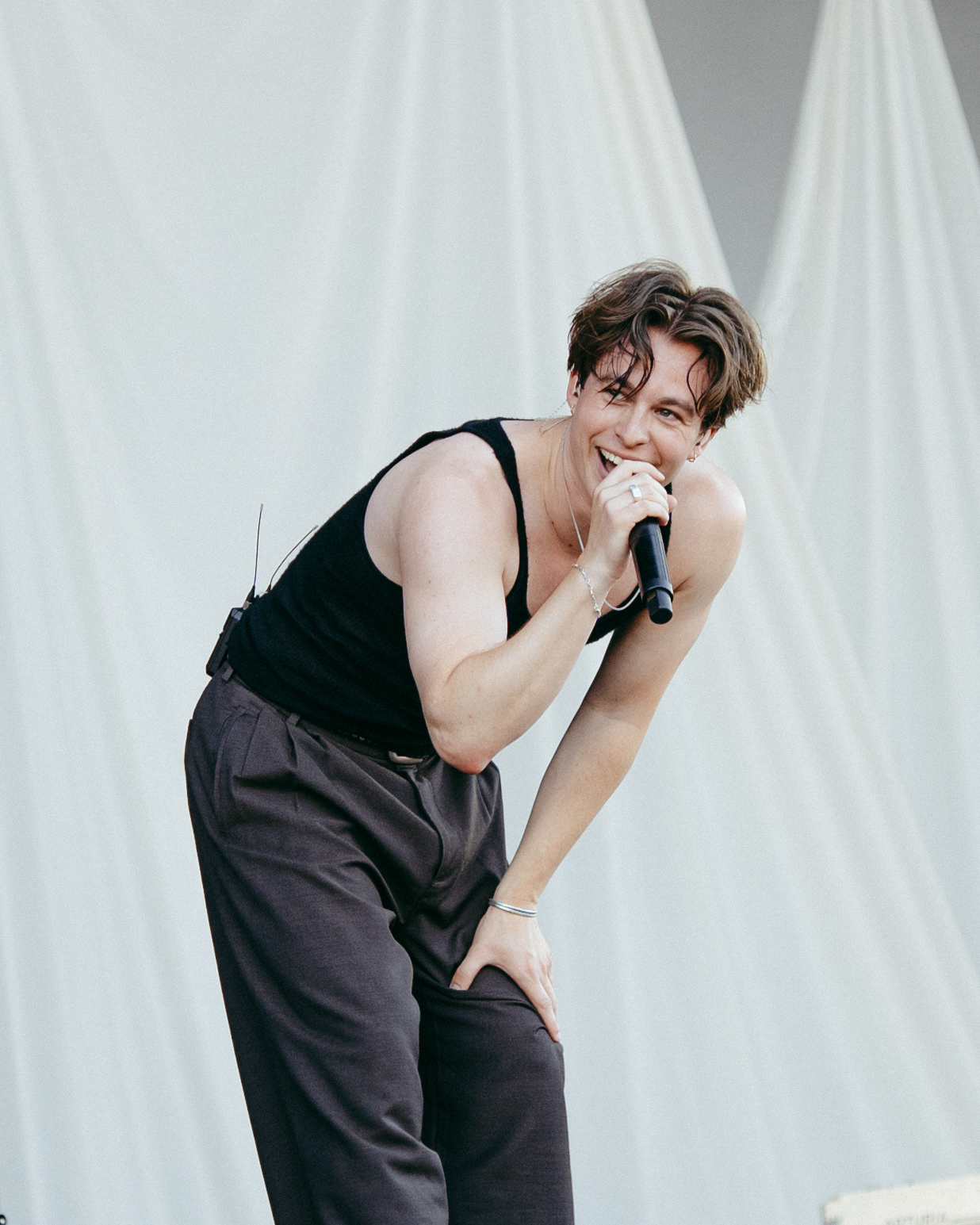
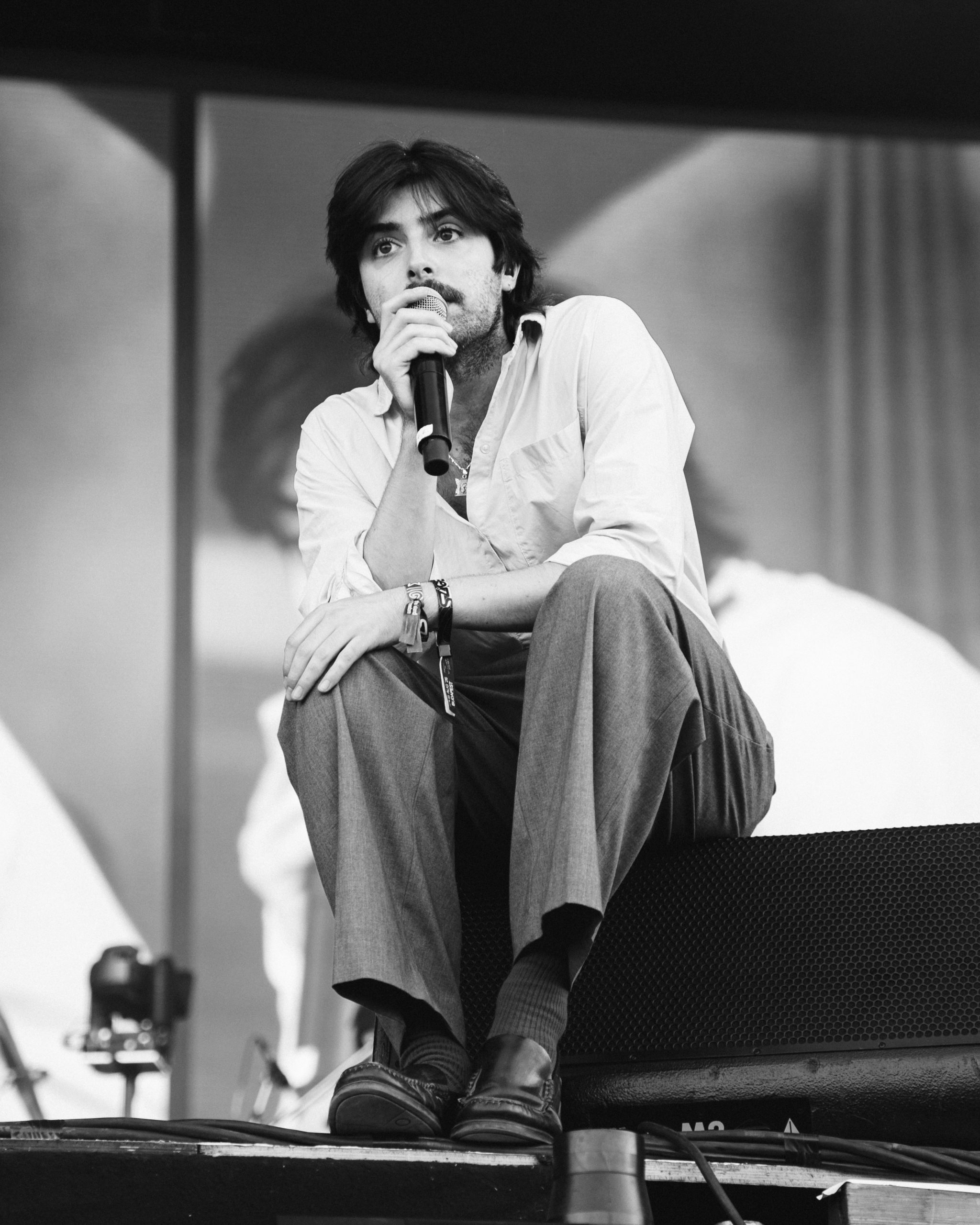
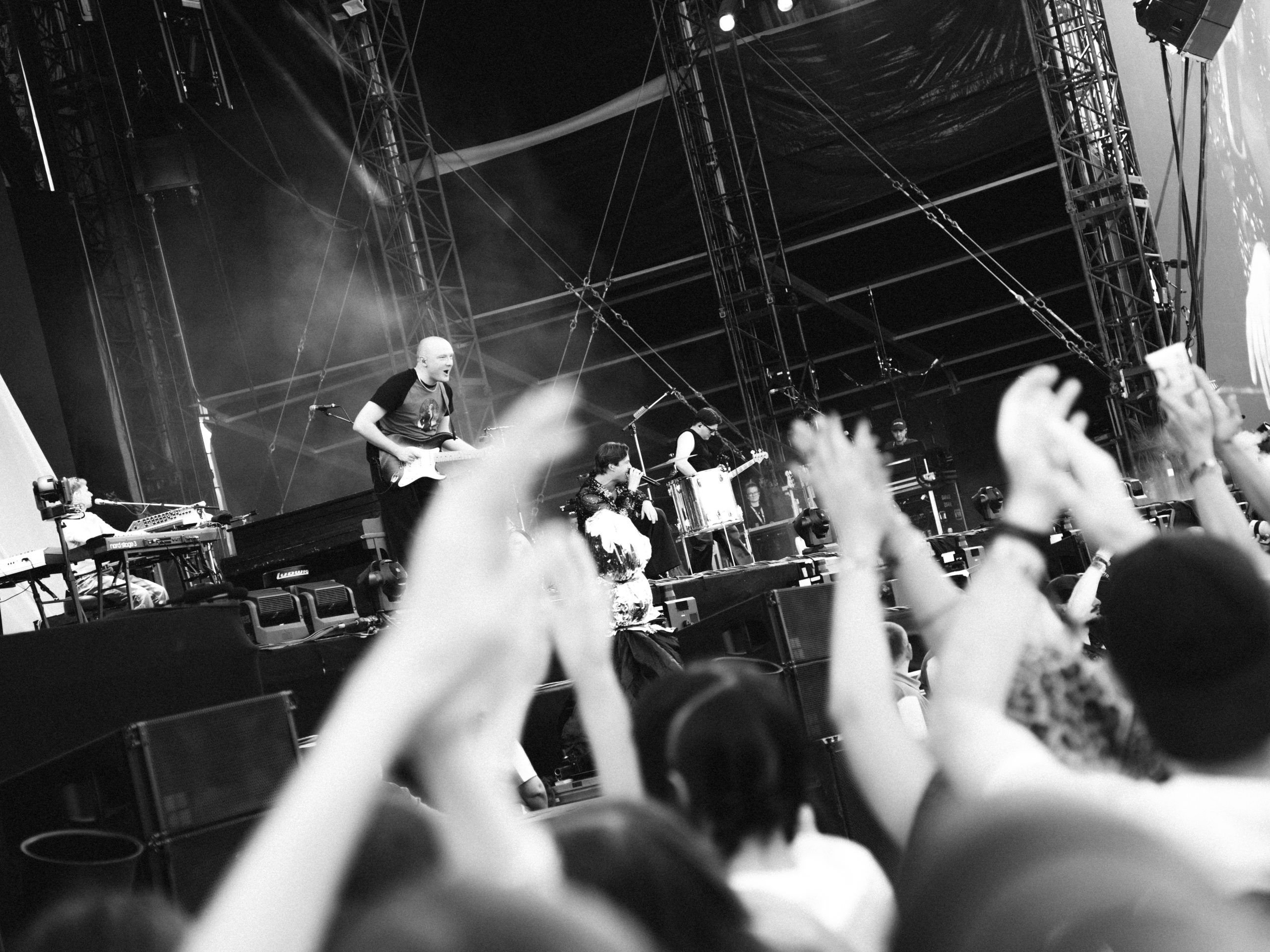
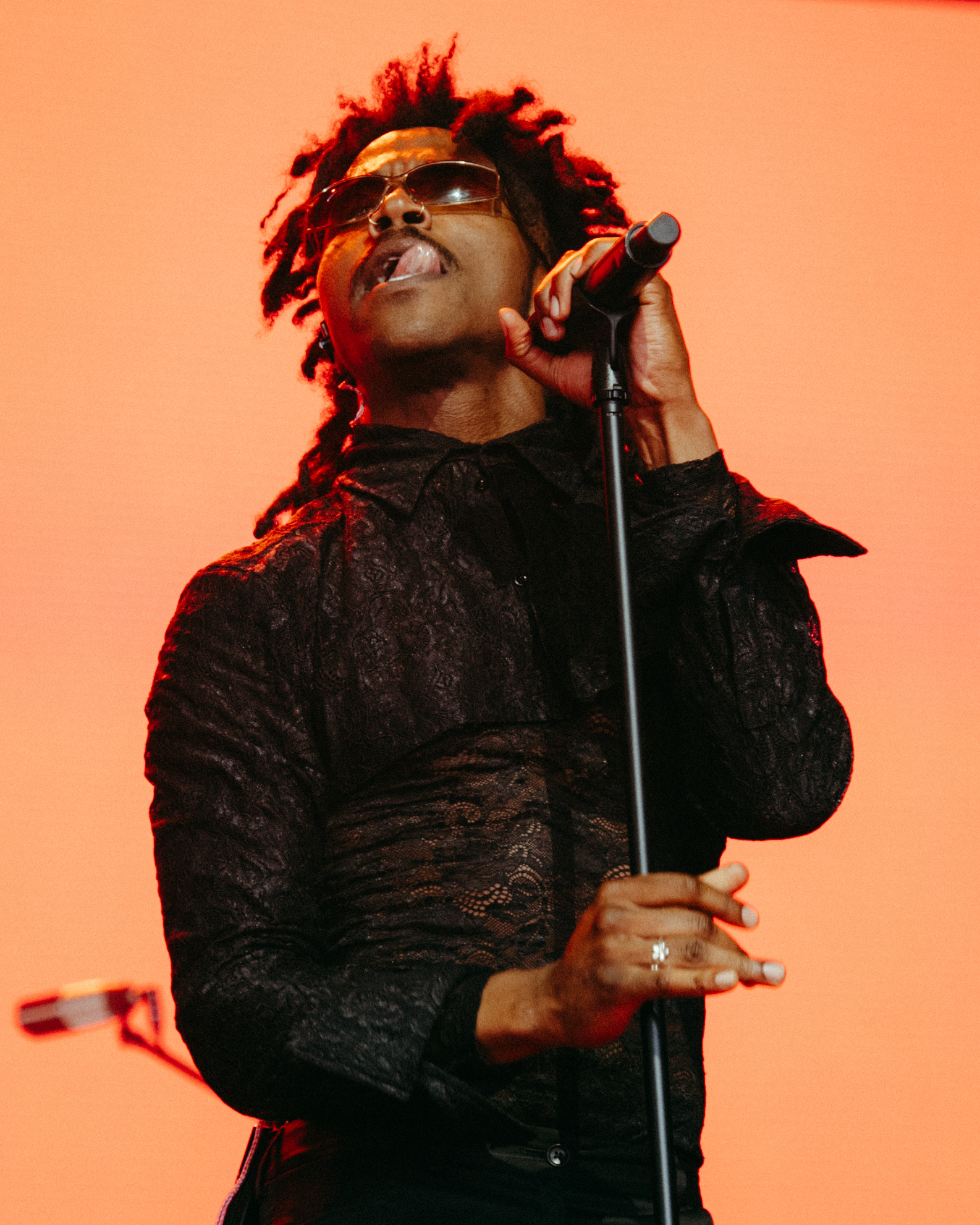
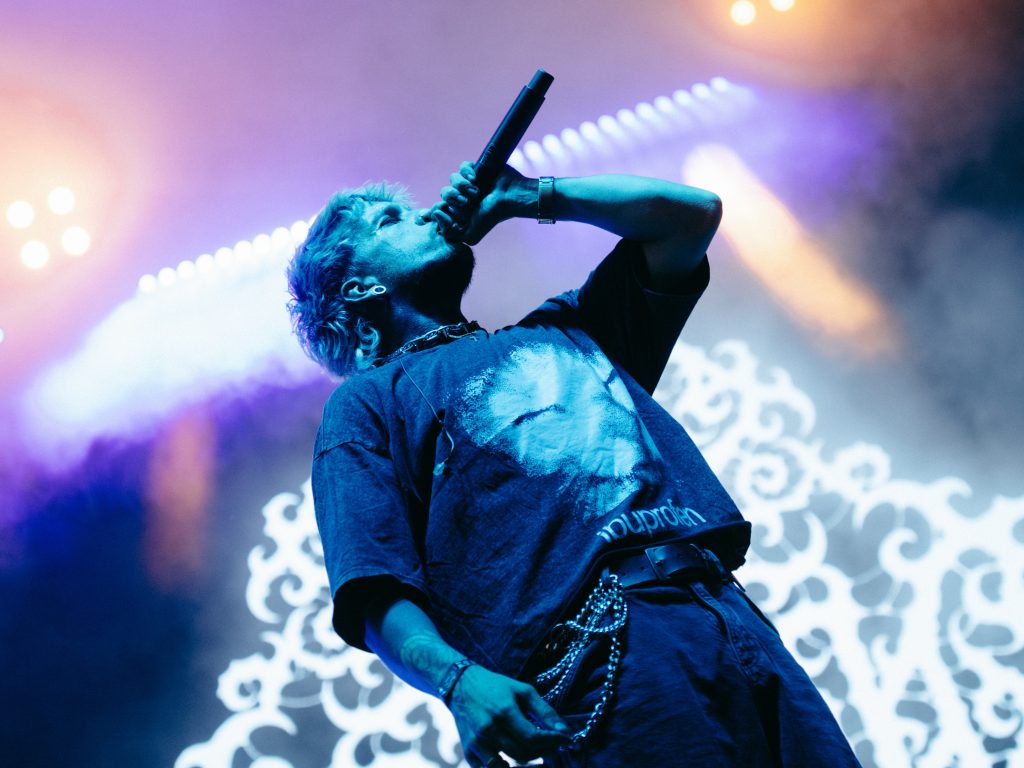
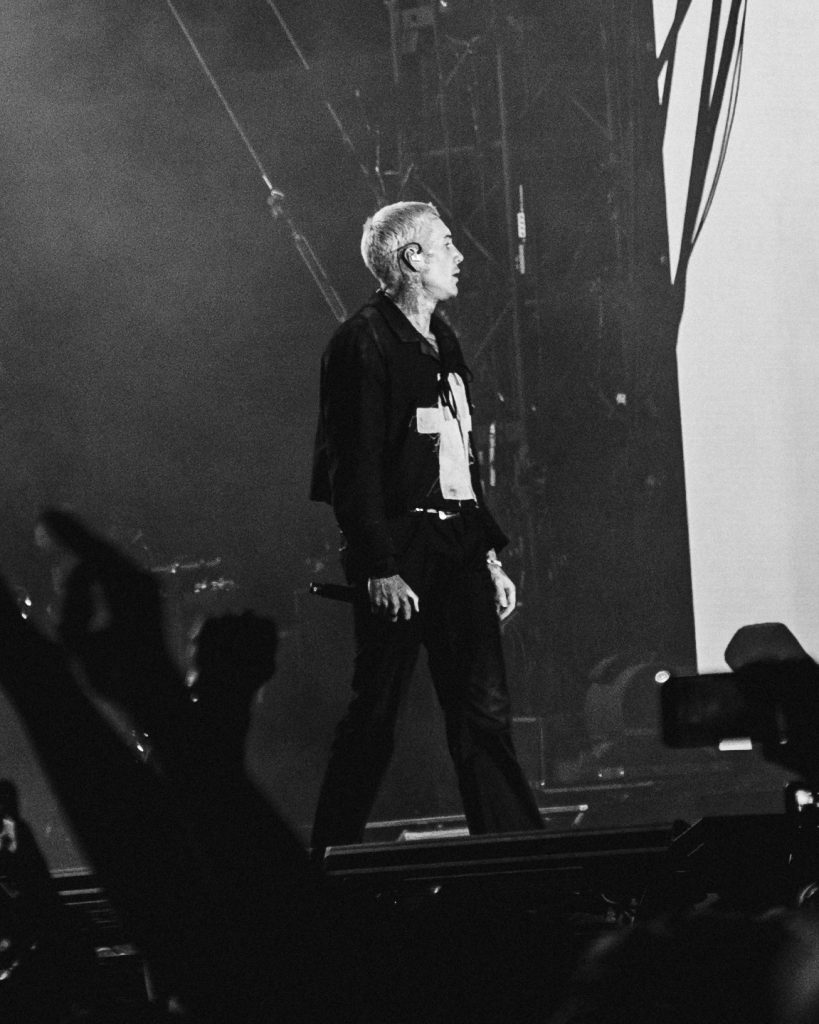
Then came sombr, who proved to be one of the day’s biggest surprises. His connection with the crowd was immediate, and there was a real sense that he was feeding off the audience rather than simply performing in front of it. By the time “back to friends” arrived, the connection between him and the audience was obvious. “12 to 12” pushed that even further, so much so that he ended up playing it twice. Dijon closed out the day with a much more intimate and unpredictable performance, rounding off an opening day that had already moved through punk, pop, alternative R&B and indie without ever feeling musically confined.
Day 2: 12 of August!
If the first day established Sziget’s range, the second was all about performers who understood how to work a crowd.
Giant Rooks opened the day with an infectious sense of joy, and the first thing that stood out was simply how happy they looked to be there. They were constantly moving around the stage, smiling at each other and the crowd, and that sense of enjoyment carried through the entire performance. “Wild Stare” and “Somebody Like You” gave the audience plenty to sing along to, while “The Waves (feat. Solann)” brought a softer moment. It was the kind of set where the enthusiasm on stage quickly became contagious.
Carson Coma followed with a confident homecoming performance. Their familiarity with the Hungarian audience was obvious, but the set never felt dependent on that connection alone. Songs such as “Immunissá válunk,” “Én még sohasem,” and “Kék hullám kemping” gave the crowd plenty to respond to, while the band maintained a loose, energetic presence throughout.
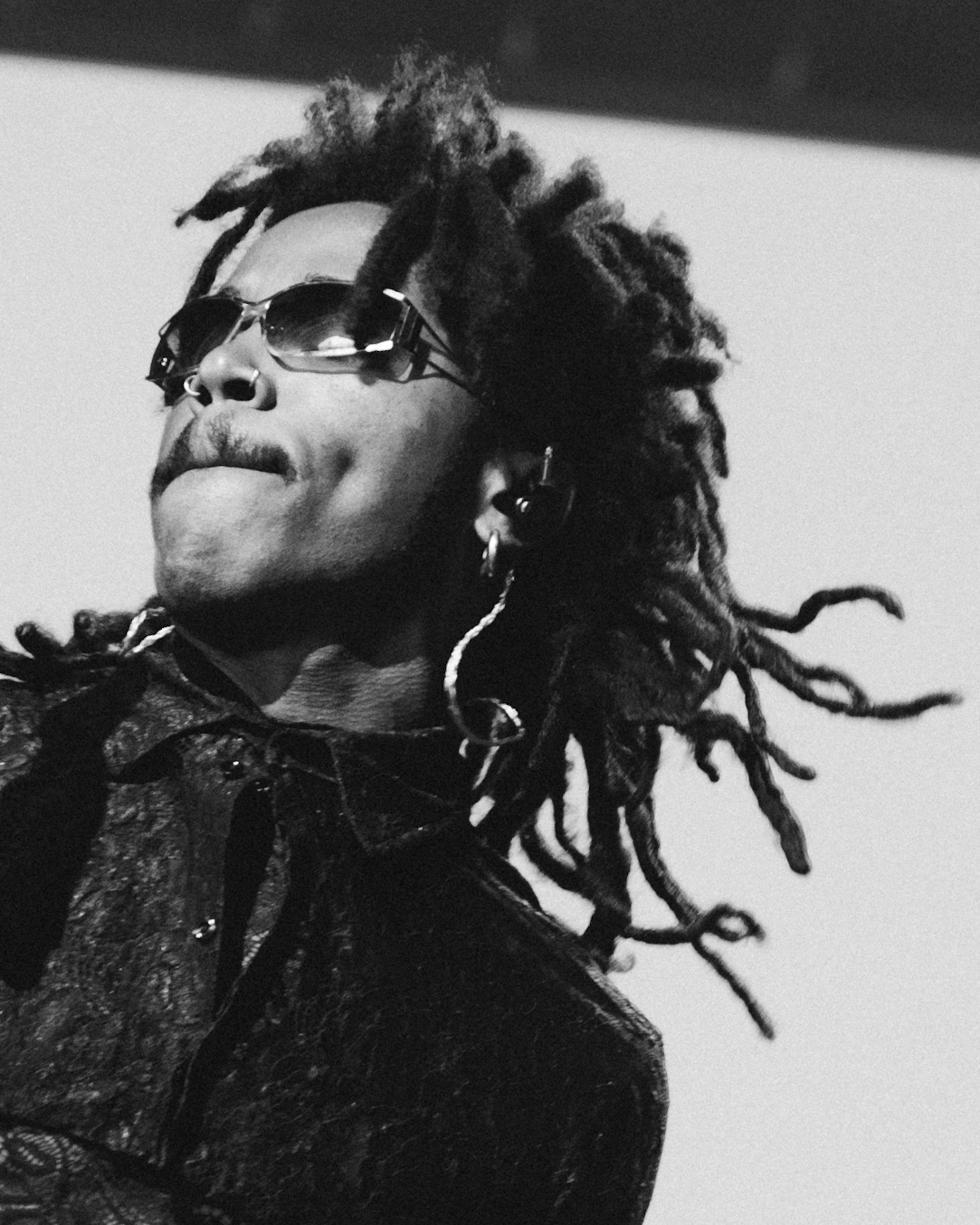
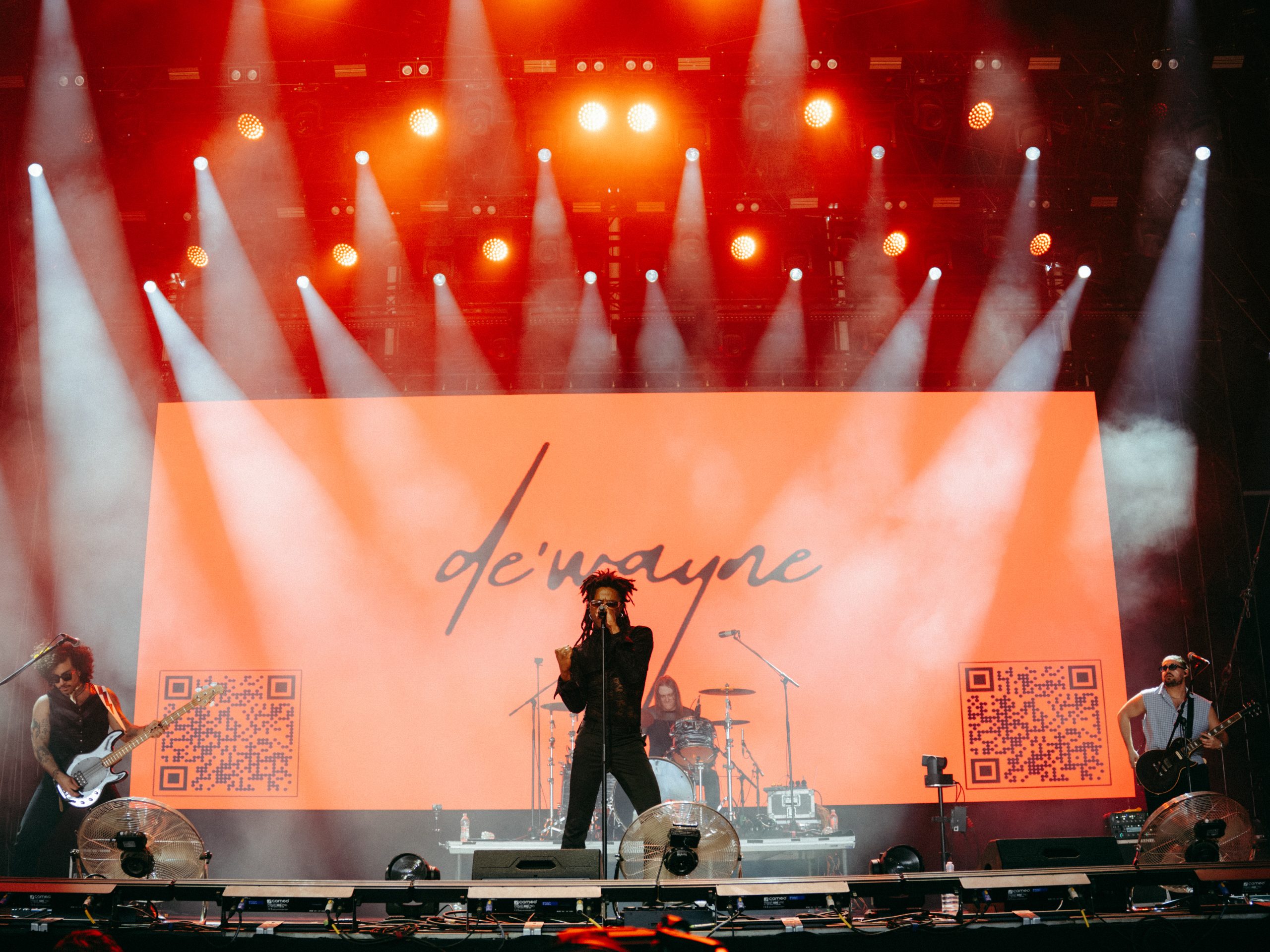
DE’WAYNE brought another shift in energy, with an attitude that made the performance feel immediate and physical. There was a lot of movement and confidence, and with that, he managed to own that stage and the audience’s attention from start to finish.
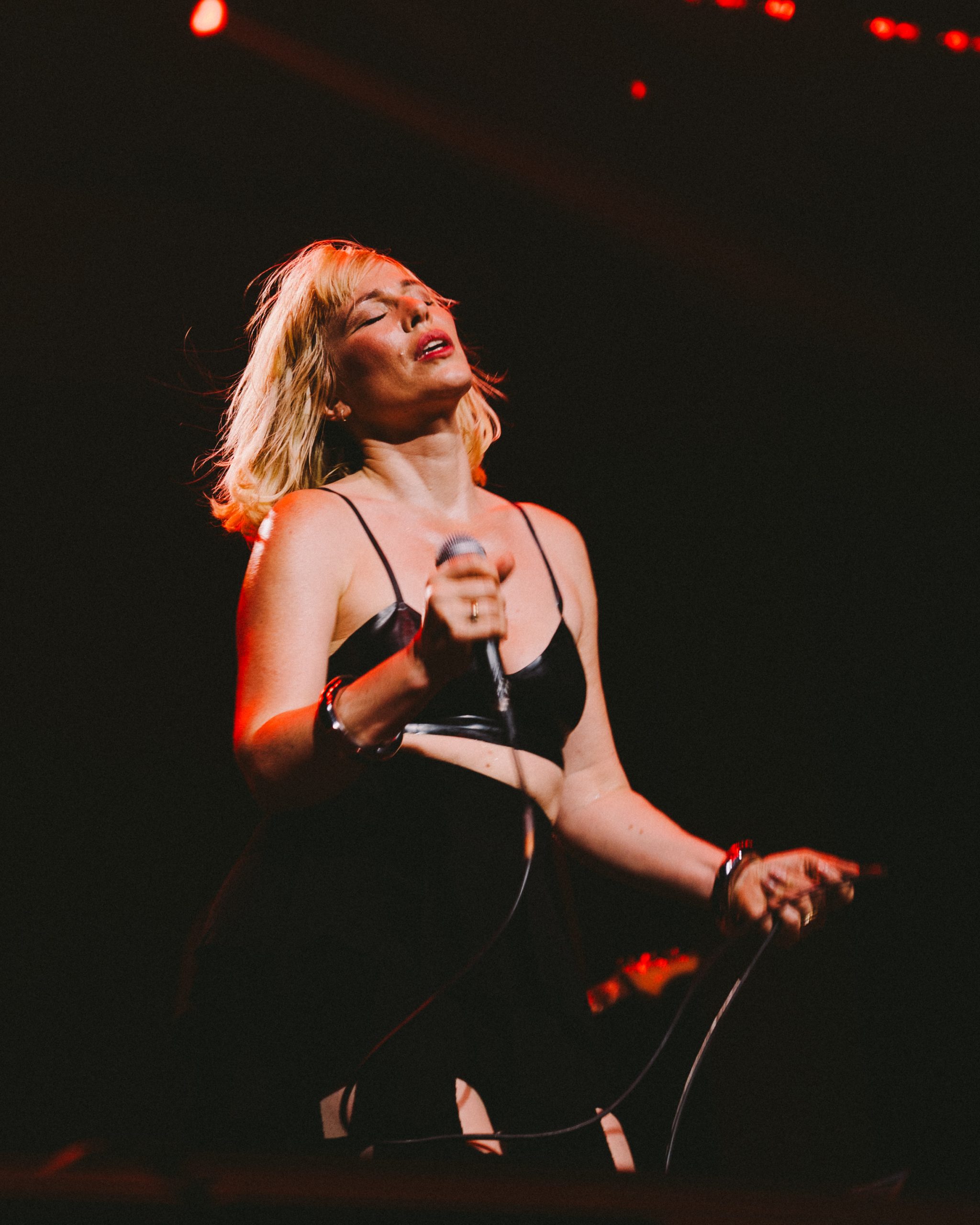
Natasha Bedingfield brought a completely different mood. Songs like “Pocketful of Sunshine” and “Unwritten” immediately gave the crowd something familiar to hold onto, but what made the set work was how comfortable she seemed interacting with the audience, which added warmth to the performance that didn’t depend entirely on nostalgia.
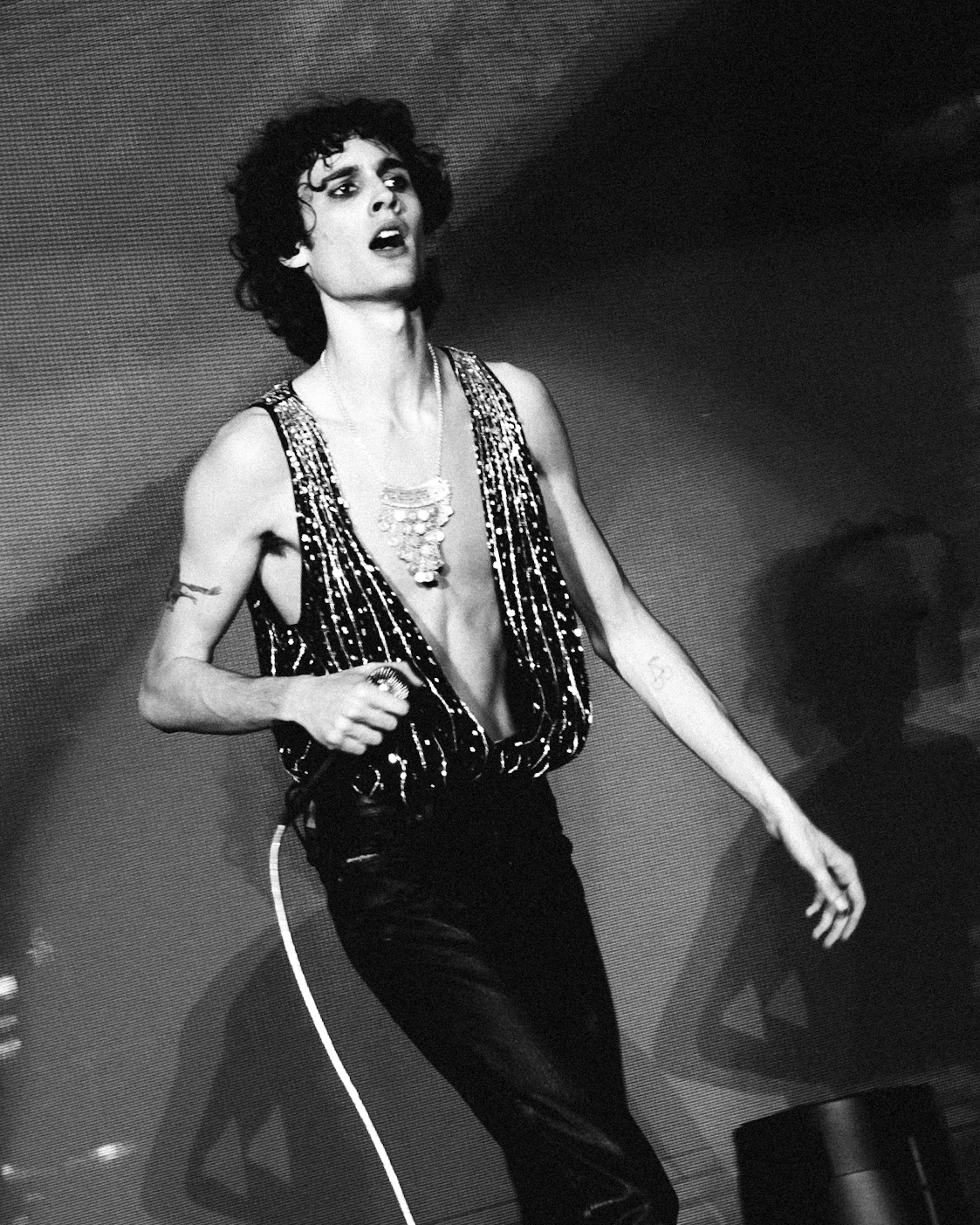
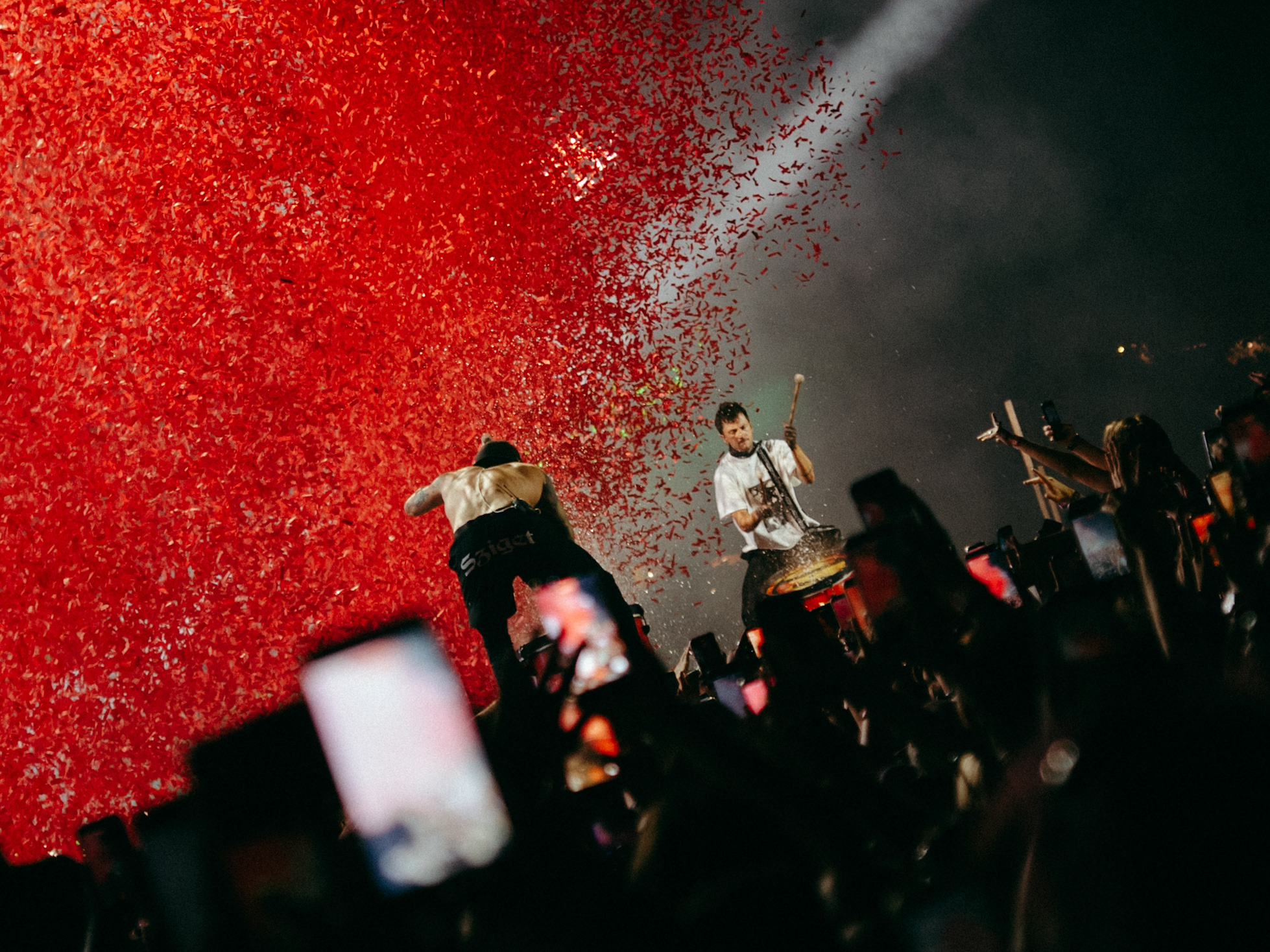
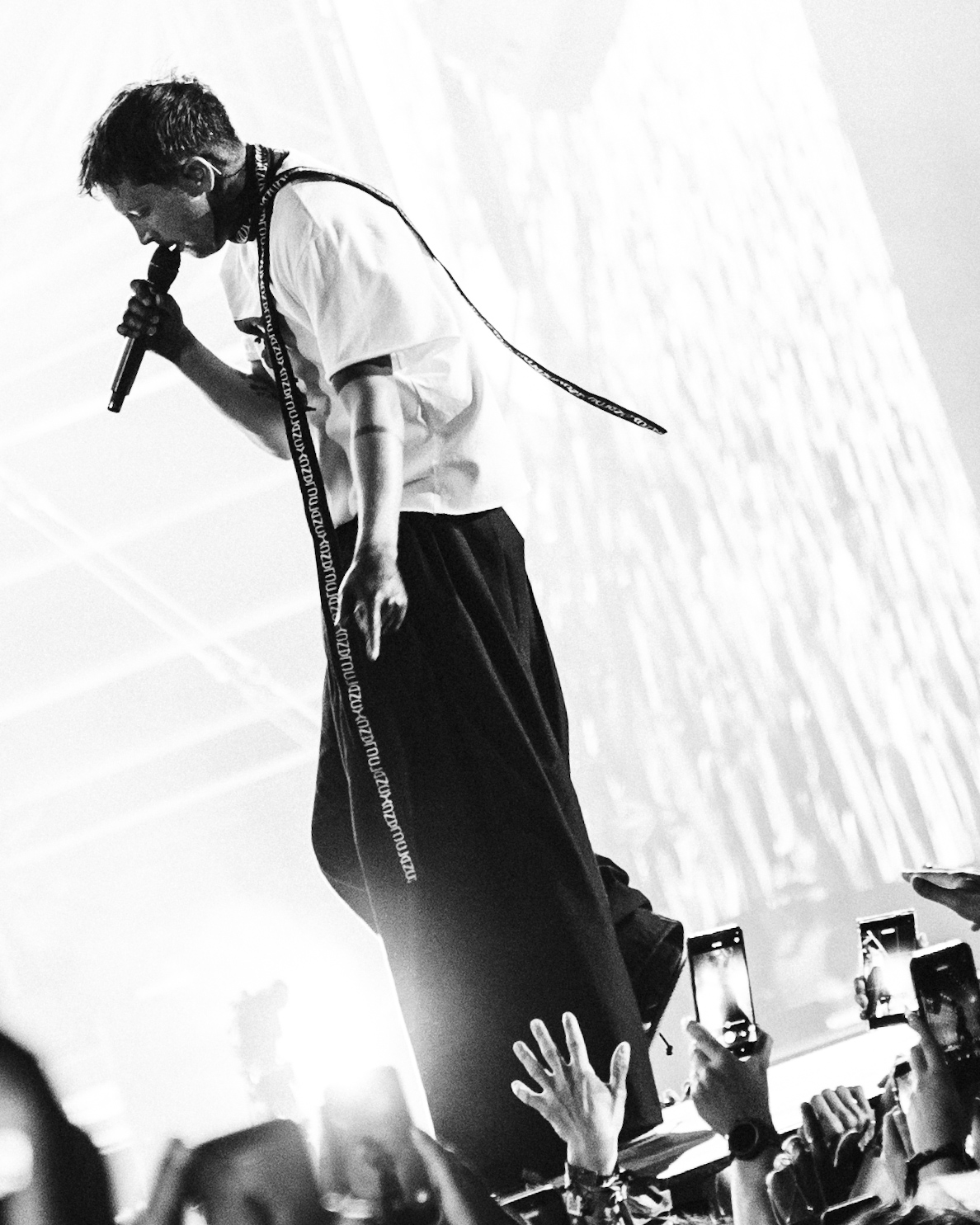
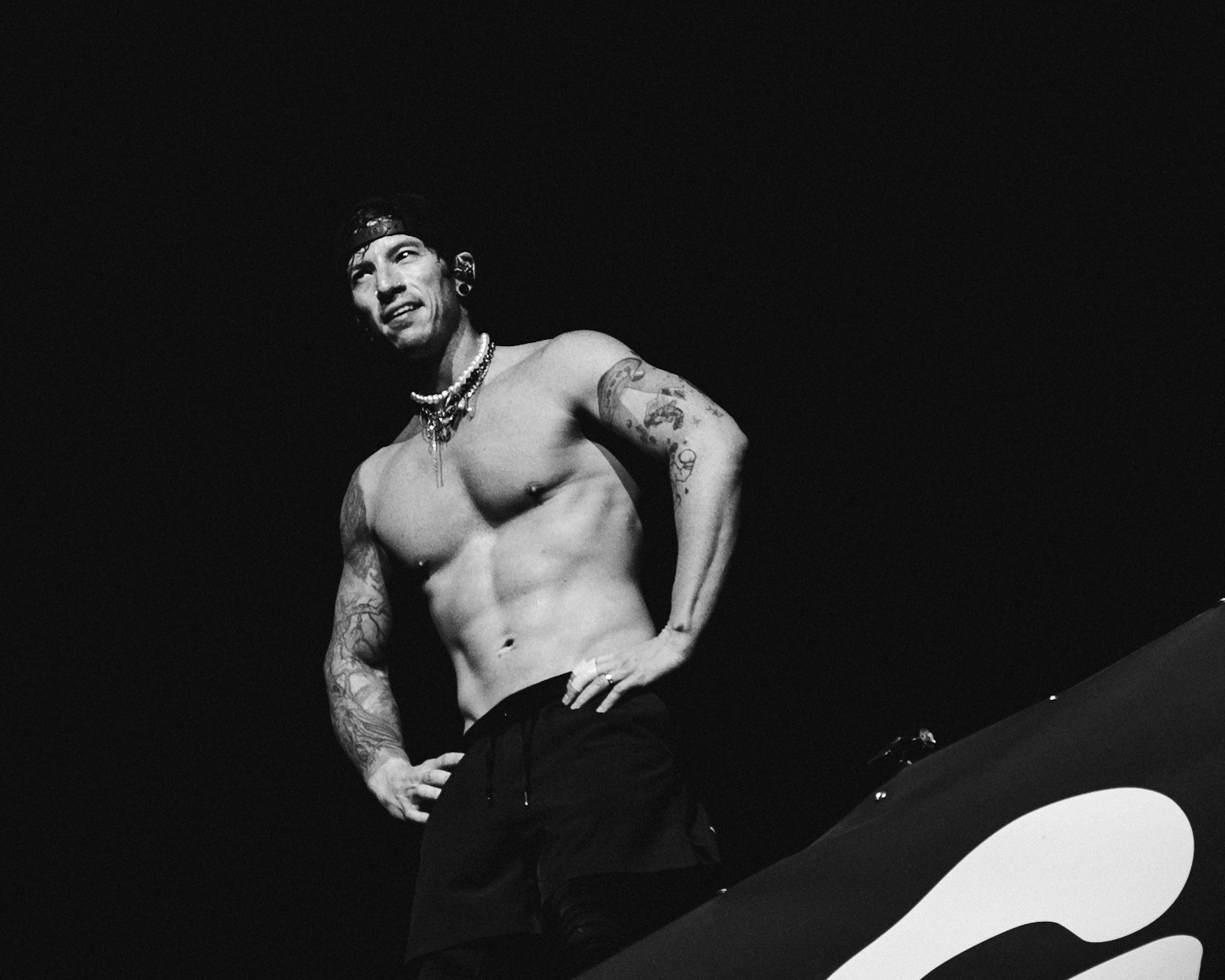
twenty one pilots then took the festival to another level. Their set was carefully constructed, moving from “Overcompensate” and “The Contract” through “Heathens,” “Ride,” and “Stressed Out,” with visual changes and theatrical moments constantly shifting the focus. These songs all became part of a show built around constant movement and visual storytelling, with both Tyler and Josh repeatedly breaking the distance between stage and audience.
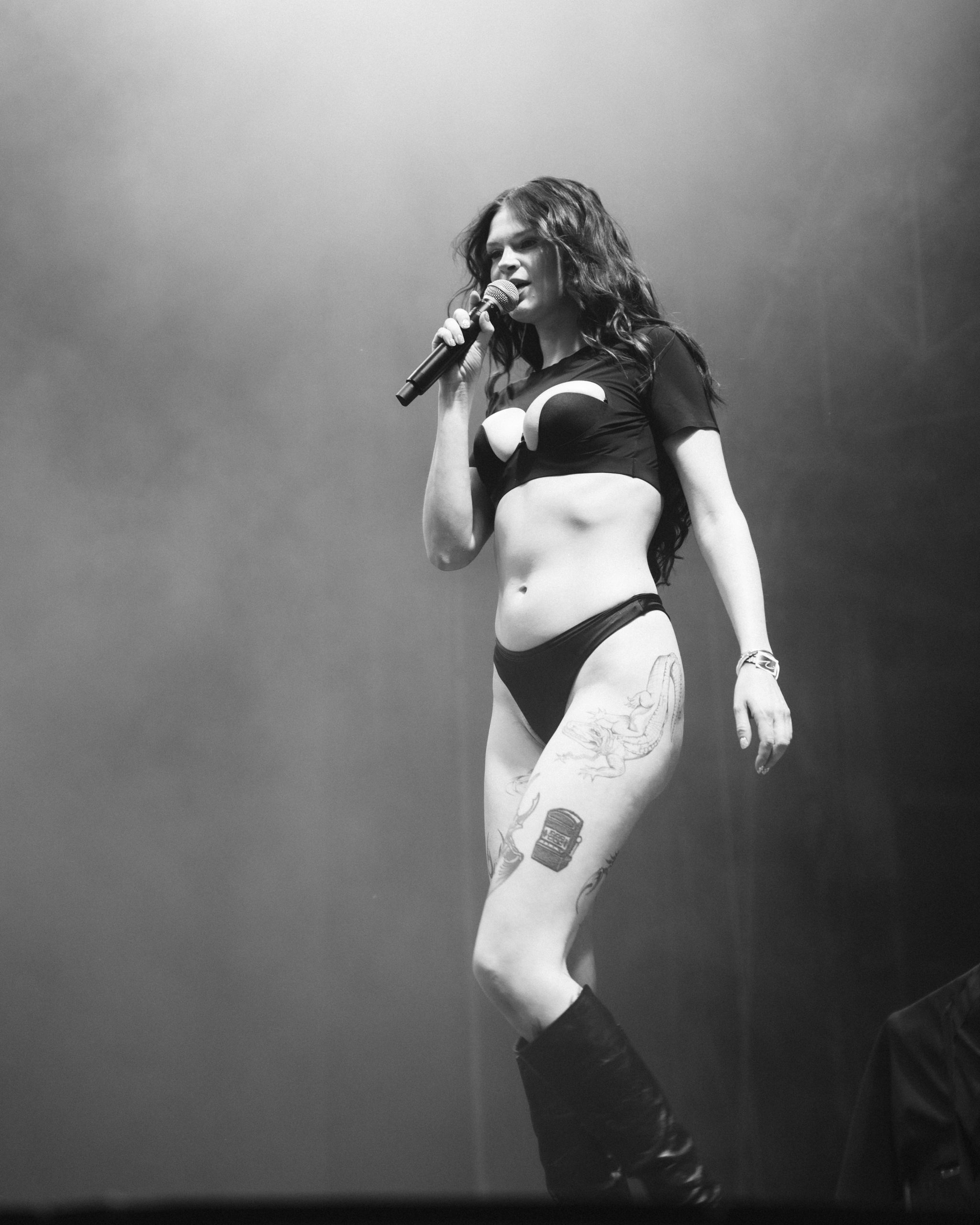
German rapper Ikkimel closed the night with almost the opposite approach, as she arrived with a huge amount of energy and seemed determined to keep pushing it higher. After the scale and structure of twenty one pilots, her set felt immediate and chaotic in the best possible way.
Day 3: 13 of August!
On the third day, Paris Paloma opened with a performance that felt markedly more atmospheric, allowing the audience to settle into the afternoon before the pace gradually picked up. Her set drew heavily from her darker, folk-influenced songwriting, with “labour” providing one of its most recognisable moments.
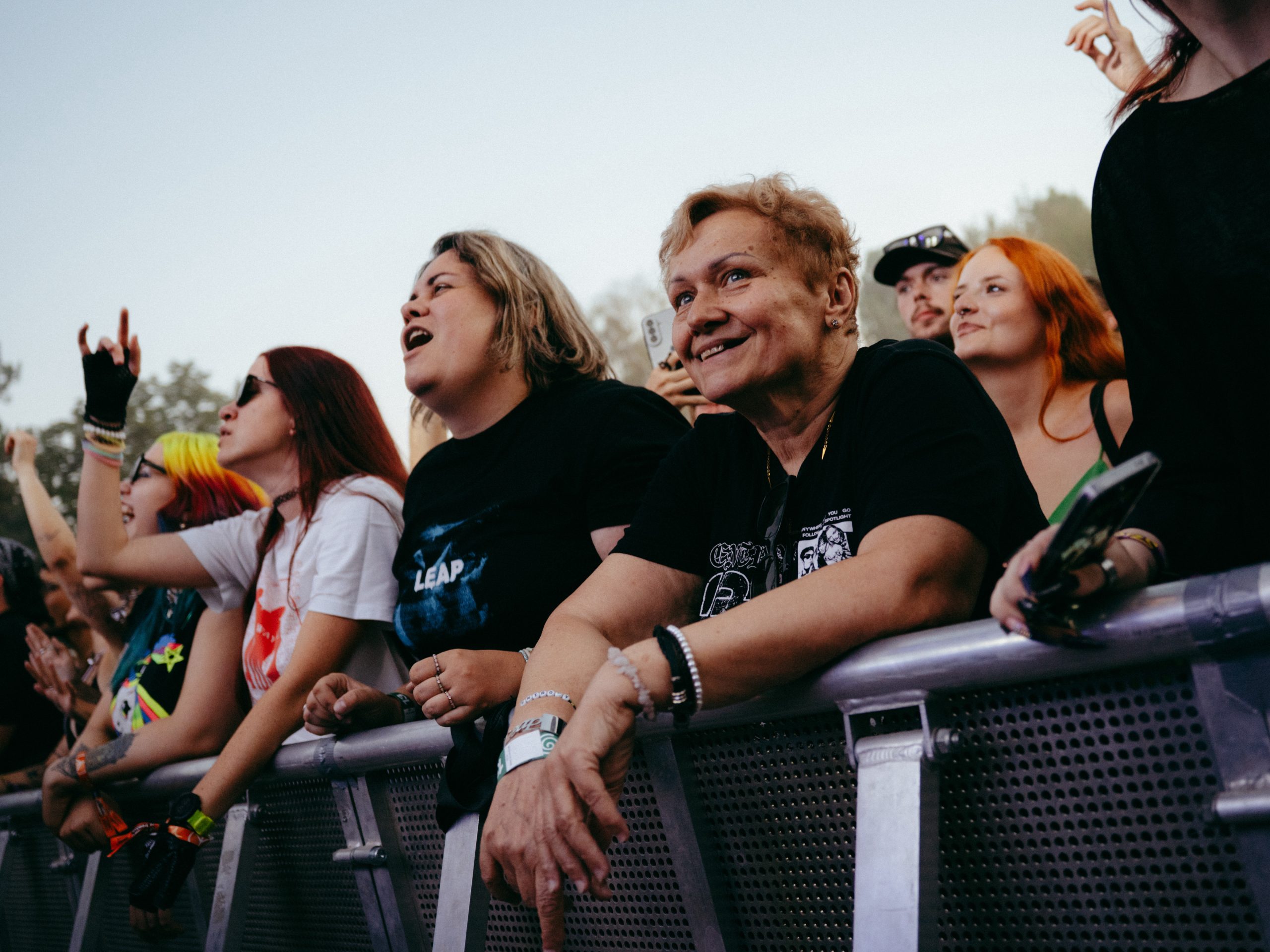
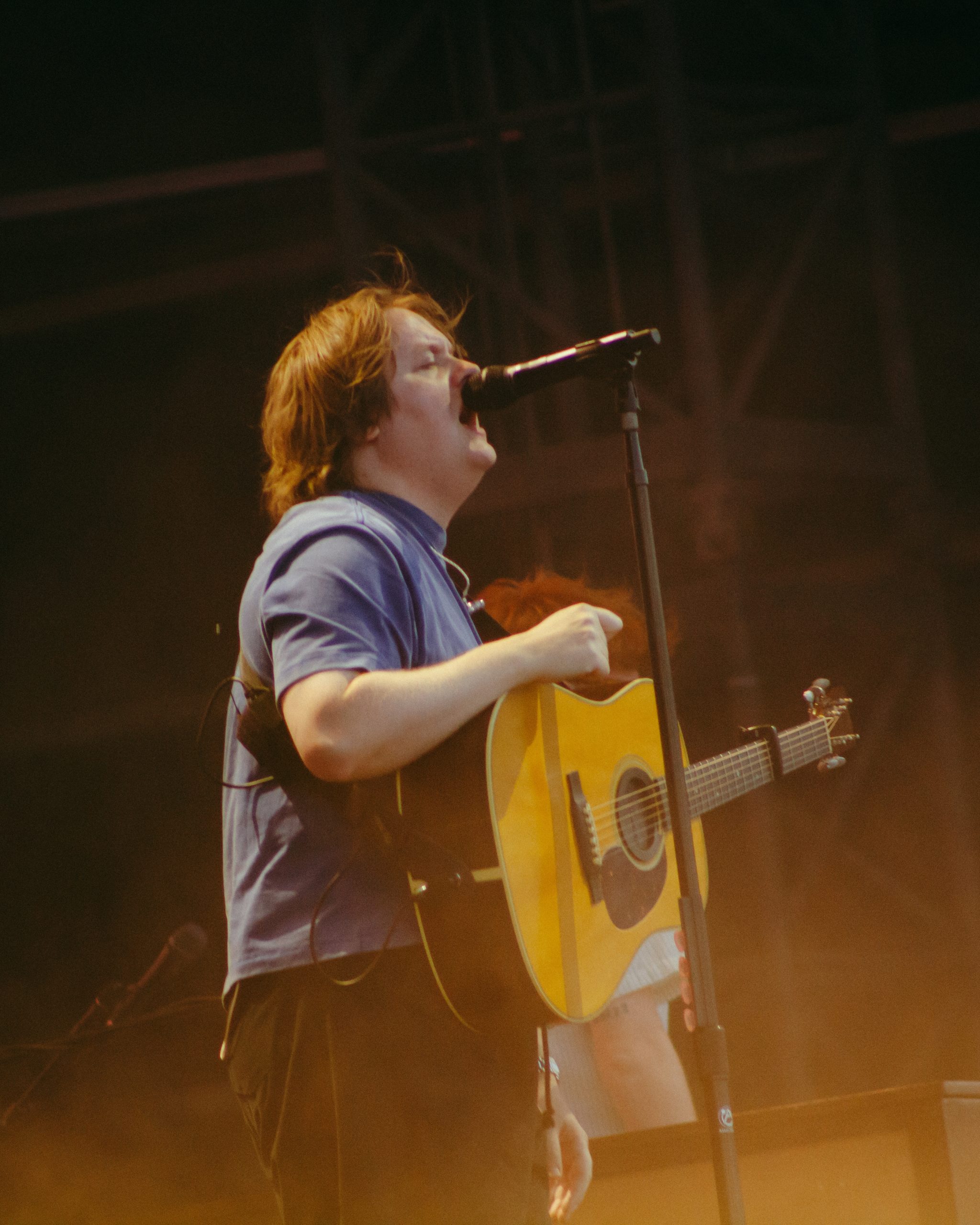
Lewis Capaldi brought the opposite kind of intimacy. His voice carried easily across the festival crowd, but it was his humour and willingness to interact between songs that kept the performance from becoming overly steady. When the crowd joined in with songs such as “Before You Go” and “Someone You Loved,” the enormous festival setting suddenly felt personal.
Fcukers shifted the mood almost immediately afterwards. Their electronic sound gave the stage a much more restless, late-night feeling, with the crowd moving more as a group than they had earlier in the day. Their set, built around tracks including “Mothers,” “Beatback,” and “L.U.C.K.Y,” felt like a natural transition into the evening.
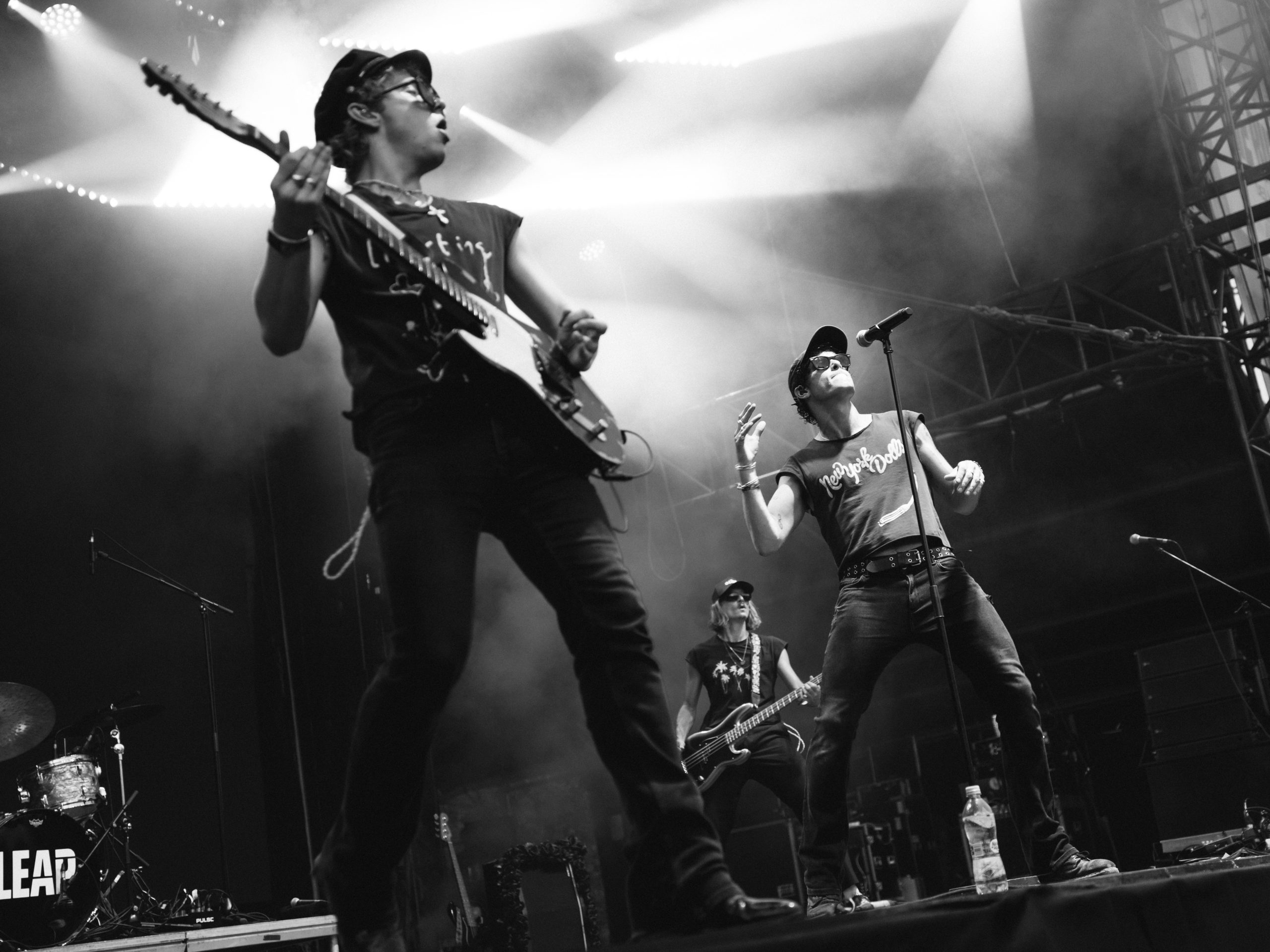
LEAP continued with a more guitar-driven performance, their set moving through “Over & Out,” “Play Dead,” and “Do Or Die” with a physicality that worked particularly well in the festival environment.
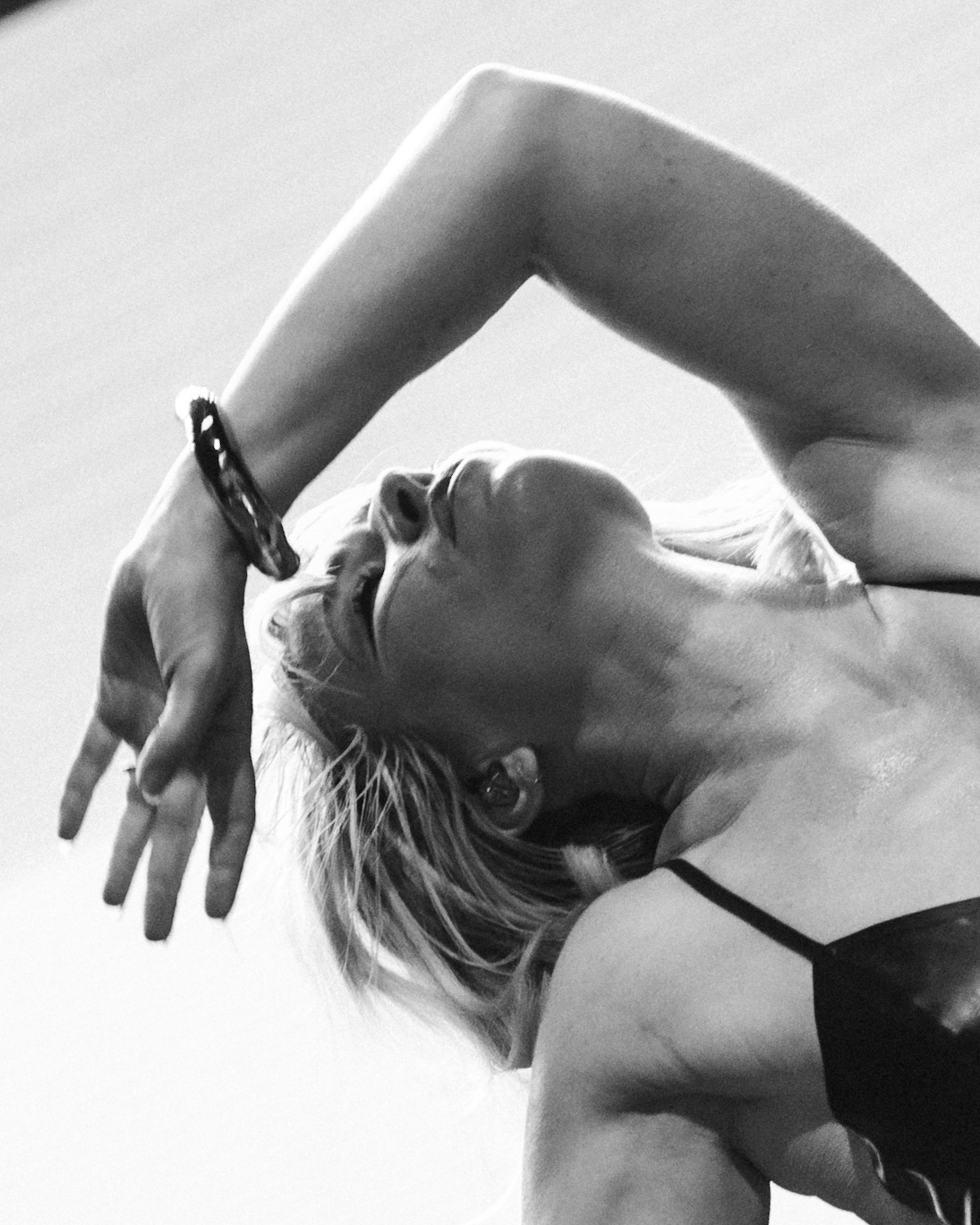
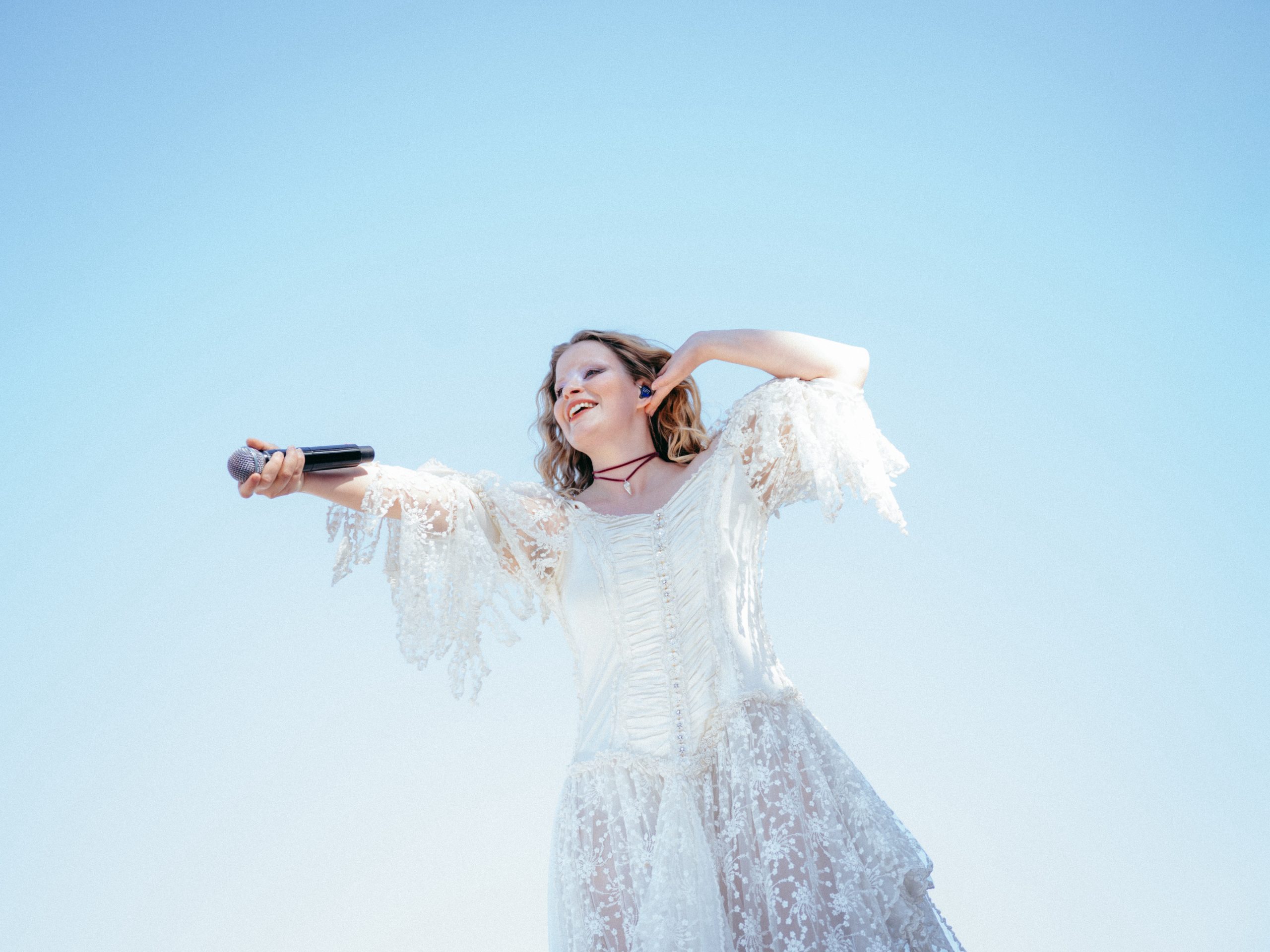
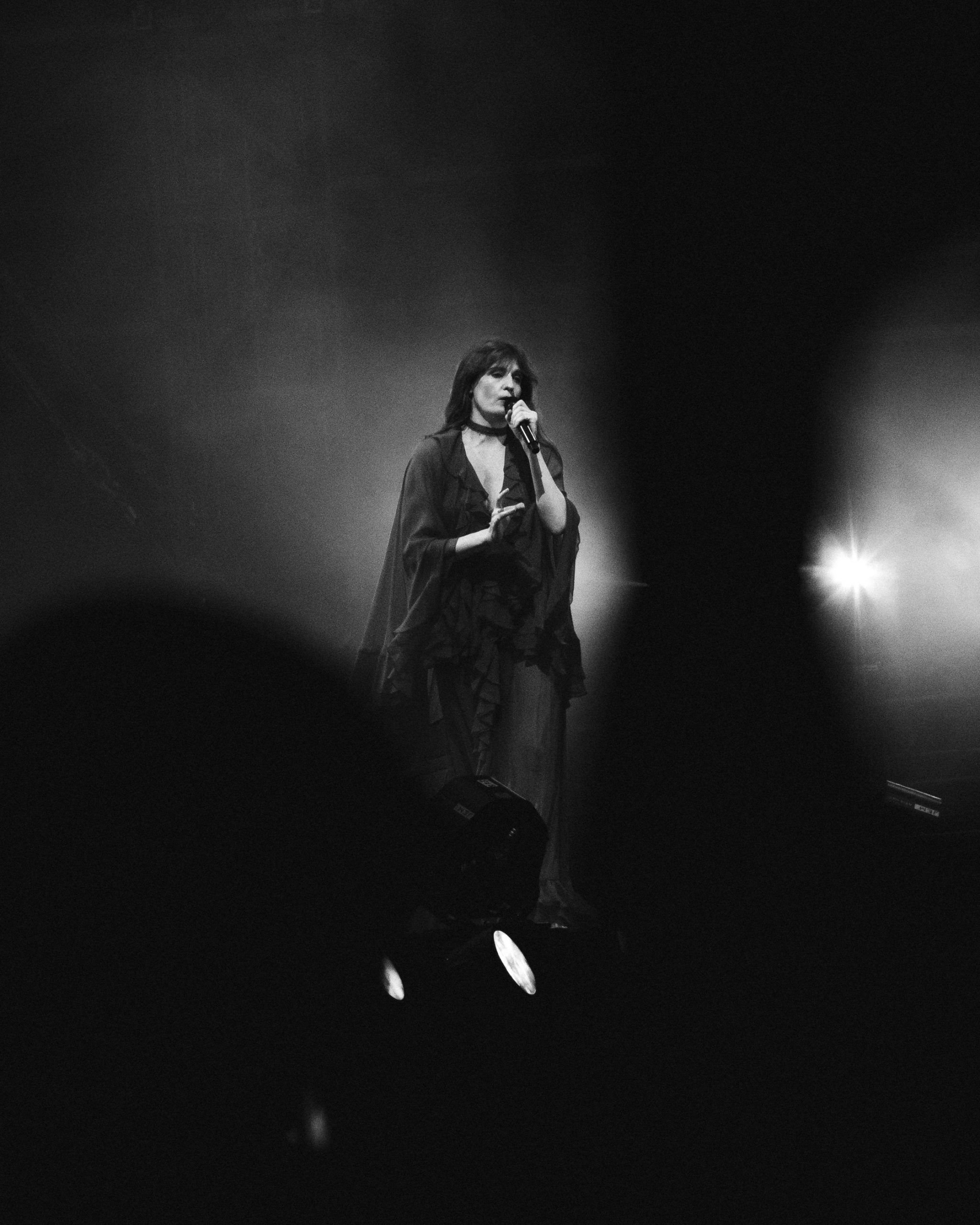
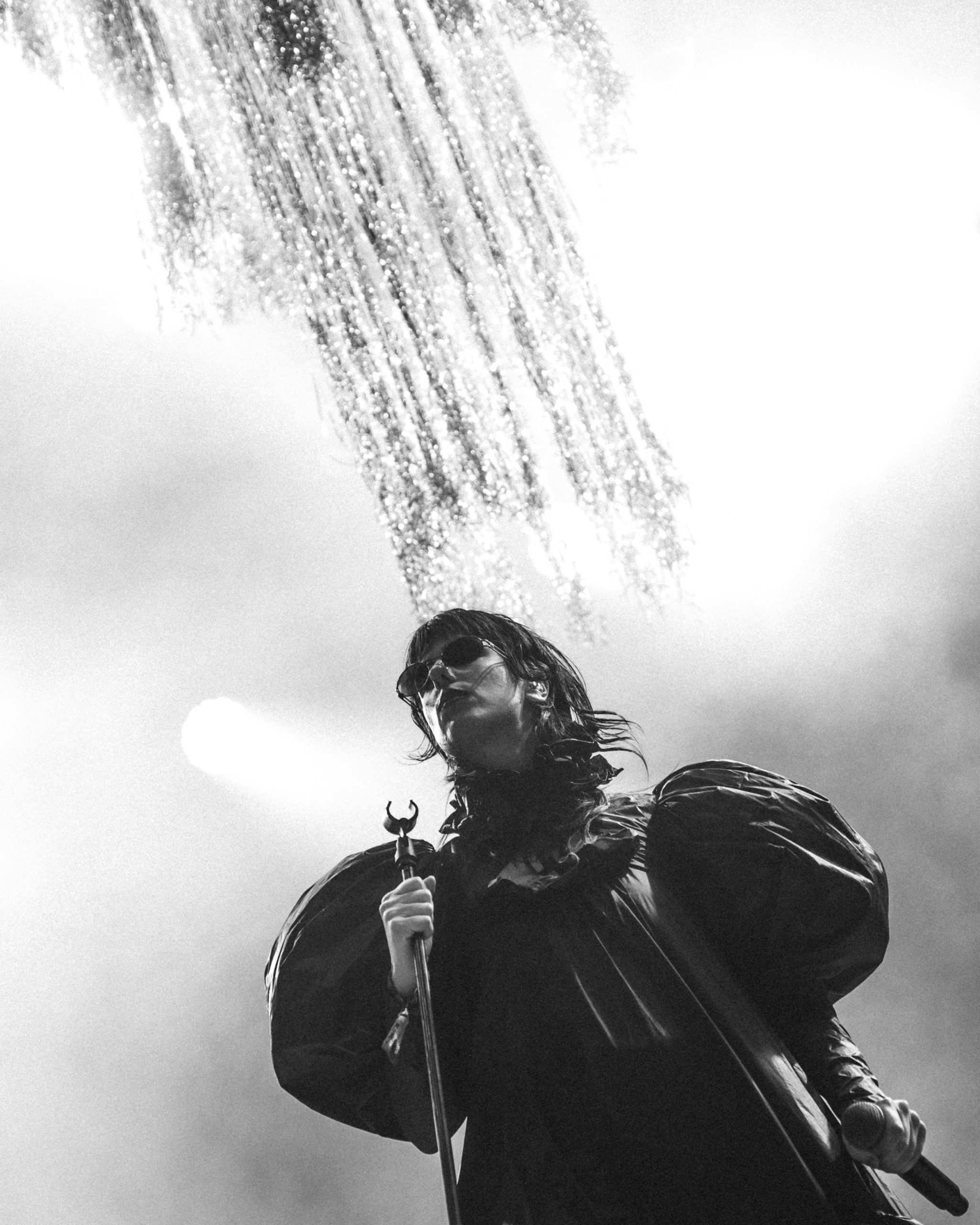
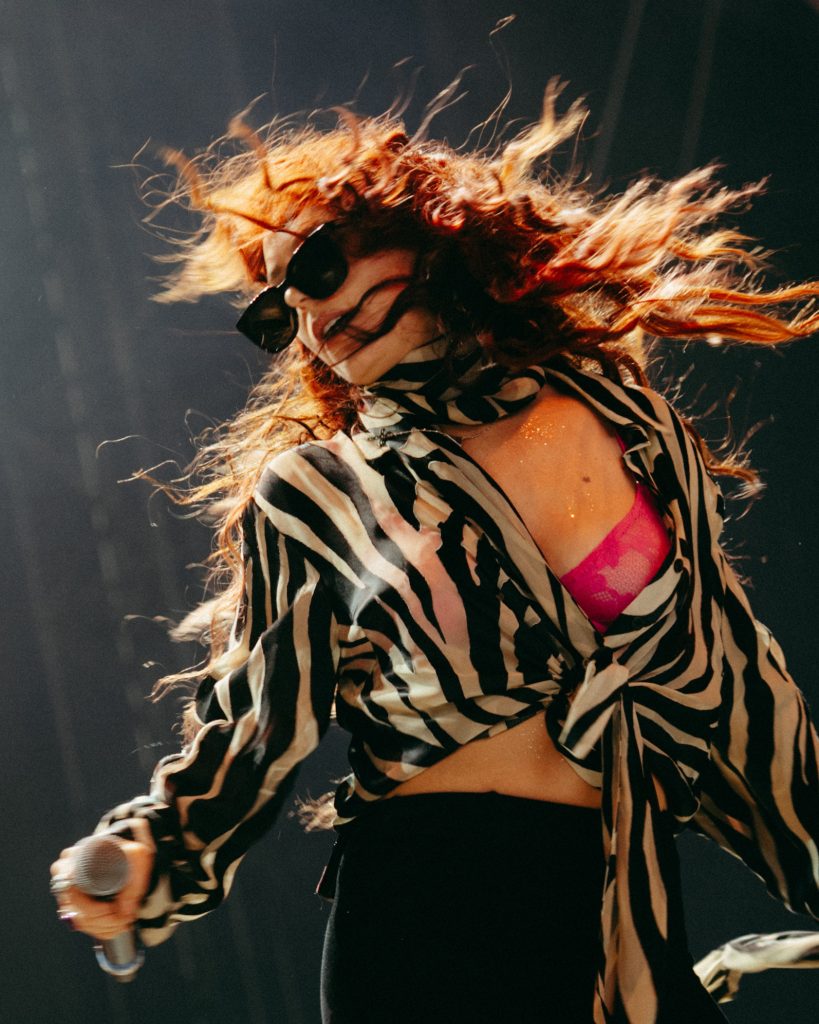
As the night fell, Florence + The Machine took over the main stage. Florence Welch has the rare ability to make a huge festival stage feel intimate, and the scale of the production never overshadowed her presence. She moved across the stage with a kind of freedom that made the enormous production feel surprisingly personal. From “Shake It Out” and “Hunger” through to “Dog Days Are Over,” the set built steadily between theatrical grandeur and moments of direct connection with the crowd. It was one of the festival’s defining performances, not simply because of its size, but because of how completely Florence owned the stage.
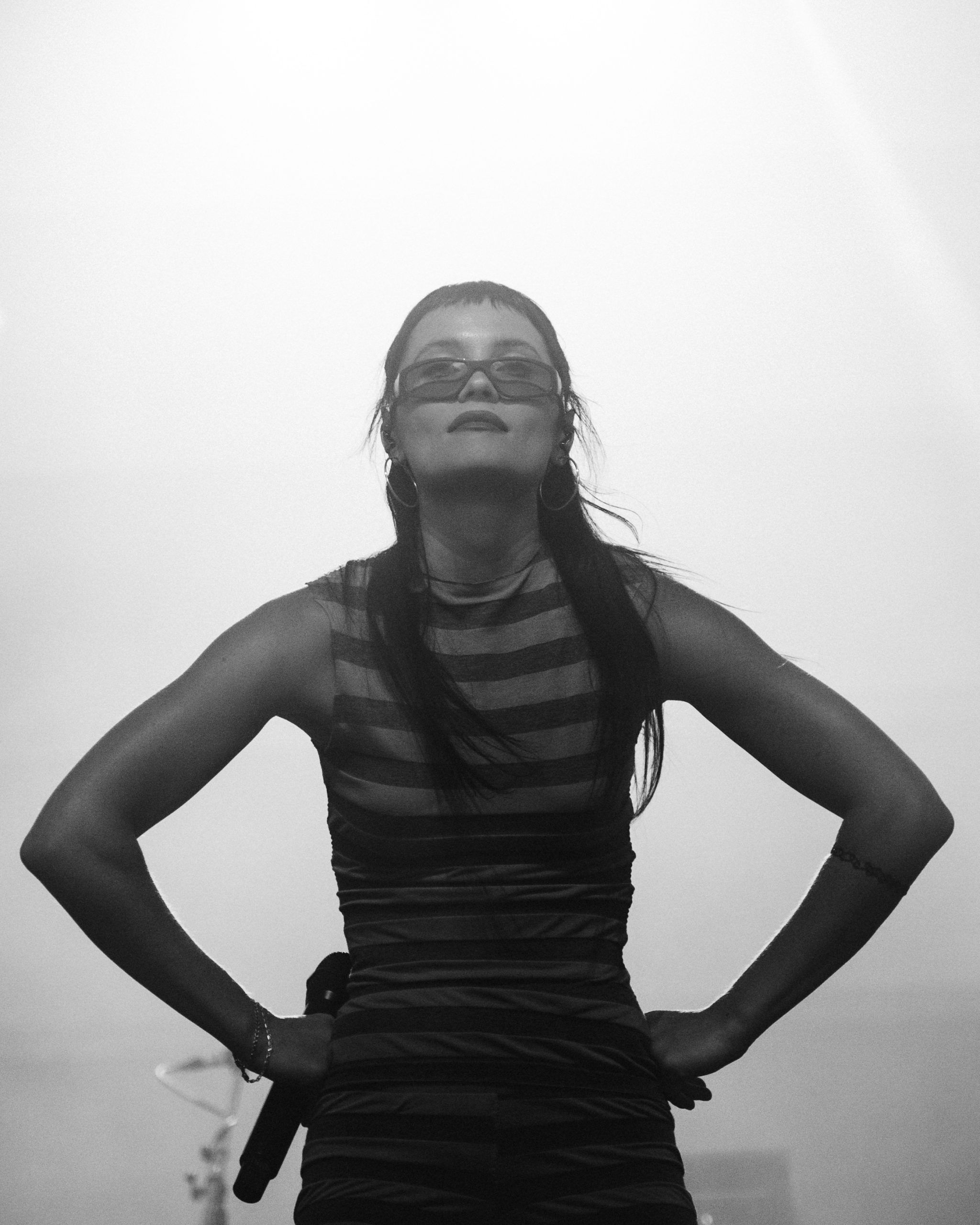
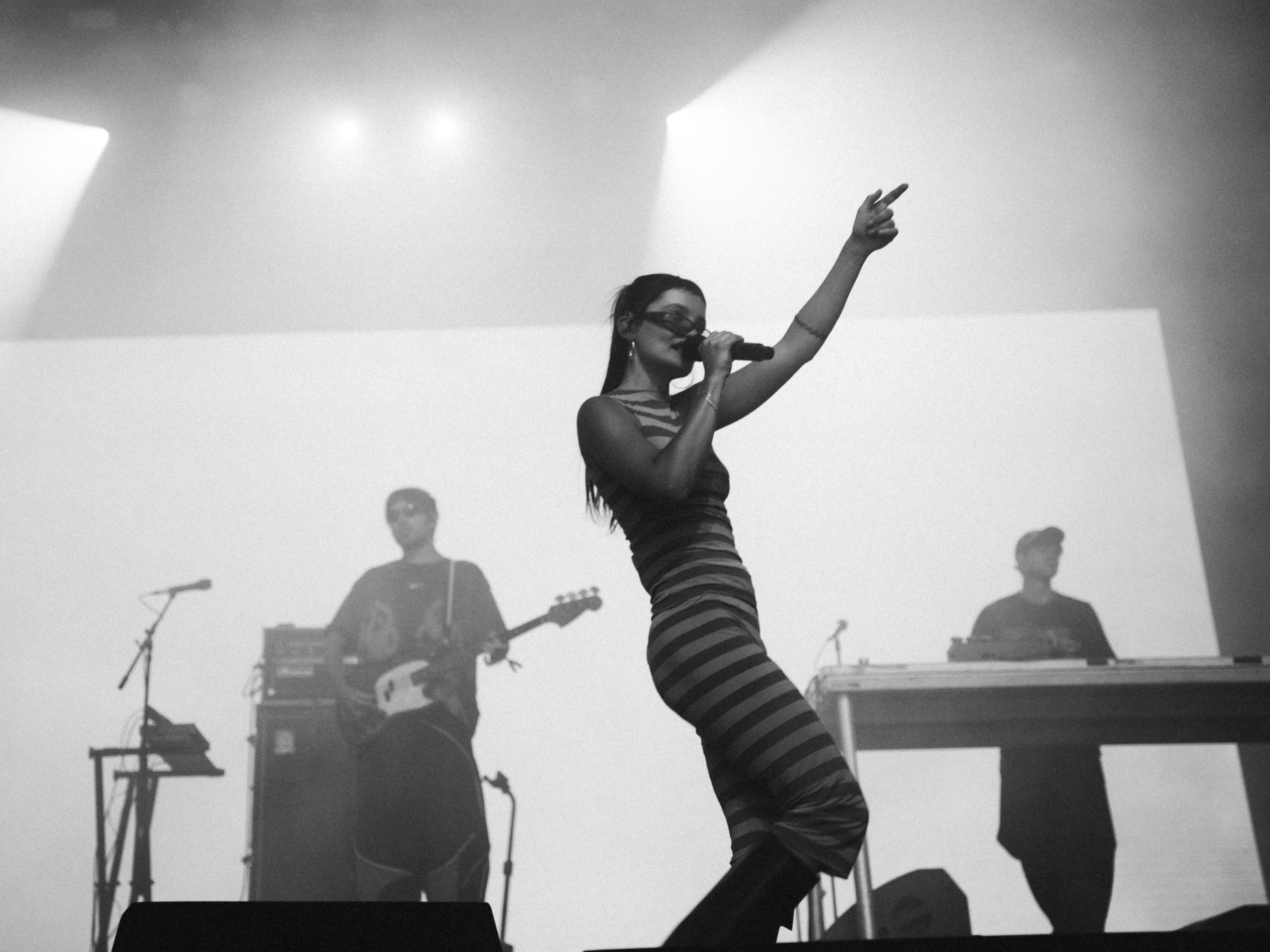
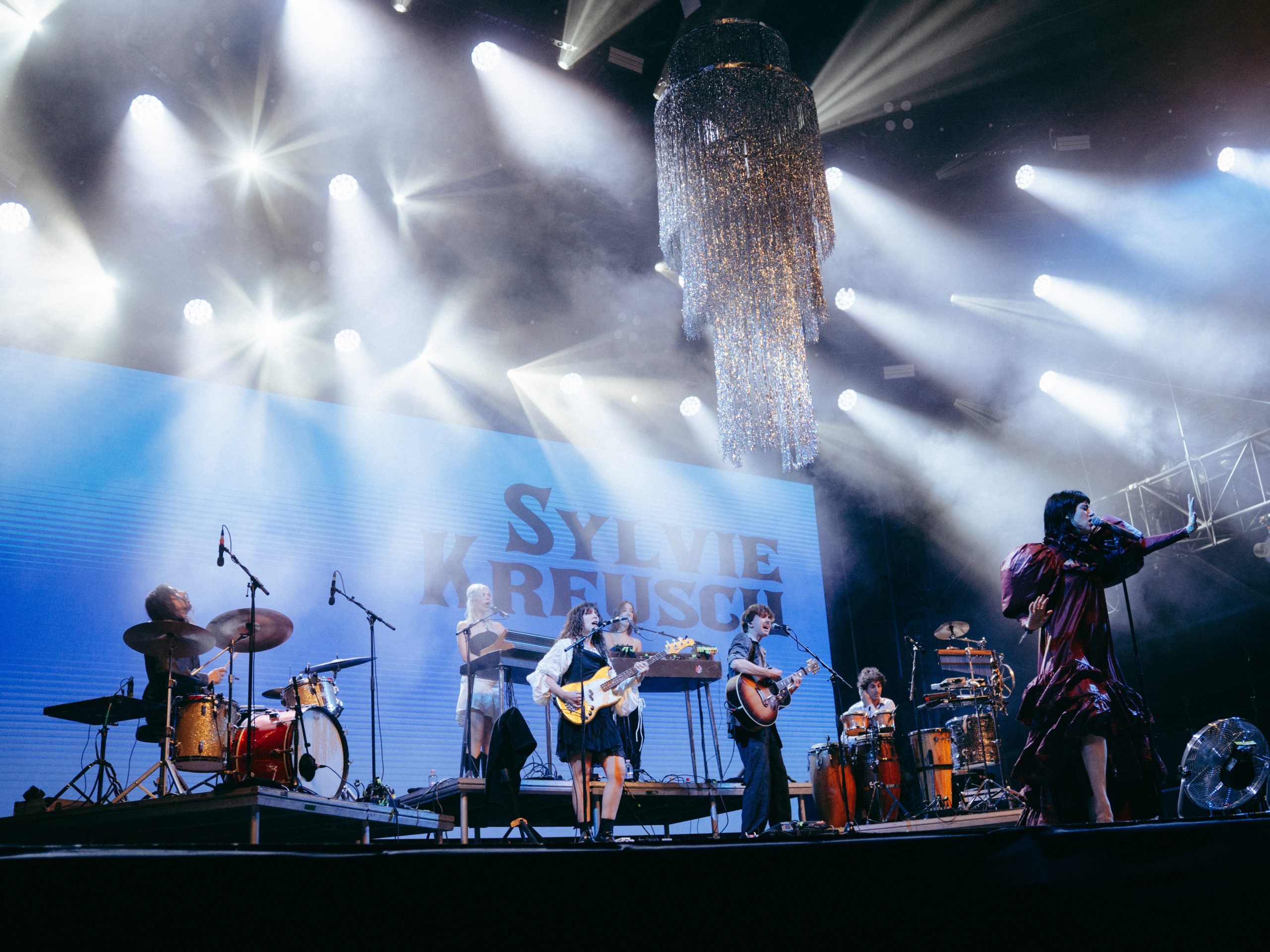
Sylvie Kreusch brought a very different atmosphere to the final part of the evening. Her performance was more stylised and unpredictable, providing an appropriately distinctive ending to a day that had moved from intimate songwriting to electronic experimentation.
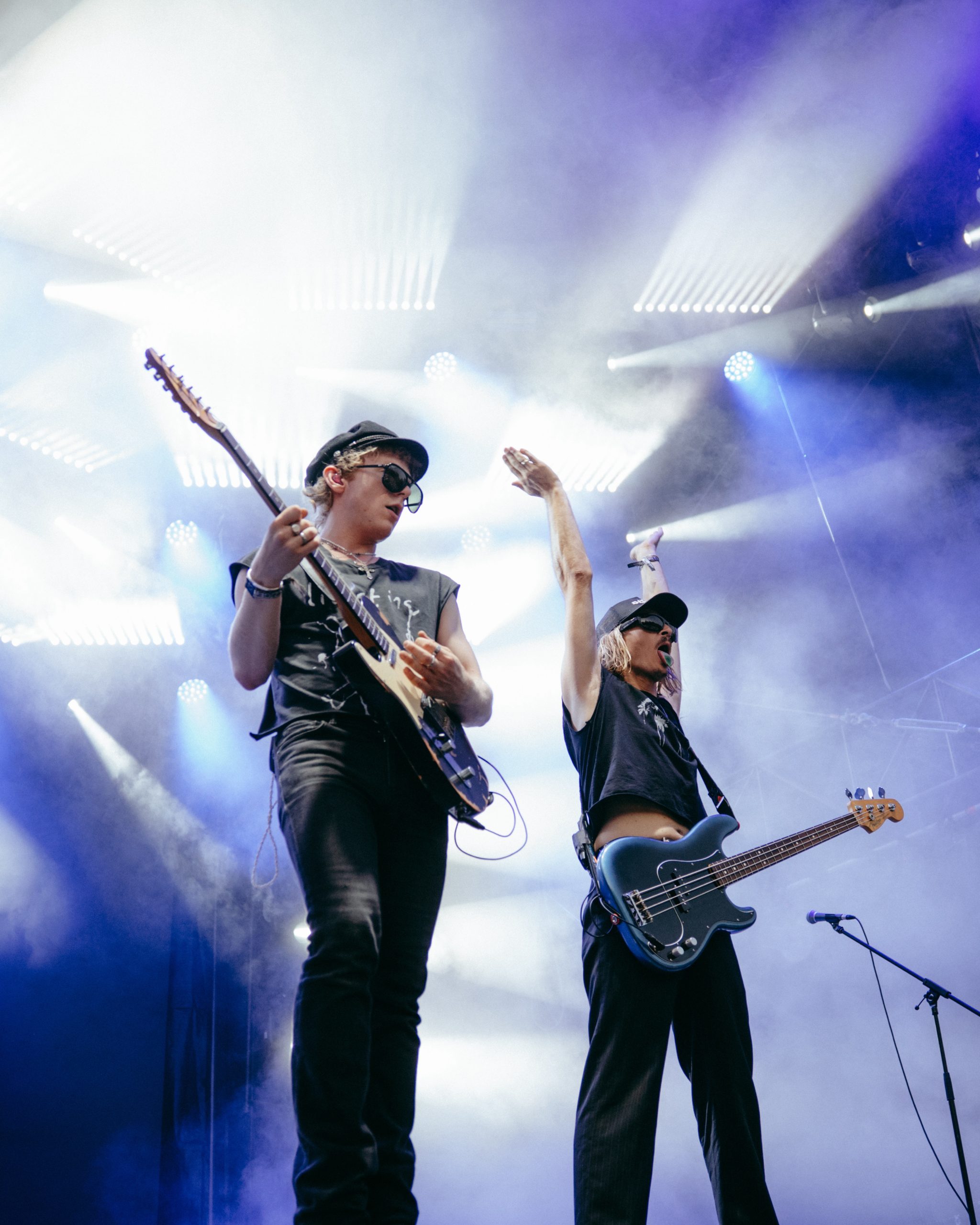
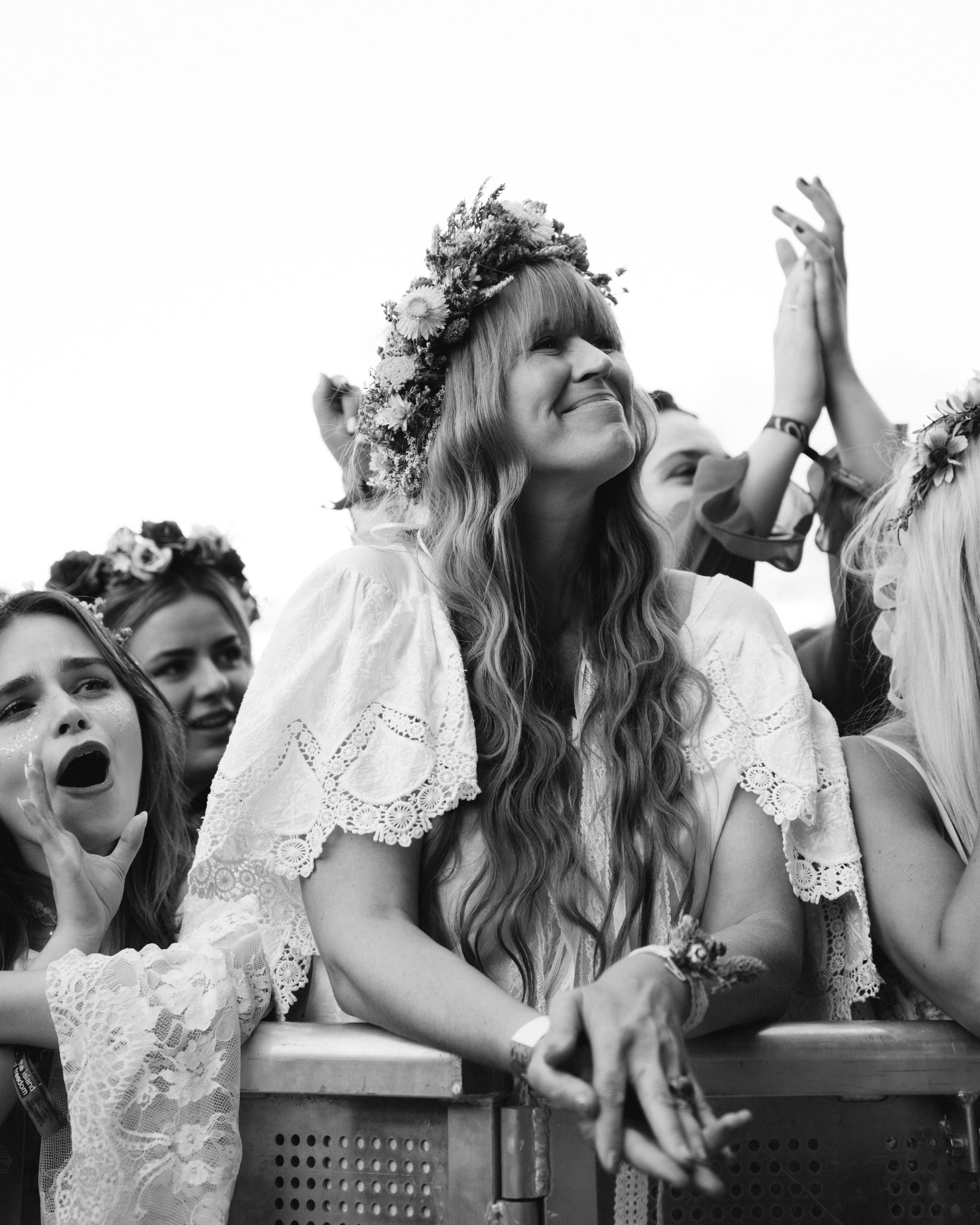
Day 4: 14 of August!
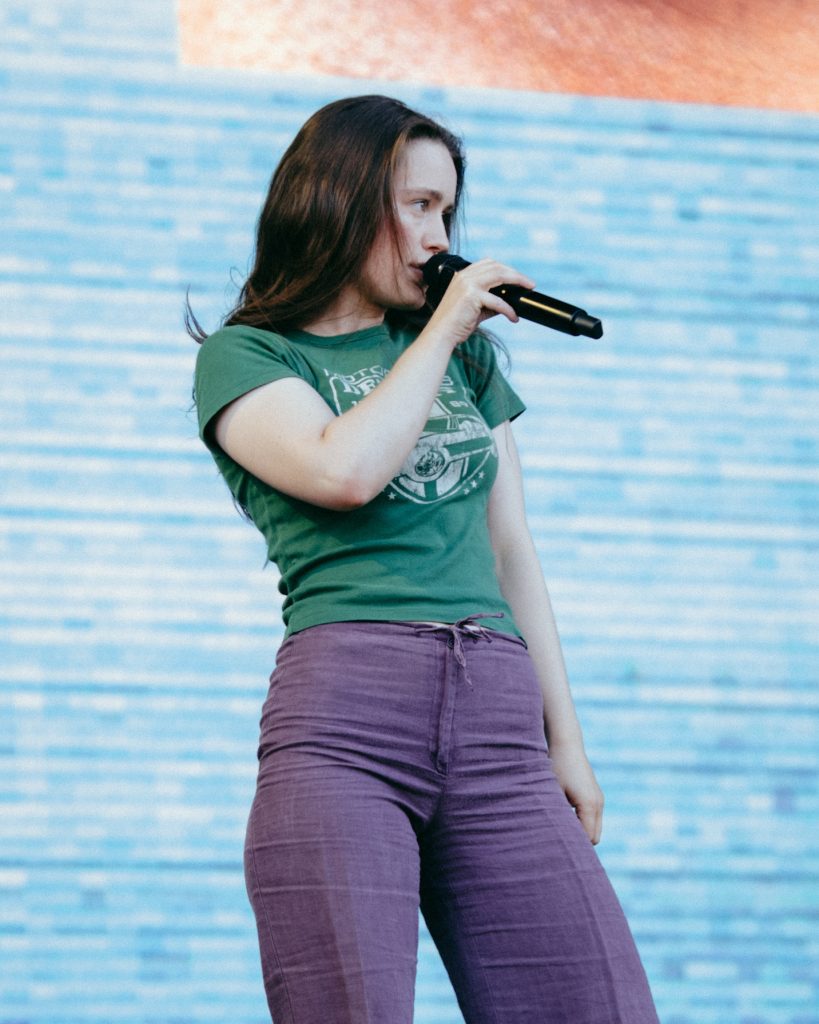
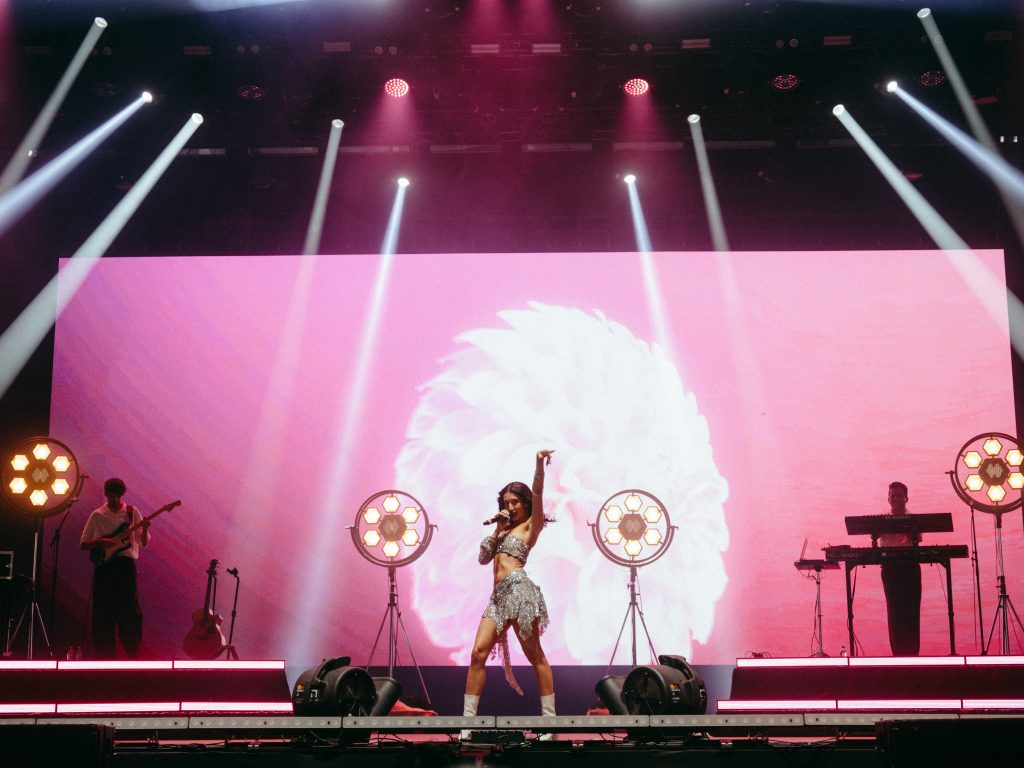
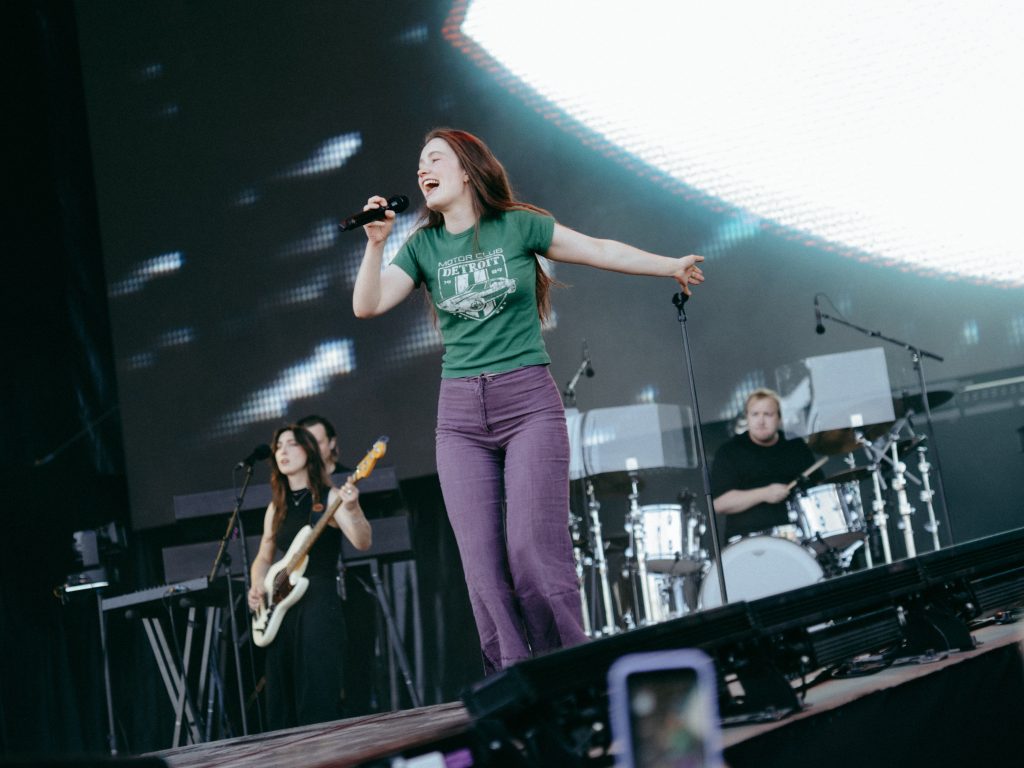
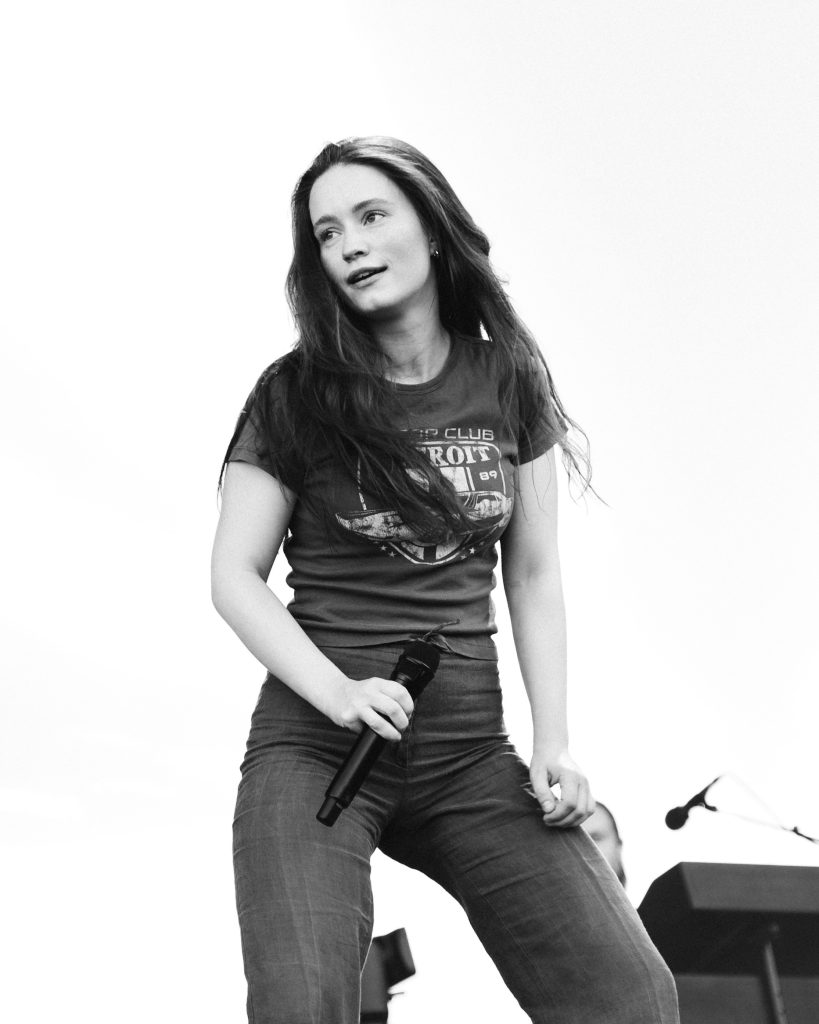
The fourth day continued to move effortlessly between very different corners of the programme. Karen Dió opened the day’s run of performances before Sigrid brought her polished but highly enjoyable pop to the stage. Her set balanced the immediacy of songs such as “Sucker Punch,” “High Five,” and “Don’t Feel Like Crying” with a relaxed connection to the audience.
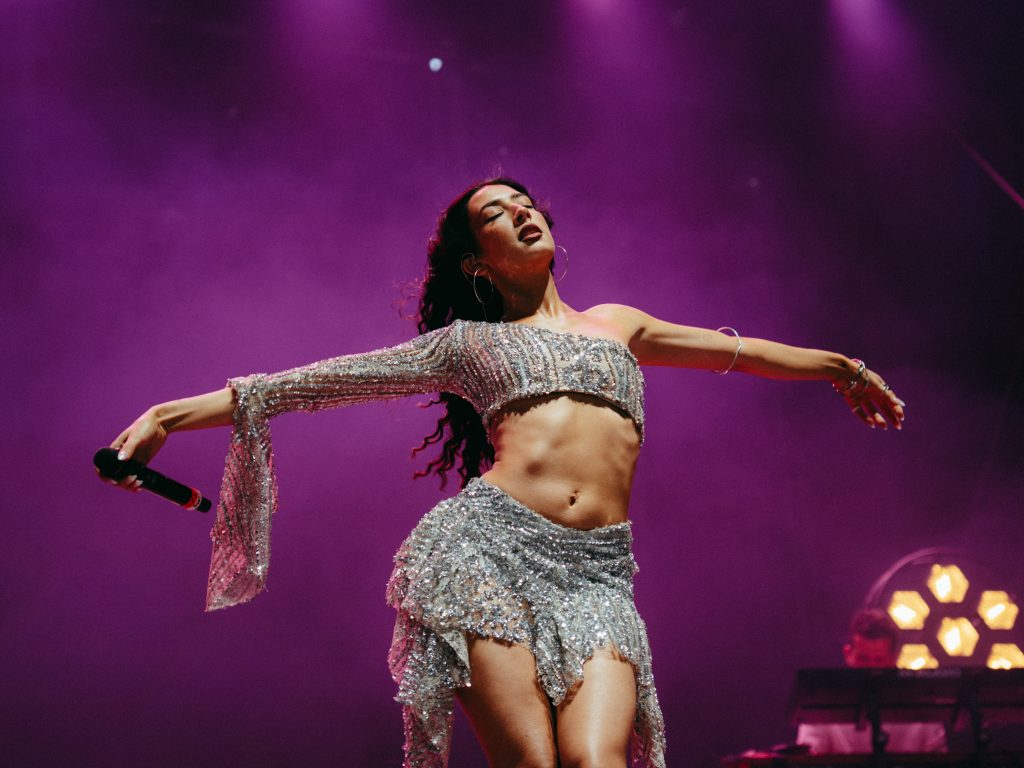
Rose Gray changed the mood again, bringing something more club-oriented and unpredictable to the festival programme. With only her onstage, the performance had a strong visual identity, but the music remained at the centre of it, creating a set that felt equally suited to a festival stage and a late-night club.
Naïka continued that sense of movement, bringing another burst of personality and rhythm to the programme before the evening built towards its heaviest point. Baby Lasagna brought his chaotic, high-energy pop-mixed-with-rock sound, turning the crowd into a jumping, singing mass from the very beginning.
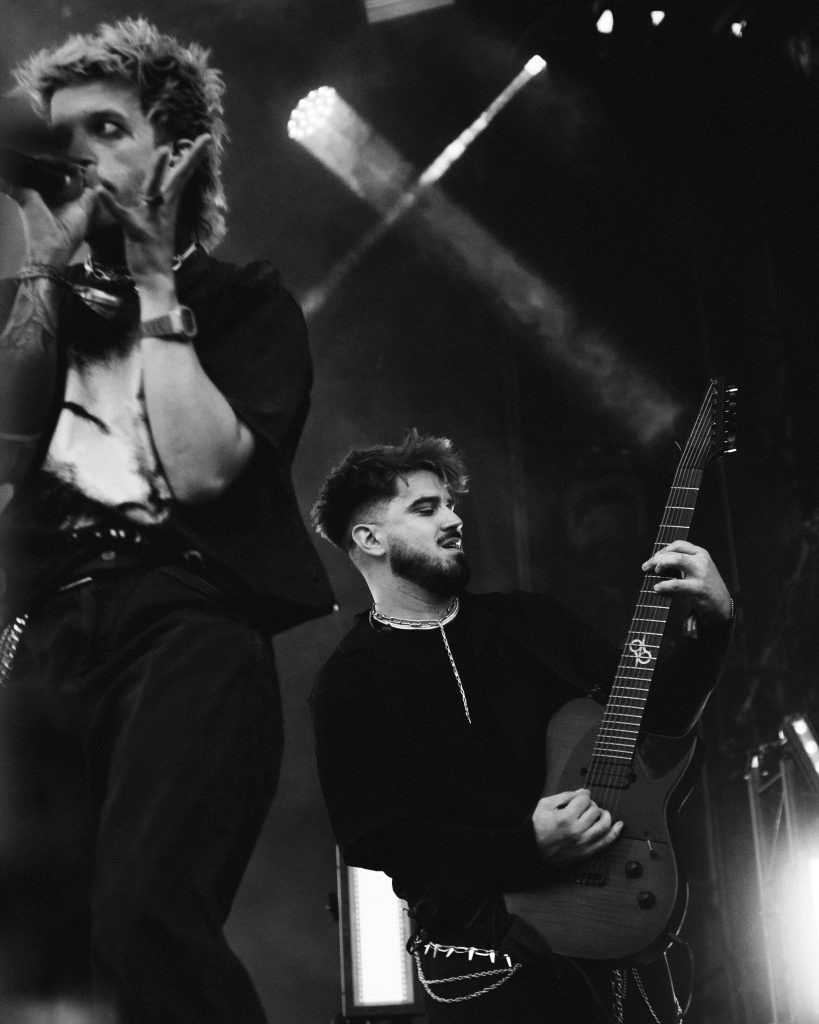
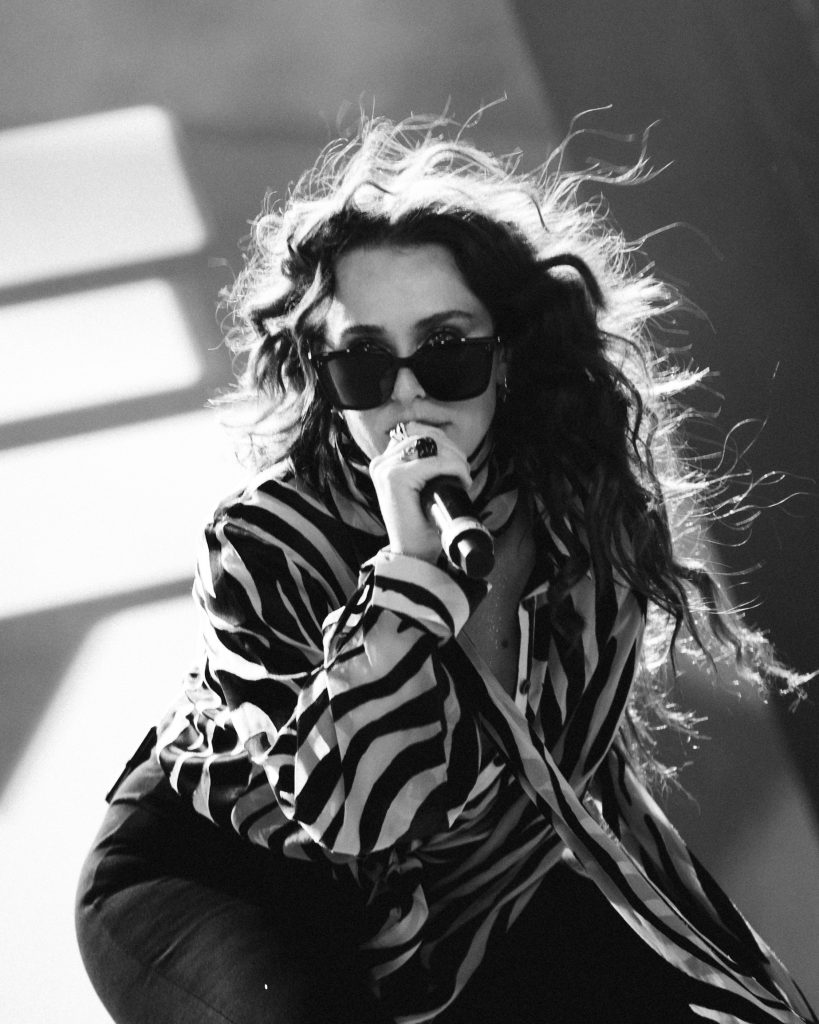
For the final concert of the day came Bring Me The Horizon, who completely transformed the atmosphere. Their production was massive, but the real force of the performance came from the relationship between the band and the crowd. The energy seemed to move constantly between the stage and the audience, with mosh pits opening, cups flying, and the crowd answering every push from the band with even more intensity. The set moved through “DArkSide,” “Teardrops,” “Follow You,” and “Can You Feel My Heart,” and kept on building steadily as the night went on. The band seemed to feed off the reaction in front of them, while the audience mirrored their energy almost instantly. By the end, it had become one of the most intense performances of the festival.
Day 5: 15 of August!
After four days of moving between stages and trying to catch as much as possible, there was something welcome about a slightly slower afternoon on the final day.
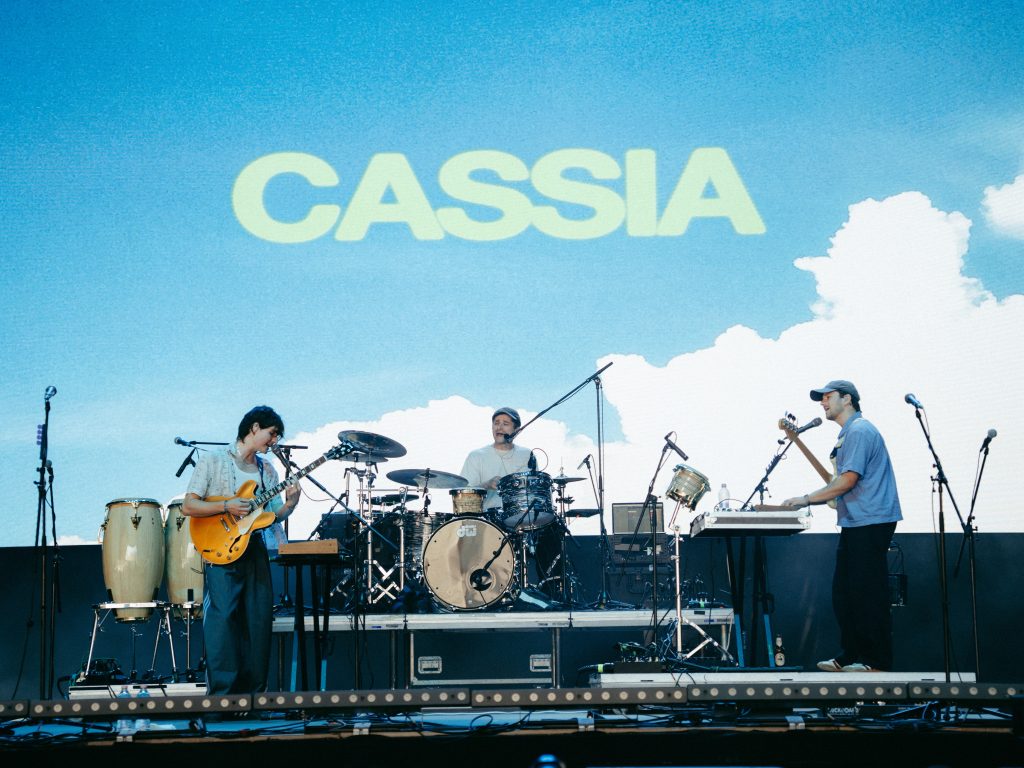
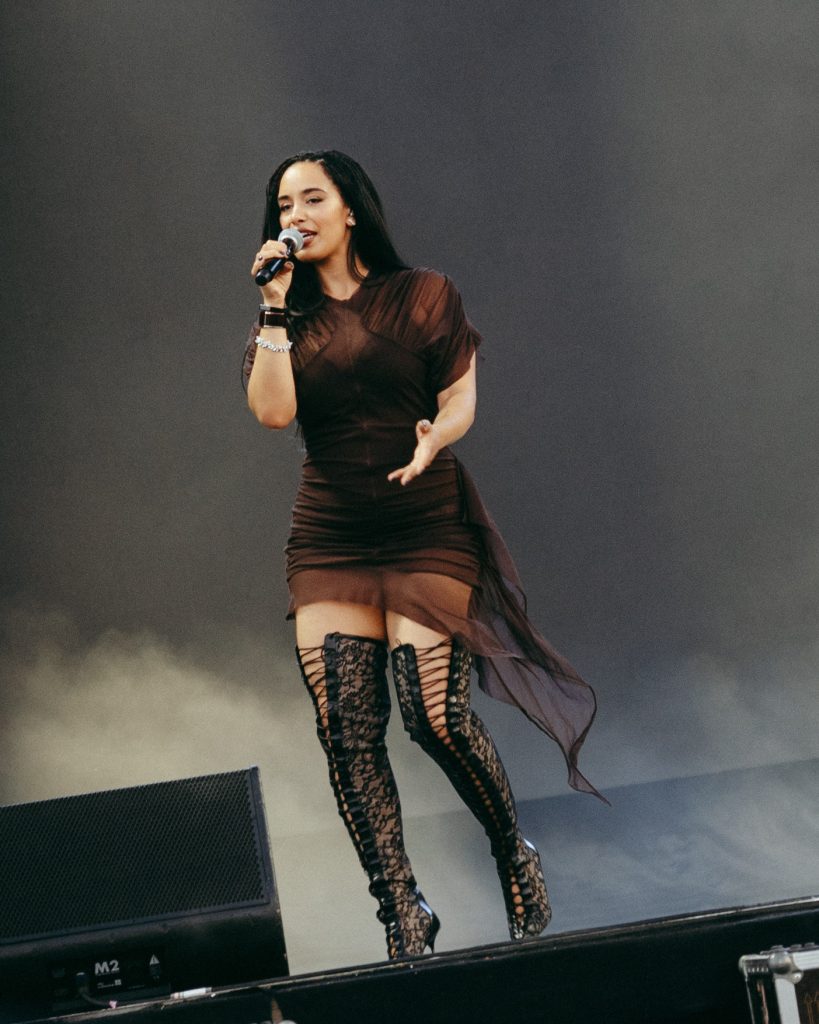
Cassia brought an easy-going, bright energy to the programme, creating a natural start to a day that gradually built toward its evening performances. Jorja Smith offered one of the day’s most anticipated sets, but rather than trying to compete with the scale of the festival around her, she leaned into her signature softness, letting her soulful vocals carry the performance. With “Blue Lights,” “Teenage Fantasy,” and “falling or flying,” she created a more intimate atmosphere within the much larger festival setting. Transylvania-born, Budapest-based artist Csinszka added another distinctive voice to the day’s programme before Zimmer90 brought the evening towards a more atmospheric close. Their set included “Yours & Mine,” “Makes Me Wanna Dance,” and “Movin’,” fitting naturally into the final evening’s more relaxed mood.
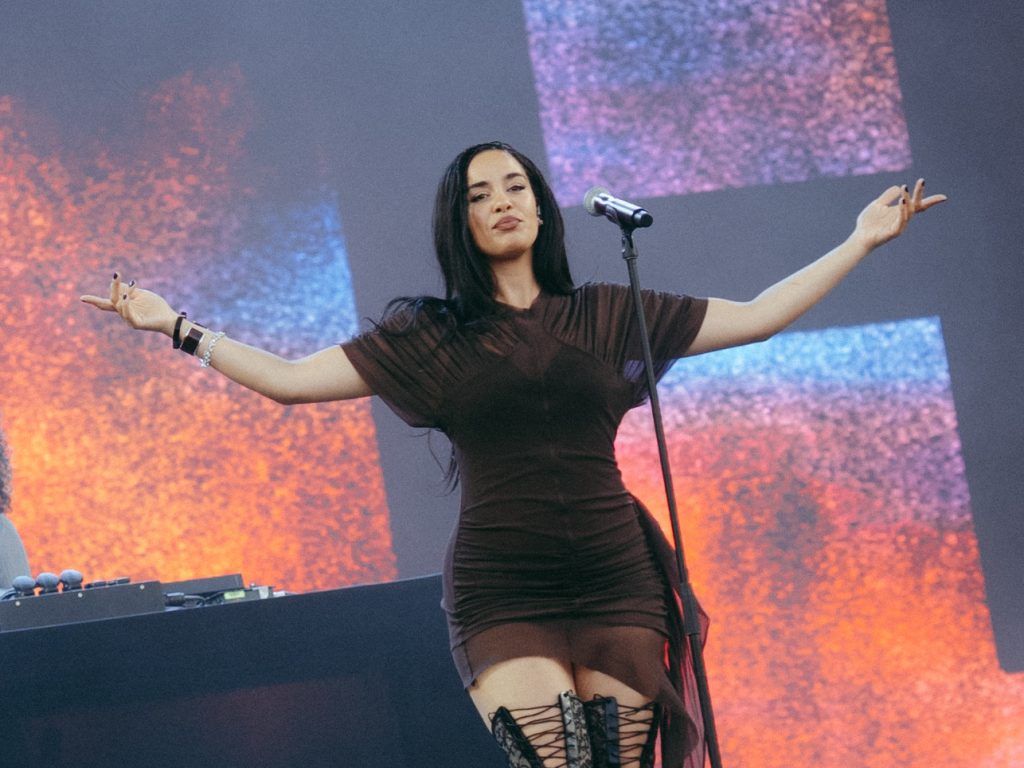
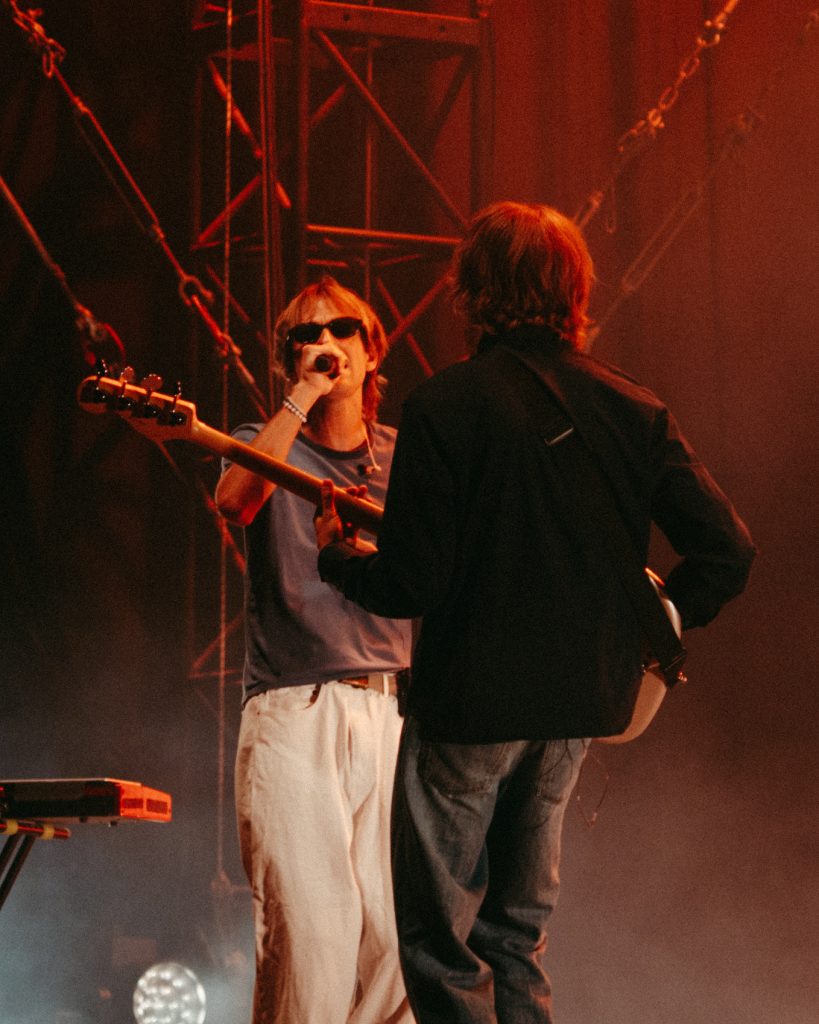
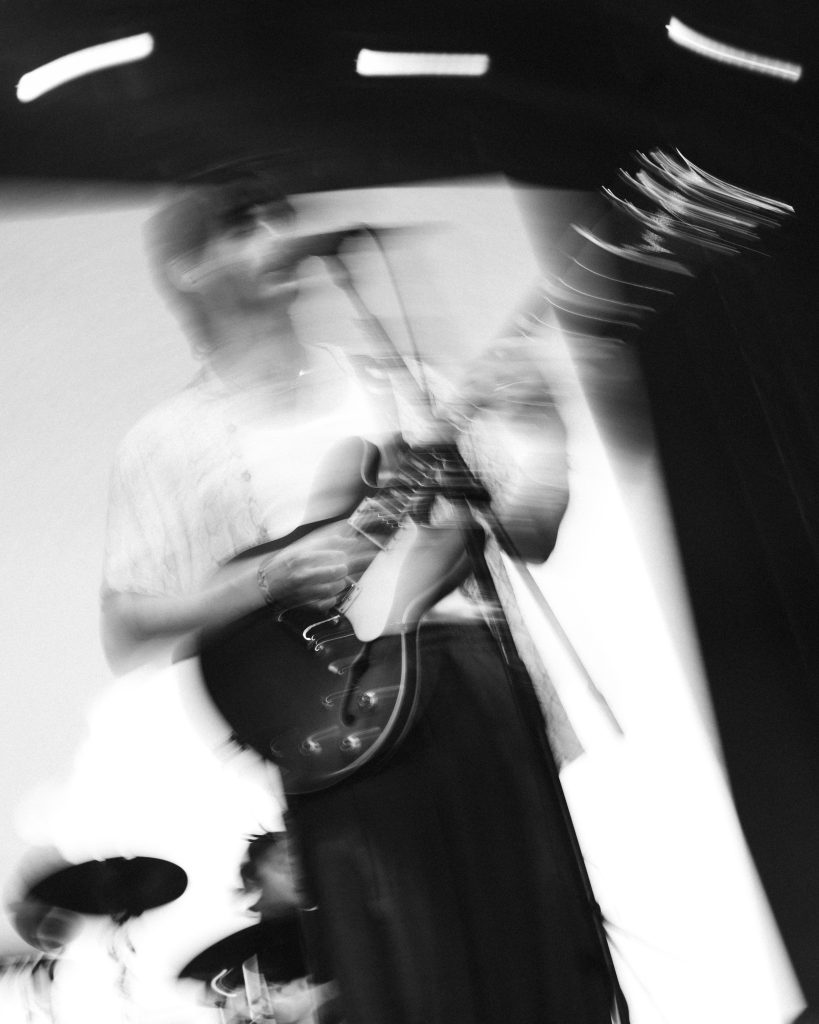
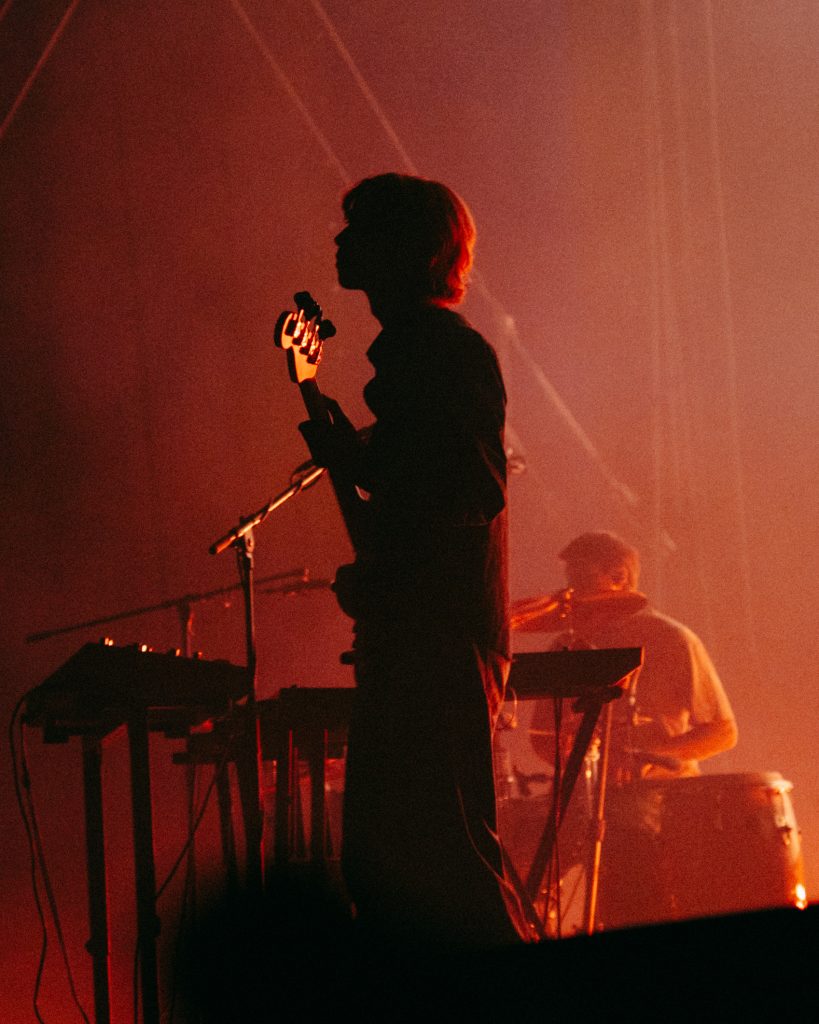
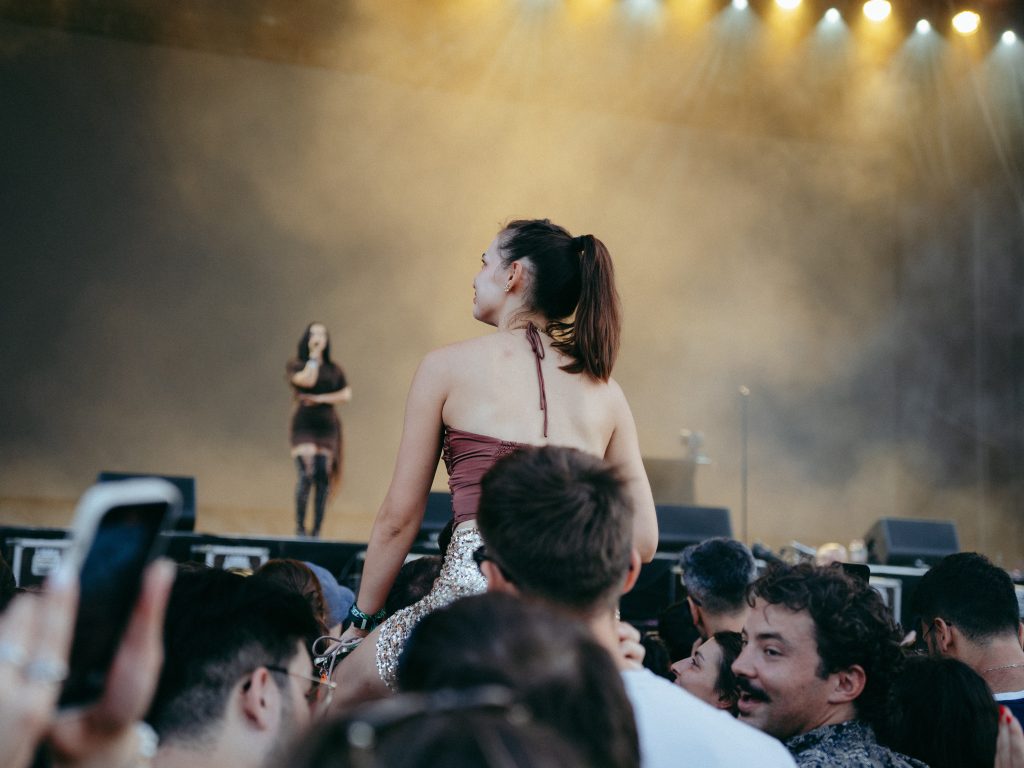
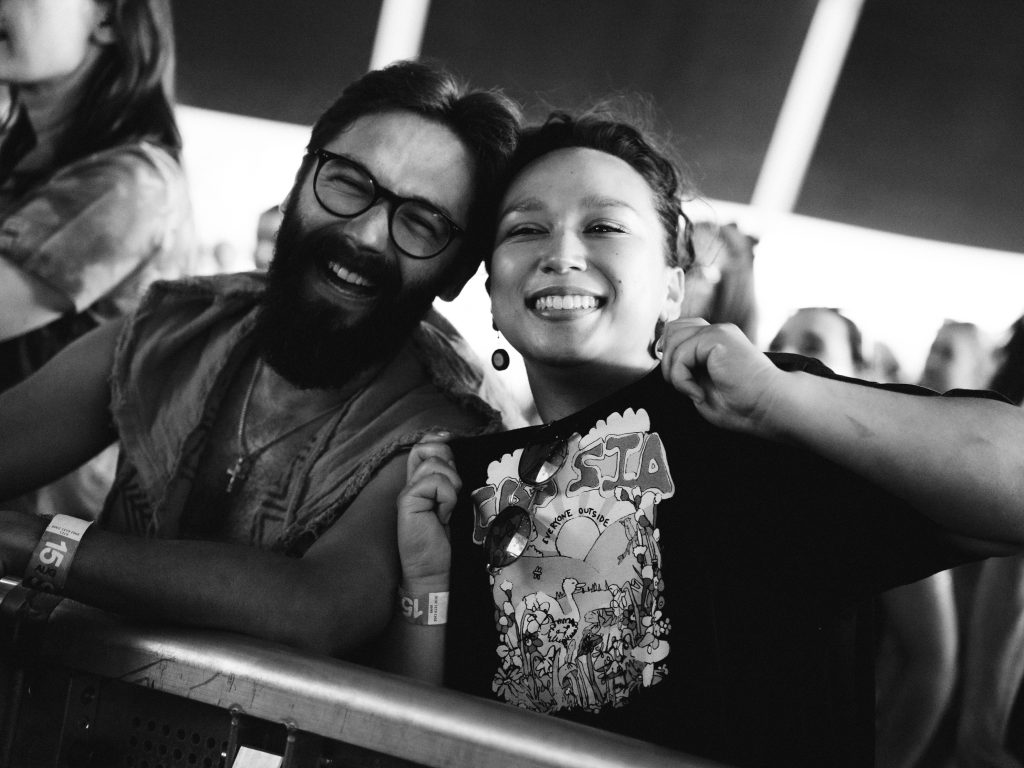
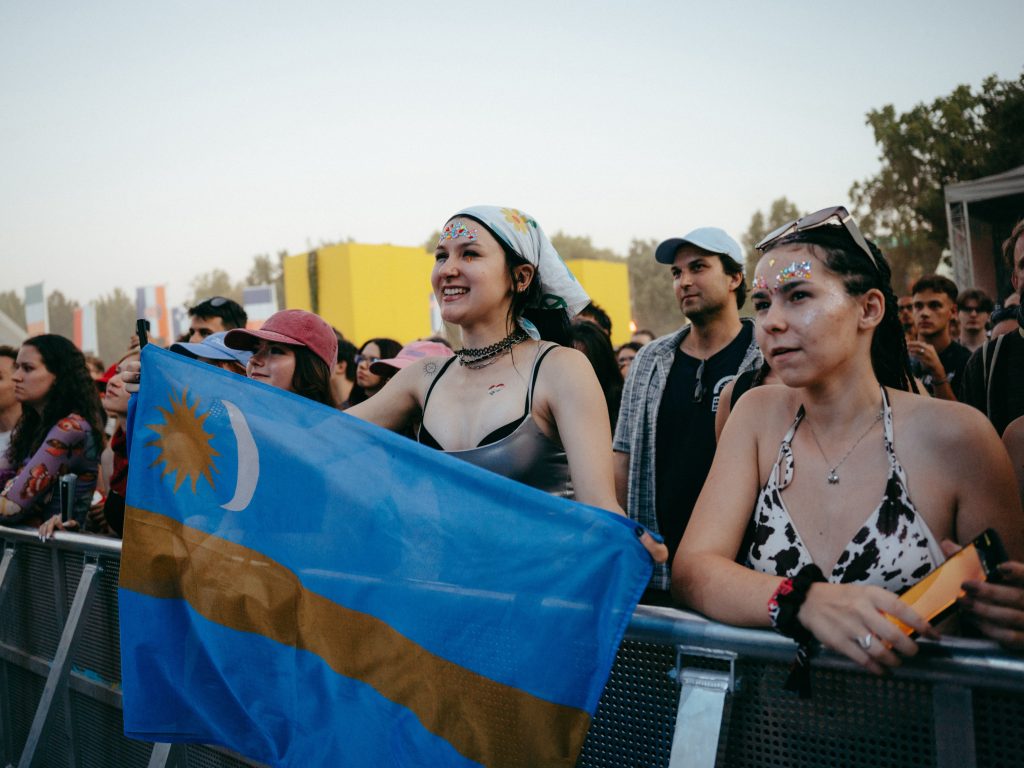
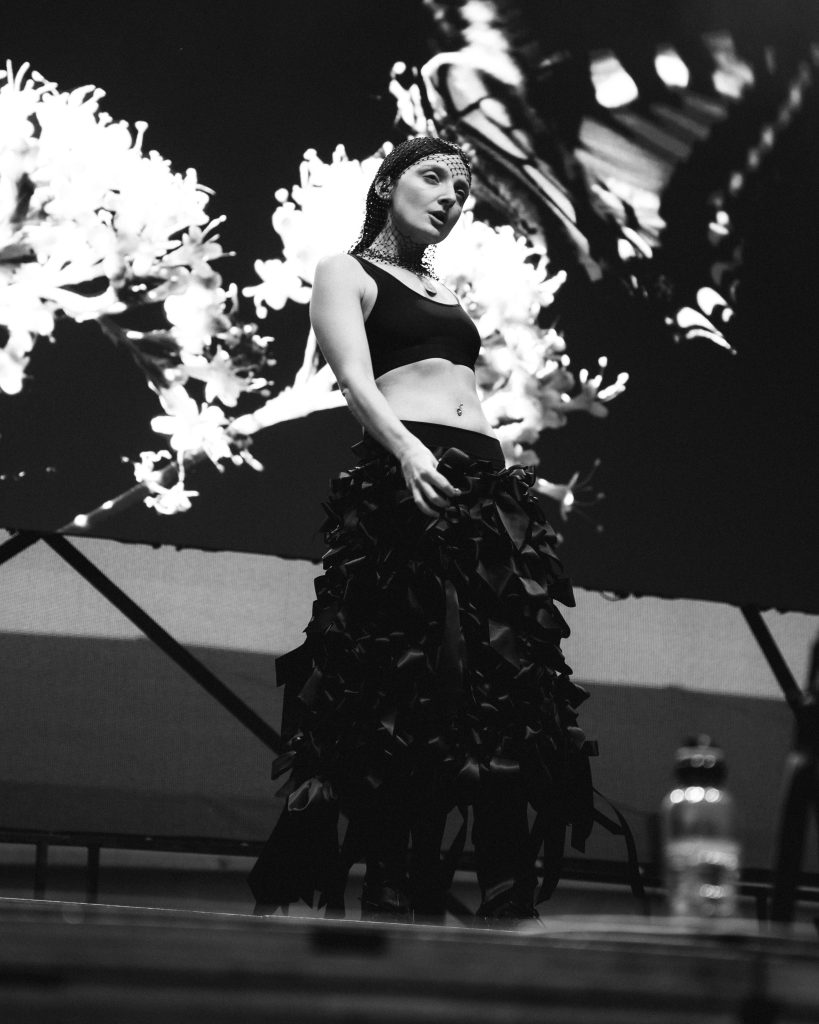
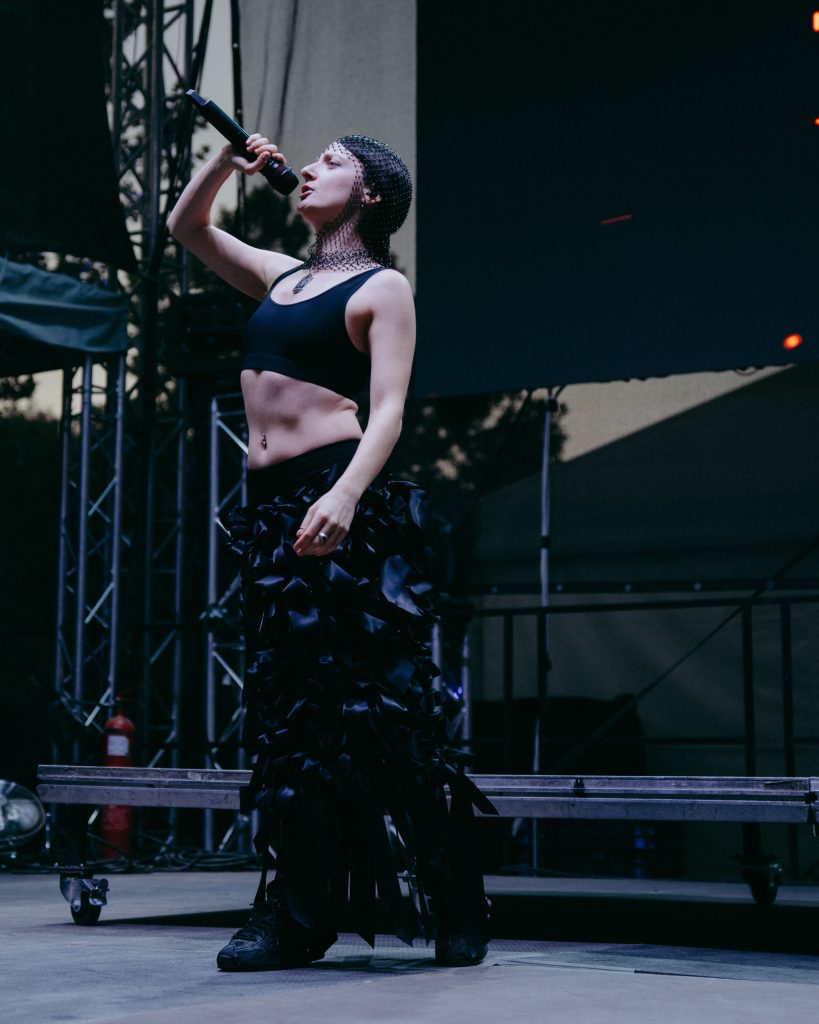
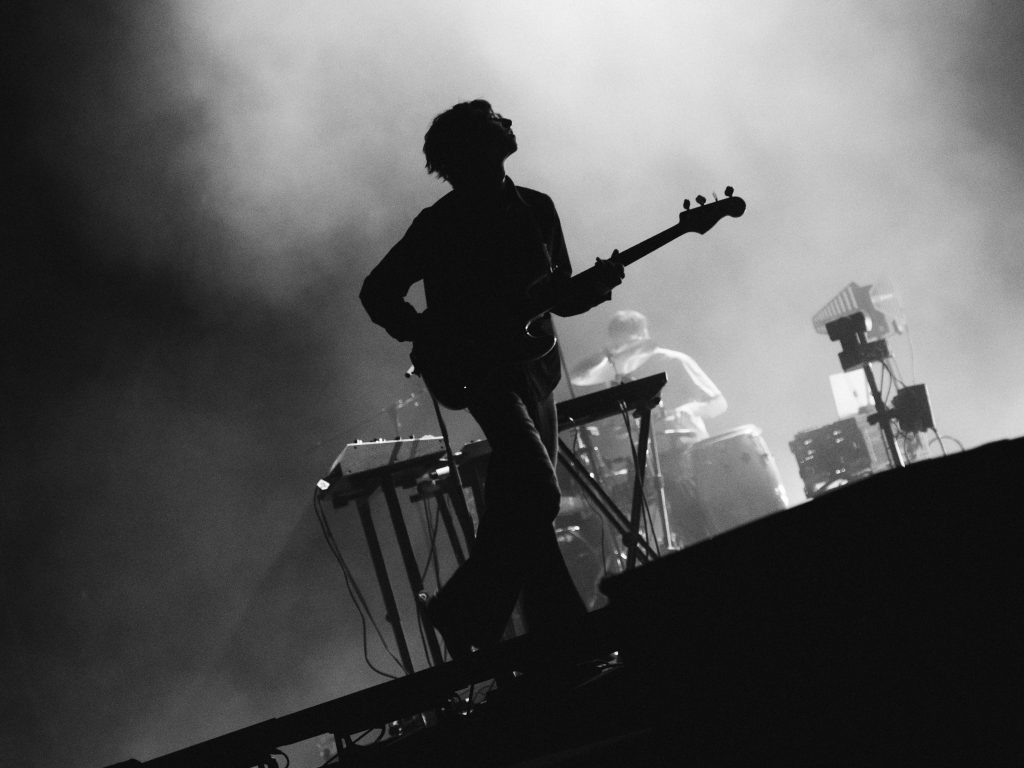
Sziget is the kind of festival that is difficult to experience in just one way. There are many stages, many artists, and many moments happening simultaneously to take everything in. Perhaps that is what makes returning so appealing, as every edition offers a different version of the festival depending on where you stand, who you see, and what happens to catch your attention. Five days can give you only a glimpse of everything happening across the island, but the music remains at its centre. With another edition behind us, Sziget 2026 leaves plenty of moments worth remembering and plenty of reasons to return.
Leave a Reply