
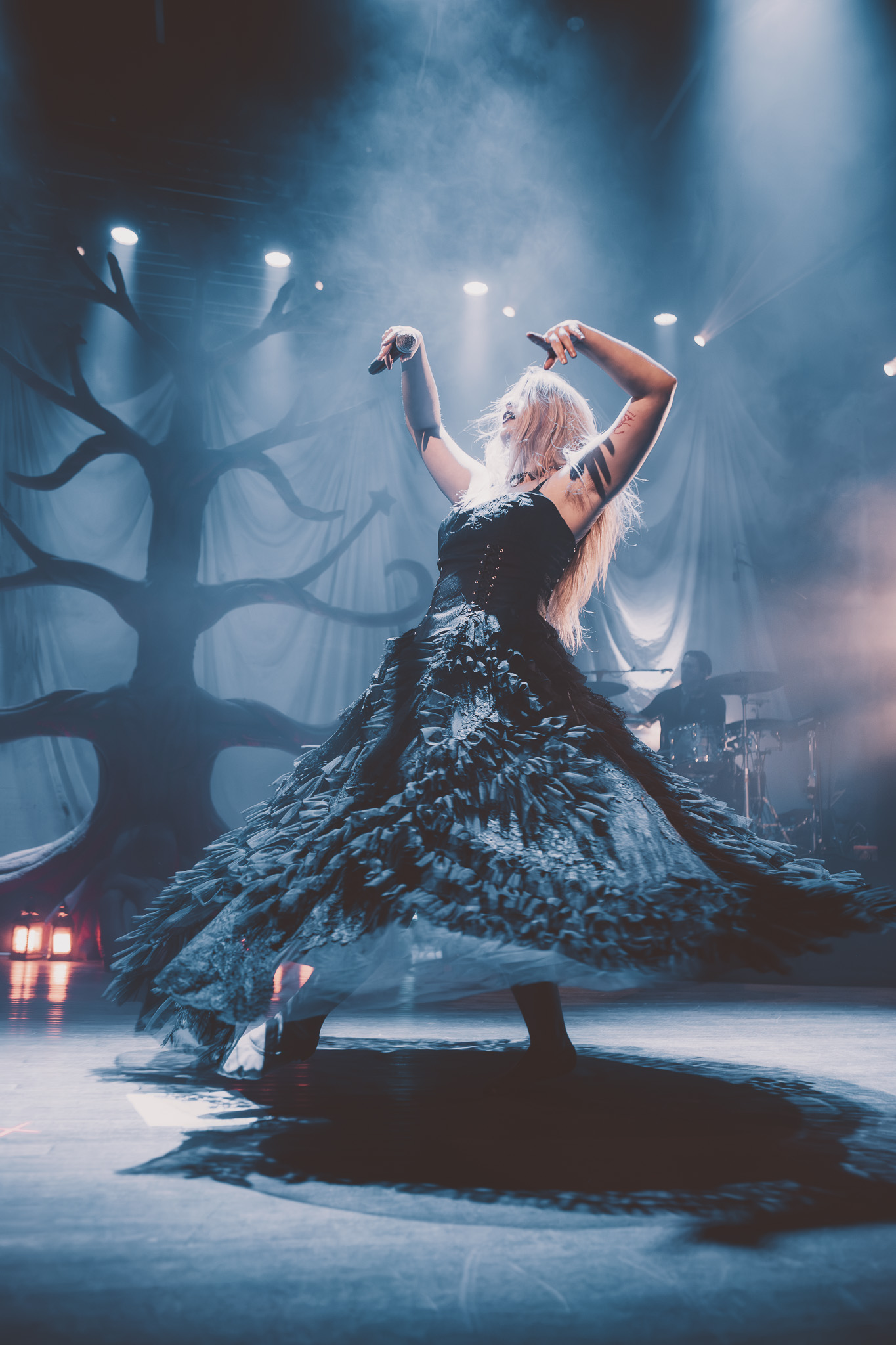
This past week, Brooklyn Paramount glistened in a different, iridescent light. Leading the choir, Paris Paloma and Susannah Joffe transformed the cathedral-like music hall into a faerie soiree, a haven for ethereal souls carrying earthly bruises. New York responded by creating a space where you not only felt welcomed with open arms, but safe enough to let your own armor fall away.
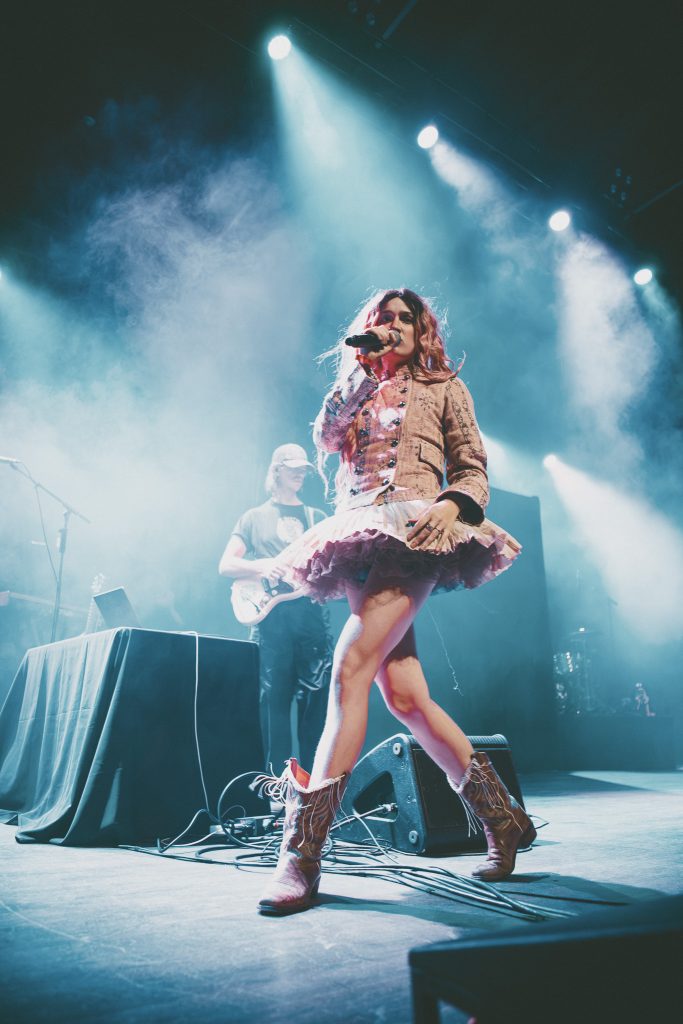
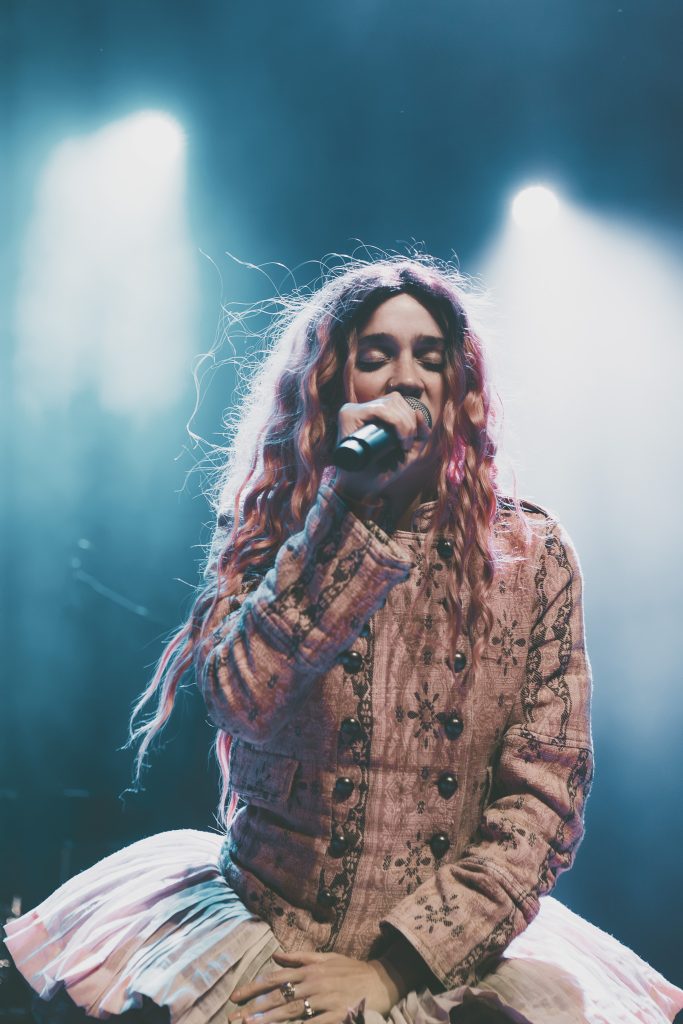
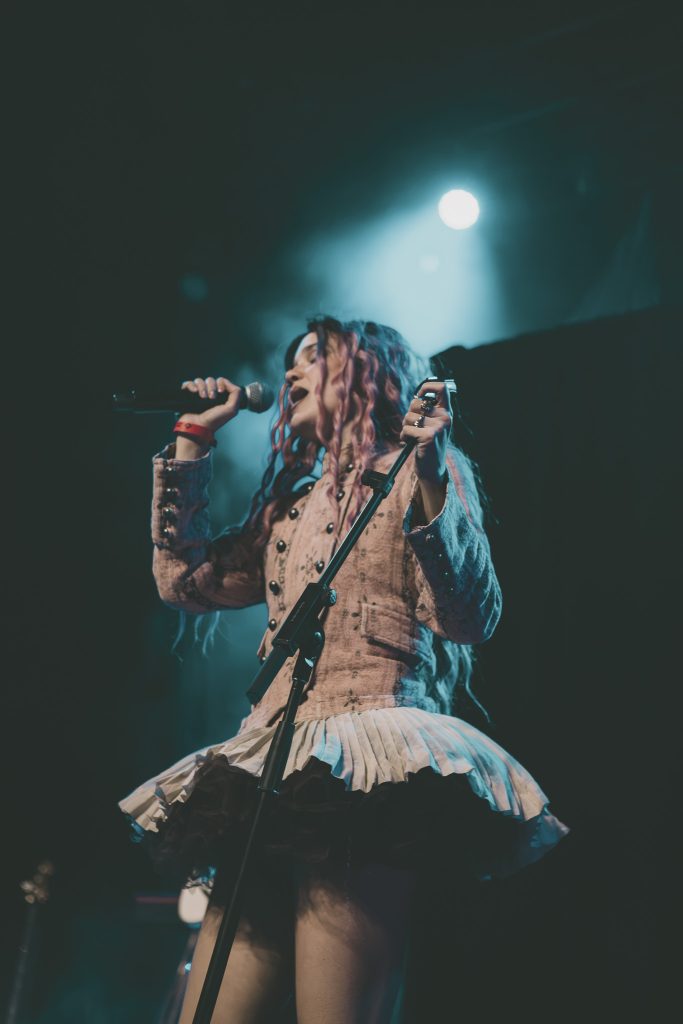
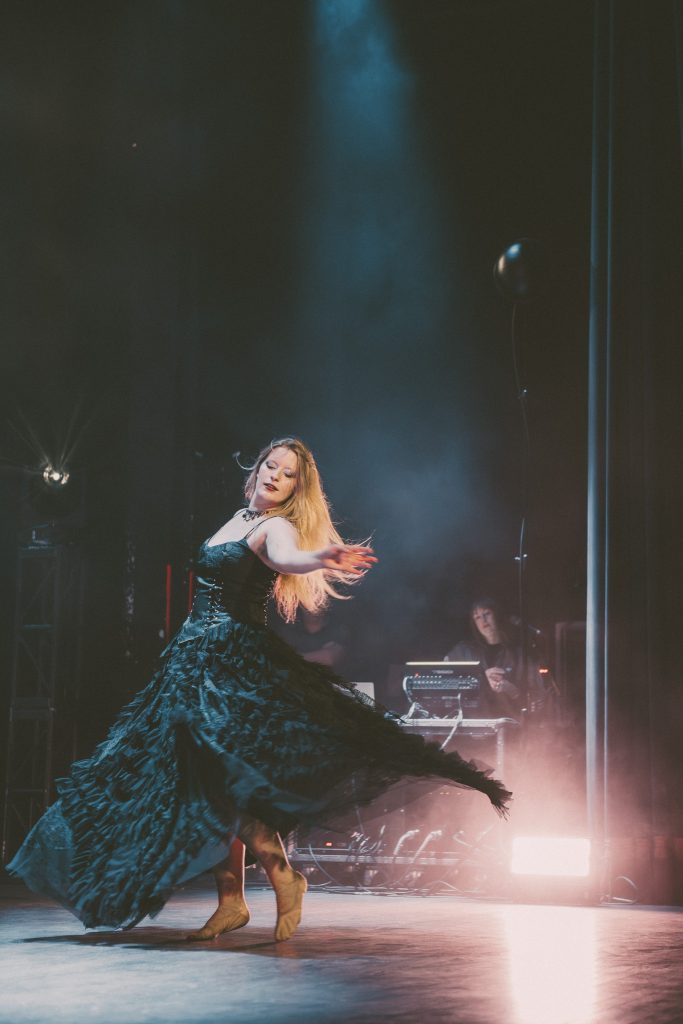
At 8 p.m., Susannah Joffe stepped into the glow of the stage, the stained glass above her lending her performance the tenderness of a candlelit confession. Her music wandered into a twangier landscape, teetering between pop, country, and soul, and with her debut album newly released, her passion seeped through every breath between verses and choruses. Dressed in an elaborate vest and skirt, she looked at home inside the evening’s storybook atmosphere, while her voice gave that dreamlike setting something tangible to hold onto. Beside Paris Paloma, her set unfolded like the opening passage of the night’s folktale, and the crowd leaned closer, even as the songs wandered through different sonic territory than the headliner’s. Following performances with Lola Young and Festival appearances at SXSW and All Things Go D.C., Joffe’s star quality is already unmistakable, and I cannot wait to watch her music continue finding the people who will carry it with them.
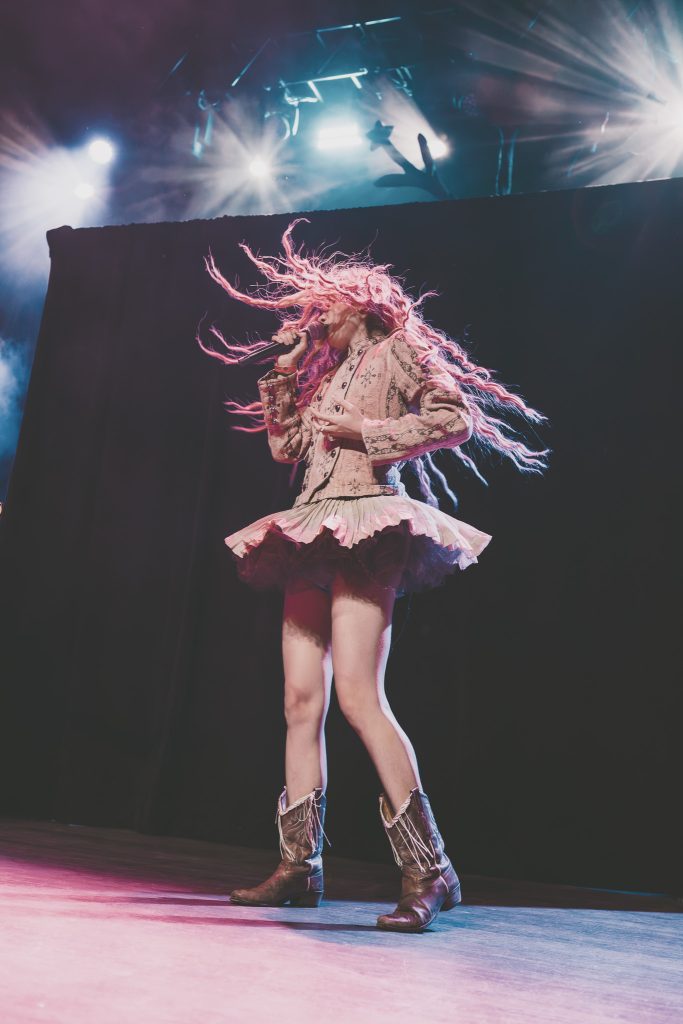
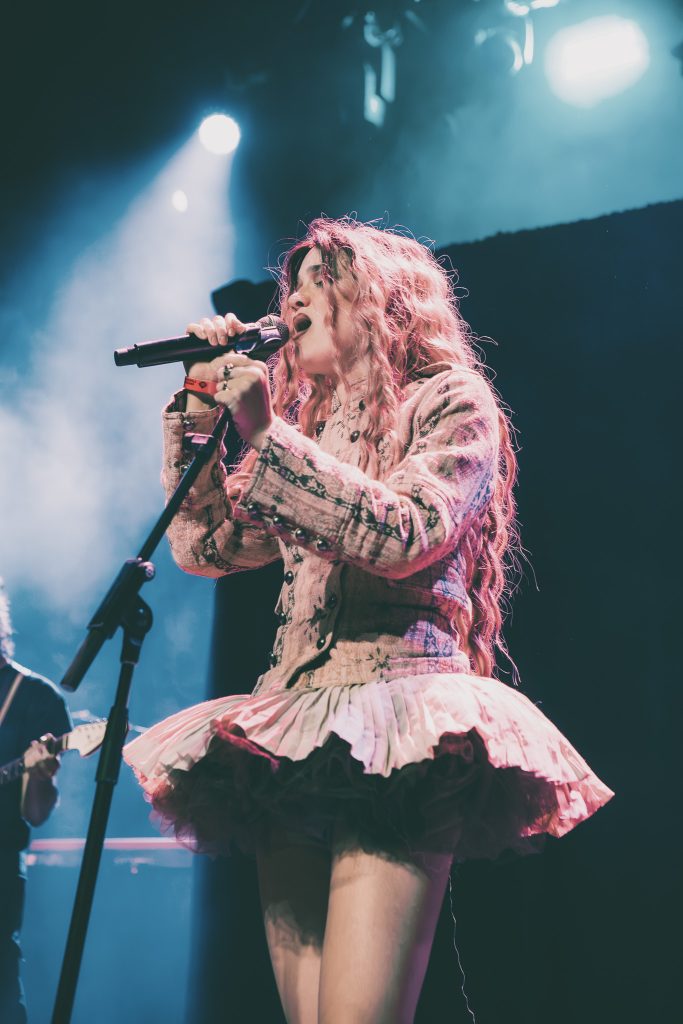
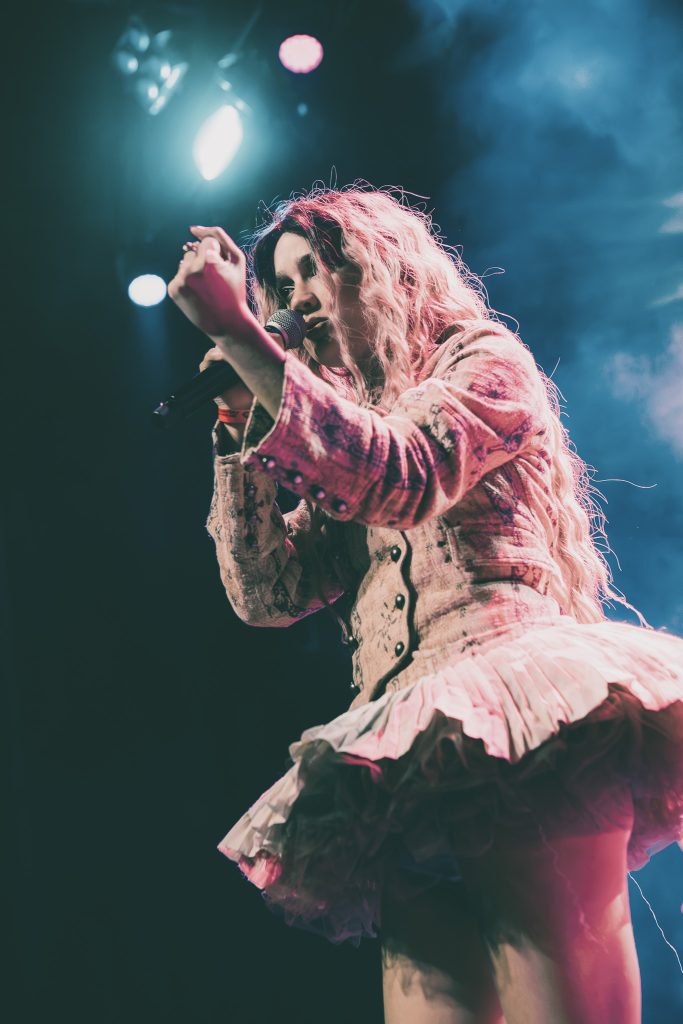
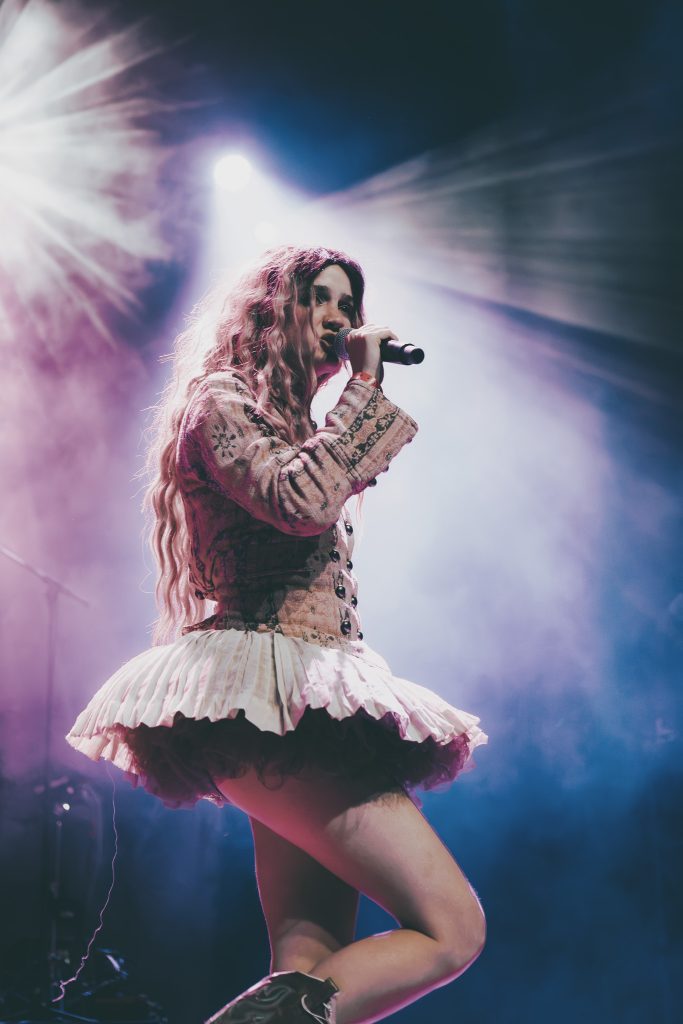
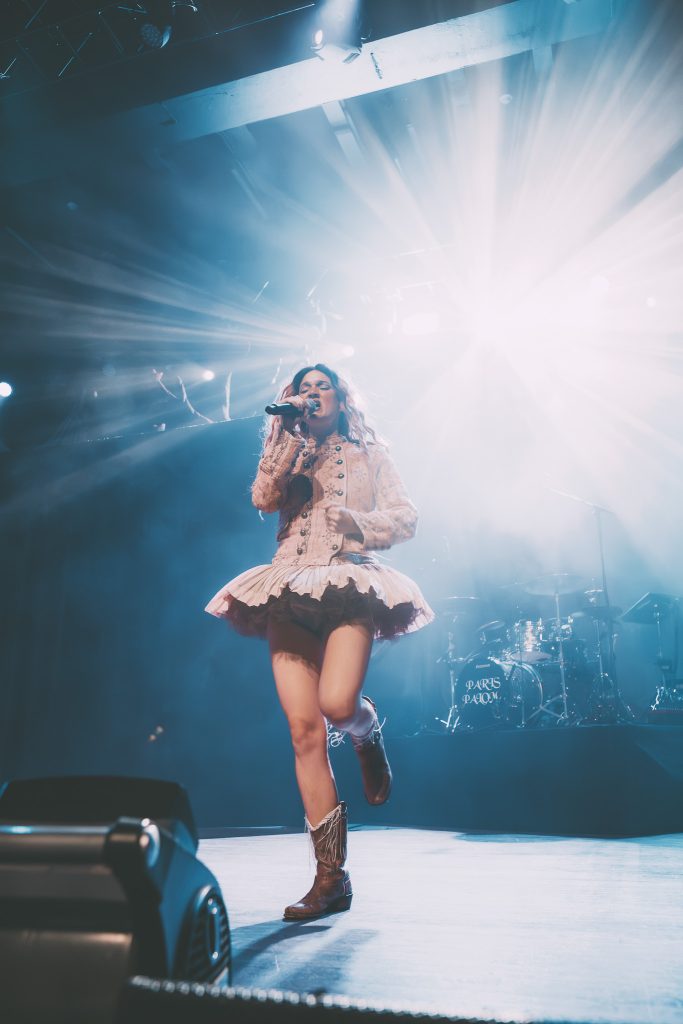
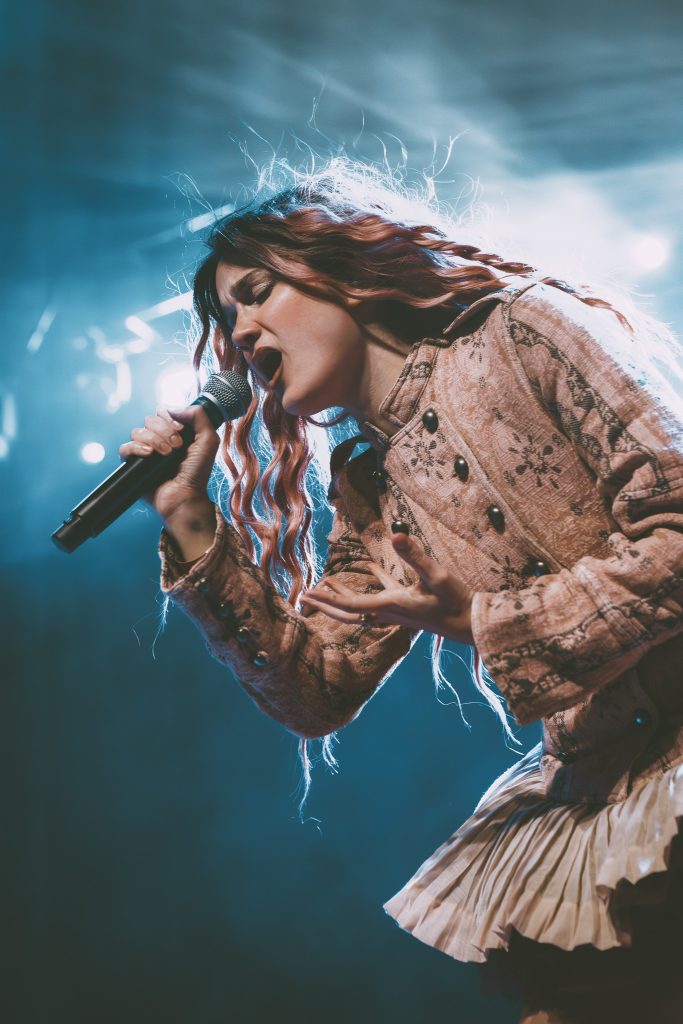
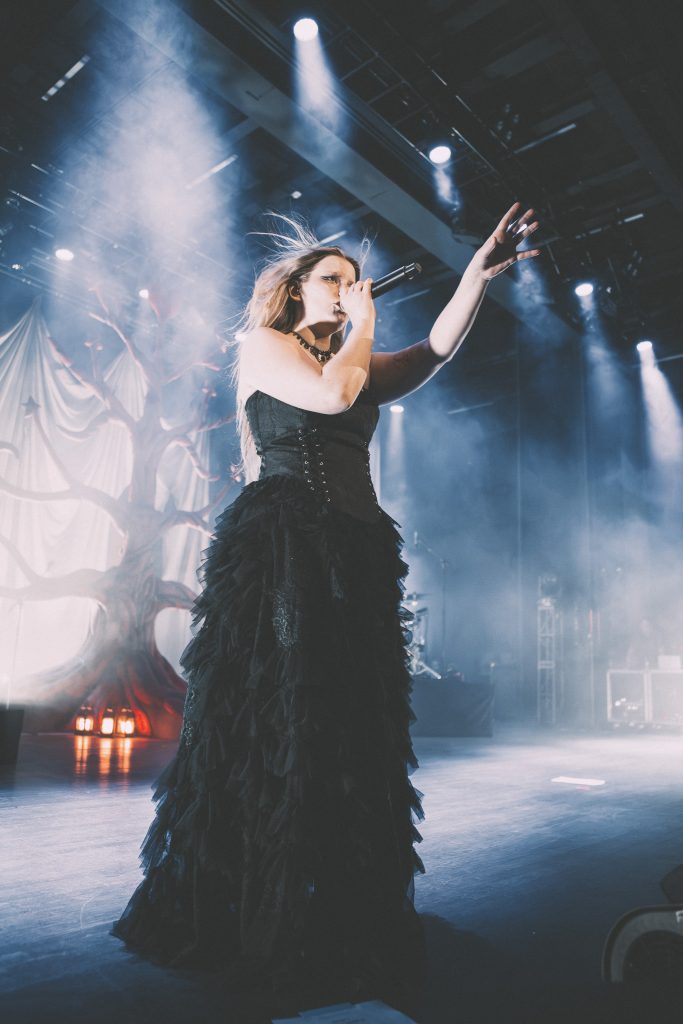
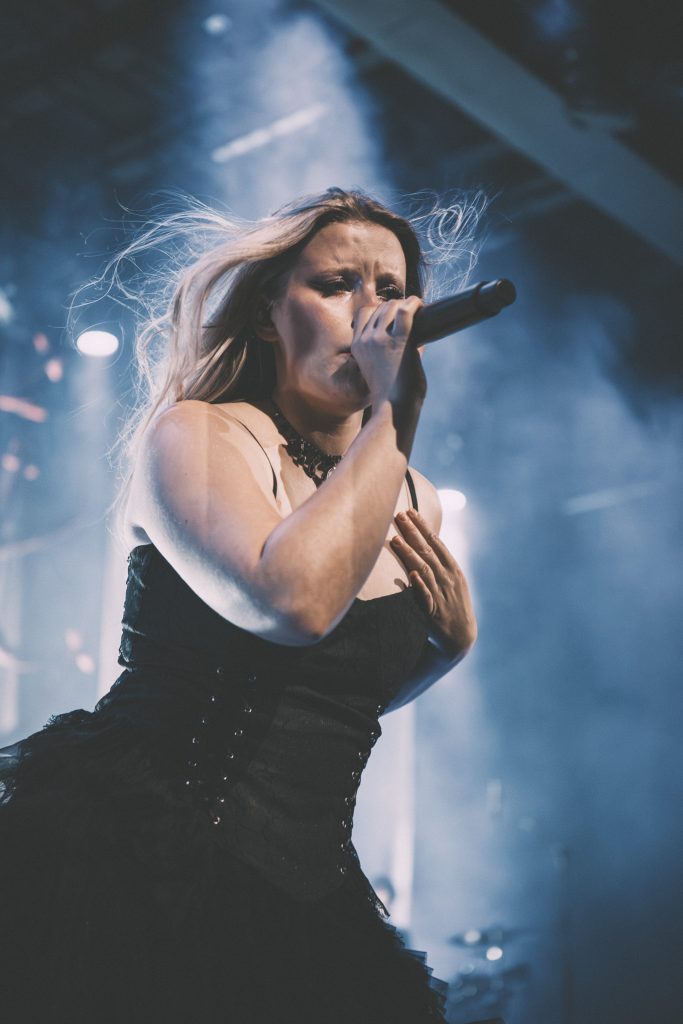
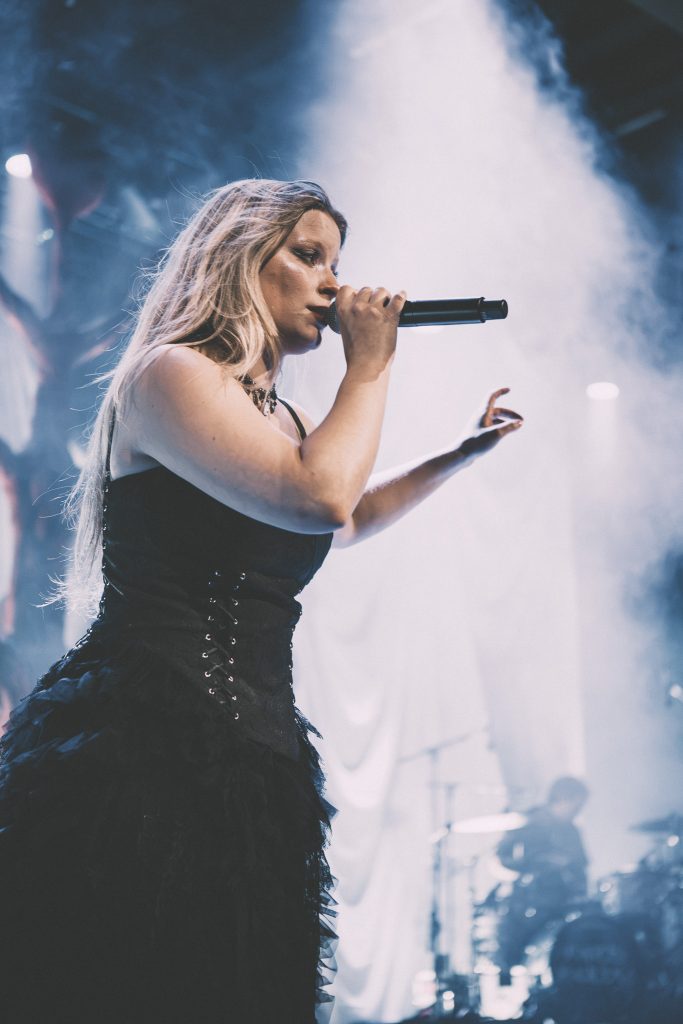
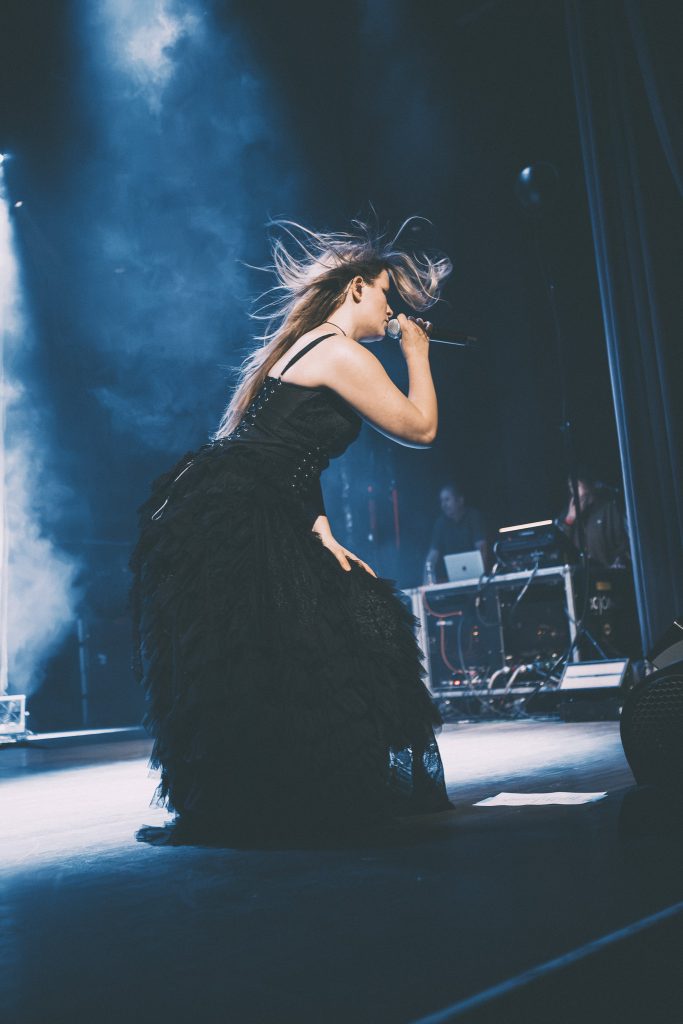
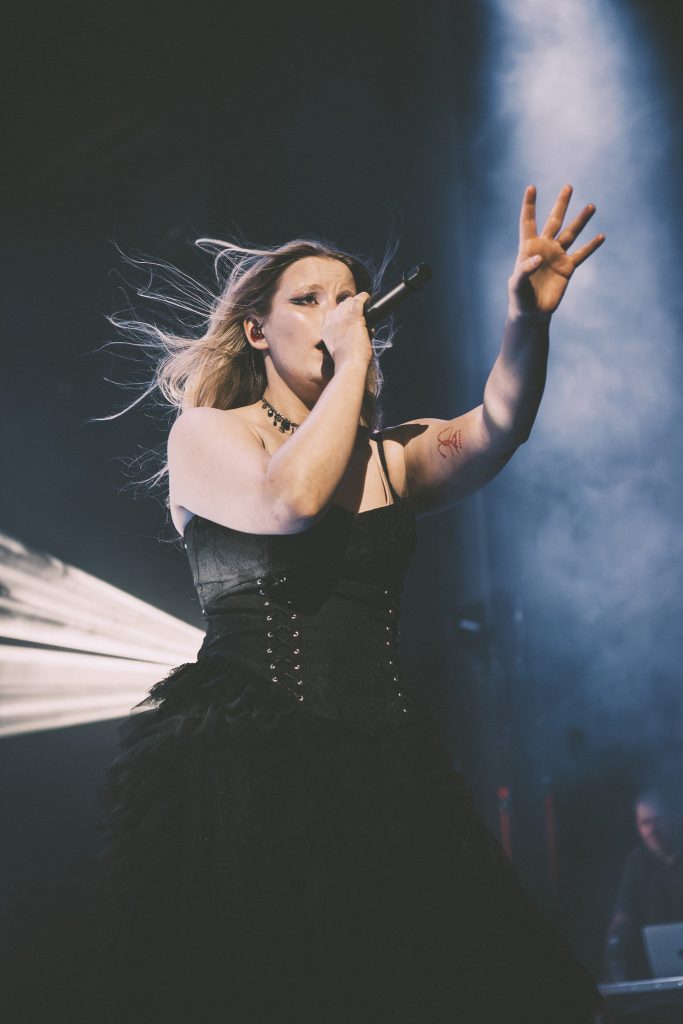
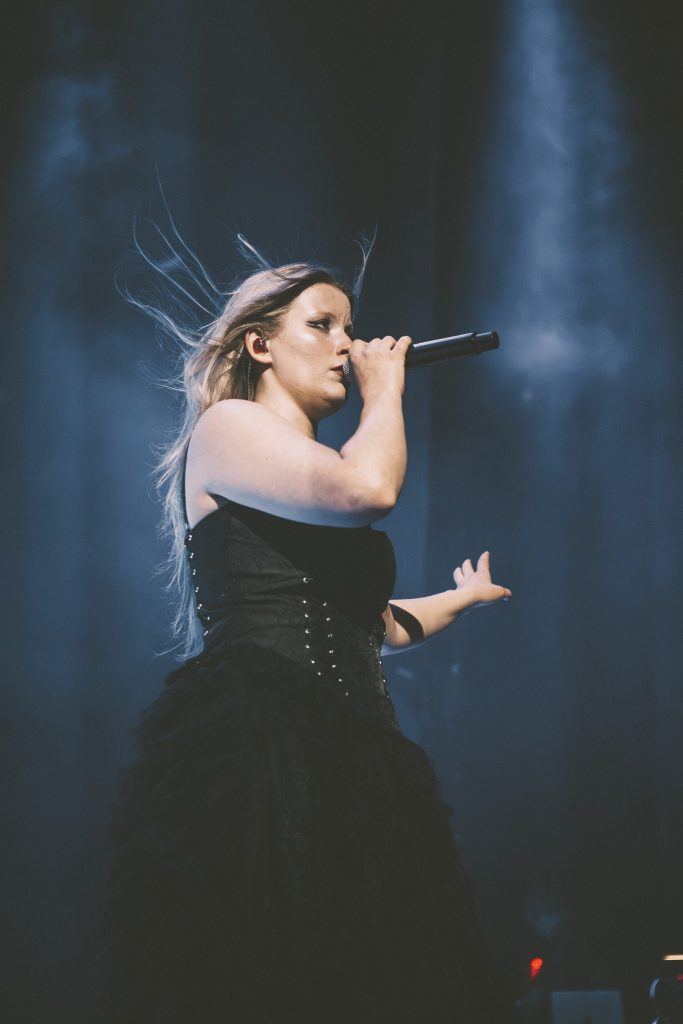
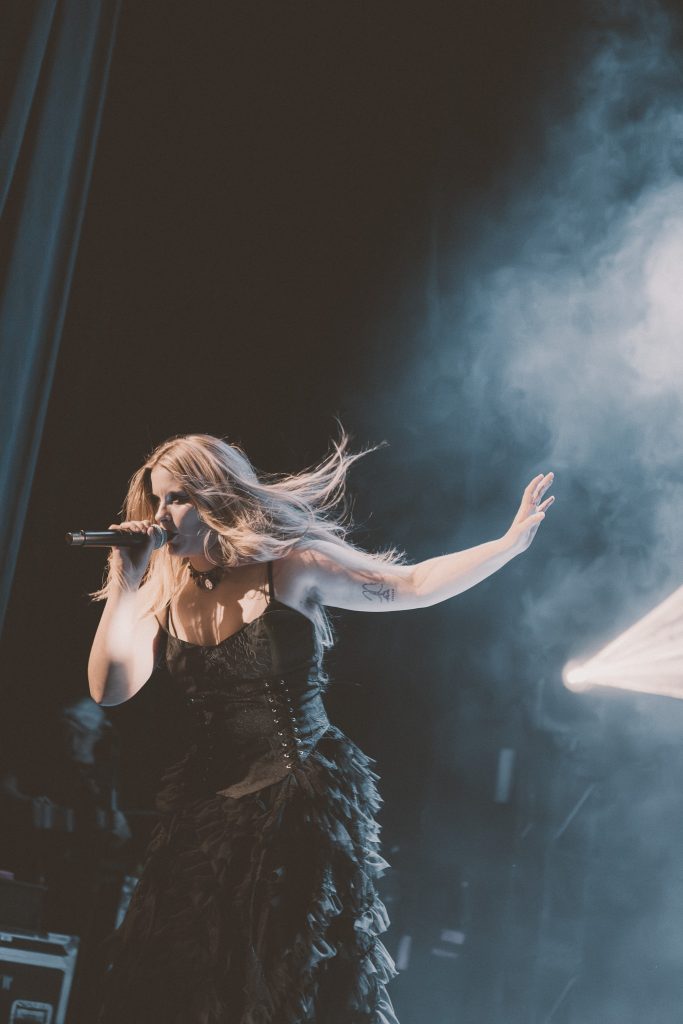
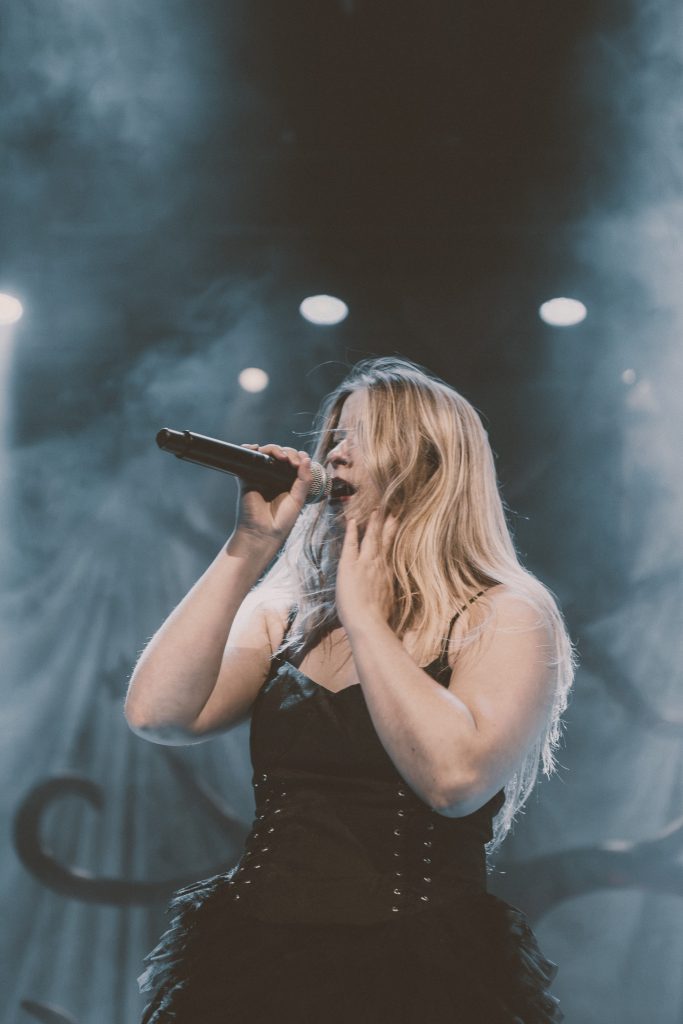
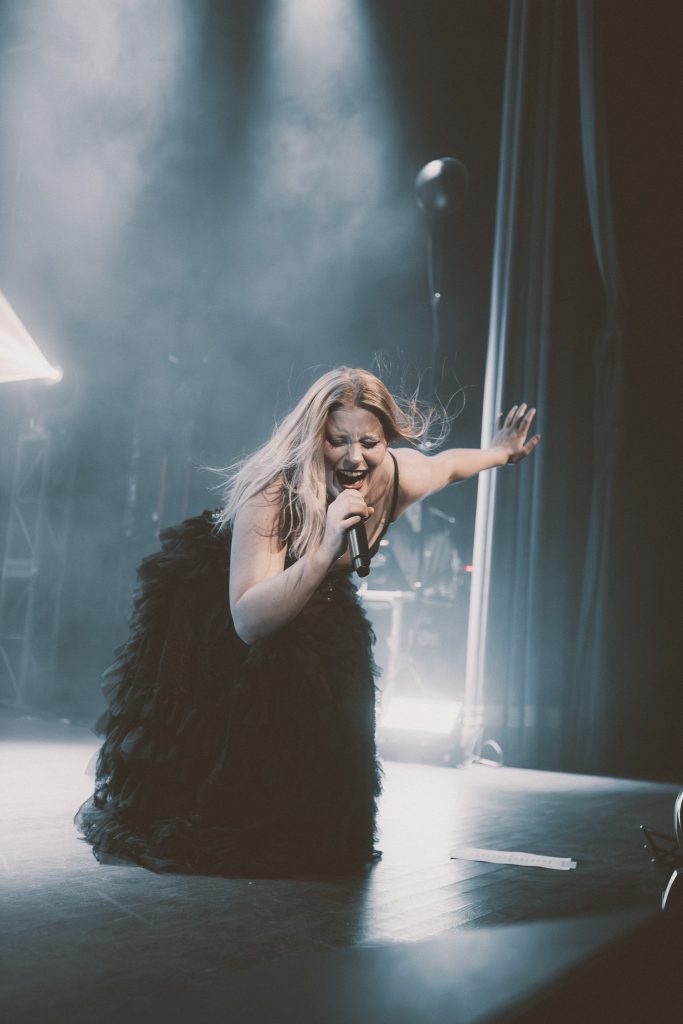
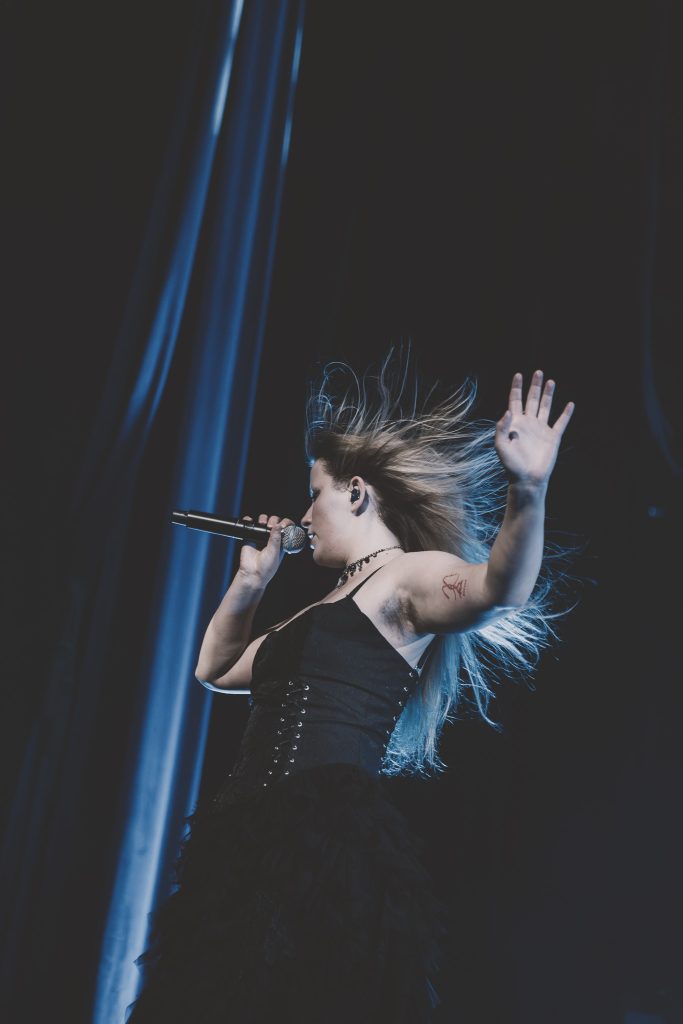
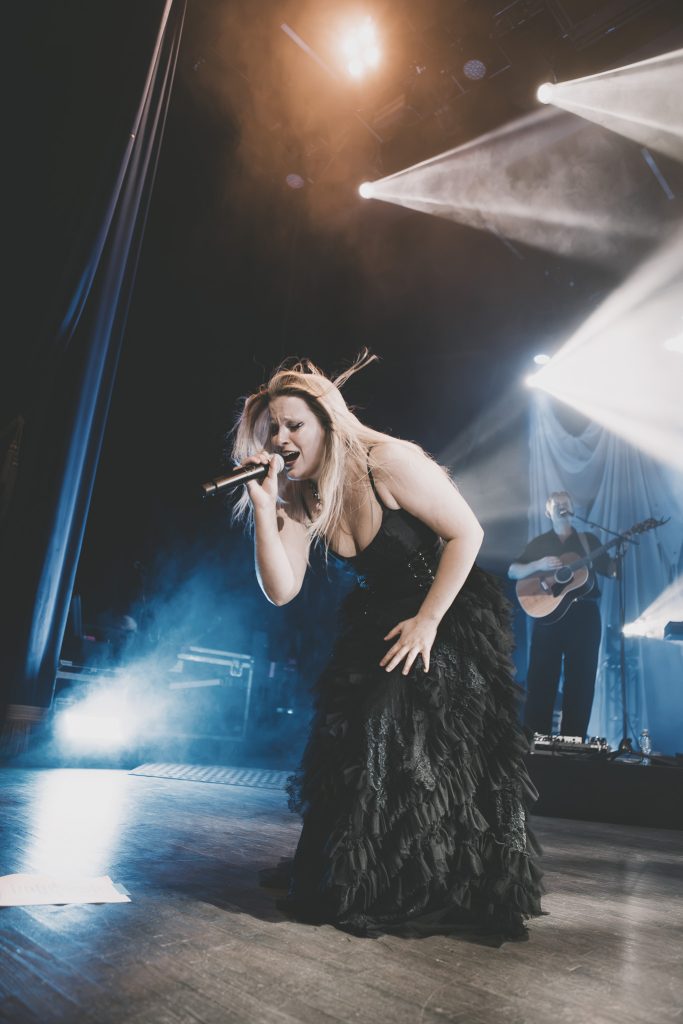
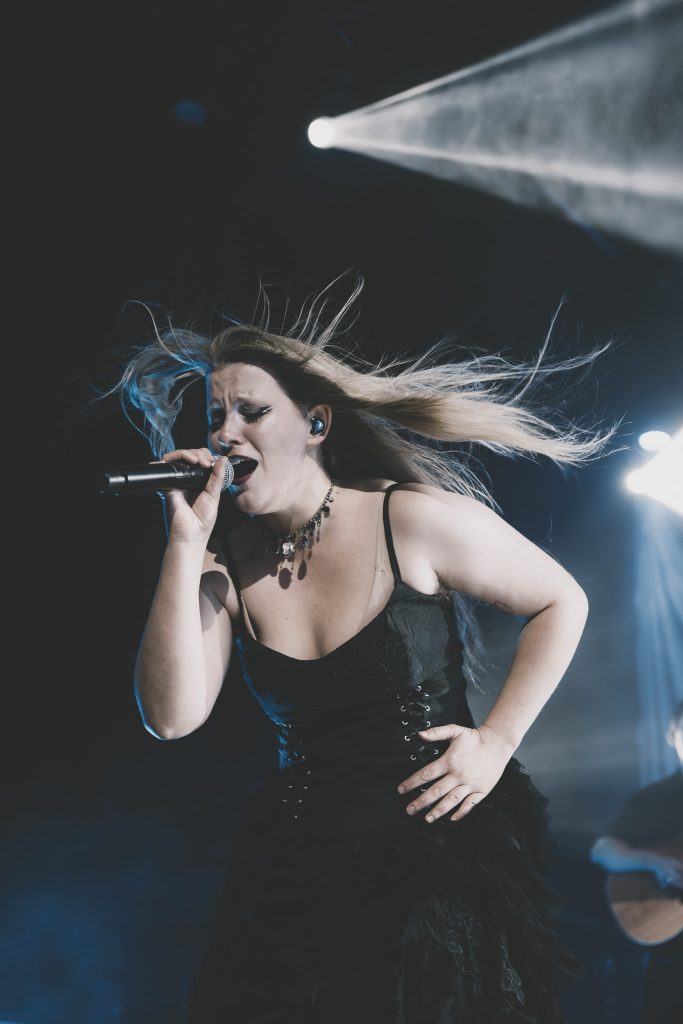
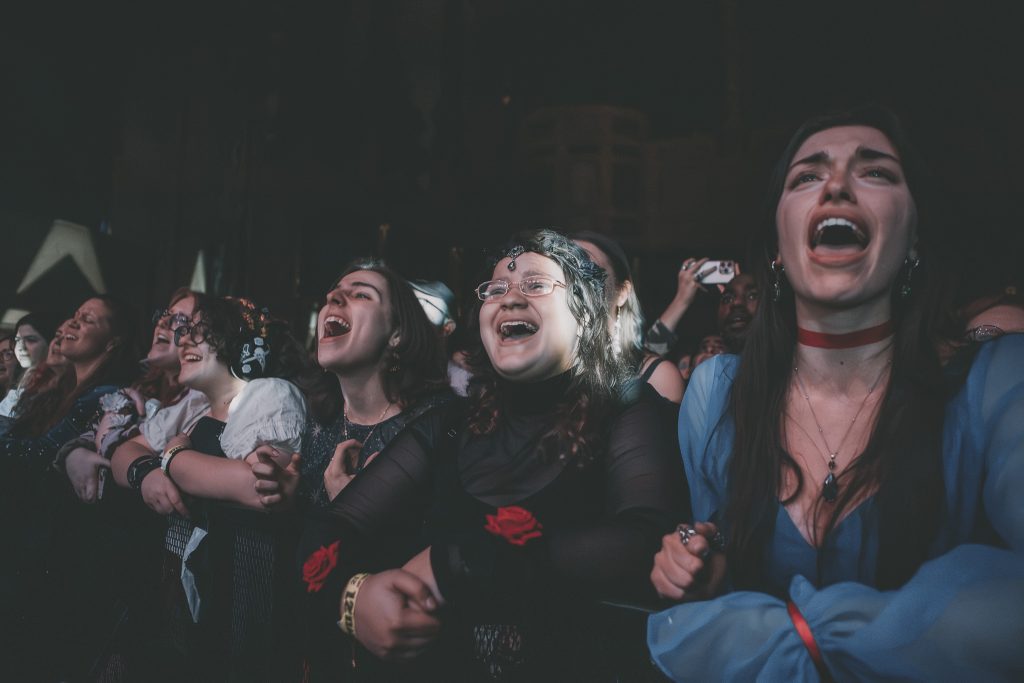
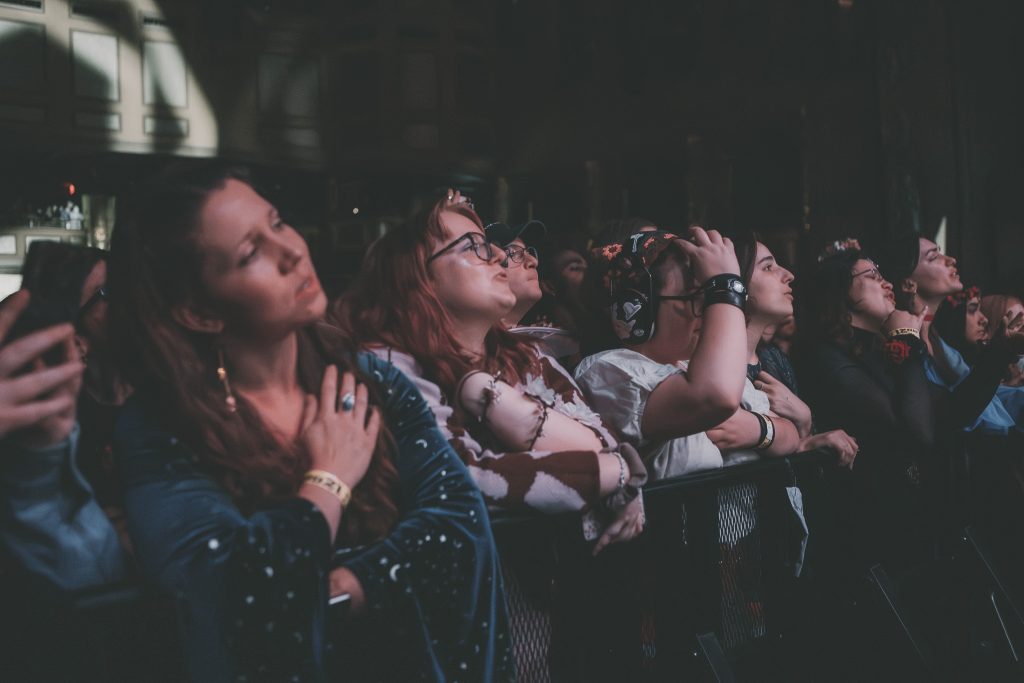
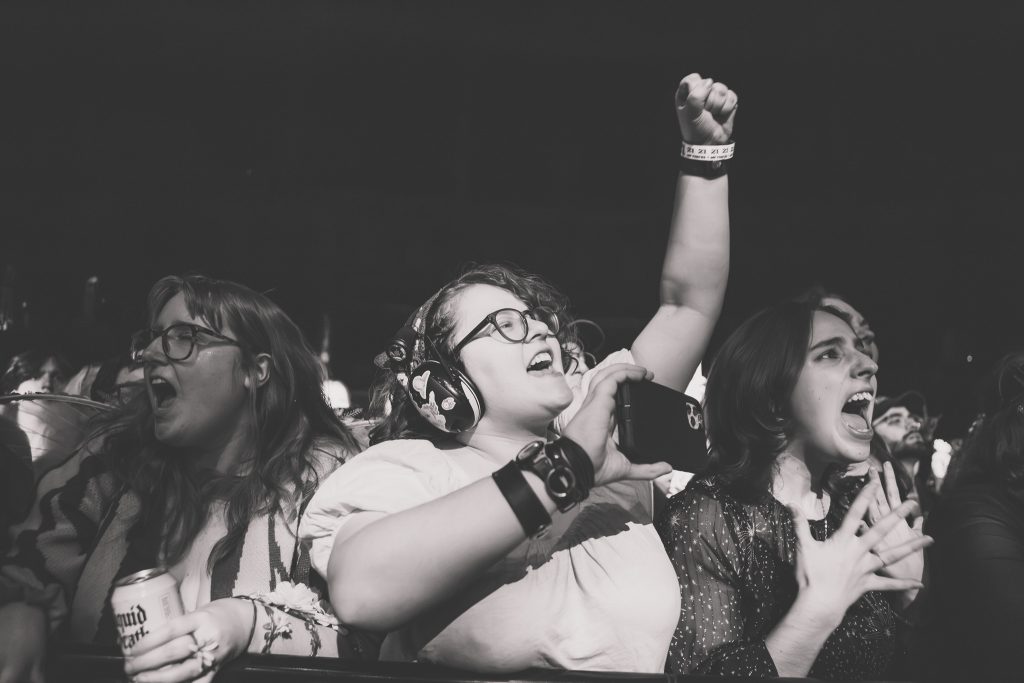
The anticipation thickened as the stage changed over to welcome Paris Paloma. Across the cathedral-like hall, flower crowns, fairy wings, and whimsical attire made the evening feel like a page lifted straight from a fairy-tale storybook. For an evening, we were no longer standing in the restless churn of New York City; we had been planted somewhere softer, more imaginative, and as the night continued writing itself into our memories, that enchanting world only drew us further in. A simple search online will tell you Paris Paloma is a British singer-songwriter, but witnessing her artistry unfold in person is spellbinding — melody and instrumentation are only part of the story, with every small detail reaching toward a larger conversation about what art allows us to feel. By the third song, Paloma gave that conviction a voice, speaking about the importance of human artists and the erosion of artistic appreciation as artificial intelligence becomes increasingly consuming. The crowd responded in the only way that seemed equal to the feeling: ear-piercing screams that climbed toward the ceiling.
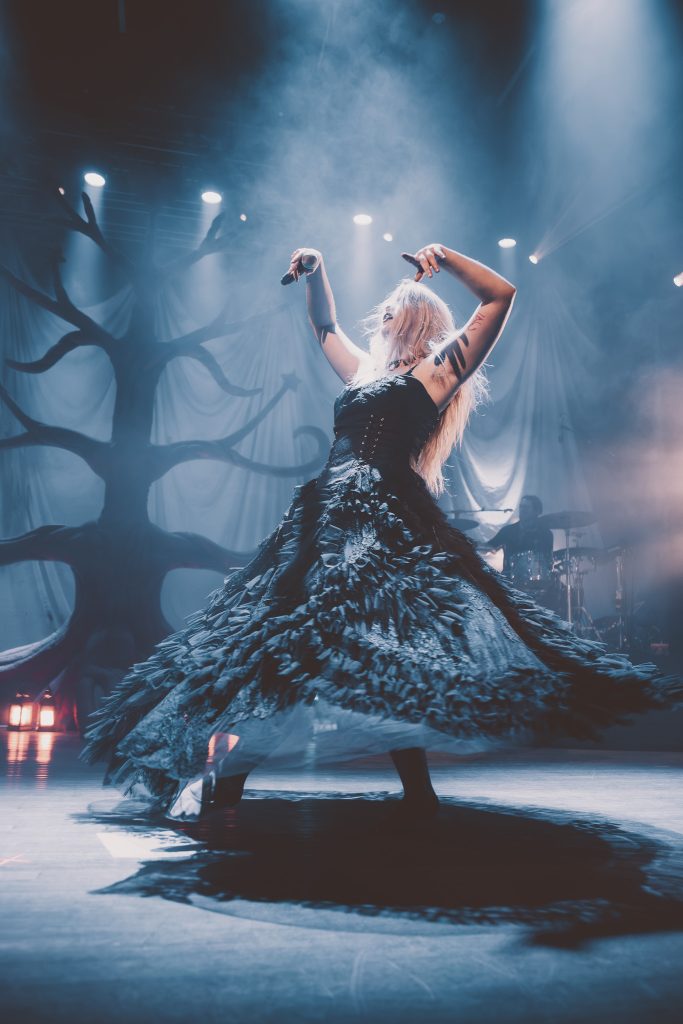
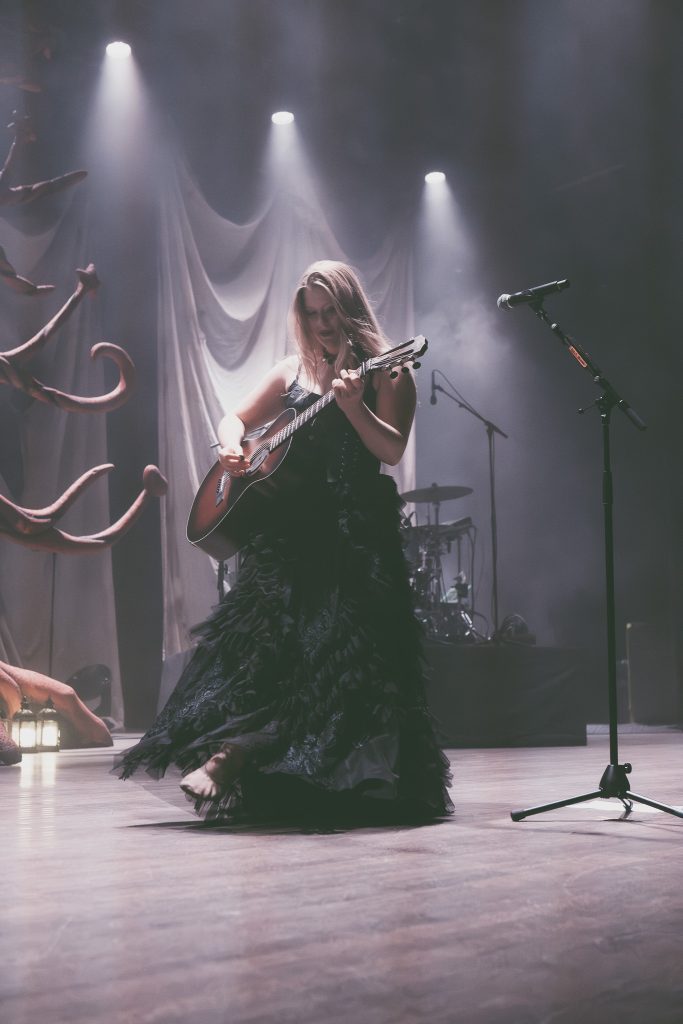
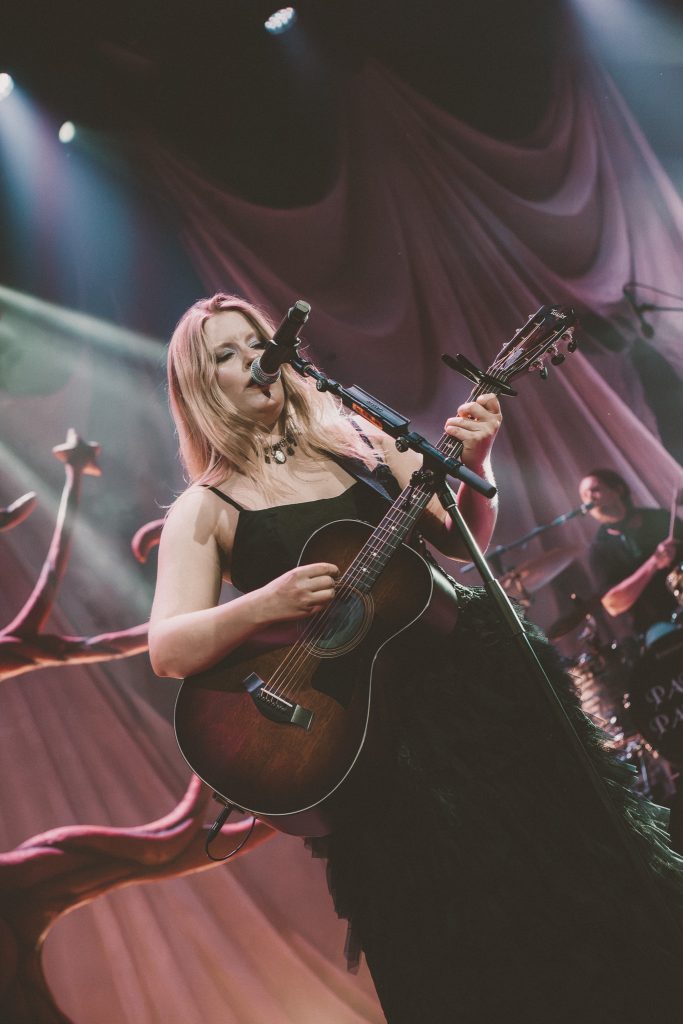
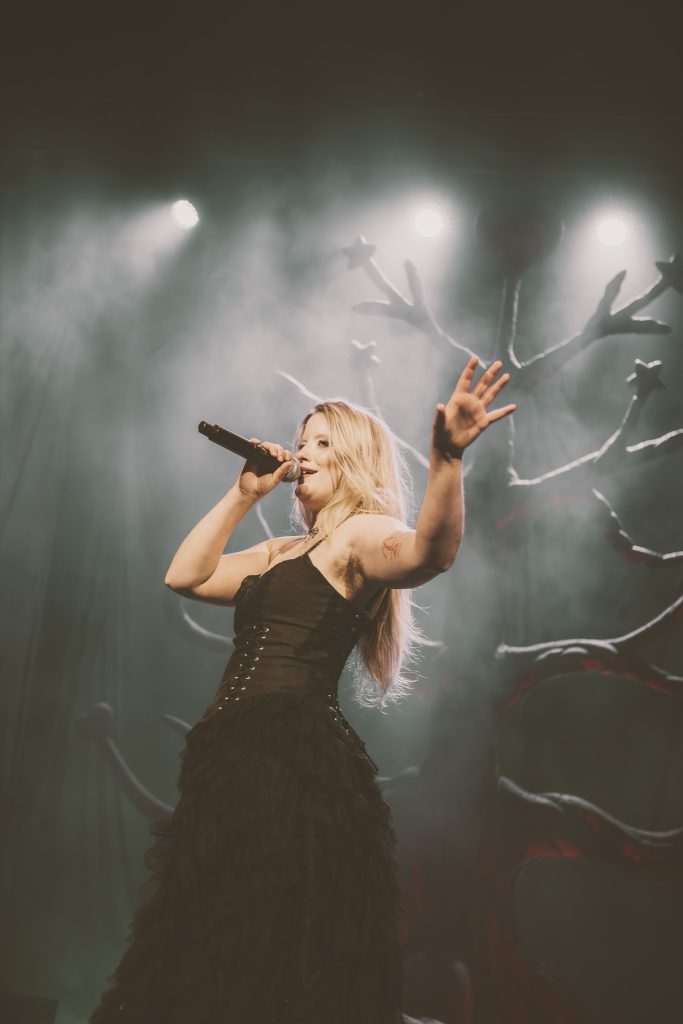
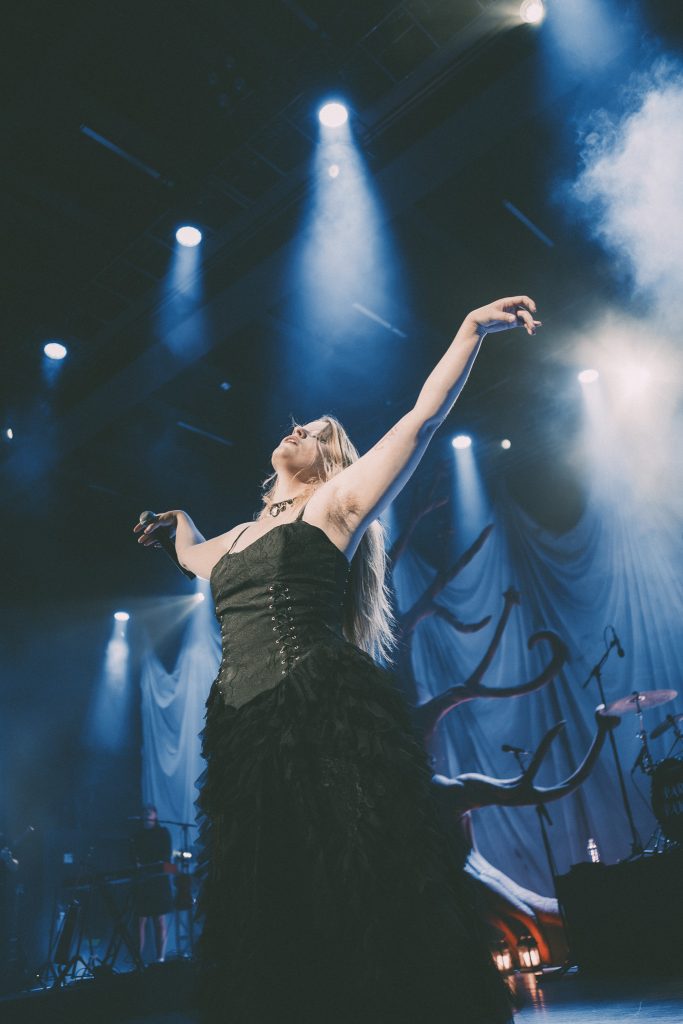
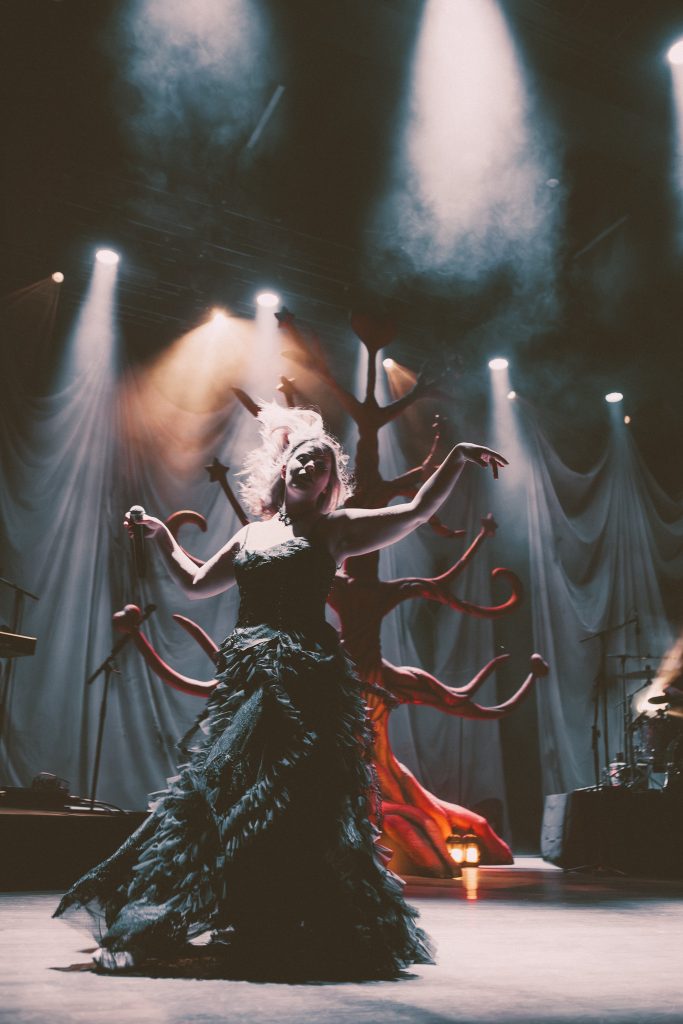
The stage design carried that connection between art and identity into something we could stand before. It was understated without disappearing into the background: A bright red tree rose from the center of the stage, an emblem of love, artistic expression, and personal transformation. The design nodded to surrealist artist Ithell Colquhoun’s “Diagram of Love,” a work that forms the backbone of Paloma’s sophomore album, The Fatal Flaw. During the fourth song, Paloma took a moment to explain her connection to the piece and the role it played in shaping the record’s narrative. Between those conversations, the crowd could be heard belting every word of her eclectic pop-folk serenades, but when she turned inward to speak about her own experiences, the room softened into a different kind of attention: glossy, wide eyes absorbing each word, the silence its own expression of understanding. The audience seemed to lean younger, with girls standing at the threshold between adolescence and young adulthood, which made those moments feel less like a concert and more like a heart-to-heart with an older sister or a family friend you had finally found your way back to. One conversation that stayed with me examined society’s expectations of femininity and the female experience, touching something far more personal than the distance between stage and audience would suggest. I didn’t simply feel heard; I felt seen.
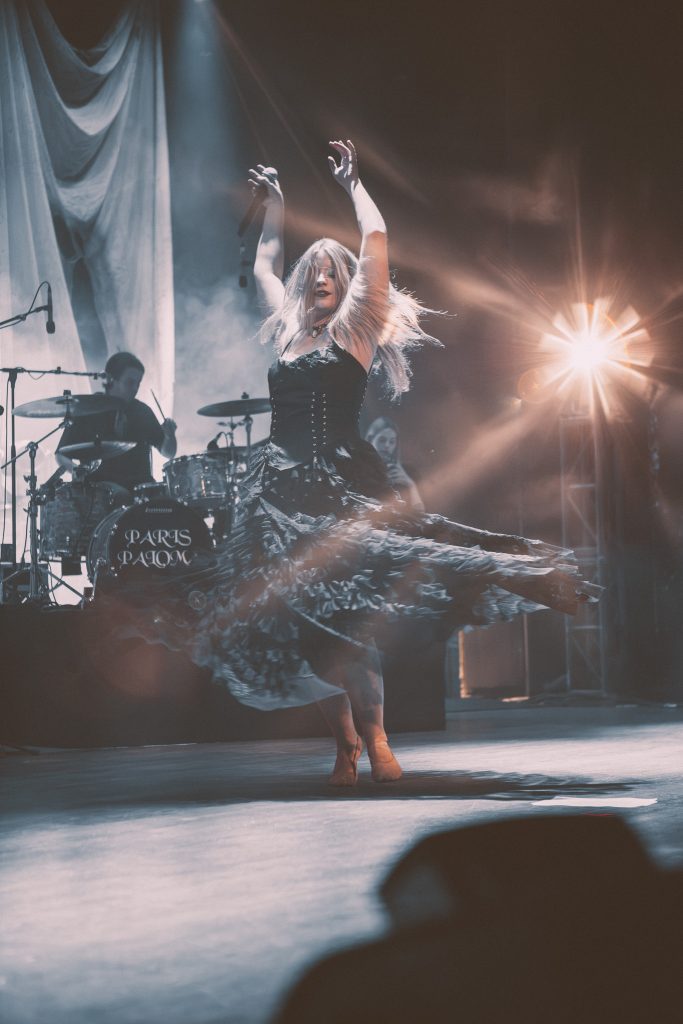
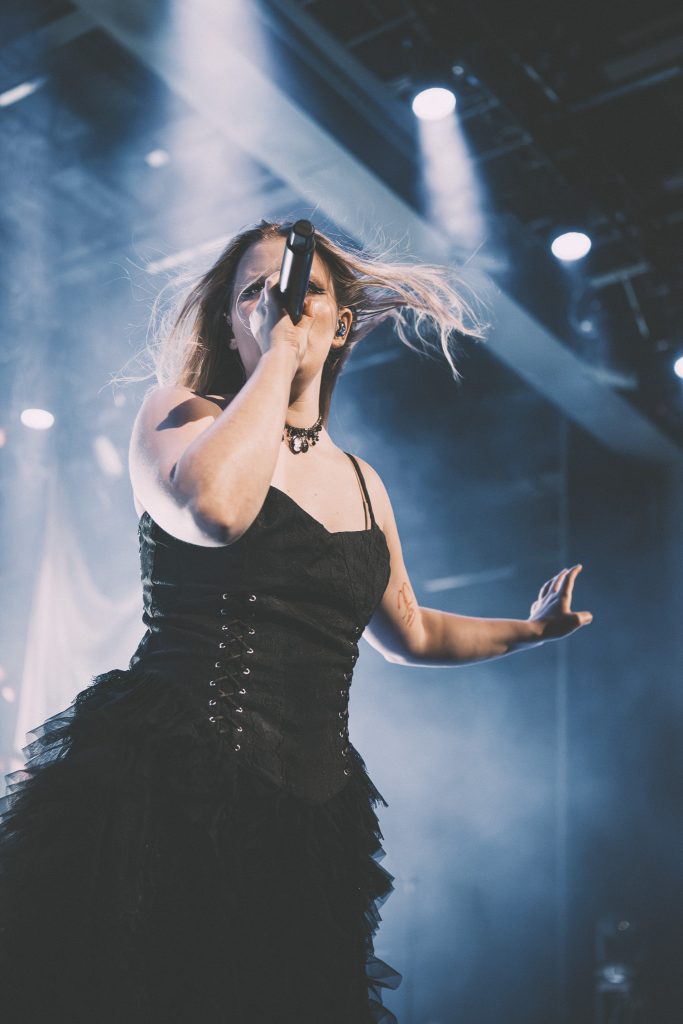
The setlist drew from nearly the entirety of The Fatal Flaw, leaving just two tracks aside and reaching back toward her debut, Cacophony, along the way. Rather than retracing the albums in her recorded order, the evening allowed the songs to find new neighbors, each carrying its own weight while Paloma’s reflections offered another way into the writing. She did not shy away from sharing that candor between songs, giving the music room to mean more than whatever we had first heard through our headphones. It was easy to become hypnotized by her elegance and disappear into the world surrounding her, but the crowd kept bringing that enchantment back to something wonderfully human. At one point, a dance circle opened up, a moment video-sharded online later called “a life without the patriarchy,” and for a little while, the outside world seemed to lose its claim on us. We had found comfort in strangers who understood, without much explanation, what we needed from one another. We twirled, we danced, and maybe we shed a few tears, but at the heart of it all was Paloma, holding the stage with a tenderness that made the room feel like somewhere we were allowed to come home to.
I had to leave before the evening was over, missing “Labour,” the lone encore at the end of the 15-song setlist. It was a fitting final word for the conversations Paloma had opened, though what I carried home came from the moments I was there to witness: the hush when she spoke with dignity, the voices gathering around hers, the strangers making room for one another to dance. I had arrived expecting an enchanting performance; I left thinking about how rarely we are given permission to feel this openly in a room full of people we do not know. The flower crowns and fairy wings helped build the fantasy, but the kindness moving between us was real. For a little while, in a city that so often asks us to toughen up, we had been allowed to be tender.
Leave a Reply